• AI-Powered Digital Transformation: Reshaping the Modern Enterprise
    Artificial intelligence (AI) is rapidly becoming a key driver of digital transformation, enabling organizations to modernize operations, enhance customer experiences, and make smarter, faster decisions. While traditional digital transformation has largely focused on digitizing processes and upgrading technology systems, AI-powered transformation goes further by combining automation, machine learning, generative AI, and advanced analytics to build more intelligent and adaptable enterprises.

    What Is AI-Powered Digital Transformation?
    AI-powered digital transformation involves integrating artificial intelligence into business operations, technology infrastructure, customer interactions, and strategic decision-making. By processing large amounts of data, recognizing patterns, automating routine activities, and generating intelligent recommendations, AI enables organizations to operate more efficiently and respond quickly to changing business conditions.

    Applications range from customer service chatbots and predictive analytics to AI-powered software development and intelligent business applications, creating opportunities for transformation across virtually every department.

    Key Areas Being Transformed by AI
    Business Process Automation
    Business process automation is one of the most significant applications of AI. Intelligent systems can perform repetitive activities such as data entry, document processing, appointment scheduling, and handling routine customer requests. By automating these tasks, employees can dedicate more time to strategic, analytical, and creative work.

    Customer Experience
    AI is also transforming the customer experience by analyzing behavior, preferences, and interactions. Businesses can use these insights to provide personalized recommendations, targeted communications, and more relevant services. Conversational AI can further improve customer support by delivering immediate assistance across websites, applications, and digital channels.

    Data-Driven Decision-Making
    AI is changing how organizations approach business decisions. Traditional business intelligence typically relies on historical reports and predefined metrics, whereas AI-powered analytics can identify patterns, trends, and potential outcomes.

    These capabilities can help business leaders forecast demand, detect potential risks, optimize resources, and make faster decisions in response to changing market conditions.

    AI and Workforce Transformation
    AI-powered transformation is not solely about replacing human workers. Many organizations are adopting AI as a productivity-enhancing technology that complements employee expertise.

    Generative AI assistants can help employees create documents, summarize information, analyze data, brainstorm ideas, and access organizational knowledge. In software development, AI-powered coding tools can assist with development, debugging, and testing. Marketing and sales teams can use AI for content creation, lead analysis, personalization, and campaign optimization.

    The organizations that achieve the greatest value from AI are likely to be those that effectively combine human judgment and expertise with intelligent technologies.

    Building an AI-Ready Technology Foundation
    Successful AI transformation requires more than implementing an AI application. Organizations need a reliable technology foundation that includes high-quality data, scalable cloud infrastructure, strong cybersecurity, system integration, and effective governance.

    Data quality is especially critical because AI systems depend on accurate, accessible, and well-structured information. Organizations should establish effective data management processes while ensuring that sensitive information is protected and relevant regulations are followed.

    Businesses should also establish responsible AI frameworks that address key areas such as privacy, transparency, security, algorithmic bias, accountability, and human oversight.

    Challenges of AI-Powered Transformation
    Despite its benefits, implementing AI across an organization can present significant challenges. Legacy systems, fragmented data environments, limited AI expertise, cybersecurity concerns, and resistance to organizational change can slow transformation initiatives.

    Organizations may also struggle to demonstrate clear business value from AI investments. Rather than adopting AI simply because it is a major technology trend, businesses should identify specific use cases where AI can deliver measurable improvements in areas such as productivity, revenue, customer satisfaction, cost efficiency, or operational performance.

    The Future of AI-Powered Transformation
    AI-powered digital transformation is moving enterprises toward increasingly intelligent, automated, and adaptable operating models. As generative AI, AI agents, predictive technologies, and intelligent automation continue to advance, organizations will increasingly integrate AI directly into everyday workflows instead of treating it as a standalone technology.

    Businesses that are best positioned for long-term success will combine a clear AI transformation strategy with strong data infrastructure, responsible governance, workforce development, and continuous innovation.

    Ultimately, AI-powered digital transformation is about more than adopting artificial intelligence. It involves fundamentally rethinking how organizations operate, make decisions, engage customers, empower employees, and create value in an increasingly digital economy.
    AI-Powered Digital Transformation: Reshaping the Modern Enterprise Artificial intelligence (AI) is rapidly becoming a key driver of digital transformation, enabling organizations to modernize operations, enhance customer experiences, and make smarter, faster decisions. While traditional digital transformation has largely focused on digitizing processes and upgrading technology systems, AI-powered transformation goes further by combining automation, machine learning, generative AI, and advanced analytics to build more intelligent and adaptable enterprises. What Is AI-Powered Digital Transformation? AI-powered digital transformation involves integrating artificial intelligence into business operations, technology infrastructure, customer interactions, and strategic decision-making. By processing large amounts of data, recognizing patterns, automating routine activities, and generating intelligent recommendations, AI enables organizations to operate more efficiently and respond quickly to changing business conditions. Applications range from customer service chatbots and predictive analytics to AI-powered software development and intelligent business applications, creating opportunities for transformation across virtually every department. Key Areas Being Transformed by AI Business Process Automation Business process automation is one of the most significant applications of AI. Intelligent systems can perform repetitive activities such as data entry, document processing, appointment scheduling, and handling routine customer requests. By automating these tasks, employees can dedicate more time to strategic, analytical, and creative work. Customer Experience AI is also transforming the customer experience by analyzing behavior, preferences, and interactions. Businesses can use these insights to provide personalized recommendations, targeted communications, and more relevant services. Conversational AI can further improve customer support by delivering immediate assistance across websites, applications, and digital channels. Data-Driven Decision-Making AI is changing how organizations approach business decisions. Traditional business intelligence typically relies on historical reports and predefined metrics, whereas AI-powered analytics can identify patterns, trends, and potential outcomes. These capabilities can help business leaders forecast demand, detect potential risks, optimize resources, and make faster decisions in response to changing market conditions. AI and Workforce Transformation AI-powered transformation is not solely about replacing human workers. Many organizations are adopting AI as a productivity-enhancing technology that complements employee expertise. Generative AI assistants can help employees create documents, summarize information, analyze data, brainstorm ideas, and access organizational knowledge. In software development, AI-powered coding tools can assist with development, debugging, and testing. Marketing and sales teams can use AI for content creation, lead analysis, personalization, and campaign optimization. The organizations that achieve the greatest value from AI are likely to be those that effectively combine human judgment and expertise with intelligent technologies. Building an AI-Ready Technology Foundation Successful AI transformation requires more than implementing an AI application. Organizations need a reliable technology foundation that includes high-quality data, scalable cloud infrastructure, strong cybersecurity, system integration, and effective governance. Data quality is especially critical because AI systems depend on accurate, accessible, and well-structured information. Organizations should establish effective data management processes while ensuring that sensitive information is protected and relevant regulations are followed. Businesses should also establish responsible AI frameworks that address key areas such as privacy, transparency, security, algorithmic bias, accountability, and human oversight. Challenges of AI-Powered Transformation Despite its benefits, implementing AI across an organization can present significant challenges. Legacy systems, fragmented data environments, limited AI expertise, cybersecurity concerns, and resistance to organizational change can slow transformation initiatives. Organizations may also struggle to demonstrate clear business value from AI investments. Rather than adopting AI simply because it is a major technology trend, businesses should identify specific use cases where AI can deliver measurable improvements in areas such as productivity, revenue, customer satisfaction, cost efficiency, or operational performance. The Future of AI-Powered Transformation AI-powered digital transformation is moving enterprises toward increasingly intelligent, automated, and adaptable operating models. As generative AI, AI agents, predictive technologies, and intelligent automation continue to advance, organizations will increasingly integrate AI directly into everyday workflows instead of treating it as a standalone technology. Businesses that are best positioned for long-term success will combine a clear AI transformation strategy with strong data infrastructure, responsible governance, workforce development, and continuous innovation. Ultimately, AI-powered digital transformation is about more than adopting artificial intelligence. It involves fundamentally rethinking how organizations operate, make decisions, engage customers, empower employees, and create value in an increasingly digital economy.
    0 Comments 1 Shares
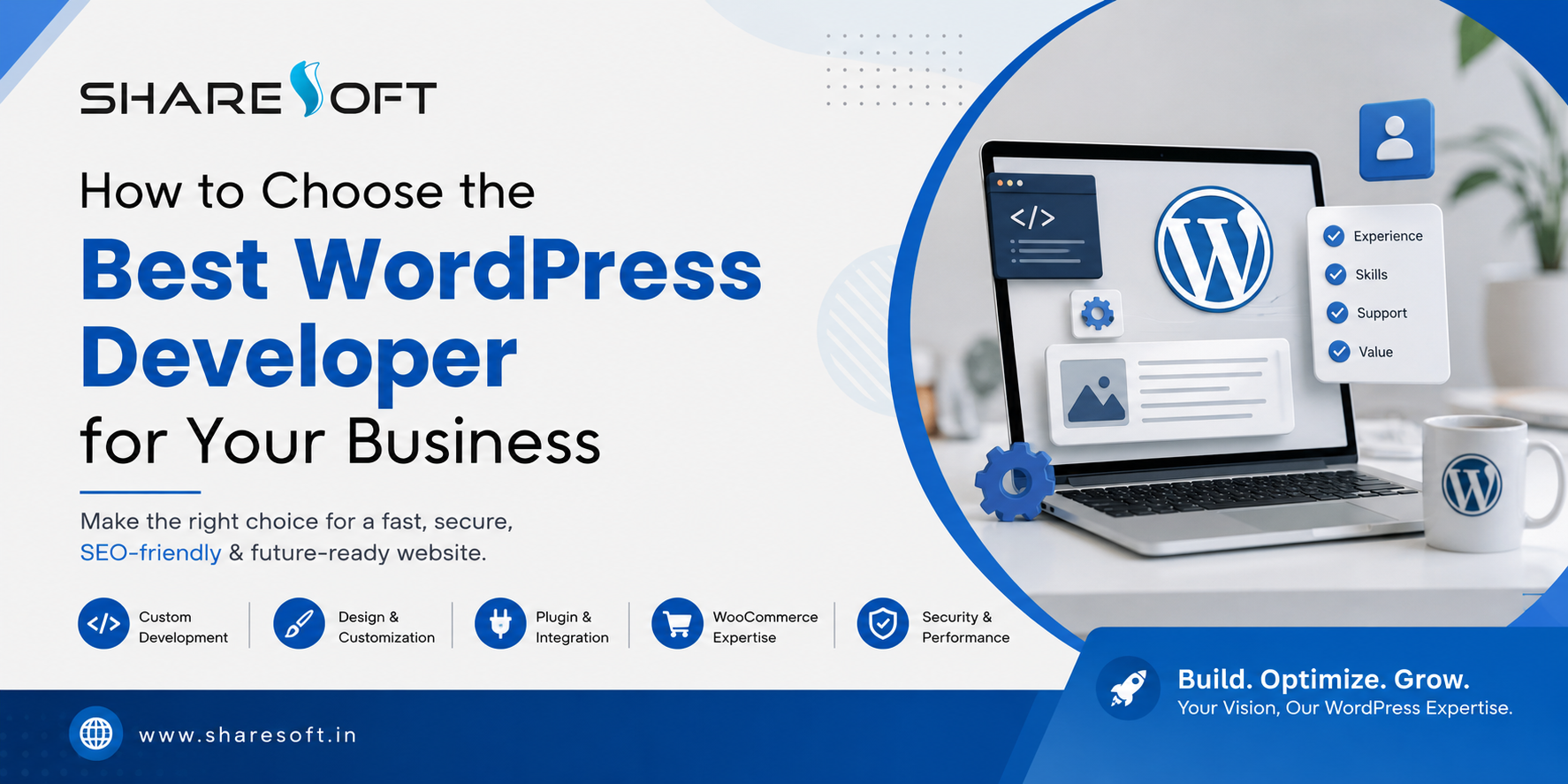
  • How to Choose the Best WordPress Developer for Your Business:

    Choosing the right WordPress developer can have a direct impact on your website’s performance, security, search visibility, user experience, and long-term growth. A developer is not simply someone who can install WordPress or change the design of a theme. For a business website, you need someone who understands how to turn your business requirements into a website that is fast, secure, scalable, easy to manage, and built around your customers.

    With thousands of WordPress developers, freelancers, agencies, and development companies available today, finding the right fit can feel overwhelming.

    So, how do you choose the best WordPress developer for your business?

    The answer depends on more than technical skills. You should evaluate their experience, development approach, communication, understanding of SEO, ability to build custom functionality, security practices, maintenance support, and track record with businesses similar to yours.

    This guide explains what to look for before hiring a WordPress developer and how to make a decision that supports your website for the long term.

    What Does a WordPress Developer Do?
    A WordPress developer specializes in building, customizing, improving, and maintaining websites using WordPress.

    Depending on the project, a WordPress developer may work on:

    Custom WordPress website development
    WordPress theme development and customization
    WordPress plugin development
    Business website development
    WooCommerce development
    Website redesign and migration
    API and third-party integrations
    Website speed optimization
    WordPress security
    Technical SEO implementation
    Mobile-responsive development
    Ongoing WordPress maintenance
    A professional WordPress website developer should also understand how different parts of a website work together. Design, functionality, hosting, databases, performance, security, SEO, and user experience all influence the quality of the final website.

    For this reason, choosing a developer solely because they offer the lowest price can become an expensive decision later.

    Why Choosing the Right WordPress Developer Matters
    Your website is often one of the first places potential customers interact with your business.

    A poorly developed website can create problems such as:

    Slow loading times
    Poor mobile experience
    Security vulnerabilities
    Broken functionality
    Difficult content management
    Poor search engine performance
    Compatibility issues after updates
    Limited ability to add new features
    Higher maintenance costs
    On the other hand, a well-developed WordPress website gives your business a stronger foundation for marketing and growth.

    The right developer should think beyond simply getting your website online. They should consider how the website will perform six months, one year, or several years after launch.

    10 Things to Consider When Choosing a WordPress Developer
    1. Look at Their WordPress Development Experience
    The first thing to evaluate is experience.

    Don’t just ask, “How many websites have you built?”

    Ask what types of WordPress websites they have developed.

    For example, developing a simple personal blog is very different from developing:

    A corporate website
    An eCommerce store
    A membership website
    A service-based business website
    A marketplace
    A booking platform
    A multilingual website
    A website requiring custom integrations
    Look for a WordPress developer who has experience with projects similar to yours.

    Questions to ask
    Before hiring a developer, consider asking:

    How long have you worked with WordPress?
    What types of businesses have you worked with?
    Have you built websites similar to mine?
    Can I see examples of your previous work?
    Do you develop custom functionality?
    Do you provide post-launch support?
    The answers will give you a much better understanding of whether the developer is suitable for your project.

    2. Review Their WordPress Portfolio
    A portfolio can tell you more than a sales pitch.

    When reviewing previous WordPress projects, don’t look only at how attractive the websites appear. Examine how the websites actually work.

    Check:

    Design:
    Does the website look professional and appropriate for the business?

    Navigation:
    Can users quickly find the information they need?

    Mobile experience:
    Does the website work properly on smartphones and tablets?

    Performance:
    Do pages load quickly?

    Functionality:
    Does the website provide the features expected from that type of business?

    Content structure:
    Is information organized clearly?

    Conversion experience:
    Is it easy for visitors to contact the business, request a quote, make a purchase, or take another desired action?

    A good portfolio should demonstrate problem-solving ability, not just attractive layouts.

    3. Make Sure They Understand Your Business Goals
    One of the biggest mistakes businesses make is hiring a developer before clearly defining what the website needs to achieve.

    A professional WordPress developer should ask questions about your business before recommending a solution.

    For example:

    Who is your target audience?
    What products or services do you offer?
    What actions should visitors take?
    Do you need online payments?
    Do you need lead generation?
    Will your team manage the website?
    Do you need integrations with other systems?
    Are you targeting local, national, or international customers?
    Do you have specific SEO requirements?
    The developer should understand the business objective behind the website, not simply the technical requirements.

    For example, if your main goal is generating enquiries, the website should be structured around lead generation. If you’re selling products, the development approach should prioritize eCommerce functionality and a smooth purchasing experience.

    4. Check Their Custom WordPress Development Skills
    WordPress provides thousands of themes and plugins, which makes website development easier.

    However, installing plugins is not the same as providing professional WordPress development.

    Your business may eventually require functionality that isn’t available through an existing plugin.

    A capable WordPress developer should be comfortable working with:

    Custom themes
    Custom plugins
    PHP
    HTML
    CSS
    JavaScript
    WordPress APIs
    Databases
    REST APIs
    Third-party integrations
    This doesn’t mean every project requires everything to be custom coded.

    In fact, a good developer should know when to use an existing solution and when custom development makes more sense.

    The objective isn’t to make the website unnecessarily complicated. It’s to create the right technical solution for your requirements.

    5. Evaluate Their WordPress Theme and Plugin Approach
    Themes and plugins are an important part of WordPress development.

    But adding too many plugins can create unnecessary dependencies, performance problems, security concerns, and compatibility issues.

    Ask your potential developer:

    Which themes do you normally use?
    Do you customize existing themes?
    Can you develop custom themes?
    How do you evaluate plugins?
    What happens if a plugin becomes unsupported?
    How do you handle plugin conflicts?
    Do you use lightweight development practices?
    A professional developer should select themes and plugins based on your requirements rather than simply installing whatever is popular.

    6. Don’t Ignore Website Speed
    Website performance matters for both users and search visibility.

    A beautiful website that takes too long to load can frustrate visitors and hurt conversions.

    Your WordPress developer should consider performance during development rather than treating speed optimization as an afterthought.

    Important areas include:

    Image optimization
    Efficient code
    Caching
    Database optimization
    Script and stylesheet management
    Lightweight themes
    Plugin selection
    Hosting configuration
    Mobile performance
    Ask the developer how they plan to keep the website fast as new content and functionality are added.

    This is particularly important for eCommerce websites and websites expecting substantial traffic.

    7. Ask About WordPress SEO
    A WordPress developer doesn’t necessarily need to be an SEO strategist, but they should understand the technical foundations of SEO-friendly website development.

    A properly developed website should make it easier for search engines to crawl and understand your content.

    Important considerations include:

    Clean URL structures
    Proper heading hierarchy
    Mobile responsiveness
    Website speed
    Crawlability
    XML sitemap compatibility
    Canonical implementation
    Structured data where appropriate
    Image optimization
    Internal linking structure
    Indexation controls
    The developer should also understand that SEO shouldn’t be added only after the website has been completed.

    SEO-friendly development should be considered from the beginning.

    8. Ask About WordPress Security
    Security is another area where experience matters.

    WordPress websites need ongoing attention because the WordPress core, themes, plugins, hosting environment, and administrator accounts can all affect security.

    Ask your developer about:

    WordPress core updates
    Plugin and theme updates
    Secure administrator accounts
    Backup procedures
    Malware monitoring
    Secure configuration
    SSL
    Login protection
    Vulnerability management
    A professional developer should also avoid unnecessary plugins and outdated components wherever possible.

    Remember that website security is not a one-time task. It requires ongoing maintenance.

    9. Find Out What Happens After Launch
    This is one of the most important questions to ask before hiring a WordPress developer.

    Your website launch isn’t the end of the project.

    After launch, you may need:

    WordPress updates
    Plugin updates
    Security monitoring
    Backups
    Bug fixes
    Performance optimization
    New features
    Content changes
    Technical support
    Ask whether the developer provides ongoing WordPress maintenance and support.

    Also clarify:

    What is included?
    How quickly are support requests handled?
    Is support included in the development cost?
    Is there a monthly maintenance plan?
    How are additional development requests billed?
    Understanding this beforehand prevents unpleasant surprises later.

    10. Compare Value, Not Just Price
    Cost is naturally an important consideration.

    However, choosing the cheapest WordPress developer can sometimes create higher costs later.

    A low-cost project may initially look attractive but could result in:

    Poor coding practices
    Plugin dependency
    Slow performance
    Security issues
    Difficult maintenance
    Limited scalability
    Expensive redevelopment
    Instead of asking:

    “Who can build my website for the lowest price?”

    ask:

    “Who can build the right website for my business at a reasonable long-term cost?”

    Compare developers based on experience, technical capability, communication, development quality, support, and business understanding.

    Freelancer vs WordPress Development Company: Which Should You Choose?
    This depends on the size and complexity of your project.

    A freelancer may be suitable when:
    You have a relatively small project
    Your requirements are straightforward
    You need occasional development work
    You have a limited budget
    You only need one specialist
    A WordPress development company may be better when:
    You’re building a business-critical website
    Multiple specialists are required
    You need custom functionality
    You require ongoing maintenance
    You need design, development, SEO, and technical support
    You expect the website to grow
    You need structured project management
    Neither option is automatically better.

    The right choice depends on your business requirements, project complexity, budget, and long-term plans.

    Questions to Ask Before Hiring a WordPress Developer
    Before signing an agreement, ask these questions:

    About experience
    How many years have you worked with WordPress?
    Can you show me relevant WordPress projects?
    Have you worked with businesses in my industry?
    About development
    Will you use an existing theme or create a custom solution?
    What plugins will you recommend and why?
    Can you develop custom WordPress functionality?
    Can you integrate third-party systems?
    About SEO and performance
    Will the website be developed with SEO in mind?
    How will you optimize website speed?
    Will the website be mobile responsive?
    About security
    How will you secure the website?
    How will backups and updates be handled?
    About support
    What happens after the website launches?
    Do you provide WordPress maintenance?
    How quickly can you respond if something breaks?
    About cost
    What is included in the development package?
    Are there additional costs for future changes?
    What is the estimated timeline?
    A developer who provides clear, specific answers is generally easier to work with than someone who makes vague promises.

    Red Flags to Watch Out for When Hiring a WordPress Developer
    Be cautious if a developer:

    Promises guaranteed Google rankings
    No developer can legitimately guarantee a specific Google ranking.

    Focuses only on design
    A website needs more than an attractive appearance. Performance, security, functionality, SEO, and usability matter too.

    Uses too many plugins
    More plugins don’t automatically mean more functionality. Unnecessary plugins can increase complexity.

    Can’t explain their development approach
    You don’t need to be a programmer, but your developer should be able to explain the solution in understandable terms.

    Has no relevant portfolio
    If they cannot demonstrate previous work, ask why.

    Offers an unrealistically low price
    Price isn’t always an indication of quality, but an extremely low quote can be a warning sign when the project requires substantial custom development.

    Doesn’t provide post-launch support
    Websites require ongoing updates and maintenance. Make sure you understand who will handle them.

    How Much Does It Cost to Hire a WordPress Developer?
    There isn’t one fixed price for WordPress development.

    The cost depends on factors such as:

    Website size
    Number of pages
    Design requirements
    Custom functionality
    Theme development
    Plugin development
    WooCommerce requirements
    API integrations
    Content migration
    SEO requirements
    Security requirements
    Maintenance needs
    A basic business website may require significantly less development work than a custom WooCommerce store or a website connected to multiple business systems.

    Instead of selecting a developer based solely on their hourly rate or project quote, compare the scope and value of what you’re actually receiving.

    What Should a Professional WordPress Development Process Look Like?
    A structured process can make a significant difference to project quality.

    A typical process may look like this:

    1. Discovery

    Understand the business, audience, goals, competitors, and requirements.

    2. Planning

    Define website architecture, functionality, content structure, integrations, and technical requirements.

    3. UI/UX Design

    Create a user-friendly interface aligned with the brand and business objectives.

    4. WordPress Development

    Build the website, customize the theme, develop required functionality, and integrate necessary systems.

    5. Content & SEO Setup

    Implement content structure, metadata, headings, URLs, images, and technical SEO foundations.

    6. Testing

    Test functionality, forms, responsiveness, browsers, performance, security, and integrations.

    7. Launch

    Deploy the website and configure the production environment.

    8. Ongoing Maintenance

    Keep WordPress, themes, plugins, security, performance, and functionality maintained.

    This structured approach reduces the chances of discovering major problems after launch.

    Why Businesses Choose Professional WordPress Development Services
    For businesses that depend heavily on their website, professional development can provide advantages beyond simply having a WordPress website.

    A professional development team can help create a website that is:

    Designed around business objectives
    Customized to your requirements
    SEO-friendly
    Mobile responsive
    Fast and scalable
    Secure
    Easier to manage
    Ready for future integrations
    Supported after launch
    For businesses looking for a complete WordPress solution, Sharesoft Technology provides WordPress development services covering custom WordPress development, theme and plugin customization, WooCommerce development, website migration, maintenance, performance optimization, and related requirements.

    The focus should always be on creating a website that works as a business asset—not simply a website that looks good.

    How to Make Your Final Decision
    Once you’ve shortlisted two or three WordPress developers or development companies, compare them using the same criteria.

    Factor What to Look For
    Experience Relevant WordPress projects
    Portfolio Quality and functionality
    Technical skills Custom development capability
    SEO SEO-friendly development
    Performance Speed optimization approach
    Security Updates, backups and protection
    Communication Clear and consistent communication
    Support Post-launch maintenance
    Scalability Ability to support future growth
    Pricing Clear scope and reasonable value
    Don’t automatically select the developer with the lowest quote.

    Choose the person or company that demonstrates the strongest combination of technical expertise, business understanding, communication, reliability, and long-term support.

    Frequently Asked Questions
    1. What should I look for in a WordPress developer?
    Look for relevant WordPress experience, a strong portfolio, technical development skills, understanding of SEO and performance, security awareness, clear communication, and reliable post-launch support.

    2. How do I know if a WordPress developer is good?
    Review their previous websites, ask technical and project-related questions, check whether they understand your business objectives, and evaluate how clearly they explain their development process.

    3. Should I hire a WordPress developer or a WordPress development company?
    A freelancer may be suitable for smaller and simpler projects. A WordPress development company can be more appropriate for complex business websites requiring multiple skills, custom development, integrations, and ongoing support.

    4. How much does a WordPress developer cost?
    WordPress development costs vary depending on the website's complexity, design, custom functionality, integrations, eCommerce requirements, SEO needs, and maintenance requirements. There is no universal price for every project.

    5. Can a WordPress developer help with SEO?
    Yes. A WordPress developer can implement important technical SEO foundations such as clean URLs, responsive design, performance optimization, crawlable architecture, proper headings, and structured data where appropriate. However, technical development and ongoing SEO strategy are different disciplines.

    6. Do I need a custom WordPress website?
    Not every business needs a completely custom website. A good developer should assess your requirements and determine whether an existing theme, customized theme, or fully custom development approach provides the best balance of functionality, performance, cost, and maintainability.

    7. What should I ask a WordPress developer before hiring them?
    Ask about their experience, portfolio, development approach, theme and plugin strategy, custom development capabilities, SEO and performance practices, security, timeline, pricing, and post-launch maintenance.

    8. Is WordPress suitable for business websites?
    Yes. WordPress can support many types of business websites, from simple corporate sites to sophisticated websites and WooCommerce stores. The quality of the implementation, hosting, security, performance, and ongoing maintenance are important factors.

    Final Thoughts
    Choosing the best WordPress developer for your business isn’t about finding someone who simply knows how to work with WordPress.

    It’s about finding a development partner who understands your business, your customers, your technical requirements, and your long-term goals.

    The right WordPress developer should be able to combine design, development, performance, security, SEO fundamentals, usability, and ongoing maintenance into a website that can grow with your business.

    Before making your decision, look beyond the price. Review their portfolio, ask the right questions, understand exactly what is included, and make sure they can support your website after launch.

    A well-developed WordPress website is an investment in your business—not just another digital expense.

    If you’re looking for professional WordPress development services, Sharesoft Technology can help you plan, develop, customize, optimize, and maintain a WordPress website around your business requirements.

    How to Choose the Best WordPress Developer for Your Business: Choosing the right WordPress developer can have a direct impact on your website’s performance, security, search visibility, user experience, and long-term growth. A developer is not simply someone who can install WordPress or change the design of a theme. For a business website, you need someone who understands how to turn your business requirements into a website that is fast, secure, scalable, easy to manage, and built around your customers. With thousands of WordPress developers, freelancers, agencies, and development companies available today, finding the right fit can feel overwhelming. So, how do you choose the best WordPress developer for your business? The answer depends on more than technical skills. You should evaluate their experience, development approach, communication, understanding of SEO, ability to build custom functionality, security practices, maintenance support, and track record with businesses similar to yours. This guide explains what to look for before hiring a WordPress developer and how to make a decision that supports your website for the long term. What Does a WordPress Developer Do? A WordPress developer specializes in building, customizing, improving, and maintaining websites using WordPress. Depending on the project, a WordPress developer may work on: Custom WordPress website development WordPress theme development and customization WordPress plugin development Business website development WooCommerce development Website redesign and migration API and third-party integrations Website speed optimization WordPress security Technical SEO implementation Mobile-responsive development Ongoing WordPress maintenance A professional WordPress website developer should also understand how different parts of a website work together. Design, functionality, hosting, databases, performance, security, SEO, and user experience all influence the quality of the final website. For this reason, choosing a developer solely because they offer the lowest price can become an expensive decision later. Why Choosing the Right WordPress Developer Matters Your website is often one of the first places potential customers interact with your business. A poorly developed website can create problems such as: Slow loading times Poor mobile experience Security vulnerabilities Broken functionality Difficult content management Poor search engine performance Compatibility issues after updates Limited ability to add new features Higher maintenance costs On the other hand, a well-developed WordPress website gives your business a stronger foundation for marketing and growth. The right developer should think beyond simply getting your website online. They should consider how the website will perform six months, one year, or several years after launch. 10 Things to Consider When Choosing a WordPress Developer 1. Look at Their WordPress Development Experience The first thing to evaluate is experience. Don’t just ask, “How many websites have you built?” Ask what types of WordPress websites they have developed. For example, developing a simple personal blog is very different from developing: A corporate website An eCommerce store A membership website A service-based business website A marketplace A booking platform A multilingual website A website requiring custom integrations Look for a WordPress developer who has experience with projects similar to yours. Questions to ask Before hiring a developer, consider asking: How long have you worked with WordPress? What types of businesses have you worked with? Have you built websites similar to mine? Can I see examples of your previous work? Do you develop custom functionality? Do you provide post-launch support? The answers will give you a much better understanding of whether the developer is suitable for your project. 2. Review Their WordPress Portfolio A portfolio can tell you more than a sales pitch. When reviewing previous WordPress projects, don’t look only at how attractive the websites appear. Examine how the websites actually work. Check: Design: Does the website look professional and appropriate for the business? Navigation: Can users quickly find the information they need? Mobile experience: Does the website work properly on smartphones and tablets? Performance: Do pages load quickly? Functionality: Does the website provide the features expected from that type of business? Content structure: Is information organized clearly? Conversion experience: Is it easy for visitors to contact the business, request a quote, make a purchase, or take another desired action? A good portfolio should demonstrate problem-solving ability, not just attractive layouts. 3. Make Sure They Understand Your Business Goals One of the biggest mistakes businesses make is hiring a developer before clearly defining what the website needs to achieve. A professional WordPress developer should ask questions about your business before recommending a solution. For example: Who is your target audience? What products or services do you offer? What actions should visitors take? Do you need online payments? Do you need lead generation? Will your team manage the website? Do you need integrations with other systems? Are you targeting local, national, or international customers? Do you have specific SEO requirements? The developer should understand the business objective behind the website, not simply the technical requirements. For example, if your main goal is generating enquiries, the website should be structured around lead generation. If you’re selling products, the development approach should prioritize eCommerce functionality and a smooth purchasing experience. 4. Check Their Custom WordPress Development Skills WordPress provides thousands of themes and plugins, which makes website development easier. However, installing plugins is not the same as providing professional WordPress development. Your business may eventually require functionality that isn’t available through an existing plugin. A capable WordPress developer should be comfortable working with: Custom themes Custom plugins PHP HTML CSS JavaScript WordPress APIs Databases REST APIs Third-party integrations This doesn’t mean every project requires everything to be custom coded. In fact, a good developer should know when to use an existing solution and when custom development makes more sense. The objective isn’t to make the website unnecessarily complicated. It’s to create the right technical solution for your requirements. 5. Evaluate Their WordPress Theme and Plugin Approach Themes and plugins are an important part of WordPress development. But adding too many plugins can create unnecessary dependencies, performance problems, security concerns, and compatibility issues. Ask your potential developer: Which themes do you normally use? Do you customize existing themes? Can you develop custom themes? How do you evaluate plugins? What happens if a plugin becomes unsupported? How do you handle plugin conflicts? Do you use lightweight development practices? A professional developer should select themes and plugins based on your requirements rather than simply installing whatever is popular. 6. Don’t Ignore Website Speed Website performance matters for both users and search visibility. A beautiful website that takes too long to load can frustrate visitors and hurt conversions. Your WordPress developer should consider performance during development rather than treating speed optimization as an afterthought. Important areas include: Image optimization Efficient code Caching Database optimization Script and stylesheet management Lightweight themes Plugin selection Hosting configuration Mobile performance Ask the developer how they plan to keep the website fast as new content and functionality are added. This is particularly important for eCommerce websites and websites expecting substantial traffic. 7. Ask About WordPress SEO A WordPress developer doesn’t necessarily need to be an SEO strategist, but they should understand the technical foundations of SEO-friendly website development. A properly developed website should make it easier for search engines to crawl and understand your content. Important considerations include: Clean URL structures Proper heading hierarchy Mobile responsiveness Website speed Crawlability XML sitemap compatibility Canonical implementation Structured data where appropriate Image optimization Internal linking structure Indexation controls The developer should also understand that SEO shouldn’t be added only after the website has been completed. SEO-friendly development should be considered from the beginning. 8. Ask About WordPress Security Security is another area where experience matters. WordPress websites need ongoing attention because the WordPress core, themes, plugins, hosting environment, and administrator accounts can all affect security. Ask your developer about: WordPress core updates Plugin and theme updates Secure administrator accounts Backup procedures Malware monitoring Secure configuration SSL Login protection Vulnerability management A professional developer should also avoid unnecessary plugins and outdated components wherever possible. Remember that website security is not a one-time task. It requires ongoing maintenance. 9. Find Out What Happens After Launch This is one of the most important questions to ask before hiring a WordPress developer. Your website launch isn’t the end of the project. After launch, you may need: WordPress updates Plugin updates Security monitoring Backups Bug fixes Performance optimization New features Content changes Technical support Ask whether the developer provides ongoing WordPress maintenance and support. Also clarify: What is included? How quickly are support requests handled? Is support included in the development cost? Is there a monthly maintenance plan? How are additional development requests billed? Understanding this beforehand prevents unpleasant surprises later. 10. Compare Value, Not Just Price Cost is naturally an important consideration. However, choosing the cheapest WordPress developer can sometimes create higher costs later. A low-cost project may initially look attractive but could result in: Poor coding practices Plugin dependency Slow performance Security issues Difficult maintenance Limited scalability Expensive redevelopment Instead of asking: “Who can build my website for the lowest price?” ask: “Who can build the right website for my business at a reasonable long-term cost?” Compare developers based on experience, technical capability, communication, development quality, support, and business understanding. Freelancer vs WordPress Development Company: Which Should You Choose? This depends on the size and complexity of your project. A freelancer may be suitable when: You have a relatively small project Your requirements are straightforward You need occasional development work You have a limited budget You only need one specialist A WordPress development company may be better when: You’re building a business-critical website Multiple specialists are required You need custom functionality You require ongoing maintenance You need design, development, SEO, and technical support You expect the website to grow You need structured project management Neither option is automatically better. The right choice depends on your business requirements, project complexity, budget, and long-term plans. Questions to Ask Before Hiring a WordPress Developer Before signing an agreement, ask these questions: About experience How many years have you worked with WordPress? Can you show me relevant WordPress projects? Have you worked with businesses in my industry? About development Will you use an existing theme or create a custom solution? What plugins will you recommend and why? Can you develop custom WordPress functionality? Can you integrate third-party systems? About SEO and performance Will the website be developed with SEO in mind? How will you optimize website speed? Will the website be mobile responsive? About security How will you secure the website? How will backups and updates be handled? About support What happens after the website launches? Do you provide WordPress maintenance? How quickly can you respond if something breaks? About cost What is included in the development package? Are there additional costs for future changes? What is the estimated timeline? A developer who provides clear, specific answers is generally easier to work with than someone who makes vague promises. Red Flags to Watch Out for When Hiring a WordPress Developer Be cautious if a developer: Promises guaranteed Google rankings No developer can legitimately guarantee a specific Google ranking. Focuses only on design A website needs more than an attractive appearance. Performance, security, functionality, SEO, and usability matter too. Uses too many plugins More plugins don’t automatically mean more functionality. Unnecessary plugins can increase complexity. Can’t explain their development approach You don’t need to be a programmer, but your developer should be able to explain the solution in understandable terms. Has no relevant portfolio If they cannot demonstrate previous work, ask why. Offers an unrealistically low price Price isn’t always an indication of quality, but an extremely low quote can be a warning sign when the project requires substantial custom development. Doesn’t provide post-launch support Websites require ongoing updates and maintenance. Make sure you understand who will handle them. How Much Does It Cost to Hire a WordPress Developer? There isn’t one fixed price for WordPress development. The cost depends on factors such as: Website size Number of pages Design requirements Custom functionality Theme development Plugin development WooCommerce requirements API integrations Content migration SEO requirements Security requirements Maintenance needs A basic business website may require significantly less development work than a custom WooCommerce store or a website connected to multiple business systems. Instead of selecting a developer based solely on their hourly rate or project quote, compare the scope and value of what you’re actually receiving. What Should a Professional WordPress Development Process Look Like? A structured process can make a significant difference to project quality. A typical process may look like this: 1. Discovery Understand the business, audience, goals, competitors, and requirements. 2. Planning Define website architecture, functionality, content structure, integrations, and technical requirements. 3. UI/UX Design Create a user-friendly interface aligned with the brand and business objectives. 4. WordPress Development Build the website, customize the theme, develop required functionality, and integrate necessary systems. 5. Content & SEO Setup Implement content structure, metadata, headings, URLs, images, and technical SEO foundations. 6. Testing Test functionality, forms, responsiveness, browsers, performance, security, and integrations. 7. Launch Deploy the website and configure the production environment. 8. Ongoing Maintenance Keep WordPress, themes, plugins, security, performance, and functionality maintained. This structured approach reduces the chances of discovering major problems after launch. Why Businesses Choose Professional WordPress Development Services For businesses that depend heavily on their website, professional development can provide advantages beyond simply having a WordPress website. A professional development team can help create a website that is: Designed around business objectives Customized to your requirements SEO-friendly Mobile responsive Fast and scalable Secure Easier to manage Ready for future integrations Supported after launch For businesses looking for a complete WordPress solution, Sharesoft Technology provides WordPress development services covering custom WordPress development, theme and plugin customization, WooCommerce development, website migration, maintenance, performance optimization, and related requirements. The focus should always be on creating a website that works as a business asset—not simply a website that looks good. How to Make Your Final Decision Once you’ve shortlisted two or three WordPress developers or development companies, compare them using the same criteria. Factor What to Look For Experience Relevant WordPress projects Portfolio Quality and functionality Technical skills Custom development capability SEO SEO-friendly development Performance Speed optimization approach Security Updates, backups and protection Communication Clear and consistent communication Support Post-launch maintenance Scalability Ability to support future growth Pricing Clear scope and reasonable value Don’t automatically select the developer with the lowest quote. Choose the person or company that demonstrates the strongest combination of technical expertise, business understanding, communication, reliability, and long-term support. Frequently Asked Questions 1. What should I look for in a WordPress developer? Look for relevant WordPress experience, a strong portfolio, technical development skills, understanding of SEO and performance, security awareness, clear communication, and reliable post-launch support. 2. How do I know if a WordPress developer is good? Review their previous websites, ask technical and project-related questions, check whether they understand your business objectives, and evaluate how clearly they explain their development process. 3. Should I hire a WordPress developer or a WordPress development company? A freelancer may be suitable for smaller and simpler projects. A WordPress development company can be more appropriate for complex business websites requiring multiple skills, custom development, integrations, and ongoing support. 4. How much does a WordPress developer cost? WordPress development costs vary depending on the website's complexity, design, custom functionality, integrations, eCommerce requirements, SEO needs, and maintenance requirements. There is no universal price for every project. 5. Can a WordPress developer help with SEO? Yes. A WordPress developer can implement important technical SEO foundations such as clean URLs, responsive design, performance optimization, crawlable architecture, proper headings, and structured data where appropriate. However, technical development and ongoing SEO strategy are different disciplines. 6. Do I need a custom WordPress website? Not every business needs a completely custom website. A good developer should assess your requirements and determine whether an existing theme, customized theme, or fully custom development approach provides the best balance of functionality, performance, cost, and maintainability. 7. What should I ask a WordPress developer before hiring them? Ask about their experience, portfolio, development approach, theme and plugin strategy, custom development capabilities, SEO and performance practices, security, timeline, pricing, and post-launch maintenance. 8. Is WordPress suitable for business websites? Yes. WordPress can support many types of business websites, from simple corporate sites to sophisticated websites and WooCommerce stores. The quality of the implementation, hosting, security, performance, and ongoing maintenance are important factors. Final Thoughts Choosing the best WordPress developer for your business isn’t about finding someone who simply knows how to work with WordPress. It’s about finding a development partner who understands your business, your customers, your technical requirements, and your long-term goals. The right WordPress developer should be able to combine design, development, performance, security, SEO fundamentals, usability, and ongoing maintenance into a website that can grow with your business. Before making your decision, look beyond the price. Review their portfolio, ask the right questions, understand exactly what is included, and make sure they can support your website after launch. A well-developed WordPress website is an investment in your business—not just another digital expense. If you’re looking for professional WordPress development services, Sharesoft Technology can help you plan, develop, customize, optimize, and maintain a WordPress website around your business requirements.
    0 Comments 0 Shares
  • Build Smarter Blockchain Solutions With a Future-Ready Development Partner
    Looking for a reliable Blockchain Development Company to turn your Web3 idea into a scalable product? Build secure, business-focused blockchain solutions designed around your industry, users, and growth objectives.
    Feature-Based Solutions
    Custom Blockchain Development — Build public, private, or permissioned blockchain networks tailored to your business requirements.

    Smart Contract Development — Develop secure and automated smart contracts for transactions, DeFi, tokenization, and decentralized applications.
    Web3 & DApp Development — Create decentralized applications with wallet connectivity, on-chain functionality, and intuitive user experiences.
    Token Development — Launch utility, governance, security, and other blockchain-based tokens with customized tokenomics.
    DeFi Development — Develop lending platforms, staking solutions, decentralized exchanges, yield systems, and other financial applications.
    NFT Marketplace Development — Build NFT platforms with minting, trading, auctions, royalties, wallets, and digital asset management.
    Blockchain Wallet Development — Create secure crypto wallets supporting asset management, transactions, swaps, and Web3 connectivity.
    Blockchain Integration — Connect blockchain technology with existing business applications, payment systems, databases, and enterprise infrastructure.
    Revenue-Based Opportunities
    Transaction Fee Model — Generate revenue by charging fees on blockchain transactions, swaps, trades, or asset transfers.
    Subscription Model — Offer premium blockchain features, analytics, APIs, or enterprise tools through recurring subscription plans.
    Platform Fee Model — Monetize marketplaces, DeFi platforms, NFT ecosystems, and decentralized services through platform-based fees.
    Token-Based Revenue — Design sustainable token ecosystems around utility, access, governance, and platform participation.
    Enterprise Licensing — Provide blockchain infrastructure and software through customized licensing packages for businesses and institutions.
    Premium Feature Monetization — Create additional revenue through advanced analytics, automation, security tools, APIs, and premium platform capabilities.
    Turn Blockchain Ideas Into Revenue-Ready Digital Products — Start Building Today!
    Contact TheCryptoApe to transform your blockchain concept into a scalable, secure, and business-focused solution.
    WhatsApp: +91 6369366250
    Mobile: +91 6369366250
    Email: info@thecryptoape.com
    Telegram: @Thecryptoape
    Visit: https://www.thecryptoape.com/


    Build Smarter Blockchain Solutions With a Future-Ready Development Partner Looking for a reliable Blockchain Development Company to turn your Web3 idea into a scalable product? Build secure, business-focused blockchain solutions designed around your industry, users, and growth objectives. Feature-Based Solutions Custom Blockchain Development — Build public, private, or permissioned blockchain networks tailored to your business requirements. Smart Contract Development — Develop secure and automated smart contracts for transactions, DeFi, tokenization, and decentralized applications. Web3 & DApp Development — Create decentralized applications with wallet connectivity, on-chain functionality, and intuitive user experiences. Token Development — Launch utility, governance, security, and other blockchain-based tokens with customized tokenomics. DeFi Development — Develop lending platforms, staking solutions, decentralized exchanges, yield systems, and other financial applications. NFT Marketplace Development — Build NFT platforms with minting, trading, auctions, royalties, wallets, and digital asset management. Blockchain Wallet Development — Create secure crypto wallets supporting asset management, transactions, swaps, and Web3 connectivity. Blockchain Integration — Connect blockchain technology with existing business applications, payment systems, databases, and enterprise infrastructure. Revenue-Based Opportunities Transaction Fee Model — Generate revenue by charging fees on blockchain transactions, swaps, trades, or asset transfers. Subscription Model — Offer premium blockchain features, analytics, APIs, or enterprise tools through recurring subscription plans. Platform Fee Model — Monetize marketplaces, DeFi platforms, NFT ecosystems, and decentralized services through platform-based fees. Token-Based Revenue — Design sustainable token ecosystems around utility, access, governance, and platform participation. Enterprise Licensing — Provide blockchain infrastructure and software through customized licensing packages for businesses and institutions. Premium Feature Monetization — Create additional revenue through advanced analytics, automation, security tools, APIs, and premium platform capabilities. Turn Blockchain Ideas Into Revenue-Ready Digital Products — Start Building Today! Contact TheCryptoApe to transform your blockchain concept into a scalable, secure, and business-focused solution. WhatsApp: +91 6369366250 Mobile: +91 6369366250 Email: info@thecryptoape.com Telegram: @Thecryptoape Visit: https://www.thecryptoape.com/
    WWW.THECRYPTOAPE.COM
    CryptoApe – Blockchain & Crypto Exchange Development Company
    CryptoApe is a leading blockchain development company delivering crypto exchanges, Binance clone script, DeFi, NFT, AI-powered Web3 and token solutions.
    0 Comments 0 Shares
  • trina solar products

    https://www.solaruniverse.co.in/distribution-partners/trina-solar-products-range/

    Trina Solar products form a broad and technologically advanced portfolio of solar energy solutions from one of the world’s leading photovoltaic (PV) and smart energy providers, designed to power residential rooftops, commercial buildings, industrial sites and utility-scale solar projects with high efficiency, long-term durability and optimized performance; at the core of its offerings are high-efficiency solar PV modules — especially the Vertex series and other advanced panel lines — that utilize the latest cell technologies such as multi-busbar, bifacial designs and i-TOPCon (Tunnel Oxide Passivated Contact) to deliver strong power output, excellent low-light performance, reduced degradation and superior reliability across varied climates and installation conditions, with extensive product and performance warranties that ensure sustained energy generation for decades. Beyond panels, Trina Solar provides energy storage solutions that integrate solar systems with battery technology for homes, commercial facilities and grid-scale projects, including modular and scalable storage systems engineered for efficiency, safety and minimized downtime, enabling users to store excess solar energy for use during peak demand or outages and improve self-consumption. The company also develops system solutions such as solar tracking equipment (TrinaTracker) that maximizes energy harvest by intelligently following the sun’s path, mounting systems, distributed generation setups, and integrated smart energy services that include digital monitoring, microgrid configurations, virtual power plants, and operations & maintenance support, providing a complete ecosystem from PV generation to power management that suits a wide range of project scales and energy goals. Through continuous research and innovation since its founding in 1997, Trina Solar has cultivated strong global manufacturing capabilities and a trusted reputation for quality, making its products suitable for rooftop installations to large utility farms and smart grid integrations, enabling customers to reduce electricity costs, cut carbon emissions and advance towards sustainable energy independence with solutions tailored to local and large-scale renewable energy needs.
    trina solar products https://www.solaruniverse.co.in/distribution-partners/trina-solar-products-range/ Trina Solar products form a broad and technologically advanced portfolio of solar energy solutions from one of the world’s leading photovoltaic (PV) and smart energy providers, designed to power residential rooftops, commercial buildings, industrial sites and utility-scale solar projects with high efficiency, long-term durability and optimized performance; at the core of its offerings are high-efficiency solar PV modules — especially the Vertex series and other advanced panel lines — that utilize the latest cell technologies such as multi-busbar, bifacial designs and i-TOPCon (Tunnel Oxide Passivated Contact) to deliver strong power output, excellent low-light performance, reduced degradation and superior reliability across varied climates and installation conditions, with extensive product and performance warranties that ensure sustained energy generation for decades. Beyond panels, Trina Solar provides energy storage solutions that integrate solar systems with battery technology for homes, commercial facilities and grid-scale projects, including modular and scalable storage systems engineered for efficiency, safety and minimized downtime, enabling users to store excess solar energy for use during peak demand or outages and improve self-consumption. The company also develops system solutions such as solar tracking equipment (TrinaTracker) that maximizes energy harvest by intelligently following the sun’s path, mounting systems, distributed generation setups, and integrated smart energy services that include digital monitoring, microgrid configurations, virtual power plants, and operations & maintenance support, providing a complete ecosystem from PV generation to power management that suits a wide range of project scales and energy goals. Through continuous research and innovation since its founding in 1997, Trina Solar has cultivated strong global manufacturing capabilities and a trusted reputation for quality, making its products suitable for rooftop installations to large utility farms and smart grid integrations, enabling customers to reduce electricity costs, cut carbon emissions and advance towards sustainable energy independence with solutions tailored to local and large-scale renewable energy needs.
    Trina Solar Products Range
    0 Comments 0 Shares
  • solar subsidy in chandigarh

    https://www.solaruniverse.co.in/solar-subsidy/solar-subsidy-in-chandigarh-2026/

    The solar subsidy in Chandigarh is a government-supported initiative aimed at promoting rooftop solar installations for residential consumers, encouraging the adoption of clean and renewable energy while reducing electricity bills and carbon emissions. Under the national rooftop solar program implemented by the Ministry of New and Renewable Energy (MNRE) and executed locally through the Electricity Wing of the Engineering Department, Union Territory of Chandigarh, residents can avail central financial assistance for installing grid-connected rooftop solar systems. As per the current structure, households can receive a subsidy of up to 40% for systems up to 3 kW capacity and 20% for systems between 3 kW and 10 kW, making solar power more affordable and accessible. The subsidy is directly transferred to the beneficiary’s bank account after successful installation, inspection, and commissioning of the system through approved vendors registered on the national solar portal. Chandigarh has been actively promoting solar energy as part of its sustainability goals, with a focus on making government buildings and residential houses solar-powered to move toward becoming a model solar city. The process typically involves registering on the national rooftop solar portal, selecting an empaneled vendor, installing the system as per technical standards, and applying for net metering approval to allow excess electricity to be exported to the grid for bill credits. This initiative not only reduces dependence on conventional fossil fuels but also supports long-term savings, energy security, and environmental protection. By encouraging residents to participate in renewable energy adoption, Chandigarh continues to strengthen its commitment to sustainable urban development and clean energy transition.
    solar subsidy in chandigarh https://www.solaruniverse.co.in/solar-subsidy/solar-subsidy-in-chandigarh-2026/ The solar subsidy in Chandigarh is a government-supported initiative aimed at promoting rooftop solar installations for residential consumers, encouraging the adoption of clean and renewable energy while reducing electricity bills and carbon emissions. Under the national rooftop solar program implemented by the Ministry of New and Renewable Energy (MNRE) and executed locally through the Electricity Wing of the Engineering Department, Union Territory of Chandigarh, residents can avail central financial assistance for installing grid-connected rooftop solar systems. As per the current structure, households can receive a subsidy of up to 40% for systems up to 3 kW capacity and 20% for systems between 3 kW and 10 kW, making solar power more affordable and accessible. The subsidy is directly transferred to the beneficiary’s bank account after successful installation, inspection, and commissioning of the system through approved vendors registered on the national solar portal. Chandigarh has been actively promoting solar energy as part of its sustainability goals, with a focus on making government buildings and residential houses solar-powered to move toward becoming a model solar city. The process typically involves registering on the national rooftop solar portal, selecting an empaneled vendor, installing the system as per technical standards, and applying for net metering approval to allow excess electricity to be exported to the grid for bill credits. This initiative not only reduces dependence on conventional fossil fuels but also supports long-term savings, energy security, and environmental protection. By encouraging residents to participate in renewable energy adoption, Chandigarh continues to strengthen its commitment to sustainable urban development and clean energy transition.
    Solar Subsidy in Chandigarh 2026
    0 Comments 0 Shares
  • AI SDR vs Human SDR: Which Is Better for B2B Sales?
    Sales development is changing rapidly as artificial intelligence becomes part of modern go-to-market strategies. AI Sales Development Representatives (AI SDRs) can automate prospecting, outreach, lead qualification, and follow-ups, while Human SDRs bring relationship-building, empathy, and strategic judgment. Understanding the differences between AI SDRs and Human SDRs can help businesses determine the right approach for their sales teams.

    What Is an AI SDR?
    An AI SDR is an AI-powered system designed to perform many repetitive tasks traditionally handled by sales development representatives. It can identify prospects, research accounts, personalize outreach, send emails, manage follow-ups, and qualify leads based on predefined criteria.

    AI SDRs can operate continuously and process large volumes of prospects. They can also analyze customer and engagement data to determine which accounts may be more likely to convert.

    For companies with large target markets, AI SDRs can significantly increase outreach capacity without requiring a proportional increase in headcount.

    What Is a Human SDR?
    A Human SDR is a sales professional responsible for identifying prospects, initiating conversations, qualifying leads, and creating opportunities for account executives.

    Human SDRs can understand complex business situations, interpret emotional signals, and adapt conversations based on a prospect's responses. They are particularly valuable when selling complex products that require trust, education, and multiple stakeholder interactions.

    Human SDRs can also build long-term relationships that go beyond individual transactions.

    AI SDR vs Human SDR: Key Differences
    1. Speed and Scale
    AI SDRs have a major advantage in speed and scalability. An AI system can research thousands of prospects and execute multiple outreach sequences simultaneously.

    Human SDRs have limited capacity because research, personalization, and communication require time. However, their smaller volume can be offset by deeper and more meaningful interactions.

    2. Personalization
    AI SDRs can personalize messages using information such as company size, industry, job role, website activity, and other available signals. Modern AI systems can generate highly customized outreach at scale.

    Human SDRs can provide a deeper level of contextual personalization because they can understand conversations, business challenges, and subtle buying signals that automated systems may miss.

    3. Cost
    AI SDRs can reduce the cost associated with repetitive sales development activities. Once implemented, an AI system can handle large amounts of prospecting and outreach without the same ongoing labor requirements as a large SDR team.

    Human SDRs require salaries, training, benefits, management, and other operational expenses. However, they can generate significant value when their expertise directly contributes to complex sales opportunities.

    4. Relationship Building
    This is where Human SDRs generally maintain an advantage. Human conversations can establish trust, demonstrate empathy, and respond naturally to unexpected questions or objections.

    AI SDRs can support relationship building, but they are better suited to early-stage engagement, qualification, and routine communication.

    5. Availability
    AI SDRs can work continuously, allowing businesses to engage prospects across different time zones and respond quickly to signals.

    Human SDRs typically operate during working hours, although teams can create global coverage through multiple shifts and regions.

    The Best Approach: AI + Human SDRs
    The debate does not necessarily have to be AI SDR versus Human SDR. A hybrid model can combine the strengths of both.

    AI SDRs can handle prospect research, lead prioritization, automated outreach, follow-ups, and routine qualification. Human SDRs can then focus on high-value conversations, complex objections, relationship development, and opportunities that require strategic attention.

    This approach allows sales teams to spend less time on repetitive activities and more time engaging qualified prospects.

    Conclusion
    AI SDRs provide speed, scalability, automation, and operational efficiency, while Human SDRs offer empathy, judgment, creativity, and relationship-building capabilities. Neither approach is universally better.

    For many B2B organizations, the most effective strategy will be to use AI SDRs for repetitive and data-intensive activities while allowing Human SDRs to focus on conversations that require human expertise. As AI-powered sales technology continues to evolve, organizations that successfully combine automation with human interaction may gain a significant advantage in modern B2B sales.

    Read More: https://suretaas.com/
    AI SDR vs Human SDR: Which Is Better for B2B Sales? Sales development is changing rapidly as artificial intelligence becomes part of modern go-to-market strategies. AI Sales Development Representatives (AI SDRs) can automate prospecting, outreach, lead qualification, and follow-ups, while Human SDRs bring relationship-building, empathy, and strategic judgment. Understanding the differences between AI SDRs and Human SDRs can help businesses determine the right approach for their sales teams. What Is an AI SDR? An AI SDR is an AI-powered system designed to perform many repetitive tasks traditionally handled by sales development representatives. It can identify prospects, research accounts, personalize outreach, send emails, manage follow-ups, and qualify leads based on predefined criteria. AI SDRs can operate continuously and process large volumes of prospects. They can also analyze customer and engagement data to determine which accounts may be more likely to convert. For companies with large target markets, AI SDRs can significantly increase outreach capacity without requiring a proportional increase in headcount. What Is a Human SDR? A Human SDR is a sales professional responsible for identifying prospects, initiating conversations, qualifying leads, and creating opportunities for account executives. Human SDRs can understand complex business situations, interpret emotional signals, and adapt conversations based on a prospect's responses. They are particularly valuable when selling complex products that require trust, education, and multiple stakeholder interactions. Human SDRs can also build long-term relationships that go beyond individual transactions. AI SDR vs Human SDR: Key Differences 1. Speed and Scale AI SDRs have a major advantage in speed and scalability. An AI system can research thousands of prospects and execute multiple outreach sequences simultaneously. Human SDRs have limited capacity because research, personalization, and communication require time. However, their smaller volume can be offset by deeper and more meaningful interactions. 2. Personalization AI SDRs can personalize messages using information such as company size, industry, job role, website activity, and other available signals. Modern AI systems can generate highly customized outreach at scale. Human SDRs can provide a deeper level of contextual personalization because they can understand conversations, business challenges, and subtle buying signals that automated systems may miss. 3. Cost AI SDRs can reduce the cost associated with repetitive sales development activities. Once implemented, an AI system can handle large amounts of prospecting and outreach without the same ongoing labor requirements as a large SDR team. Human SDRs require salaries, training, benefits, management, and other operational expenses. However, they can generate significant value when their expertise directly contributes to complex sales opportunities. 4. Relationship Building This is where Human SDRs generally maintain an advantage. Human conversations can establish trust, demonstrate empathy, and respond naturally to unexpected questions or objections. AI SDRs can support relationship building, but they are better suited to early-stage engagement, qualification, and routine communication. 5. Availability AI SDRs can work continuously, allowing businesses to engage prospects across different time zones and respond quickly to signals. Human SDRs typically operate during working hours, although teams can create global coverage through multiple shifts and regions. The Best Approach: AI + Human SDRs The debate does not necessarily have to be AI SDR versus Human SDR. A hybrid model can combine the strengths of both. AI SDRs can handle prospect research, lead prioritization, automated outreach, follow-ups, and routine qualification. Human SDRs can then focus on high-value conversations, complex objections, relationship development, and opportunities that require strategic attention. This approach allows sales teams to spend less time on repetitive activities and more time engaging qualified prospects. Conclusion AI SDRs provide speed, scalability, automation, and operational efficiency, while Human SDRs offer empathy, judgment, creativity, and relationship-building capabilities. Neither approach is universally better. For many B2B organizations, the most effective strategy will be to use AI SDRs for repetitive and data-intensive activities while allowing Human SDRs to focus on conversations that require human expertise. As AI-powered sales technology continues to evolve, organizations that successfully combine automation with human interaction may gain a significant advantage in modern B2B sales. Read More: https://suretaas.com/
    0 Comments 0 Shares
  • Hyper-Personalization with AI: Transforming Customer Engagement
    Hyper-personalization with artificial intelligence (AI) is changing how businesses understand, engage, and retain customers. Traditional personalization typically relies on basic information such as a customer’s name, location, or past purchases. AI-powered hyper-personalization goes much further by analyzing large volumes of behavioral, contextual, and transactional data to deliver highly relevant experiences to individual customers in real time.

    What Is Hyper-Personalization with AI?
    Hyper-personalization combines AI, machine learning, customer data, and predictive analytics to create individualized experiences across marketing and customer interactions. Instead of placing customers into broad segments, AI can identify unique preferences, behaviors, interests, and purchase patterns.

    For example, an e-commerce company can use AI to analyze a customer’s browsing history, previous purchases, search behavior, and engagement patterns. Based on these signals, the company can recommend specific products or deliver personalized offers that are more relevant to that individual.

    This approach enables businesses to move from segment-based marketing to one-to-one customer engagement.

    How AI Enables Hyper-Personalization
    AI can process and interpret large datasets much faster than traditional marketing systems. Machine learning models can identify patterns and predict what customers are likely to do next.

    Several technologies contribute to AI-powered hyper-personalization:

    Machine Learning: Identifies customer behavior patterns and predicts future actions.
    Predictive Analytics: Helps marketers anticipate customer needs and purchasing intent.
    Natural Language Processing: Enables personalized content, messages, and conversational experiences.
    Real-Time Analytics: Allows businesses to respond to customer behavior as it happens.
    Generative AI: Creates personalized emails, recommendations, product descriptions, and marketing content at scale.
    Together, these capabilities allow organizations to deliver more relevant interactions across multiple channels.

    Benefits for Marketing Teams
    One of the biggest advantages of hyper-personalization is improved customer engagement. When customers receive content that matches their interests and current needs, they are more likely to interact with it.

    AI-powered personalization can also improve conversion rates by presenting customers with relevant products, services, or offers. Marketing teams can use predictive insights to determine the right message, channel, and timing for individual customers.

    Other benefits include:

    Higher customer engagement
    Improved conversion opportunities
    More relevant recommendations
    Better customer retention
    Increased marketing efficiency
    Stronger customer experiences
    For B2B organizations, hyper-personalization can also help sales and marketing teams tailor account-based campaigns based on company behavior, buying signals, and individual stakeholder interests.

    Challenges and Considerations
    Despite its advantages, AI-driven hyper-personalization requires careful implementation. Businesses need high-quality, accurate, and responsibly collected customer data. Poor data can lead to inaccurate recommendations and irrelevant experiences.

    Privacy is another major consideration. Organizations must maintain transparency about how customer information is collected and used. Strong data governance, security controls, and compliance practices are essential for building customer trust.

    Businesses should also avoid excessive personalization. Customers may find experiences uncomfortable when companies appear to know too much about their personal behavior. Effective hyper-personalization should provide value without becoming intrusive.

    The Future of Hyper-Personalization
    As AI capabilities continue to advance, hyper-personalization is expected to become increasingly real-time and predictive. AI agents may independently analyze customer signals, determine the most appropriate engagement strategy, generate content, and optimize campaigns continuously.

    The future of personalization will therefore focus less on simply knowing who the customer is and more on understanding what the customer needs at a specific moment.

    For businesses, adopting AI-powered hyper-personalization can create a competitive advantage by making customer experiences more relevant, responsive, and valuable. Organizations that combine intelligent automation with responsible data practices will be better positioned to build stronger and more meaningful customer relationships.

    Read More: https://themartech.info/
    Hyper-Personalization with AI: Transforming Customer Engagement Hyper-personalization with artificial intelligence (AI) is changing how businesses understand, engage, and retain customers. Traditional personalization typically relies on basic information such as a customer’s name, location, or past purchases. AI-powered hyper-personalization goes much further by analyzing large volumes of behavioral, contextual, and transactional data to deliver highly relevant experiences to individual customers in real time. What Is Hyper-Personalization with AI? Hyper-personalization combines AI, machine learning, customer data, and predictive analytics to create individualized experiences across marketing and customer interactions. Instead of placing customers into broad segments, AI can identify unique preferences, behaviors, interests, and purchase patterns. For example, an e-commerce company can use AI to analyze a customer’s browsing history, previous purchases, search behavior, and engagement patterns. Based on these signals, the company can recommend specific products or deliver personalized offers that are more relevant to that individual. This approach enables businesses to move from segment-based marketing to one-to-one customer engagement. How AI Enables Hyper-Personalization AI can process and interpret large datasets much faster than traditional marketing systems. Machine learning models can identify patterns and predict what customers are likely to do next. Several technologies contribute to AI-powered hyper-personalization: Machine Learning: Identifies customer behavior patterns and predicts future actions. Predictive Analytics: Helps marketers anticipate customer needs and purchasing intent. Natural Language Processing: Enables personalized content, messages, and conversational experiences. Real-Time Analytics: Allows businesses to respond to customer behavior as it happens. Generative AI: Creates personalized emails, recommendations, product descriptions, and marketing content at scale. Together, these capabilities allow organizations to deliver more relevant interactions across multiple channels. Benefits for Marketing Teams One of the biggest advantages of hyper-personalization is improved customer engagement. When customers receive content that matches their interests and current needs, they are more likely to interact with it. AI-powered personalization can also improve conversion rates by presenting customers with relevant products, services, or offers. Marketing teams can use predictive insights to determine the right message, channel, and timing for individual customers. Other benefits include: Higher customer engagement Improved conversion opportunities More relevant recommendations Better customer retention Increased marketing efficiency Stronger customer experiences For B2B organizations, hyper-personalization can also help sales and marketing teams tailor account-based campaigns based on company behavior, buying signals, and individual stakeholder interests. Challenges and Considerations Despite its advantages, AI-driven hyper-personalization requires careful implementation. Businesses need high-quality, accurate, and responsibly collected customer data. Poor data can lead to inaccurate recommendations and irrelevant experiences. Privacy is another major consideration. Organizations must maintain transparency about how customer information is collected and used. Strong data governance, security controls, and compliance practices are essential for building customer trust. Businesses should also avoid excessive personalization. Customers may find experiences uncomfortable when companies appear to know too much about their personal behavior. Effective hyper-personalization should provide value without becoming intrusive. The Future of Hyper-Personalization As AI capabilities continue to advance, hyper-personalization is expected to become increasingly real-time and predictive. AI agents may independently analyze customer signals, determine the most appropriate engagement strategy, generate content, and optimize campaigns continuously. The future of personalization will therefore focus less on simply knowing who the customer is and more on understanding what the customer needs at a specific moment. For businesses, adopting AI-powered hyper-personalization can create a competitive advantage by making customer experiences more relevant, responsive, and valuable. Organizations that combine intelligent automation with responsible data practices will be better positioned to build stronger and more meaningful customer relationships. Read More: https://themartech.info/
    THEMARTECH.INFO
    News of the Marketing World
    The Martech is a Trending news and event article platform for the marketing industry.
    0 Comments 0 Shares
  • AI-Powered Digital Transformation: Reshaping the Modern Enterprise
    Artificial intelligence (AI) is becoming a central force behind digital transformation, helping organizations modernize operations, improve customer experiences, and make faster, data-driven decisions. Unlike traditional digital transformation initiatives that focus primarily on moving processes and systems online, AI-powered transformation combines automation, machine learning, generative AI, and advanced analytics to create more intelligent and adaptive businesses.

    What Is AI-Powered Digital Transformation?
    AI-powered digital transformation refers to the integration of artificial intelligence into business processes, technology infrastructure, customer experiences, and decision-making. Organizations can use AI to analyze large volumes of data, identify patterns, automate repetitive activities, and support employees with intelligent recommendations.

    From customer service chatbots to AI-assisted software development and predictive analytics, these technologies can transform how businesses operate across departments.

    Key Areas Being Transformed by AI
    One of the biggest opportunities is business process automation. AI-powered systems can handle repetitive tasks such as data entry, document processing, scheduling, and basic customer inquiries. This allows employees to spend more time on strategic and creative activities.

    Customer experience is another major area. AI can analyze customer behavior and preferences to deliver more personalized recommendations, communications, and services. Conversational AI can also provide immediate assistance across websites, applications, and support channels.

    AI is also changing decision-making. Traditional business intelligence often depends on historical reports, while AI-powered analytics can identify emerging patterns and provide predictive insights. Leaders can use these insights to forecast demand, identify risks, optimize resources, and respond to changing market conditions.

    AI and Workforce Transformation
    AI-powered transformation does not necessarily mean replacing employees. Instead, many organizations are using AI as a productivity tool that augments human capabilities.

    Generative AI assistants can help employees draft documents, summarize information, analyze data, generate ideas, and retrieve organizational knowledge. In software development, AI coding assistants can accelerate development and testing. In marketing and sales, AI can support content creation, lead analysis, personalization, and campaign optimization.

    Successful organizations will increasingly focus on combining human expertise with AI capabilities rather than treating them as competing forces.

    Building an AI-Ready Technology Foundation
    AI transformation requires more than purchasing an AI application. Organizations need a strong digital foundation that includes reliable data, cloud infrastructure, cybersecurity, integration capabilities, and effective governance.

    Data quality is particularly important. AI systems depend on accurate and accessible information to generate useful results. Businesses should establish clear data management practices while protecting sensitive information and complying with applicable regulations.

    Organizations should also develop responsible AI policies covering areas such as transparency, privacy, security, bias, and human oversight.

    Challenges to Consider
    Despite its potential, AI-powered transformation presents several challenges. Organizations may face legacy technology limitations, fragmented data, skills shortages, cybersecurity risks, and resistance to organizational change.

    Another challenge is demonstrating measurable business value. Instead of adopting AI simply because it is a growing technology trend, businesses should identify specific problems where AI can improve efficiency, revenue, customer satisfaction, or operational performance.

    The Future of AI-Powered Transformation
    AI-powered digital transformation is moving businesses toward more automated, intelligent, and adaptive operating models. As AI agents, predictive systems, and generative AI mature, organizations will increasingly embed intelligence into everyday workflows rather than treating AI as a standalone technology.

    The companies most likely to succeed will combine a clear transformation strategy with strong data foundations, responsible governance, workforce development, and continuous experimentation.

    Ultimately, AI-powered digital transformation is not simply about adopting artificial intelligence. It is about redesigning how an organization operates, makes decisions, serves customers, and creates value in an increasingly digital economy.

    Read More: https://theinfotech.info/
    AI-Powered Digital Transformation: Reshaping the Modern Enterprise Artificial intelligence (AI) is becoming a central force behind digital transformation, helping organizations modernize operations, improve customer experiences, and make faster, data-driven decisions. Unlike traditional digital transformation initiatives that focus primarily on moving processes and systems online, AI-powered transformation combines automation, machine learning, generative AI, and advanced analytics to create more intelligent and adaptive businesses. What Is AI-Powered Digital Transformation? AI-powered digital transformation refers to the integration of artificial intelligence into business processes, technology infrastructure, customer experiences, and decision-making. Organizations can use AI to analyze large volumes of data, identify patterns, automate repetitive activities, and support employees with intelligent recommendations. From customer service chatbots to AI-assisted software development and predictive analytics, these technologies can transform how businesses operate across departments. Key Areas Being Transformed by AI One of the biggest opportunities is business process automation. AI-powered systems can handle repetitive tasks such as data entry, document processing, scheduling, and basic customer inquiries. This allows employees to spend more time on strategic and creative activities. Customer experience is another major area. AI can analyze customer behavior and preferences to deliver more personalized recommendations, communications, and services. Conversational AI can also provide immediate assistance across websites, applications, and support channels. AI is also changing decision-making. Traditional business intelligence often depends on historical reports, while AI-powered analytics can identify emerging patterns and provide predictive insights. Leaders can use these insights to forecast demand, identify risks, optimize resources, and respond to changing market conditions. AI and Workforce Transformation AI-powered transformation does not necessarily mean replacing employees. Instead, many organizations are using AI as a productivity tool that augments human capabilities. Generative AI assistants can help employees draft documents, summarize information, analyze data, generate ideas, and retrieve organizational knowledge. In software development, AI coding assistants can accelerate development and testing. In marketing and sales, AI can support content creation, lead analysis, personalization, and campaign optimization. Successful organizations will increasingly focus on combining human expertise with AI capabilities rather than treating them as competing forces. Building an AI-Ready Technology Foundation AI transformation requires more than purchasing an AI application. Organizations need a strong digital foundation that includes reliable data, cloud infrastructure, cybersecurity, integration capabilities, and effective governance. Data quality is particularly important. AI systems depend on accurate and accessible information to generate useful results. Businesses should establish clear data management practices while protecting sensitive information and complying with applicable regulations. Organizations should also develop responsible AI policies covering areas such as transparency, privacy, security, bias, and human oversight. Challenges to Consider Despite its potential, AI-powered transformation presents several challenges. Organizations may face legacy technology limitations, fragmented data, skills shortages, cybersecurity risks, and resistance to organizational change. Another challenge is demonstrating measurable business value. Instead of adopting AI simply because it is a growing technology trend, businesses should identify specific problems where AI can improve efficiency, revenue, customer satisfaction, or operational performance. The Future of AI-Powered Transformation AI-powered digital transformation is moving businesses toward more automated, intelligent, and adaptive operating models. As AI agents, predictive systems, and generative AI mature, organizations will increasingly embed intelligence into everyday workflows rather than treating AI as a standalone technology. The companies most likely to succeed will combine a clear transformation strategy with strong data foundations, responsible governance, workforce development, and continuous experimentation. Ultimately, AI-powered digital transformation is not simply about adopting artificial intelligence. It is about redesigning how an organization operates, makes decisions, serves customers, and creates value in an increasingly digital economy. Read More: https://theinfotech.info/
    0 Comments 0 Shares
  • SES Digital Solutions offers professional drone inspection services in India for industrial, commercial, infrastructure, and construction applications. Our advanced drone technology enables safe, efficient, and accurate inspections of rooftops, buildings, structures, equipment, pipelines, solar installations, and other hard-to-reach areas. High-resolution aerial imagery and detailed inspection data help businesses identify visible defects, monitor asset conditions, document progress, and support maintenance planning without unnecessary manual access.

    Visit us:-https://sesdigitalsolutions.com/
    SES Digital Solutions offers professional drone inspection services in India for industrial, commercial, infrastructure, and construction applications. Our advanced drone technology enables safe, efficient, and accurate inspections of rooftops, buildings, structures, equipment, pipelines, solar installations, and other hard-to-reach areas. High-resolution aerial imagery and detailed inspection data help businesses identify visible defects, monitor asset conditions, document progress, and support maintenance planning without unnecessary manual access. Visit us:-https://sesdigitalsolutions.com/
    Home
    0 Comments 0 Shares
  • 🚀Outsourced SDR Services for Manufacturing Companies That Build Pipeline

    Building a consistent manufacturing pipeline takes focused prospecting and persistent outreach. Outsourced SDR Services for Manufacturing Companies help businesses engage the right prospects, book qualified meetings, and create more sales opportunities.

    👉 https://marketjoy.com/outsourced-sdr-services-manufacturing/

    Book Your Free Strategy Call:

    https://marketjoy.com/contact-us/

    #OutsourcedSDRServices #ManufacturingSales #ManufacturingLeadGeneration #B2BLeadGeneration #SDRServices #SalesPipeline #SalesProspecting #QualifiedMeetings #BusinessGrowth #MarketJoy
    🚀Outsourced SDR Services for Manufacturing Companies That Build Pipeline Building a consistent manufacturing pipeline takes focused prospecting and persistent outreach. Outsourced SDR Services for Manufacturing Companies help businesses engage the right prospects, book qualified meetings, and create more sales opportunities. 👉 https://marketjoy.com/outsourced-sdr-services-manufacturing/ Book Your Free Strategy Call: https://marketjoy.com/contact-us/ #OutsourcedSDRServices #ManufacturingSales #ManufacturingLeadGeneration #B2BLeadGeneration #SDRServices #SalesPipeline #SalesProspecting #QualifiedMeetings #BusinessGrowth #MarketJoy
    0 Comments 0 Shares
No data to show
No data to show
No data to show
No data to show