• Efficient Solar Power Solutions for Modern Homes

    Upgrade your home with efficient solar power solutions designed to reduce electricity costs and improve energy use. Enjoy reliable performance with solar systems tailored to your household needs.
    For more information, visit, us: https://www.springers.com.au/residential/.
    Efficient Solar Power Solutions for Modern Homes Upgrade your home with efficient solar power solutions designed to reduce electricity costs and improve energy use. Enjoy reliable performance with solar systems tailored to your household needs. For more information, visit, us: https://www.springers.com.au/residential/.
    0 Comments 0 Shares
  • Springers Solar Systems for Caravan Energy Needs

    Springers Solar offers reliable caravan solar systems designed for efficient mobile power. Explore quality solar panels and energy solutions to support off-grid adventures and travel needs.
    For more information, visit us: https://www.springers.com.au/workshop/.
    Springers Solar Systems for Caravan Energy Needs Springers Solar offers reliable caravan solar systems designed for efficient mobile power. Explore quality solar panels and energy solutions to support off-grid adventures and travel needs. For more information, visit us: https://www.springers.com.au/workshop/.
    0 Comments 0 Shares
  • Efficient Off-Grid Solar Systems for Energy Freedom

    Enjoy greater energy independence with efficient off-grid solar systems. Generate reliable electricity for remote properties, reduce grid reliance and access sustainable power tailored to your needs.
    For more information, visit us: https://www.springers.com.au/offgrid/.
    Efficient Off-Grid Solar Systems for Energy Freedom Enjoy greater energy independence with efficient off-grid solar systems. Generate reliable electricity for remote properties, reduce grid reliance and access sustainable power tailored to your needs. For more information, visit us: https://www.springers.com.au/offgrid/.
    0 Comments 0 Shares
  • Brisbane Solar Systems for Modern Businesses

    Power your business with efficient solar systems in Brisbane. Reduce electricity costs, improve energy efficiency and support sustainable operations with reliable commercial solar solutions tailored to your needs.
    For more information, visit us: https://www.springers.com.au/commercial/.
    Brisbane Solar Systems for Modern Businesses Power your business with efficient solar systems in Brisbane. Reduce electricity costs, improve energy efficiency and support sustainable operations with reliable commercial solar solutions tailored to your needs. For more information, visit us: https://www.springers.com.au/commercial/.
    0 Comments 0 Shares
  • How Much Electricity Can Residential Solar Panels Generate?

    Before arranging a solar panel installation, #homeowners should review their average electricity consumption and available roof space. A typical 5-kilowatt residential system may produce approximately 4,500 to 6,500 kilowatt-hours annually, although actual results vary by property and local conditions.

    Residential solar panels can generate a substantial portion of a household’s annual electricity needs. The actual output depends on panel capacity, roof orientation, #sunlight_exposure, shading, weather, and seasonal daylight hours. A properly assessed system can provide measurable long-term energy benefits.

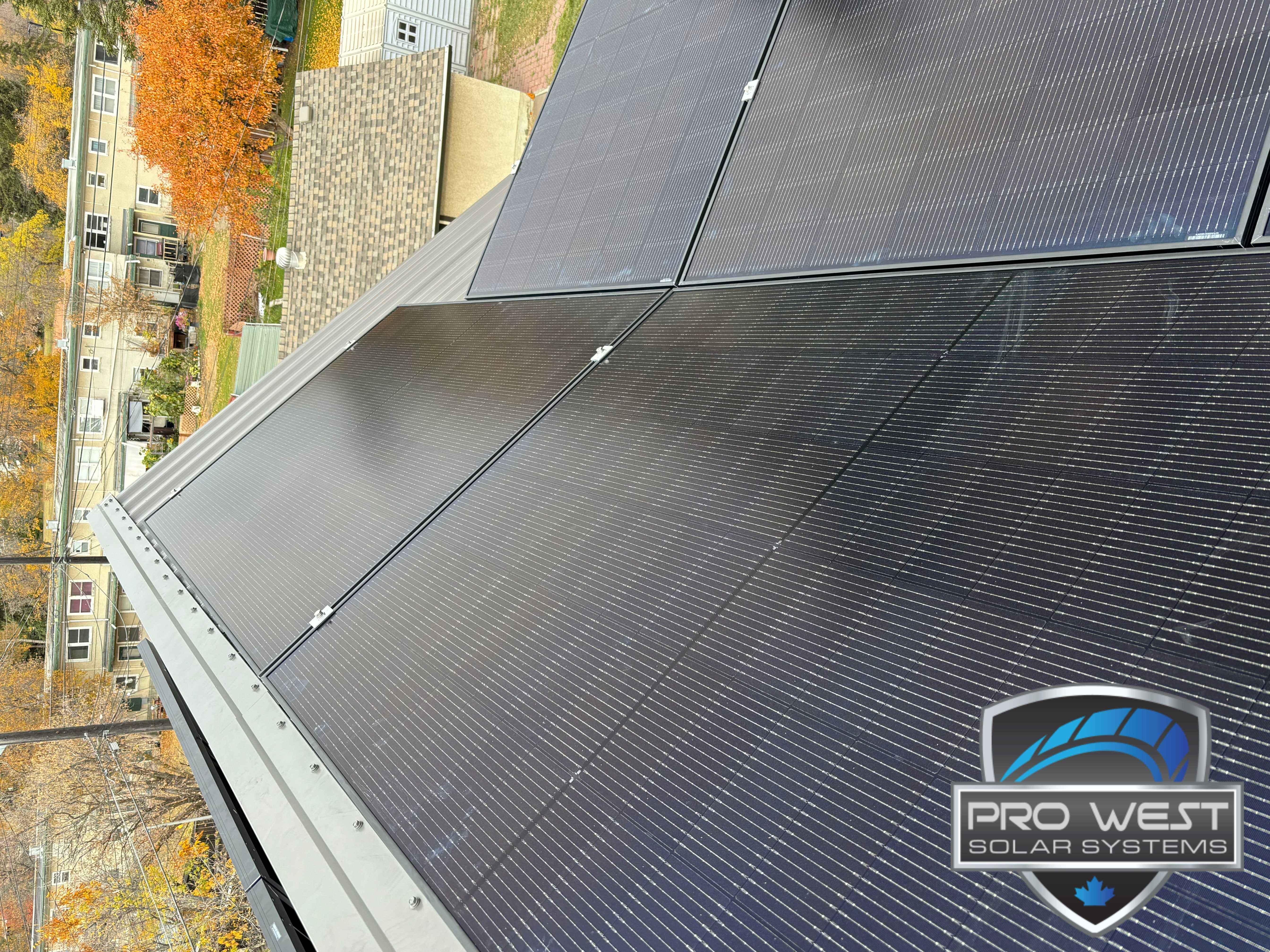
    Seasonal conditions influence Edmonton solar panel installation output throughout the year. Long summer days can produce strong generation, while shorter winter days usually reduce daily production. #Cold_temperatures may support panel efficiency, but snow coverage and shading can temporarily limit output. Learn more about solar panel installation: https://prowestsolar.ca/solar-panel-installation-Edmonton-ab/

    Roof angle, direction, and nearby obstructions should be evaluated before selecting a system. A detailed solar panel installation assessment can identify the right panel layout based on #household_electricity use, available roof space, and sunlight exposure. Explore solar panel energy efficiency: https://nmc-radix.com/can-solar-panel-installation-increase-home-energy-efficiency/

    Homeowners should remember that #solar_production estimates are projections rather than guarantees. Pro West Solar Systems ( https://www.brownbook.net/business/54752327/pro-west-solar-systems ) uses site information, historical sunlight data, and system specifications to create realistic generation estimates that support informed energy decisions.

    Ready to power your home with renewable energy? Connect with trusted Edmonton solar specialists nearby ( https://maps.app.goo.gl/k8RYbitgCwMua6WE7 ) for expert guidance on an efficient system tailored to your property and future energy needs.
    How Much Electricity Can Residential Solar Panels Generate? Before arranging a solar panel installation, #homeowners should review their average electricity consumption and available roof space. A typical 5-kilowatt residential system may produce approximately 4,500 to 6,500 kilowatt-hours annually, although actual results vary by property and local conditions. Residential solar panels can generate a substantial portion of a household’s annual electricity needs. The actual output depends on panel capacity, roof orientation, #sunlight_exposure, shading, weather, and seasonal daylight hours. A properly assessed system can provide measurable long-term energy benefits. Seasonal conditions influence Edmonton solar panel installation output throughout the year. Long summer days can produce strong generation, while shorter winter days usually reduce daily production. #Cold_temperatures may support panel efficiency, but snow coverage and shading can temporarily limit output. Learn more about solar panel installation: https://prowestsolar.ca/solar-panel-installation-Edmonton-ab/ Roof angle, direction, and nearby obstructions should be evaluated before selecting a system. A detailed solar panel installation assessment can identify the right panel layout based on #household_electricity use, available roof space, and sunlight exposure. Explore solar panel energy efficiency: https://nmc-radix.com/can-solar-panel-installation-increase-home-energy-efficiency/ Homeowners should remember that #solar_production estimates are projections rather than guarantees. Pro West Solar Systems ( https://www.brownbook.net/business/54752327/pro-west-solar-systems ) uses site information, historical sunlight data, and system specifications to create realistic generation estimates that support informed energy decisions. Ready to power your home with renewable energy? Connect with trusted Edmonton solar specialists nearby ( https://maps.app.goo.gl/k8RYbitgCwMua6WE7 ) for expert guidance on an efficient system tailored to your property and future energy needs.
    0 Comments 0 Shares
  • What Factors Affect Winter Solar Output in Edmonton?

    Winter solar output in Edmonton is shaped by several environmental and property-specific factors. Shorter days reduce available sunlight hours, while the sun’s lower position can change how much light reaches a rooftop system. However, clear winter skies may still support meaningful electricity generation.

    Roof orientation and panel angle strongly influence solar panel #performance in Edmonton. A south-facing roof with limited shade generally receives more winter sunlight. Nearby trees, buildings, chimneys, and other obstructions can reduce output by blocking direct light at certain times of day. Discover expert solutions for residential solar power: https://ronaldgrantarchive.com/do-solar-panels-perform-well-during-edmonton-winters/

    Snow accumulation may temporarily cover solar panels and limit electricity production. The effect depends on snow depth, panel slope, outdoor temperature, and sunlight exposure. #Pro_West_Solar Systems can evaluate a home’s roof structure and surrounding conditions when planning an appropriate system layout.

    Cold weather itself is not necessarily harmful to solar generation. Photovoltaic modules can operate efficiently in low temperatures when sunlight reaches them. System capacity, equipment quality, and energy-conversion efficiency also affect how much usable electricity reaches the home. Your trusted choice for reliable solar solutions: https://prowestsolar.ca/

    A qualified provider can estimate seasonal production by reviewing historical weather patterns, roof measurements, shading, and household electricity consumption. Homeowners considering solar panels in #Edmonton should focus on expected annual output because stronger spring and summer generation can help balance lower winter production.

    For local guidance on winter solar performance, check the service location on Google Maps ( https://maps.app.goo.gl/k8RYbitgCwMua6WE7 ) and follow the suggested route.
    What Factors Affect Winter Solar Output in Edmonton? Winter solar output in Edmonton is shaped by several environmental and property-specific factors. Shorter days reduce available sunlight hours, while the sun’s lower position can change how much light reaches a rooftop system. However, clear winter skies may still support meaningful electricity generation. Roof orientation and panel angle strongly influence solar panel #performance in Edmonton. A south-facing roof with limited shade generally receives more winter sunlight. Nearby trees, buildings, chimneys, and other obstructions can reduce output by blocking direct light at certain times of day. Discover expert solutions for residential solar power: https://ronaldgrantarchive.com/do-solar-panels-perform-well-during-edmonton-winters/ Snow accumulation may temporarily cover solar panels and limit electricity production. The effect depends on snow depth, panel slope, outdoor temperature, and sunlight exposure. #Pro_West_Solar Systems can evaluate a home’s roof structure and surrounding conditions when planning an appropriate system layout. Cold weather itself is not necessarily harmful to solar generation. Photovoltaic modules can operate efficiently in low temperatures when sunlight reaches them. System capacity, equipment quality, and energy-conversion efficiency also affect how much usable electricity reaches the home. Your trusted choice for reliable solar solutions: https://prowestsolar.ca/ A qualified provider can estimate seasonal production by reviewing historical weather patterns, roof measurements, shading, and household electricity consumption. Homeowners considering solar panels in #Edmonton should focus on expected annual output because stronger spring and summer generation can help balance lower winter production. For local guidance on winter solar performance, check the service location on Google Maps ( https://maps.app.goo.gl/k8RYbitgCwMua6WE7 ) and follow the suggested route.
    0 Comments 0 Shares
  • DC to AC Converters

    https://www.solaruniverse.co.in/products/DC-to-AC-Converters-

    DC to AC converters, commonly known as inverters, are essential devices that convert direct current (DC) electricity from sources like batteries or solar panels into alternating current (AC) power, which is used by most household appliances and electronic devices. These converters play a crucial role in solar energy systems, backup power setups, and mobile applications such as vehicles and RVs, enabling users to run standard AC equipment from DC power sources. Modern inverters are designed with advanced technology to deliver stable and efficient power output, ensuring that sensitive devices like laptops, televisions, and medical equipment operate safely without voltage fluctuations. They are available in different types, including pure sine wave, modified sine wave, and square wave inverters, with pure sine wave models being the most preferred due to their ability to provide clean and consistent power similar to grid electricity. DC to AC converters come in various capacities to suit different energy needs, from small portable units for charging devices to large systems capable of powering entire homes or commercial setups. Many models include built-in safety features such as overload protection, short circuit protection, temperature control, and low battery alarms, enhancing reliability and user safety. Easy to install and operate, these devices are widely used in off-grid solar systems, emergency backup systems, and remote locations where conventional electricity supply is limited. By enabling efficient energy conversion, DC to AC converters provide flexibility, convenience, and uninterrupted power, making them a vital component in modern energy solutions focused on sustainability and reliability.
    DC to AC Converters https://www.solaruniverse.co.in/products/DC-to-AC-Converters- DC to AC converters, commonly known as inverters, are essential devices that convert direct current (DC) electricity from sources like batteries or solar panels into alternating current (AC) power, which is used by most household appliances and electronic devices. These converters play a crucial role in solar energy systems, backup power setups, and mobile applications such as vehicles and RVs, enabling users to run standard AC equipment from DC power sources. Modern inverters are designed with advanced technology to deliver stable and efficient power output, ensuring that sensitive devices like laptops, televisions, and medical equipment operate safely without voltage fluctuations. They are available in different types, including pure sine wave, modified sine wave, and square wave inverters, with pure sine wave models being the most preferred due to their ability to provide clean and consistent power similar to grid electricity. DC to AC converters come in various capacities to suit different energy needs, from small portable units for charging devices to large systems capable of powering entire homes or commercial setups. Many models include built-in safety features such as overload protection, short circuit protection, temperature control, and low battery alarms, enhancing reliability and user safety. Easy to install and operate, these devices are widely used in off-grid solar systems, emergency backup systems, and remote locations where conventional electricity supply is limited. By enabling efficient energy conversion, DC to AC converters provide flexibility, convenience, and uninterrupted power, making them a vital component in modern energy solutions focused on sustainability and reliability.
    0 Comments 0 Shares
  • Solar Street Lights Semi Integrated

    https://www.solaruniverse.co.in/products/Solar-Street-Lights-Semi-Integrated

    Semi-integrated solar street lights are a versatile and efficient lighting solution that combines the benefits of both traditional split solar systems and modern all-in-one designs, making them ideal for streets, highways, residential areas, parking lots, and industrial zones. In this type of system, key components such as the solar panel, LED luminaire, and battery are partially integrated while still allowing some flexibility in positioning, which helps optimize sunlight exposure and overall performance. Typically, the LED light fixture and battery are housed together, while the solar panel may be mounted separately or adjusted for better angle alignment, ensuring maximum solar energy absorption throughout the day. These lights use high-efficiency photovoltaic panels to convert sunlight into electricity, which is stored in durable lithium or gel batteries to provide consistent illumination at night. Equipped with smart controllers, semi-integrated solar street lights often feature automatic dusk-to-dawn operation, motion sensing, and dimming functions to conserve energy and extend battery life. Their design allows for easier maintenance compared to fully integrated units, as individual components can be accessed or replaced without changing the entire system. Built with robust materials such as aluminum alloy and tempered glass, they are engineered to withstand harsh weather conditions including heavy rain, dust, and extreme temperatures, ensuring long-lasting durability. Semi-integrated solar street lights are especially suitable for projects that require higher power output or customized configurations, offering a reliable and eco-friendly alternative to conventional street lighting. By reducing electricity costs and lowering carbon emissions, they support sustainable development while delivering strong, dependable, and efficient outdoor illumination.
    Solar Street Lights Semi Integrated https://www.solaruniverse.co.in/products/Solar-Street-Lights-Semi-Integrated Semi-integrated solar street lights are a versatile and efficient lighting solution that combines the benefits of both traditional split solar systems and modern all-in-one designs, making them ideal for streets, highways, residential areas, parking lots, and industrial zones. In this type of system, key components such as the solar panel, LED luminaire, and battery are partially integrated while still allowing some flexibility in positioning, which helps optimize sunlight exposure and overall performance. Typically, the LED light fixture and battery are housed together, while the solar panel may be mounted separately or adjusted for better angle alignment, ensuring maximum solar energy absorption throughout the day. These lights use high-efficiency photovoltaic panels to convert sunlight into electricity, which is stored in durable lithium or gel batteries to provide consistent illumination at night. Equipped with smart controllers, semi-integrated solar street lights often feature automatic dusk-to-dawn operation, motion sensing, and dimming functions to conserve energy and extend battery life. Their design allows for easier maintenance compared to fully integrated units, as individual components can be accessed or replaced without changing the entire system. Built with robust materials such as aluminum alloy and tempered glass, they are engineered to withstand harsh weather conditions including heavy rain, dust, and extreme temperatures, ensuring long-lasting durability. Semi-integrated solar street lights are especially suitable for projects that require higher power output or customized configurations, offering a reliable and eco-friendly alternative to conventional street lighting. By reducing electricity costs and lowering carbon emissions, they support sustainable development while delivering strong, dependable, and efficient outdoor illumination.
    0 Comments 0 Shares
  • Lithium Ferrous Phosphate Batteries

    https://www.solaruniverse.co.in/products/Lithium-Ferrous-Phosphate-Batteries

    Lithium Ferrous Phosphate (LiFePO4) batteries are advanced energy storage solutions widely used in solar power systems, electric vehicles, backup power systems, and portable energy applications due to their high safety, long lifespan, and superior performance compared to traditional lead-acid batteries. These batteries use lithium iron phosphate as the cathode material, which provides excellent thermal and chemical stability, making them less prone to overheating, fire, or explosion. One of the biggest advantages of LiFePO4 batteries is their long cycle life, often lasting over 4000–6000 charge cycles, which means they can operate efficiently for many years with minimal maintenance. They offer high energy efficiency, faster charging, and deeper discharge capabilities, allowing users to utilize more stored energy without damaging the battery. Unlike lead-acid batteries, lithium ferrous phosphate batteries are lightweight, compact, and environmentally friendly, as they do not contain harmful heavy metals or toxic chemicals. They also provide consistent power output and maintain stable voltage levels even during heavy loads, making them ideal for solar energy storage and uninterrupted power supply systems. Built-in Battery Management Systems (BMS) further enhance safety by monitoring temperature, voltage, and current, preventing overcharging, short circuits, and deep discharges. LiFePO4 batteries perform well in a wide range of temperatures and require little to no maintenance, reducing long-term operational costs. Their reliability and durability make them suitable for residential solar systems, commercial energy storage, telecom towers, marine applications, and off-grid installations. As the demand for renewable energy and energy independence grows, lithium ferrous phosphate batteries are becoming the preferred choice for efficient, safe, and sustainable energy storage, helping households and businesses reduce electricity costs and carbon footprints while ensuring a dependable power supply.
    Lithium Ferrous Phosphate Batteries https://www.solaruniverse.co.in/products/Lithium-Ferrous-Phosphate-Batteries Lithium Ferrous Phosphate (LiFePO4) batteries are advanced energy storage solutions widely used in solar power systems, electric vehicles, backup power systems, and portable energy applications due to their high safety, long lifespan, and superior performance compared to traditional lead-acid batteries. These batteries use lithium iron phosphate as the cathode material, which provides excellent thermal and chemical stability, making them less prone to overheating, fire, or explosion. One of the biggest advantages of LiFePO4 batteries is their long cycle life, often lasting over 4000–6000 charge cycles, which means they can operate efficiently for many years with minimal maintenance. They offer high energy efficiency, faster charging, and deeper discharge capabilities, allowing users to utilize more stored energy without damaging the battery. Unlike lead-acid batteries, lithium ferrous phosphate batteries are lightweight, compact, and environmentally friendly, as they do not contain harmful heavy metals or toxic chemicals. They also provide consistent power output and maintain stable voltage levels even during heavy loads, making them ideal for solar energy storage and uninterrupted power supply systems. Built-in Battery Management Systems (BMS) further enhance safety by monitoring temperature, voltage, and current, preventing overcharging, short circuits, and deep discharges. LiFePO4 batteries perform well in a wide range of temperatures and require little to no maintenance, reducing long-term operational costs. Their reliability and durability make them suitable for residential solar systems, commercial energy storage, telecom towers, marine applications, and off-grid installations. As the demand for renewable energy and energy independence grows, lithium ferrous phosphate batteries are becoming the preferred choice for efficient, safe, and sustainable energy storage, helping households and businesses reduce electricity costs and carbon footprints while ensuring a dependable power supply.
    0 Comments 0 Shares
  • Solar Charge Controllers

    https://www.solaruniverse.co.in/products/Solar-Charge-Controllers

    A solar charge controller is an essential device in any solar power system that regulates the flow of electricity from solar panels to batteries, ensuring safe and efficient charging while protecting the battery from overcharging, deep discharging, and voltage fluctuations. Without a charge controller, batteries can become damaged due to excessive charging during peak sunlight hours or drained beyond safe levels during periods of low sunlight, significantly reducing their lifespan and performance. Solar charge controllers act as intelligent regulators that monitor battery voltage, current, and temperature to maintain optimal charging conditions, thereby improving the overall efficiency and reliability of the solar energy system. There are two main types of solar charge controllers: PWM (Pulse Width Modulation) and MPPT (Maximum Power Point Tracking). PWM controllers are cost-effective and suitable for small solar setups, while MPPT controllers are more advanced and capable of extracting maximum power from solar panels by adjusting the voltage and current to match the battery’s requirements, resulting in higher efficiency and faster charging. Modern solar charge controllers also come with smart features such as LCD displays, mobile app connectivity, and real-time monitoring, allowing users to track system performance, battery status, and energy production easily. They play a critical role in extending battery life, reducing maintenance costs, and ensuring consistent power availability in off-grid, hybrid, and grid-tied solar systems. Solar charge controllers are widely used in homes, farms, telecom towers, street lighting, and remote areas where reliable electricity access is limited. By stabilizing power flow and preventing electrical damage, these devices help improve the safety and durability of solar installations. With the growing adoption of renewable energy, solar charge controllers have become a vital component in achieving efficient energy storage, maximizing solar energy utilization, and supporting sustainable, eco-friendly power solutions for both residential and commercial applications.
    Solar Charge Controllers https://www.solaruniverse.co.in/products/Solar-Charge-Controllers A solar charge controller is an essential device in any solar power system that regulates the flow of electricity from solar panels to batteries, ensuring safe and efficient charging while protecting the battery from overcharging, deep discharging, and voltage fluctuations. Without a charge controller, batteries can become damaged due to excessive charging during peak sunlight hours or drained beyond safe levels during periods of low sunlight, significantly reducing their lifespan and performance. Solar charge controllers act as intelligent regulators that monitor battery voltage, current, and temperature to maintain optimal charging conditions, thereby improving the overall efficiency and reliability of the solar energy system. There are two main types of solar charge controllers: PWM (Pulse Width Modulation) and MPPT (Maximum Power Point Tracking). PWM controllers are cost-effective and suitable for small solar setups, while MPPT controllers are more advanced and capable of extracting maximum power from solar panels by adjusting the voltage and current to match the battery’s requirements, resulting in higher efficiency and faster charging. Modern solar charge controllers also come with smart features such as LCD displays, mobile app connectivity, and real-time monitoring, allowing users to track system performance, battery status, and energy production easily. They play a critical role in extending battery life, reducing maintenance costs, and ensuring consistent power availability in off-grid, hybrid, and grid-tied solar systems. Solar charge controllers are widely used in homes, farms, telecom towers, street lighting, and remote areas where reliable electricity access is limited. By stabilizing power flow and preventing electrical damage, these devices help improve the safety and durability of solar installations. With the growing adoption of renewable energy, solar charge controllers have become a vital component in achieving efficient energy storage, maximizing solar energy utilization, and supporting sustainable, eco-friendly power solutions for both residential and commercial applications.
    0 Comments 0 Shares
No data to show
No data to show
No data to show
No data to show
No data to show