
- Male
- 16/10/1998
- Followed by 1 people
Recent Updates
- Zero Trust Security in 2026: Why Audit Readiness Is Becoming Essential
Zero Trust has evolved from a cybersecurity strategy into a broader enterprise security framework. Organizations are increasingly adopting principles such as least privilege, continuous verification, identity-based access, segmentation, and continuous monitoring to reduce cyber risk.
But as Zero Trust implementations mature, another challenge is emerging: proving that those controls actually work.
In 2026, Zero Trust security is increasingly connected to audit readiness. Security teams are being asked not only whether Zero Trust policies exist, but whether organizations can demonstrate that controls are consistently implemented, monitored, and enforced.
Zero Trust Is Moving From Policy to Proof
A Zero Trust policy may state that users should receive only the access required for their roles.
An auditor, however, may ask for evidence.
Who has access?
Why do they have it?
When was access last reviewed?
Was inappropriate access removed?
Can the organization demonstrate that privileged accounts are continuously controlled?
This creates a distinction between having a Zero Trust strategy and being able to prove Zero Trust controls are operating effectively.
Why Identity Is Central to Audit Readiness
Identity is one of the foundations of Zero Trust.
Organizations increasingly need to demonstrate that authentication and authorization controls are consistently applied across users, applications, devices, and privileged accounts.
Important evidence can include:
MFA enforcement
Access review records
Privileged account activity
User provisioning and deprovisioning
Role-based access controls
Authentication logs
Exceptions and remediation records
Evidence of least-privilege enforcement
A policy document alone does not demonstrate that these controls are working.
Continuous Verification Creates Continuous Evidence
Traditional security assessments often rely on periodic reviews. Zero Trust takes a more continuous approach.
Access decisions can depend on identity, device posture, location, application sensitivity, risk signals, and other contextual factors.
This creates an opportunity for organizations to build an evidence trail around security decisions.
Instead of asking whether an access policy existed six months ago, security teams can demonstrate how access was evaluated and controlled over time.
The Problem With Control Gaps
A common challenge is the difference between configured controls and effective controls.
For example, an organization may have an MFA policy but discover that certain applications, legacy systems, service accounts, or privileged users are excluded.
Similarly, an organization may have a least-privilege policy while maintaining hundreds of excessive permissions that have not been reviewed.
These gaps can become particularly important during security assessments.
Audit readiness therefore requires organizations to identify exceptions and demonstrate how those exceptions are managed.
Building Evidence Into Zero Trust
Organizations should design their Zero Trust programs with evidence collection in mind.
Security teams should establish processes for documenting:
Access Decisions
Maintain records showing why users, applications, and service accounts receive specific permissions.
Access Reviews
Regularly review privileged and sensitive access and document remediation activities.
Authentication Controls
Track MFA coverage, authentication events, exceptions, and policy enforcement.
Device and Endpoint Trust
Maintain evidence showing how device security posture influences access decisions where applicable.
Segmentation
Document network and application segmentation and demonstrate that controls are being maintained.
Incident Response
Maintain records showing how suspicious identities or devices are investigated and restricted.
Zero Trust and Compliance Are Closely Connected
Zero Trust is not itself a compliance framework. However, many of its principles support broader security and regulatory requirements.
Strong identity controls, least privilege, access reviews, logging, monitoring, and segmentation can contribute to evidence required across various security and compliance programs.
This makes Zero Trust particularly valuable when security teams design controls that can satisfy both operational security objectives and assurance requirements.
How CISOs Can Improve Audit Readiness
Security leaders should consider several practical steps:
Map Zero Trust controls to business risks and applicable requirements.
Identify gaps between written policies and actual configurations.
Automate evidence collection wherever possible.
Monitor privileged and sensitive access continuously.
Track exceptions and remediation activities.
Perform regular access reviews.
Maintain centralized security logs and evidence repositories.
Test whether controls operate as intended rather than simply checking whether they exist.
The objective is to make audit evidence a natural byproduct of security operations rather than a last-minute documentation exercise.
The Shift Toward Measurable Zero Trust
The future of Zero Trust is increasingly measurable.
Security leaders need to know not just whether Zero Trust principles have been adopted, but whether they are reducing unnecessary access, improving visibility, and limiting exposure.
Metrics can include MFA coverage, privileged access reduction, access-review completion, policy exceptions, remediation time, and the percentage of critical applications operating under Zero Trust controls.
These measurements help transform Zero Trust from a strategic concept into an operational security program.
Conclusion
Zero Trust security in 2026 is increasingly about more than implementing identity controls and least-privilege policies. Organizations must also demonstrate that those controls are consistently enforced and effective.
As audit and assurance expectations become more evidence-driven, security teams that can connect policy, configuration, enforcement, monitoring, and evidence will be better prepared.
The key shift is simple: Zero Trust should not only be implemented—it should be continuously demonstrable.
Read More- https://cybertechintelligence.com/newsletter/zero-trust-security-audit-priority
About Cyber Tech Intelligence
Cyber Tech Intelligence is a leading cybersecurity intelligence platform dedicated to delivering research-driven insights, threat intelligence, and strategic analysis across the evolving cybersecurity landscape. We help enterprises, CISOs, technology leaders, and cybersecurity vendors navigate emerging threats, security technologies, and business risks with confidence. Our expertise spans AI Security, Threat Intelligence, Cloud Security, Identity Security, Zero Trust, SIEM, XDR, DevSecOps, Application Security, and Enterprise Cyber Resilience. Through independent research, executive engagement, and market intelligence, we provide actionable insights that support informed decision-making and stronger security outcomes.
At Cyber Tech Intelligence, we believe effective cybersecurity strategies are built on trusted intelligence, transparency, and strategic relevance. Our services include cybersecurity research reports, threat trend analysis, executive briefings, vendor intelligence, CISO engagement programs, webinars, and advisory services designed to help organizations stay resilient in a rapidly changing threat environment. Whether you are looking for strategic cybersecurity insights, partnership opportunities, or expert guidance, our team is ready to help. Contact Us to connect with our cybersecurity experts and learn how we can support your organization’s security goals.
Zero Trust Security in 2026: Why Audit Readiness Is Becoming Essential Zero Trust has evolved from a cybersecurity strategy into a broader enterprise security framework. Organizations are increasingly adopting principles such as least privilege, continuous verification, identity-based access, segmentation, and continuous monitoring to reduce cyber risk. But as Zero Trust implementations mature, another challenge is emerging: proving that those controls actually work. In 2026, Zero Trust security is increasingly connected to audit readiness. Security teams are being asked not only whether Zero Trust policies exist, but whether organizations can demonstrate that controls are consistently implemented, monitored, and enforced. Zero Trust Is Moving From Policy to Proof A Zero Trust policy may state that users should receive only the access required for their roles. An auditor, however, may ask for evidence. Who has access? Why do they have it? When was access last reviewed? Was inappropriate access removed? Can the organization demonstrate that privileged accounts are continuously controlled? This creates a distinction between having a Zero Trust strategy and being able to prove Zero Trust controls are operating effectively. Why Identity Is Central to Audit Readiness Identity is one of the foundations of Zero Trust. Organizations increasingly need to demonstrate that authentication and authorization controls are consistently applied across users, applications, devices, and privileged accounts. Important evidence can include: MFA enforcement Access review records Privileged account activity User provisioning and deprovisioning Role-based access controls Authentication logs Exceptions and remediation records Evidence of least-privilege enforcement A policy document alone does not demonstrate that these controls are working. Continuous Verification Creates Continuous Evidence Traditional security assessments often rely on periodic reviews. Zero Trust takes a more continuous approach. Access decisions can depend on identity, device posture, location, application sensitivity, risk signals, and other contextual factors. This creates an opportunity for organizations to build an evidence trail around security decisions. Instead of asking whether an access policy existed six months ago, security teams can demonstrate how access was evaluated and controlled over time. The Problem With Control Gaps A common challenge is the difference between configured controls and effective controls. For example, an organization may have an MFA policy but discover that certain applications, legacy systems, service accounts, or privileged users are excluded. Similarly, an organization may have a least-privilege policy while maintaining hundreds of excessive permissions that have not been reviewed. These gaps can become particularly important during security assessments. Audit readiness therefore requires organizations to identify exceptions and demonstrate how those exceptions are managed. Building Evidence Into Zero Trust Organizations should design their Zero Trust programs with evidence collection in mind. Security teams should establish processes for documenting: Access Decisions Maintain records showing why users, applications, and service accounts receive specific permissions. Access Reviews Regularly review privileged and sensitive access and document remediation activities. Authentication Controls Track MFA coverage, authentication events, exceptions, and policy enforcement. Device and Endpoint Trust Maintain evidence showing how device security posture influences access decisions where applicable. Segmentation Document network and application segmentation and demonstrate that controls are being maintained. Incident Response Maintain records showing how suspicious identities or devices are investigated and restricted. Zero Trust and Compliance Are Closely Connected Zero Trust is not itself a compliance framework. However, many of its principles support broader security and regulatory requirements. Strong identity controls, least privilege, access reviews, logging, monitoring, and segmentation can contribute to evidence required across various security and compliance programs. This makes Zero Trust particularly valuable when security teams design controls that can satisfy both operational security objectives and assurance requirements. How CISOs Can Improve Audit Readiness Security leaders should consider several practical steps: Map Zero Trust controls to business risks and applicable requirements. Identify gaps between written policies and actual configurations. Automate evidence collection wherever possible. Monitor privileged and sensitive access continuously. Track exceptions and remediation activities. Perform regular access reviews. Maintain centralized security logs and evidence repositories. Test whether controls operate as intended rather than simply checking whether they exist. The objective is to make audit evidence a natural byproduct of security operations rather than a last-minute documentation exercise. The Shift Toward Measurable Zero Trust The future of Zero Trust is increasingly measurable. Security leaders need to know not just whether Zero Trust principles have been adopted, but whether they are reducing unnecessary access, improving visibility, and limiting exposure. Metrics can include MFA coverage, privileged access reduction, access-review completion, policy exceptions, remediation time, and the percentage of critical applications operating under Zero Trust controls. These measurements help transform Zero Trust from a strategic concept into an operational security program. Conclusion Zero Trust security in 2026 is increasingly about more than implementing identity controls and least-privilege policies. Organizations must also demonstrate that those controls are consistently enforced and effective. As audit and assurance expectations become more evidence-driven, security teams that can connect policy, configuration, enforcement, monitoring, and evidence will be better prepared. The key shift is simple: Zero Trust should not only be implemented—it should be continuously demonstrable. Read More- https://cybertechintelligence.com/newsletter/zero-trust-security-audit-priority About Cyber Tech Intelligence Cyber Tech Intelligence is a leading cybersecurity intelligence platform dedicated to delivering research-driven insights, threat intelligence, and strategic analysis across the evolving cybersecurity landscape. We help enterprises, CISOs, technology leaders, and cybersecurity vendors navigate emerging threats, security technologies, and business risks with confidence. Our expertise spans AI Security, Threat Intelligence, Cloud Security, Identity Security, Zero Trust, SIEM, XDR, DevSecOps, Application Security, and Enterprise Cyber Resilience. Through independent research, executive engagement, and market intelligence, we provide actionable insights that support informed decision-making and stronger security outcomes. At Cyber Tech Intelligence, we believe effective cybersecurity strategies are built on trusted intelligence, transparency, and strategic relevance. Our services include cybersecurity research reports, threat trend analysis, executive briefings, vendor intelligence, CISO engagement programs, webinars, and advisory services designed to help organizations stay resilient in a rapidly changing threat environment. Whether you are looking for strategic cybersecurity insights, partnership opportunities, or expert guidance, our team is ready to help. Contact Us to connect with our cybersecurity experts and learn how we can support your organization’s security goals.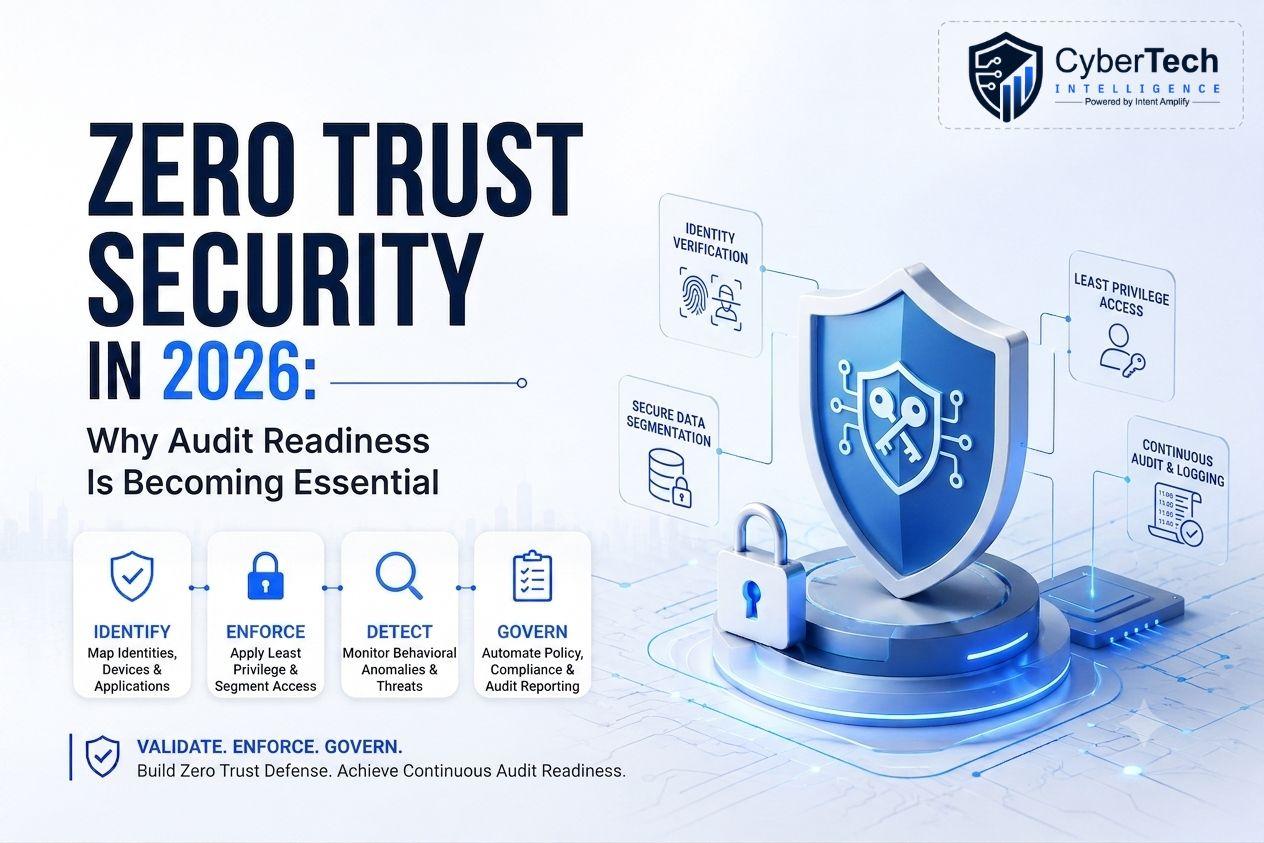 0 Comments 0 Shares
 - AI Security Intelligence Brief: The Week’s Most Important Threats
Artificial intelligence is rapidly becoming part of enterprise technology stacks, security operations, software development, customer services, and business decision-making. While AI creates significant opportunities, its rapid adoption is also introducing new cybersecurity risks.
The AI Security Intelligence Brief provides a focused view of the most important AI security threats, vulnerabilities, attack techniques, and emerging risks that organizations should monitor.
AI Attack Surfaces Are Expanding
AI systems are no longer isolated experiments. Organizations are integrating large language models (LLMs), AI assistants, machine learning platforms, autonomous agents, and third-party AI services into business workflows.
This creates new attack surfaces involving models, prompts, APIs, identities, data, plugins, integrations, and infrastructure.
Security teams must therefore consider not only whether an AI model is secure, but also how the surrounding ecosystem can be exploited.
Prompt Injection Remains a Key Concern
Prompt injection continues to represent an important AI security challenge. Attackers can craft malicious instructions designed to manipulate an AI system into ignoring intended controls or performing unintended actions.
The risk becomes greater when AI systems have access to enterprise data or external tools.
An AI agent with permission to retrieve documents, interact with applications, or execute workflows could potentially turn a successful prompt manipulation into a broader security incident.
Organizations should treat AI instructions and external content as potentially untrusted inputs.
AI-Powered Social Engineering Is Increasingly Sophisticated
Generative AI can make phishing and social engineering campaigns more convincing.
Attackers can generate highly personalized messages, create realistic business communications, and adapt content to specific targets. This can make traditional indicators of phishing more difficult for employees to recognize.
Security awareness programs therefore need to evolve alongside AI-enabled attack techniques.
Organizations should combine employee education with strong authentication, email security, identity protection, and behavioral monitoring.
AI Systems Can Create New Data Security Risks
AI applications frequently require access to corporate information to provide useful responses. This introduces questions about what data an AI system can access, where that information is processed, and who can retrieve it.
Potential risks include:
Sensitive data exposure
Excessive AI application permissions
Unauthorized data retrieval
Insecure third-party AI integrations
Poorly governed enterprise AI tools
Accidental disclosure through prompts
Organizations should establish clear policies for what information employees and AI applications are permitted to access.
AI Agents Introduce Additional Security Challenges
The evolution from conversational AI to autonomous AI agents is creating another important security consideration.
AI agents may be capable of taking actions rather than simply generating responses. Depending on their design, they may interact with databases, applications, APIs, or business workflows.
This increases the importance of:
Least-privilege permissions
Strong authentication
Tool access controls
Action logging
Human approval for high-risk actions
Continuous monitoring
An AI agent should have only the access required for its specific function.
The Importance of AI Security Monitoring
AI security cannot depend entirely on predeployment testing. Models, applications, integrations, permissions, and threats can change over time.
Security teams should continuously monitor AI environments for unusual behavior, unexpected data access, unauthorized integrations, and changes in permissions.
AI security should also be incorporated into existing security operations rather than treated as a completely separate discipline.
What Security Leaders Should Watch
Organizations should closely monitor several areas of AI security:
Model Security: Vulnerabilities and weaknesses affecting AI models and applications.
Identity: Accounts, credentials, and permissions associated with AI systems.
Data: Sensitive information accessed, processed, or generated by AI applications.
Integrations: APIs, plugins, tools, and external services connected to AI systems.
Agents: Autonomous systems capable of taking actions on behalf of users.
Threat Activity: Emerging attack techniques targeting AI-enabled environments.
Building a Stronger AI Security Strategy
Organizations can reduce AI-related risks by establishing governance before expanding AI adoption.
Security leaders should:
Maintain an inventory of approved AI applications.
Define acceptable AI data usage policies.
Apply least privilege to AI services and agents.
Monitor AI-related identities and integrations.
Test applications for prompt injection and other AI-specific threats.
Protect sensitive information from unauthorized AI access.
Establish incident response procedures for AI-related security events.
Continuously reassess AI risks as technologies evolve.
Conclusion
AI security is becoming a core enterprise cybersecurity priority as organizations rapidly integrate AI into business operations.
The most important risks are not limited to vulnerabilities within AI models themselves. Attackers can target identities, data, integrations, prompts, APIs, and autonomous agents surrounding those models.
A strong AI Security Intelligence program helps organizations stay ahead of these evolving risks by continuously tracking emerging threats, understanding new attack techniques, and translating developments into actionable security priorities.
For security leaders, the objective is clear: adopt AI responsibly while ensuring that increased automation does not create unmanaged pathways into critical business systems and data.
About Cyber Tech Intelligence
Cyber Tech Intelligence is a leading cybersecurity intelligence platform dedicated to delivering research-driven insights, threat intelligence, and strategic analysis across the evolving cybersecurity landscape. We help enterprises, CISOs, technology leaders, and cybersecurity vendors navigate emerging threats, security technologies, and business risks with confidence. Our expertise spans AI Security, Threat Intelligence, Cloud Security, Identity Security, Zero Trust, SIEM, XDR, DevSecOps, Application Security, and Enterprise Cyber Resilience. Through independent research, executive engagement, and market intelligence, we provide actionable insights that support informed decision-making and stronger security outcomes.
At Cyber Tech Intelligence, we believe effective cybersecurity strategies are built on trusted intelligence, transparency, and strategic relevance. Our services include cybersecurity research reports, threat trend analysis, executive briefings, vendor intelligence, CISO engagement programs, webinars, and advisory services designed to help organizations stay resilient in a rapidly changing threat environment. Whether you are looking for strategic cybersecurity insights, partnership opportunities, or expert guidance, our team is ready to help. Contact Us to connect with our cybersecurity experts and learn how we can support your organization’s security goals.
AI Security Intelligence Brief: The Week’s Most Important Threats Artificial intelligence is rapidly becoming part of enterprise technology stacks, security operations, software development, customer services, and business decision-making. While AI creates significant opportunities, its rapid adoption is also introducing new cybersecurity risks. The AI Security Intelligence Brief provides a focused view of the most important AI security threats, vulnerabilities, attack techniques, and emerging risks that organizations should monitor. AI Attack Surfaces Are Expanding AI systems are no longer isolated experiments. Organizations are integrating large language models (LLMs), AI assistants, machine learning platforms, autonomous agents, and third-party AI services into business workflows. This creates new attack surfaces involving models, prompts, APIs, identities, data, plugins, integrations, and infrastructure. Security teams must therefore consider not only whether an AI model is secure, but also how the surrounding ecosystem can be exploited. Prompt Injection Remains a Key Concern Prompt injection continues to represent an important AI security challenge. Attackers can craft malicious instructions designed to manipulate an AI system into ignoring intended controls or performing unintended actions. The risk becomes greater when AI systems have access to enterprise data or external tools. An AI agent with permission to retrieve documents, interact with applications, or execute workflows could potentially turn a successful prompt manipulation into a broader security incident. Organizations should treat AI instructions and external content as potentially untrusted inputs. AI-Powered Social Engineering Is Increasingly Sophisticated Generative AI can make phishing and social engineering campaigns more convincing. Attackers can generate highly personalized messages, create realistic business communications, and adapt content to specific targets. This can make traditional indicators of phishing more difficult for employees to recognize. Security awareness programs therefore need to evolve alongside AI-enabled attack techniques. Organizations should combine employee education with strong authentication, email security, identity protection, and behavioral monitoring. AI Systems Can Create New Data Security Risks AI applications frequently require access to corporate information to provide useful responses. This introduces questions about what data an AI system can access, where that information is processed, and who can retrieve it. Potential risks include: Sensitive data exposure Excessive AI application permissions Unauthorized data retrieval Insecure third-party AI integrations Poorly governed enterprise AI tools Accidental disclosure through prompts Organizations should establish clear policies for what information employees and AI applications are permitted to access. AI Agents Introduce Additional Security Challenges The evolution from conversational AI to autonomous AI agents is creating another important security consideration. AI agents may be capable of taking actions rather than simply generating responses. Depending on their design, they may interact with databases, applications, APIs, or business workflows. This increases the importance of: Least-privilege permissions Strong authentication Tool access controls Action logging Human approval for high-risk actions Continuous monitoring An AI agent should have only the access required for its specific function. The Importance of AI Security Monitoring AI security cannot depend entirely on predeployment testing. Models, applications, integrations, permissions, and threats can change over time. Security teams should continuously monitor AI environments for unusual behavior, unexpected data access, unauthorized integrations, and changes in permissions. AI security should also be incorporated into existing security operations rather than treated as a completely separate discipline. What Security Leaders Should Watch Organizations should closely monitor several areas of AI security: Model Security: Vulnerabilities and weaknesses affecting AI models and applications. Identity: Accounts, credentials, and permissions associated with AI systems. Data: Sensitive information accessed, processed, or generated by AI applications. Integrations: APIs, plugins, tools, and external services connected to AI systems. Agents: Autonomous systems capable of taking actions on behalf of users. Threat Activity: Emerging attack techniques targeting AI-enabled environments. Building a Stronger AI Security Strategy Organizations can reduce AI-related risks by establishing governance before expanding AI adoption. Security leaders should: Maintain an inventory of approved AI applications. Define acceptable AI data usage policies. Apply least privilege to AI services and agents. Monitor AI-related identities and integrations. Test applications for prompt injection and other AI-specific threats. Protect sensitive information from unauthorized AI access. Establish incident response procedures for AI-related security events. Continuously reassess AI risks as technologies evolve. Conclusion AI security is becoming a core enterprise cybersecurity priority as organizations rapidly integrate AI into business operations. The most important risks are not limited to vulnerabilities within AI models themselves. Attackers can target identities, data, integrations, prompts, APIs, and autonomous agents surrounding those models. A strong AI Security Intelligence program helps organizations stay ahead of these evolving risks by continuously tracking emerging threats, understanding new attack techniques, and translating developments into actionable security priorities. For security leaders, the objective is clear: adopt AI responsibly while ensuring that increased automation does not create unmanaged pathways into critical business systems and data. About Cyber Tech Intelligence Cyber Tech Intelligence is a leading cybersecurity intelligence platform dedicated to delivering research-driven insights, threat intelligence, and strategic analysis across the evolving cybersecurity landscape. We help enterprises, CISOs, technology leaders, and cybersecurity vendors navigate emerging threats, security technologies, and business risks with confidence. Our expertise spans AI Security, Threat Intelligence, Cloud Security, Identity Security, Zero Trust, SIEM, XDR, DevSecOps, Application Security, and Enterprise Cyber Resilience. Through independent research, executive engagement, and market intelligence, we provide actionable insights that support informed decision-making and stronger security outcomes. At Cyber Tech Intelligence, we believe effective cybersecurity strategies are built on trusted intelligence, transparency, and strategic relevance. Our services include cybersecurity research reports, threat trend analysis, executive briefings, vendor intelligence, CISO engagement programs, webinars, and advisory services designed to help organizations stay resilient in a rapidly changing threat environment. Whether you are looking for strategic cybersecurity insights, partnership opportunities, or expert guidance, our team is ready to help. Contact Us to connect with our cybersecurity experts and learn how we can support your organization’s security goals.0 Comments 0 Shares - OT Security in 2026: Defending Critical Infrastructure Against Long-Term Cyber Threats
Operational technology (OT) environments are becoming increasingly important targets for sophisticated cyber adversaries. Energy facilities, manufacturing plants, transportation systems, water utilities, and other critical infrastructure depend on OT systems to maintain essential operations.
Unlike conventional IT attacks that may focus on immediate financial gain, some adversaries can pursue long-term access to strategically important environments. This makes OT security in 2026 increasingly focused on identifying persistent threats, reducing exposure, and building resilience against attackers who may remain undetected for extended periods.
Why Long-Term OT Threats Matter
OT environments often contain systems that operate for many years. Industrial equipment, control systems, engineering workstations, and specialized infrastructure cannot always be replaced or patched as quickly as conventional IT assets.
At the same time, industrial environments are becoming more connected. Remote maintenance, cloud monitoring, IT-OT integration, connected sensors, and third-party access have improved operational efficiency but also created additional pathways for attackers.
An adversary does not necessarily need to disrupt an industrial process immediately. Establishing access, understanding the environment, identifying critical systems, and maintaining persistence can create strategic opportunities for future disruption or espionage.
The Expanding OT Attack Surface
The modern OT environment extends beyond the physical plant. It can include corporate networks, remote-access infrastructure, engineering workstations, industrial controllers, vendor connections, cloud platforms, and connected devices.
Potential security weaknesses include:
Internet-exposed OT systems
Unsecured remote-access services
Weak or shared credentials
Excessive vendor privileges
Legacy systems with limited security capabilities
Poorly segmented IT and OT networks
Unmonitored connections between industrial environments
Each connection can potentially create another pathway into critical operations.
From Initial Access to Long-Term Persistence
A sophisticated attack against an OT environment may develop over several stages. An attacker could initially compromise an employee account, vendor connection, or IT system before attempting to identify pathways toward operational networks.
Once access is obtained, the attacker may conduct reconnaissance to understand the organization's infrastructure and identify valuable systems.
This makes detection of abnormal behavior just as important as preventing initial access.
Security teams should look for unusual authentication activity, unexpected remote connections, unauthorized changes, abnormal network communication, and other deviations from established operational baselines.
Why IT-Only Security Is Not Enough
Traditional IT security controls remain essential, but OT environments require additional considerations.
Industrial systems prioritize availability, safety, reliability, and predictable operation. Security controls must therefore be deployed carefully to avoid disrupting production or creating operational hazards.
Effective OT cybersecurity requires collaboration between:
Security teams
OT engineers
Network administrators
Plant operators
Infrastructure teams
Third-party vendors
This collaboration helps organizations understand which systems are critical and which security measures can be safely implemented.
Building a Long-Term OT Security Strategy
Organizations should adopt a layered approach to protect critical infrastructure from persistent cyber threats.
Maintain Complete Asset Visibility
Organizations should maintain an accurate inventory of OT devices, communication paths, remote connections, and critical systems. Visibility helps security teams understand where vulnerabilities and unnecessary exposure exist.
Segment Critical Systems
Strong segmentation can limit lateral movement between corporate IT and operational environments. Critical systems should be isolated according to operational requirements and risk.
Secure Remote Access
Remote access should use strong authentication, least-privilege controls, and continuous monitoring. Vendor access should be regularly reviewed and removed when no longer required.
Monitor Continuously
Continuous monitoring can help identify unusual network behavior and suspicious activity that may indicate an attacker attempting to establish or maintain persistence.
Prepare for Recovery
Organizations should maintain tested incident response and recovery procedures. Backups, recovery priorities, emergency communication processes, and OT-specific response plans should be tested before a major incident occurs.
Preparing for Adversaries With a Long-Term Strategy
The most challenging OT threats may not always produce immediate warning signs. An adversary could spend considerable time gathering intelligence, identifying weaknesses, and establishing access before attempting disruption.
Organizations therefore need to think beyond preventing a single intrusion.
A resilient OT security strategy should assume that attackers may attempt to remain hidden and should combine asset visibility, network segmentation, identity security, continuous monitoring, vulnerability management, third-party governance, and recovery planning.
Conclusion
Critical infrastructure organizations face a changing cyber threat landscape as OT environments become more connected and strategically valuable. Long-term cyber threats require security teams to think beyond immediate incident prevention and focus on continuous visibility, detection, resilience, and recovery.
In 2026, defending OT environments means preparing not only for attacks that happen today, but also for adversaries who may be planning their next move months or years ahead. Organizations that build security into their operational resilience strategy will be better positioned to protect essential systems, limit disruption, and maintain continuity when sophisticated threats emerge.
READ MORE- https://cybertechintelligence.com/newsletter/ot-security-2026-adversaries-plan-years-ahead
About Cyber Tech Intelligence
Cyber Tech Intelligence is a leading cybersecurity intelligence platform dedicated to delivering research-driven insights, threat intelligence, and strategic analysis across the evolving cybersecurity landscape. We help enterprises, CISOs, technology leaders, and cybersecurity vendors navigate emerging threats, security technologies, and business risks with confidence. Our expertise spans AI Security, Threat Intelligence, Cloud Security, Identity Security, Zero Trust, SIEM, XDR, DevSecOps, Application Security, and Enterprise Cyber Resilience. Through independent research, executive engagement, and market intelligence, we provide actionable insights that support informed decision-making and stronger security outcomes.
At Cyber Tech Intelligence, we believe effective cybersecurity strategies are built on trusted intelligence, transparency, and strategic relevance. Our services include cybersecurity research reports, threat trend analysis, executive briefings, vendor intelligence, CISO engagement programs, webinars, and advisory services designed to help organizations stay resilient in a rapidly changing threat environment. Whether you are looking for strategic cybersecurity insights, partnership opportunities, or expert guidance, our team is ready to help. Contact Us to connect with our cybersecurity experts and learn how we can support your organization’s security goals.
OT Security in 2026: Defending Critical Infrastructure Against Long-Term Cyber Threats Operational technology (OT) environments are becoming increasingly important targets for sophisticated cyber adversaries. Energy facilities, manufacturing plants, transportation systems, water utilities, and other critical infrastructure depend on OT systems to maintain essential operations. Unlike conventional IT attacks that may focus on immediate financial gain, some adversaries can pursue long-term access to strategically important environments. This makes OT security in 2026 increasingly focused on identifying persistent threats, reducing exposure, and building resilience against attackers who may remain undetected for extended periods. Why Long-Term OT Threats Matter OT environments often contain systems that operate for many years. Industrial equipment, control systems, engineering workstations, and specialized infrastructure cannot always be replaced or patched as quickly as conventional IT assets. At the same time, industrial environments are becoming more connected. Remote maintenance, cloud monitoring, IT-OT integration, connected sensors, and third-party access have improved operational efficiency but also created additional pathways for attackers. An adversary does not necessarily need to disrupt an industrial process immediately. Establishing access, understanding the environment, identifying critical systems, and maintaining persistence can create strategic opportunities for future disruption or espionage. The Expanding OT Attack Surface The modern OT environment extends beyond the physical plant. It can include corporate networks, remote-access infrastructure, engineering workstations, industrial controllers, vendor connections, cloud platforms, and connected devices. Potential security weaknesses include: Internet-exposed OT systems Unsecured remote-access services Weak or shared credentials Excessive vendor privileges Legacy systems with limited security capabilities Poorly segmented IT and OT networks Unmonitored connections between industrial environments Each connection can potentially create another pathway into critical operations. From Initial Access to Long-Term Persistence A sophisticated attack against an OT environment may develop over several stages. An attacker could initially compromise an employee account, vendor connection, or IT system before attempting to identify pathways toward operational networks. Once access is obtained, the attacker may conduct reconnaissance to understand the organization's infrastructure and identify valuable systems. This makes detection of abnormal behavior just as important as preventing initial access. Security teams should look for unusual authentication activity, unexpected remote connections, unauthorized changes, abnormal network communication, and other deviations from established operational baselines. Why IT-Only Security Is Not Enough Traditional IT security controls remain essential, but OT environments require additional considerations. Industrial systems prioritize availability, safety, reliability, and predictable operation. Security controls must therefore be deployed carefully to avoid disrupting production or creating operational hazards. Effective OT cybersecurity requires collaboration between: Security teams OT engineers Network administrators Plant operators Infrastructure teams Third-party vendors This collaboration helps organizations understand which systems are critical and which security measures can be safely implemented. Building a Long-Term OT Security Strategy Organizations should adopt a layered approach to protect critical infrastructure from persistent cyber threats. Maintain Complete Asset Visibility Organizations should maintain an accurate inventory of OT devices, communication paths, remote connections, and critical systems. Visibility helps security teams understand where vulnerabilities and unnecessary exposure exist. Segment Critical Systems Strong segmentation can limit lateral movement between corporate IT and operational environments. Critical systems should be isolated according to operational requirements and risk. Secure Remote Access Remote access should use strong authentication, least-privilege controls, and continuous monitoring. Vendor access should be regularly reviewed and removed when no longer required. Monitor Continuously Continuous monitoring can help identify unusual network behavior and suspicious activity that may indicate an attacker attempting to establish or maintain persistence. Prepare for Recovery Organizations should maintain tested incident response and recovery procedures. Backups, recovery priorities, emergency communication processes, and OT-specific response plans should be tested before a major incident occurs. Preparing for Adversaries With a Long-Term Strategy The most challenging OT threats may not always produce immediate warning signs. An adversary could spend considerable time gathering intelligence, identifying weaknesses, and establishing access before attempting disruption. Organizations therefore need to think beyond preventing a single intrusion. A resilient OT security strategy should assume that attackers may attempt to remain hidden and should combine asset visibility, network segmentation, identity security, continuous monitoring, vulnerability management, third-party governance, and recovery planning. Conclusion Critical infrastructure organizations face a changing cyber threat landscape as OT environments become more connected and strategically valuable. Long-term cyber threats require security teams to think beyond immediate incident prevention and focus on continuous visibility, detection, resilience, and recovery. In 2026, defending OT environments means preparing not only for attacks that happen today, but also for adversaries who may be planning their next move months or years ahead. Organizations that build security into their operational resilience strategy will be better positioned to protect essential systems, limit disruption, and maintain continuity when sophisticated threats emerge. READ MORE- https://cybertechintelligence.com/newsletter/ot-security-2026-adversaries-plan-years-ahead About Cyber Tech Intelligence Cyber Tech Intelligence is a leading cybersecurity intelligence platform dedicated to delivering research-driven insights, threat intelligence, and strategic analysis across the evolving cybersecurity landscape. We help enterprises, CISOs, technology leaders, and cybersecurity vendors navigate emerging threats, security technologies, and business risks with confidence. Our expertise spans AI Security, Threat Intelligence, Cloud Security, Identity Security, Zero Trust, SIEM, XDR, DevSecOps, Application Security, and Enterprise Cyber Resilience. Through independent research, executive engagement, and market intelligence, we provide actionable insights that support informed decision-making and stronger security outcomes. At Cyber Tech Intelligence, we believe effective cybersecurity strategies are built on trusted intelligence, transparency, and strategic relevance. Our services include cybersecurity research reports, threat trend analysis, executive briefings, vendor intelligence, CISO engagement programs, webinars, and advisory services designed to help organizations stay resilient in a rapidly changing threat environment. Whether you are looking for strategic cybersecurity insights, partnership opportunities, or expert guidance, our team is ready to help. Contact Us to connect with our cybersecurity experts and learn how we can support your organization’s security goals.0 Comments 0 Shares - Closing the SaaS Security Visibility Gap: Why SSPM Matters in 2026
Software-as-a-Service (SaaS) has become a core component of modern enterprise operations. Organizations rely on cloud applications for collaboration, customer management, finance, human resources, development, marketing, and countless other business functions. However, rapid SaaS adoption has created a growing security challenge: organizations often do not have complete visibility into the applications, identities, configurations, and integrations operating across their environments.
This SaaS security visibility gap can leave critical risks undetected. In 2026, SaaS Security Posture Management (SSPM) is becoming an increasingly important capability for organizations seeking continuous visibility and stronger control over their cloud application environments.
Why SaaS Visibility Is Becoming More Difficult
Enterprise SaaS environments are rarely static. New applications are deployed, employees change roles, permissions evolve, and third-party integrations are added continuously.
At the same time, employees may adopt applications without going through formal IT approval, creating shadow SaaS environments that security teams may not know exist.
This creates several visibility challenges:
Unknown or unauthorized SaaS applications
Excessive user permissions
Misconfigured security settings
Dormant accounts
Unmonitored administrator privileges
Risky third-party integrations
Excessive API permissions
Configuration changes that introduce new vulnerabilities
Without continuous monitoring, security teams may discover these issues only during periodic audits or after an incident.
The Enterprise SaaS Visibility Gap
The problem is not simply knowing which SaaS applications an organization uses. Security teams also need to understand how those applications are configured, who can access them, what data they contain, and which external services are connected to them.
For example, an organization may know that it uses a collaboration platform but lack visibility into whether external sharing is enabled, which users have administrative privileges, or which third-party applications have access to corporate data.
This creates a significant difference between SaaS inventory and SaaS security visibility.
A complete security posture requires both.
How SSPM Closes the Gap
SaaS Security Posture Management helps organizations continuously evaluate the security posture of their cloud applications.
Rather than relying exclusively on manual assessments, SSPM platforms can monitor SaaS environments against organizational policies and security best practices.
Key capabilities can include:
Configuration Monitoring
SSPM identifies potentially risky configurations such as weak authentication settings, excessive external sharing, or disabled security controls.
Identity and Access Visibility
Security teams can identify accounts without appropriate authentication protections, excessive privileges, inactive users, and risky administrator configurations.
Integration Monitoring
SSPM can provide visibility into third-party applications, OAuth permissions, and API connections that may introduce additional access pathways.
Security Posture Assessment
Organizations can evaluate SaaS applications against predefined security policies and identify areas requiring remediation.
Why Continuous Monitoring Matters
A SaaS environment can change significantly between two scheduled security assessments. A new integration can be approved, a user can receive administrator privileges, or a configuration can be modified within minutes.
Continuous monitoring helps security teams detect these changes closer to when they occur.
This allows organizations to move from a reactive model—discovering problems during audits—to a more proactive approach focused on identifying and reducing risk continuously.
Best Practices for Improving SaaS Visibility
Organizations can strengthen SaaS security visibility by establishing several core practices:
Maintain an accurate inventory of SaaS applications.
Identify and investigate shadow SaaS usage.
Continuously monitor security configurations.
Apply least-privilege access controls.
Review privileged accounts regularly.
Audit third-party applications and API permissions.
Remove inactive accounts and unnecessary integrations.
Establish clear SaaS security policies.
Automate security posture assessments wherever possible.
These practices help create a more consistent security baseline across a growing SaaS ecosystem.
SSPM and the Future of SaaS Security
As enterprises continue adopting cloud applications, SaaS security visibility will become increasingly important. The challenge is no longer simply protecting a small number of approved applications. Organizations must manage complex ecosystems containing hundreds of users, applications, integrations, and constantly changing configurations.
SSPM can help security teams establish centralized visibility across this environment and prioritize the risks that require attention.
Conclusion
The growing SaaS ecosystem has created a visibility challenge that traditional security approaches cannot fully address. Knowing which applications exist is only the first step. Organizations also need continuous insight into configurations, identities, permissions, integrations, and security posture.
In 2026, closing the SaaS security visibility gap requires a proactive approach. By combining strong governance, least-privilege access, continuous monitoring, and SSPM capabilities, enterprises can identify hidden risks earlier, reduce SaaS exposure, and build a stronger foundation for secure cloud operations.
https://cybertechintelligence.com/ebook/saas-security-2026-sspm-visibility-gap
About Cyber Tech Intelligence
Cyber Tech Intelligence is a leading cybersecurity intelligence platform dedicated to delivering research-driven insights, threat intelligence, and strategic analysis across the evolving cybersecurity landscape. We help enterprises, CISOs, technology leaders, and cybersecurity vendors navigate emerging threats, security technologies, and business risks with confidence. Our expertise spans AI Security, Threat Intelligence, Cloud Security, Identity Security, Zero Trust, SIEM, XDR, DevSecOps, Application Security, and Enterprise Cyber Resilience. Through independent research, executive engagement, and market intelligence, we provide actionable insights that support informed decision-making and stronger security outcomes.
At Cyber Tech Intelligence, we believe effective cybersecurity strategies are built on trusted intelligence, transparency, and strategic relevance. Our services include cybersecurity research reports, threat trend analysis, executive briefings, vendor intelligence, CISO engagement programs, webinars, and advisory services designed to help organizations stay resilient in a rapidly changing threat environment. Whether you are looking for strategic cybersecurity insights, partnership opportunities, or expert guidance, our team is ready to help. Contact Us to connect with our cybersecurity experts and learn how we can support your organization’s security goals.
Closing the SaaS Security Visibility Gap: Why SSPM Matters in 2026 Software-as-a-Service (SaaS) has become a core component of modern enterprise operations. Organizations rely on cloud applications for collaboration, customer management, finance, human resources, development, marketing, and countless other business functions. However, rapid SaaS adoption has created a growing security challenge: organizations often do not have complete visibility into the applications, identities, configurations, and integrations operating across their environments. This SaaS security visibility gap can leave critical risks undetected. In 2026, SaaS Security Posture Management (SSPM) is becoming an increasingly important capability for organizations seeking continuous visibility and stronger control over their cloud application environments. Why SaaS Visibility Is Becoming More Difficult Enterprise SaaS environments are rarely static. New applications are deployed, employees change roles, permissions evolve, and third-party integrations are added continuously. At the same time, employees may adopt applications without going through formal IT approval, creating shadow SaaS environments that security teams may not know exist. This creates several visibility challenges: Unknown or unauthorized SaaS applications Excessive user permissions Misconfigured security settings Dormant accounts Unmonitored administrator privileges Risky third-party integrations Excessive API permissions Configuration changes that introduce new vulnerabilities Without continuous monitoring, security teams may discover these issues only during periodic audits or after an incident. The Enterprise SaaS Visibility Gap The problem is not simply knowing which SaaS applications an organization uses. Security teams also need to understand how those applications are configured, who can access them, what data they contain, and which external services are connected to them. For example, an organization may know that it uses a collaboration platform but lack visibility into whether external sharing is enabled, which users have administrative privileges, or which third-party applications have access to corporate data. This creates a significant difference between SaaS inventory and SaaS security visibility. A complete security posture requires both. How SSPM Closes the Gap SaaS Security Posture Management helps organizations continuously evaluate the security posture of their cloud applications. Rather than relying exclusively on manual assessments, SSPM platforms can monitor SaaS environments against organizational policies and security best practices. Key capabilities can include: Configuration Monitoring SSPM identifies potentially risky configurations such as weak authentication settings, excessive external sharing, or disabled security controls. Identity and Access Visibility Security teams can identify accounts without appropriate authentication protections, excessive privileges, inactive users, and risky administrator configurations. Integration Monitoring SSPM can provide visibility into third-party applications, OAuth permissions, and API connections that may introduce additional access pathways. Security Posture Assessment Organizations can evaluate SaaS applications against predefined security policies and identify areas requiring remediation. Why Continuous Monitoring Matters A SaaS environment can change significantly between two scheduled security assessments. A new integration can be approved, a user can receive administrator privileges, or a configuration can be modified within minutes. Continuous monitoring helps security teams detect these changes closer to when they occur. This allows organizations to move from a reactive model—discovering problems during audits—to a more proactive approach focused on identifying and reducing risk continuously. Best Practices for Improving SaaS Visibility Organizations can strengthen SaaS security visibility by establishing several core practices: Maintain an accurate inventory of SaaS applications. Identify and investigate shadow SaaS usage. Continuously monitor security configurations. Apply least-privilege access controls. Review privileged accounts regularly. Audit third-party applications and API permissions. Remove inactive accounts and unnecessary integrations. Establish clear SaaS security policies. Automate security posture assessments wherever possible. These practices help create a more consistent security baseline across a growing SaaS ecosystem. SSPM and the Future of SaaS Security As enterprises continue adopting cloud applications, SaaS security visibility will become increasingly important. The challenge is no longer simply protecting a small number of approved applications. Organizations must manage complex ecosystems containing hundreds of users, applications, integrations, and constantly changing configurations. SSPM can help security teams establish centralized visibility across this environment and prioritize the risks that require attention. Conclusion The growing SaaS ecosystem has created a visibility challenge that traditional security approaches cannot fully address. Knowing which applications exist is only the first step. Organizations also need continuous insight into configurations, identities, permissions, integrations, and security posture. In 2026, closing the SaaS security visibility gap requires a proactive approach. By combining strong governance, least-privilege access, continuous monitoring, and SSPM capabilities, enterprises can identify hidden risks earlier, reduce SaaS exposure, and build a stronger foundation for secure cloud operations. https://cybertechintelligence.com/ebook/saas-security-2026-sspm-visibility-gap About Cyber Tech Intelligence Cyber Tech Intelligence is a leading cybersecurity intelligence platform dedicated to delivering research-driven insights, threat intelligence, and strategic analysis across the evolving cybersecurity landscape. We help enterprises, CISOs, technology leaders, and cybersecurity vendors navigate emerging threats, security technologies, and business risks with confidence. Our expertise spans AI Security, Threat Intelligence, Cloud Security, Identity Security, Zero Trust, SIEM, XDR, DevSecOps, Application Security, and Enterprise Cyber Resilience. Through independent research, executive engagement, and market intelligence, we provide actionable insights that support informed decision-making and stronger security outcomes. At Cyber Tech Intelligence, we believe effective cybersecurity strategies are built on trusted intelligence, transparency, and strategic relevance. Our services include cybersecurity research reports, threat trend analysis, executive briefings, vendor intelligence, CISO engagement programs, webinars, and advisory services designed to help organizations stay resilient in a rapidly changing threat environment. Whether you are looking for strategic cybersecurity insights, partnership opportunities, or expert guidance, our team is ready to help. Contact Us to connect with our cybersecurity experts and learn how we can support your organization’s security goals.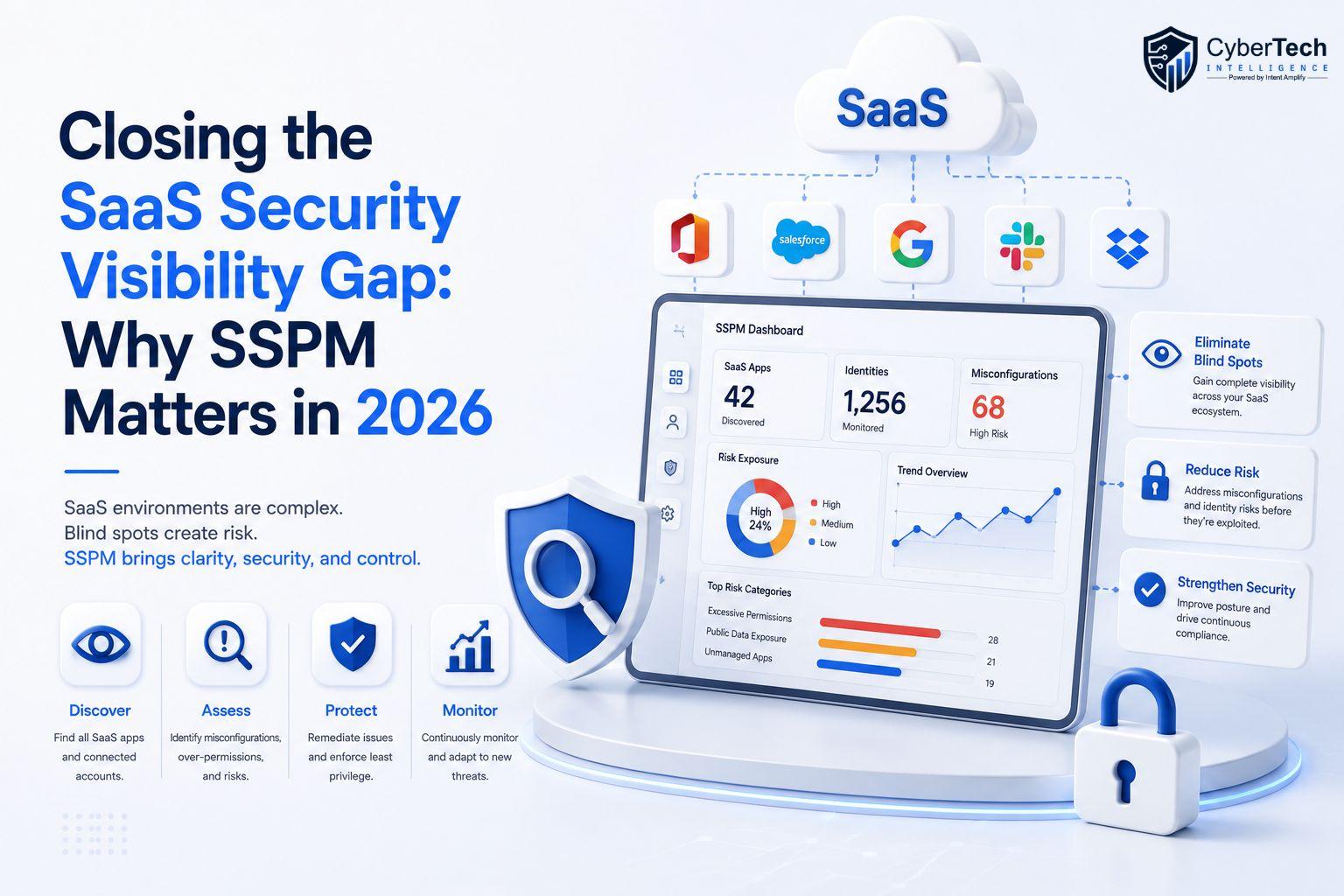 0 Comments 0 Shares
More Stories