• Modern businesses require experts skilled in crafting intuitive user interfaces and creating compelling visual content using AI-driven tools.

    ๐Ÿ’ก You'll Learn
    • User Research & UX Strategy
    • Wireframing & Prototyping
    • Figma & Design Systems
    • Responsive UI Design
    • AI-Powered Video Editing
    • Motion Graphics & Animation
    • Branding & Visual Storytelling
    • Portfolio Development

    At Zenshin Academy, our project-based UI/ UX Design and AI-Powered Video Editing course provides you with hands-on, real-world skills to thrive in both creative and tech industries.

    ๐Ÿš€ Build websites users enjoy.
    ๐ŸŽฌ Create videos audiences remember.
    ๐Ÿ’ผ Develop the skills employers value.

    Zenshin Technologies Pvt Ltd

    ๐ŸŒ Visit: https://www.zenshintechnologies.com/ui-ux-design-ai-powered-video-editing-course

    ๐Ÿ“ง Mail: Contact@zenshintechnologies.com
    ๐Ÿ“ฑ WhatsApp:8056565980

    #UIUXDesign #AIVideoEditing #Figma #UXDesign #UIDesign #CreativeDesign #MotionGraphics #VideoEditing #DigitalDesign #GraphicDesign #CareerGrowth #ZenshinAcademy

    Modern businesses require experts skilled in crafting intuitive user interfaces and creating compelling visual content using AI-driven tools. ๐Ÿ’ก You'll Learn • User Research & UX Strategy • Wireframing & Prototyping • Figma & Design Systems • Responsive UI Design • AI-Powered Video Editing • Motion Graphics & Animation • Branding & Visual Storytelling • Portfolio Development At Zenshin Academy, our project-based UI/ UX Design and AI-Powered Video Editing course provides you with hands-on, real-world skills to thrive in both creative and tech industries. ๐Ÿš€ Build websites users enjoy. ๐ŸŽฌ Create videos audiences remember. ๐Ÿ’ผ Develop the skills employers value. Zenshin Technologies Pvt Ltd ๐ŸŒ Visit: https://www.zenshintechnologies.com/ui-ux-design-ai-powered-video-editing-course ๐Ÿ“ง Mail: Contact@zenshintechnologies.com ๐Ÿ“ฑ WhatsApp:8056565980 #UIUXDesign #AIVideoEditing #Figma #UXDesign #UIDesign #CreativeDesign #MotionGraphics #VideoEditing #DigitalDesign #GraphicDesign #CareerGrowth #ZenshinAcademy
    0 Comments 0 Shares
  • What is Product-Led Growth? A 2026 Expert Guide

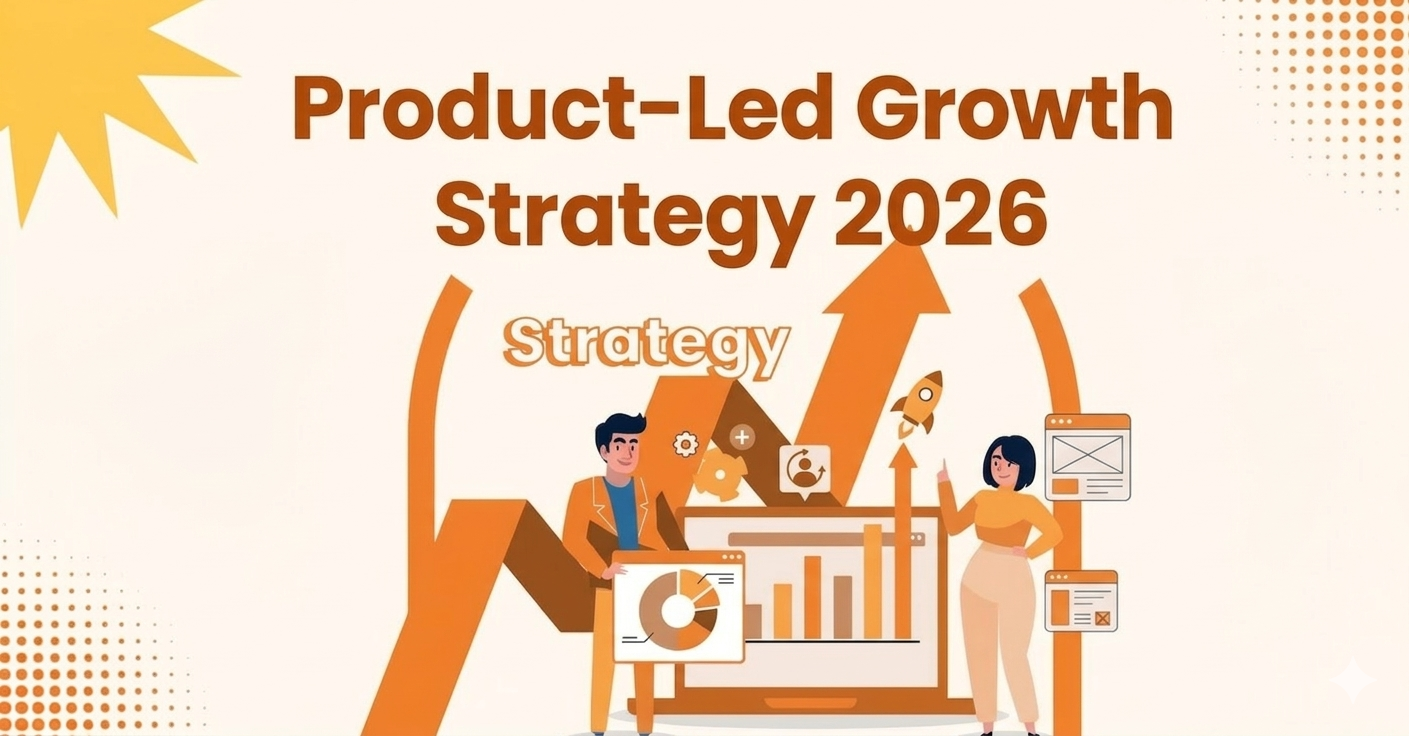
    In today’s hyper-competitive digital landscape, businesses are constantly seeking strategies that drive sustainable growth while keeping customer acquisition costs low. One of the most effective strategies emerging in 2025 is Product-Led Growth (PLG). Unlike traditional sales-led approaches that rely heavily on marketing campaigns and sales teams to generate revenue, PLG places the product itself at the center of the growth strategy. In other words, your product becomes your primary marketing, sales, and retention tool.
    Understanding Product-Led Growth
    Product-Led Growth is a business methodology where the product’s value drives user acquisition, retention, and expansion. Instead of relying on heavy sales pitches or advertisements, PLG encourages users to experience the product first-hand through free trials, freemium models, or limited-access versions. When users see real value in the product early, they naturally adopt it, upgrade to premium tiers, and even advocate for it within their networks.
    PLG is different from traditional marketing approaches in that it focuses on user experience, product usability, and customer success, rather than purely chasing leads or impressions. Key metrics for PLG companies include activation rates, product usage, retention, and customer lifetime value, which often provide a clearer picture of long-term growth than conventional marketing KPIs.
    Core Components of a Product-Led Growth Strategy
    1. Frictionless Onboarding: The user’s first interaction with the product must be intuitive. A smooth onboarding process ensures users can experience the core value immediately without needing extensive setup, training, or a sales demo.
    2. Freemium and Trial Models: Offering a free or limited version encourages users to explore the product risk-free. This builds trust, reduces barriers to entry, and creates natural pathways for conversion to paid plans.
    3. In-Product Guidance and Personalization: Interactive tutorials, contextual prompts, and AI-driven recommendations help users navigate the product and maximize its value, which drives engagement and long-term retention.
    4. Data-Driven Decision Making: PLG companies leverage analytics to monitor user behavior, identify friction points, and optimize features. By understanding how customers interact with the product, companies can iterate faster and more effectively.
    5. Community and Advocacy: Satisfied users often become product advocates. Encouraging community interaction, referrals, and reviews can accelerate organic growth and reduce reliance on paid marketing campaigns.
    Why Product-Led Growth is Essential in 2025
    Customers today expect value upfront. They are less likely to respond to sales pitches and more likely to try, evaluate, and adopt products that demonstrate immediate benefits. PLG aligns perfectly with these expectations. SaaS companies such as Slack, Dropbox, Notion, and Figma have successfully scaled using PLG, relying on the product experience rather than traditional sales-heavy methods to drive adoption.
    The benefits are clear: PLG reduces customer acquisition costs, increases retention, and fosters a loyal user base that actively promotes the product. Furthermore, PLG encourages companies to focus on continuous product improvement, ensuring that offerings remain competitive and relevant.
    In 2025, businesses that adopt a Product-Led Growth model gain a distinct advantage: their product becomes their most powerful marketer. By putting users first and delivering real, tangible value, companies can grow sustainably, retain customers longer, and build a reputation that attracts new users organically.
    Read More: https://intentamplify.com/blog/growth-marketing-guide/


    What is Product-Led Growth? A 2026 Expert Guide In today’s hyper-competitive digital landscape, businesses are constantly seeking strategies that drive sustainable growth while keeping customer acquisition costs low. One of the most effective strategies emerging in 2025 is Product-Led Growth (PLG). Unlike traditional sales-led approaches that rely heavily on marketing campaigns and sales teams to generate revenue, PLG places the product itself at the center of the growth strategy. In other words, your product becomes your primary marketing, sales, and retention tool. Understanding Product-Led Growth Product-Led Growth is a business methodology where the product’s value drives user acquisition, retention, and expansion. Instead of relying on heavy sales pitches or advertisements, PLG encourages users to experience the product first-hand through free trials, freemium models, or limited-access versions. When users see real value in the product early, they naturally adopt it, upgrade to premium tiers, and even advocate for it within their networks. PLG is different from traditional marketing approaches in that it focuses on user experience, product usability, and customer success, rather than purely chasing leads or impressions. Key metrics for PLG companies include activation rates, product usage, retention, and customer lifetime value, which often provide a clearer picture of long-term growth than conventional marketing KPIs. Core Components of a Product-Led Growth Strategy 1. Frictionless Onboarding: The user’s first interaction with the product must be intuitive. A smooth onboarding process ensures users can experience the core value immediately without needing extensive setup, training, or a sales demo. 2. Freemium and Trial Models: Offering a free or limited version encourages users to explore the product risk-free. This builds trust, reduces barriers to entry, and creates natural pathways for conversion to paid plans. 3. In-Product Guidance and Personalization: Interactive tutorials, contextual prompts, and AI-driven recommendations help users navigate the product and maximize its value, which drives engagement and long-term retention. 4. Data-Driven Decision Making: PLG companies leverage analytics to monitor user behavior, identify friction points, and optimize features. By understanding how customers interact with the product, companies can iterate faster and more effectively. 5. Community and Advocacy: Satisfied users often become product advocates. Encouraging community interaction, referrals, and reviews can accelerate organic growth and reduce reliance on paid marketing campaigns. Why Product-Led Growth is Essential in 2025 Customers today expect value upfront. They are less likely to respond to sales pitches and more likely to try, evaluate, and adopt products that demonstrate immediate benefits. PLG aligns perfectly with these expectations. SaaS companies such as Slack, Dropbox, Notion, and Figma have successfully scaled using PLG, relying on the product experience rather than traditional sales-heavy methods to drive adoption. The benefits are clear: PLG reduces customer acquisition costs, increases retention, and fosters a loyal user base that actively promotes the product. Furthermore, PLG encourages companies to focus on continuous product improvement, ensuring that offerings remain competitive and relevant. In 2025, businesses that adopt a Product-Led Growth model gain a distinct advantage: their product becomes their most powerful marketer. By putting users first and delivering real, tangible value, companies can grow sustainably, retain customers longer, and build a reputation that attracts new users organically. Read More: https://intentamplify.com/blog/growth-marketing-guide/
    0 Comments 0 Shares
  • How Much Does it Cost to Maintain an App

    App maintenance is an ongoing investment to ensure your app continues to meet user expectations, stays competitive in the market, and remains secure and functional.

    How about if we reveal all what is covered in the scope of the App maintenance, Why do you need to regularly manage your App, what kind of hours and money should you be planning to invest to manage your app in 2023? It will be cool, ya?

    Ideally, a basic App Maintenance Cost Plan of 160 hours per month will do a fair job to manage and upkeep a commercial version of your App and this would cost you less than $ 3000/ Month. Now depending upon the needs, number of App users, number of requests/ issues reported etc. you may need to retain your App maintenance team for more hours than just 160 on month on month basis.

    1. What is covered in the Scope of App Support & Maintenance?

    The App is needed to be regularly updated largely for its following parts and components:

    iOS App and Android Apps whether built in native or cross platform tech.
    Web Parts/ Web App (Front end, backend, Web replica of mobile apps).
    Native APIs and Third-party APIs.
    Database, Design files.

    Any new feature development utilizing during the maintenance.
    Upkeep and updates of beyond-the-app-technology and assets like App Install Ad creatives, beyond the App user onboarding (like through QR code or through an integrated partner’s app or site), Marketing automation, analytics, integration with external Apps and so on.

    2. Activities that we perform for App Support & Maintenance

    Following are the high level tasks that are performed to regularly upkeep and update your App:

    1. Complete QA Testing by a dedicated QA Engineer and Business Analyst to figure out all possible Bugs — mostly a one time effort for every major release.

    2. Fixing of Bugs are Reported by the client + Bugs as reported by our Testing Team across iOS, Android, Backend, Web or anywhere else.

    3. Updating the App and its underlying Technology Whenever there is a soft or major OS update from Apple or Google.

    4. Updating Apps to be compatible with all latest releases of all third Party APIs being used in the App and in the backend.

    5. Regular App Performance optimization for a high performing App

    6. Periodical App Code clean up as a regular practice and Code repository Maintenance.

    7. Regular Documentation, Creating App’s SDKs and APIs

    8. Regular Store upload, putting web parts on live server, coordinating with App stores on behalf of the client.

    9. Server Maintenance corresponding to the cloud provider’s infrastructure and features

    10. Managing, Recording, and Sharing the Timesheet with the client

    3. App Maintenance Plans and Pricing from Agicent

    We’ve kept it very simple, you retain us for X number of hours a month for App maintenance and pay the fee. Obviously, the more hours you retain us for the better will be the pricing. We always ask our clients to start with the lowest plan and then we jointly analyze in 3 months if 160 hours are enough to handle the App support demands and if not then only we ask you to increase the plan with justification.

    4. Skills and Engineers needed for App Maintenance Process

    If your App runs on both iOS and Android and also has a web front end along with a backend, then you need following skilled Engineers to perform App maintenance:

    – Native or Cross Platform iOS/ Android Developers.

    Native would include Swift/ Xcode developer for iOS; Kotlin/ Java and Studio Developer for Android.

    Cross platform skills would be React native, Flutter or Ionic.

    – Backend Developers

    The skills can be node.js, mongoDB, ExpressJS or MERN Stack or Laravel/ PHP, or .NET or Java (Depending upon the tech stack being used at your backend).

    – Web Front End Developer

    If you have a landing page website or a complete App’s replica on the web then you may need web front end developers experts in HTML, JS, React JS or Angular or PHP/ Laravel or ASP.NET (Depending upon the tech stack being used at the website end).

    – Professional App Tester who knows both manual and automation testing.

    – UI/ UX Designer knowing Figma, Photoshop, Adobe design suite.

    – Business Analyst and Project Coordinator

    The one who will be internal project stakeholder at Agicent, will be your single point of contact, will coordinate between you and development and will also do all activities related to business analysis.

    5. Factors to consider to find out how much does it cost to maintain an App?

    Although we have made easier and straight forward for you to do app maintenance by offering hourly maintenance plans, but there still can be some factors that can raise or bring down the cost of App maintenance as follows:

    The complexity of the application

    The basic factor that contributes to the maintenance cost of the application in 2023 is the complexity of the application. Everyone wants to have advanced apps with more and more features, screens, and much more. But keep in mind that if you are adding these it will further raise your maintenance costs to the greatest extent. Adding more to it, the maintenance costs will also rise with the involvement of higher technology or framework for its development.

    Hybrid Applications

    The smartphones available in the market depend upon different operating systems. Everyone loves to have the one that they prefer the most. Android and iOS platforms are the two leading operating systems that the majority of users prefer to have on. Do you know what is the basic factor that lies behind the success of an application well its usage? The majority of the time developers prefer to create hybrid applications that can work effectively on both Android and iOS operating systems. But if you have created such, just keep in mind that the maintenance costs are also going to be quite higher than that of the maintenance costs of the same application for both of the platforms.

    Third-Party Integrations

    The integration of third-party sources also adds up in raising the overall maintenance cost of an application. More will be your app linked closely with the different external sources such as payment platforms, social media services, higher will be the overall maintenance cost of your app. Let’s make it simpler for you, the maintenance cost of a simple photo editing app is usually quite lower than that of the news app.

    App Development Team Location

    The maintenance cost of an application also differs a lot as per the location. You may need to pay the maintenance cost of about $50–150 per hour in the USA but it may somewhere lie in between $25–60 per hour in Eastern and Central Europe. Whereas if we talk about the maintenance cost of the application in India it is quite low and you can easily accomplish it by paying $10–30 per hour.

    6. Few things that you can do to make sure less maintenance overhead:

    – Build your app well architected right from the start
    – Take care of the scalability
    – have a professional Development Team
    – Check your analytics


    Source: https://www.agicent.com/blog/how-much-does-it-cost-to-maintain-an-app/
    How Much Does it Cost to Maintain an App App maintenance is an ongoing investment to ensure your app continues to meet user expectations, stays competitive in the market, and remains secure and functional. How about if we reveal all what is covered in the scope of the App maintenance, Why do you need to regularly manage your App, what kind of hours and money should you be planning to invest to manage your app in 2023? It will be cool, ya? Ideally, a basic App Maintenance Cost Plan of 160 hours per month will do a fair job to manage and upkeep a commercial version of your App and this would cost you less than $ 3000/ Month. Now depending upon the needs, number of App users, number of requests/ issues reported etc. you may need to retain your App maintenance team for more hours than just 160 on month on month basis. 1. What is covered in the Scope of App Support & Maintenance? The App is needed to be regularly updated largely for its following parts and components: iOS App and Android Apps whether built in native or cross platform tech. Web Parts/ Web App (Front end, backend, Web replica of mobile apps). Native APIs and Third-party APIs. Database, Design files. Any new feature development utilizing during the maintenance. Upkeep and updates of beyond-the-app-technology and assets like App Install Ad creatives, beyond the App user onboarding (like through QR code or through an integrated partner’s app or site), Marketing automation, analytics, integration with external Apps and so on. 2. Activities that we perform for App Support & Maintenance Following are the high level tasks that are performed to regularly upkeep and update your App: 1. Complete QA Testing by a dedicated QA Engineer and Business Analyst to figure out all possible Bugs — mostly a one time effort for every major release. 2. Fixing of Bugs are Reported by the client + Bugs as reported by our Testing Team across iOS, Android, Backend, Web or anywhere else. 3. Updating the App and its underlying Technology Whenever there is a soft or major OS update from Apple or Google. 4. Updating Apps to be compatible with all latest releases of all third Party APIs being used in the App and in the backend. 5. Regular App Performance optimization for a high performing App 6. Periodical App Code clean up as a regular practice and Code repository Maintenance. 7. Regular Documentation, Creating App’s SDKs and APIs 8. Regular Store upload, putting web parts on live server, coordinating with App stores on behalf of the client. 9. Server Maintenance corresponding to the cloud provider’s infrastructure and features 10. Managing, Recording, and Sharing the Timesheet with the client 3. App Maintenance Plans and Pricing from Agicent We’ve kept it very simple, you retain us for X number of hours a month for App maintenance and pay the fee. Obviously, the more hours you retain us for the better will be the pricing. We always ask our clients to start with the lowest plan and then we jointly analyze in 3 months if 160 hours are enough to handle the App support demands and if not then only we ask you to increase the plan with justification. 4. Skills and Engineers needed for App Maintenance Process If your App runs on both iOS and Android and also has a web front end along with a backend, then you need following skilled Engineers to perform App maintenance: – Native or Cross Platform iOS/ Android Developers. Native would include Swift/ Xcode developer for iOS; Kotlin/ Java and Studio Developer for Android. Cross platform skills would be React native, Flutter or Ionic. – Backend Developers The skills can be node.js, mongoDB, ExpressJS or MERN Stack or Laravel/ PHP, or .NET or Java (Depending upon the tech stack being used at your backend). – Web Front End Developer If you have a landing page website or a complete App’s replica on the web then you may need web front end developers experts in HTML, JS, React JS or Angular or PHP/ Laravel or ASP.NET (Depending upon the tech stack being used at the website end). – Professional App Tester who knows both manual and automation testing. – UI/ UX Designer knowing Figma, Photoshop, Adobe design suite. – Business Analyst and Project Coordinator The one who will be internal project stakeholder at Agicent, will be your single point of contact, will coordinate between you and development and will also do all activities related to business analysis. 5. Factors to consider to find out how much does it cost to maintain an App? Although we have made easier and straight forward for you to do app maintenance by offering hourly maintenance plans, but there still can be some factors that can raise or bring down the cost of App maintenance as follows: The complexity of the application The basic factor that contributes to the maintenance cost of the application in 2023 is the complexity of the application. Everyone wants to have advanced apps with more and more features, screens, and much more. But keep in mind that if you are adding these it will further raise your maintenance costs to the greatest extent. Adding more to it, the maintenance costs will also rise with the involvement of higher technology or framework for its development. Hybrid Applications The smartphones available in the market depend upon different operating systems. Everyone loves to have the one that they prefer the most. Android and iOS platforms are the two leading operating systems that the majority of users prefer to have on. Do you know what is the basic factor that lies behind the success of an application well its usage? The majority of the time developers prefer to create hybrid applications that can work effectively on both Android and iOS operating systems. But if you have created such, just keep in mind that the maintenance costs are also going to be quite higher than that of the maintenance costs of the same application for both of the platforms. Third-Party Integrations The integration of third-party sources also adds up in raising the overall maintenance cost of an application. More will be your app linked closely with the different external sources such as payment platforms, social media services, higher will be the overall maintenance cost of your app. Let’s make it simpler for you, the maintenance cost of a simple photo editing app is usually quite lower than that of the news app. App Development Team Location The maintenance cost of an application also differs a lot as per the location. You may need to pay the maintenance cost of about $50–150 per hour in the USA but it may somewhere lie in between $25–60 per hour in Eastern and Central Europe. Whereas if we talk about the maintenance cost of the application in India it is quite low and you can easily accomplish it by paying $10–30 per hour. 6. Few things that you can do to make sure less maintenance overhead: – Build your app well architected right from the start – Take care of the scalability – have a professional Development Team – Check your analytics Source: https://www.agicent.com/blog/how-much-does-it-cost-to-maintain-an-app/
    How Much Does It Cost To Maintain An App?
    0 Comments 0 Shares
  • Comprehensive Services Offered by Agicent: A Leading React Native App Development Company

    We offer our React Native app development services on the basis of Fixed Price Development (project based) as well as on the Fully Managed Monthly Dev Team model starting at $ 2900/ mo. We create MVPs in a matter of weeks and then deploy bigger teams to quickly scale for the full product development and deployment.

    Our teams follow Agile development methodologies, implement development & deployment pipelines, do proper version control and use tools like Slack, Jira, Figma for better project coordination and collaboration. Our dedicated project managers work in sync with the customer's time-zone’s working hours and make it a painless process for you.

    Source:- https://www.agicent.com/react-native-app-development-company
    Comprehensive Services Offered by Agicent: A Leading React Native App Development Company We offer our React Native app development services on the basis of Fixed Price Development (project based) as well as on the Fully Managed Monthly Dev Team model starting at $ 2900/ mo. We create MVPs in a matter of weeks and then deploy bigger teams to quickly scale for the full product development and deployment. Our teams follow Agile development methodologies, implement development & deployment pipelines, do proper version control and use tools like Slack, Jira, Figma for better project coordination and collaboration. Our dedicated project managers work in sync with the customer's time-zone’s working hours and make it a painless process for you. Source:- https://www.agicent.com/react-native-app-development-company
    WWW.AGICENT.COM
    React Native App Development Company
    Discover seamless cross-platform mobile solutions with our React Native App Development Company. Contact us today to kickstart your mobile app journey.
    0 Comments 0 Shares
  • How to make an App

    Making an App in the world where Apps are loaded with AI capabilities is not just an intelligent decision for any business to find their digital edge, it has become more of an essential than ever. Making an App with advanced capabilities like AI, AR/ VR, Automation is easier for bigger organizations since they always have resources and budget to hire their own team or an Mobile Application development company for a premium. But most of the First time App Entrepreneurs or startups wonder about what will be the best way to make an app or how to make an app from the scratch in limited budget and resources. Since any mobile app project involves a good amount of skilled efforts, energy, cost and time it becomes pretty obvious that a new startup entrepreneur gets worried about pros and cons of various methods of App development, hidden App developments cost, Maintaining the App and other nuances before actually jumping the gun.

    Therefore, we’ve got you covered and here is this comprehensive guide on how to make an App from the scratch, and how to monetize your App, and why you should work with the best App Development companies to keep the complex things simpler.


    A guide to make an App, with Examples

    1. Define Your App Objectives

    Yes, we all know that the ultimate goal of any business is to generate a million-dollar revenue and an App business is pretty much capable to achieve that and more, however we suggest take one step at a time. First of all, define what Major Problem that your app is going to solve, then define secondary problems too. Figure out what is not already in the market that your app can fill with i.e Do an App Gap Analysis. Brainstorm about the main objective your app is going to serve. Will the app enhance the experience of all your customers or will it be generating sales and purchases? Will this App offer a unique technology that makes users life easier, or the app is going to be an extension of your existing business? Once you’ve figured out the Gap, Opportunity, and Problem then you can make an App startup business around it.

    Following are some of the common Goals for which you make an App –

    To solve a problem through an App and make a business around it – like uber solved the Taxi booking problem, Airbnb solved the problem of accommodation, and like our very own HASfit(yes, we made it for our client and it has 6 million users now) solves the problem of giving quality home based no/ low equipment workouts.
    To Extend your existing Digital Product (A SaaS product, or a Web based or Desktop Software) as an App – Like Google Ads App as an extension of their Big web based Google Ad console, or Linkedin has their own App. Such apps may or may not replicate all functionality of your existing tech product, but offers enough to keep users at ease.

    To Enhance your existing brand for better customer relationship – Like My BMW Application for BMW brand, or a Mercedes App.
    An App for facilitating Transactions like Ecommerce Apps– like Amazon Application or any other famous Ecommerce App, or any buy and sell app.

    2. Do App Competition Research, Analyze, Validate App idea, build a strategy

    Scenario #1 – Your App idea is absolutely unique and there is no existing App which remotely does what you want your App to offer.

    Now this is a great App situation to be in. There is no App competitor, your App idea is unique so you’d think of going full force to build it, right? Well, not just like that! More important than not having a competitive App, is a viable business model that your App can support. In such a case where you’ve an App idea that doesn’t exist yet, you should be asking following questions –

    – Will users pay for this app, and if yes then how (via subscription, via ads, via in app purchase)?

    – How much scope of future improvement and enhancements is going to be there with your App idea? There must be a scope for scaling, enhancements to keep your users interested and engaged.

    – There is no competition today, your App idea supports a viable business model too and that means you will soon have a competition! So what will be your plans once a competition takes birth?

    Scenario #2 There are similar Apps out-there but you see a big opportunity to fill the gaps they’ve left.

    This is a pretty common scenario, because there is an App for almost everything but so as with the automobile and they still launch new improved cars so you can still launch a new App, a better one than your competitors. A good thing in this scenario is that, you already have a market that is receptive to the App idea you’re contemplating to make.

    There was myspace and orkut before facebook, there was google talk before whatsapp, there was bigbasket before zepto grocery delivery; and the list is just endless. This means, most of the successful Apps we use today had a big competition already and their App ideas were already implemented but they still made their way like a champ. You just need to take care of following points before starting to make the app:

    – Check how efficiently and aesthetically you can incorporate the features and offerings that existing competition has left considering.
    – Check if such new features and offerings are good enough to make your App a better alternative to the existing Apps.
    – Check the usage analytics of those existing apps, are people liking them and spending time and money?
    – Check their monetization methods, check their revenue and numbers and see how big the market is. Think of strategy where you can beat them with not just the features but also with pricing, offerings and content.
    – Check if these Apps have left any geographies or demographics that you can cater to, and carve a niche for your own app in such locations and among such demographics.

    3. Define your App’s USP or Unique Bragworthy Proposition

    As mentioned in the competitive research point above, figuring out your App’s unique selling proposition and then secondary propositions is of utmost importance. The world is however moved on from USP (unique selling proposition) to UBP (Unique Bragworthy proposition) as described well by Cred’s Founder Mr. Kunal Shah, Cred is valued at apprx $ 6.4 billion as of mid 2022 is one of the biggest unicorns in India. So we can take his advice about UBP pretty seriously.

    The concept of UBP in case of the Apps means you need to make your App product in such a way and position it in such a way that their users just not get benefitted out of it but feel “Smug” about being its users and that becomes your no. 1 App marketing tool. Not every new App product can be Bragworthy for the users, but atlesat one should try. After all, as Les Brown said and we quote – “Shoot for the moon. Even if you miss, you’ll land among the stars.

    4. Make Wireframes or Write user stories or Use-cases

    A wireframe is the next step in the process of making an app. An App wireframe is the rough sketch of the mobile application you want to develop. A wireframe can be made on paper or also by using some very smart Mockups or Wireframes creating tools around that come with their mobile apps as well. We’ll talk about wireframing tools a little later, after describing an app specification document.

    5. Technical Feasibility – Make App’s PoC if needed

    Things get serious from here. A big round of Technical Feasibility Analysis is to be done here and I’ll tell you the reasons also.

    – To make sure that all what the App wants to achieve is achievable through the existing technology and libraries or would you need to build the technology from the scratch. For example, if I were to make an App that can scan the numbers on your credit card then I can use an OCR library like tesseract or any other computer vision/ Optical character recognition library and that will save me to create a whole new technology just for one app. Similarly, if I have to make an app that can extract text from images, then I can leverage the same technology (OCR) for it. However, in case of Apps which offer you an altogether new technology (Like Prisma App), you may need to work on the background technology (in this case – image processing) yourself and that can blow out the scope of the work to a whole different level.

    6. Make High Fidelity App Designs

    Once your wireframes are finalized, the development looks all feasible, the technical architecture is selected now it is time to convert your wireframes into high fidelity screen designs that developers can use to incorporate into the project.

    For high fidelity designs, you do need a professional designer who can use tools like Adobe Photoshop, or Sketch or Figma for making high fidelity screens. Agicent can definitely help you with App wireframes, App high fidelity designs, and of course App development.

    7. Choose Front end and Backend Technologies

    Now that you have the objective, goals, market research and framework ready, the next step to proceed forward is the the coding at both ends – Front end (The App side) and backend (the backend technology, admin panel, content management, database and APIs). There are plenty of ways to build an app but the most important call to take while building an app from the scratch is to finalize which technologies to use. This highly depends upon the App type, Budget, Future scalability, and timeline.

    Here are some of the common technology choices for making an app:
    Native App development: Native App Development means using the Native technology stack separately for iOS and Android. For iOS – Xcode with Swift or Objective C is native; while for android its Android studio with Kotlin or Java.

    8. Choose your App Developer

    When all of above is in place, you now have to launch your project and for that you need an App Development Team. There are some options to go about making your app as follows –

    Hire an App Development Company – You can always hire a reputed App Development company like Agicent to make your App. App Companies like ours are usually equipped with the right development, design and testing teams and can quickly start working on the project and delivering that. You can either hire an App company on fixed price for fixed scope of work; or can opt for hourly model (Check out Remote App Developers )pricing.

    Following are some of the major benefits of hiring an App Development Company –
    – Rapid Development and Delivery: We are ready to start on any new project in a matter of days or maximum 1 week as we keep our app development teams ready for new projects.

    – Expertise and Experience: We leverage our years of experience in the app development for your project’s benefit.


    Source: https://www.agicent.com/blog/how-to-make-an-app/

    How to make an App Making an App in the world where Apps are loaded with AI capabilities is not just an intelligent decision for any business to find their digital edge, it has become more of an essential than ever. Making an App with advanced capabilities like AI, AR/ VR, Automation is easier for bigger organizations since they always have resources and budget to hire their own team or an Mobile Application development company for a premium. But most of the First time App Entrepreneurs or startups wonder about what will be the best way to make an app or how to make an app from the scratch in limited budget and resources. Since any mobile app project involves a good amount of skilled efforts, energy, cost and time it becomes pretty obvious that a new startup entrepreneur gets worried about pros and cons of various methods of App development, hidden App developments cost, Maintaining the App and other nuances before actually jumping the gun. Therefore, we’ve got you covered and here is this comprehensive guide on how to make an App from the scratch, and how to monetize your App, and why you should work with the best App Development companies to keep the complex things simpler. A guide to make an App, with Examples 1. Define Your App Objectives Yes, we all know that the ultimate goal of any business is to generate a million-dollar revenue and an App business is pretty much capable to achieve that and more, however we suggest take one step at a time. First of all, define what Major Problem that your app is going to solve, then define secondary problems too. Figure out what is not already in the market that your app can fill with i.e Do an App Gap Analysis. Brainstorm about the main objective your app is going to serve. Will the app enhance the experience of all your customers or will it be generating sales and purchases? Will this App offer a unique technology that makes users life easier, or the app is going to be an extension of your existing business? Once you’ve figured out the Gap, Opportunity, and Problem then you can make an App startup business around it. Following are some of the common Goals for which you make an App – To solve a problem through an App and make a business around it – like uber solved the Taxi booking problem, Airbnb solved the problem of accommodation, and like our very own HASfit(yes, we made it for our client and it has 6 million users now) solves the problem of giving quality home based no/ low equipment workouts. To Extend your existing Digital Product (A SaaS product, or a Web based or Desktop Software) as an App – Like Google Ads App as an extension of their Big web based Google Ad console, or Linkedin has their own App. Such apps may or may not replicate all functionality of your existing tech product, but offers enough to keep users at ease. To Enhance your existing brand for better customer relationship – Like My BMW Application for BMW brand, or a Mercedes App. An App for facilitating Transactions like Ecommerce Apps– like Amazon Application or any other famous Ecommerce App, or any buy and sell app. 2. Do App Competition Research, Analyze, Validate App idea, build a strategy Scenario #1 – Your App idea is absolutely unique and there is no existing App which remotely does what you want your App to offer. Now this is a great App situation to be in. There is no App competitor, your App idea is unique so you’d think of going full force to build it, right? Well, not just like that! More important than not having a competitive App, is a viable business model that your App can support. In such a case where you’ve an App idea that doesn’t exist yet, you should be asking following questions – – Will users pay for this app, and if yes then how (via subscription, via ads, via in app purchase)? – How much scope of future improvement and enhancements is going to be there with your App idea? There must be a scope for scaling, enhancements to keep your users interested and engaged. – There is no competition today, your App idea supports a viable business model too and that means you will soon have a competition! So what will be your plans once a competition takes birth? Scenario #2 There are similar Apps out-there but you see a big opportunity to fill the gaps they’ve left. This is a pretty common scenario, because there is an App for almost everything but so as with the automobile and they still launch new improved cars so you can still launch a new App, a better one than your competitors. A good thing in this scenario is that, you already have a market that is receptive to the App idea you’re contemplating to make. There was myspace and orkut before facebook, there was google talk before whatsapp, there was bigbasket before zepto grocery delivery; and the list is just endless. This means, most of the successful Apps we use today had a big competition already and their App ideas were already implemented but they still made their way like a champ. You just need to take care of following points before starting to make the app: – Check how efficiently and aesthetically you can incorporate the features and offerings that existing competition has left considering. – Check if such new features and offerings are good enough to make your App a better alternative to the existing Apps. – Check the usage analytics of those existing apps, are people liking them and spending time and money? – Check their monetization methods, check their revenue and numbers and see how big the market is. Think of strategy where you can beat them with not just the features but also with pricing, offerings and content. – Check if these Apps have left any geographies or demographics that you can cater to, and carve a niche for your own app in such locations and among such demographics. 3. Define your App’s USP or Unique Bragworthy Proposition As mentioned in the competitive research point above, figuring out your App’s unique selling proposition and then secondary propositions is of utmost importance. The world is however moved on from USP (unique selling proposition) to UBP (Unique Bragworthy proposition) as described well by Cred’s Founder Mr. Kunal Shah, Cred is valued at apprx $ 6.4 billion as of mid 2022 is one of the biggest unicorns in India. So we can take his advice about UBP pretty seriously. The concept of UBP in case of the Apps means you need to make your App product in such a way and position it in such a way that their users just not get benefitted out of it but feel “Smug” about being its users and that becomes your no. 1 App marketing tool. Not every new App product can be Bragworthy for the users, but atlesat one should try. After all, as Les Brown said and we quote – “Shoot for the moon. Even if you miss, you’ll land among the stars. 4. Make Wireframes or Write user stories or Use-cases A wireframe is the next step in the process of making an app. An App wireframe is the rough sketch of the mobile application you want to develop. A wireframe can be made on paper or also by using some very smart Mockups or Wireframes creating tools around that come with their mobile apps as well. We’ll talk about wireframing tools a little later, after describing an app specification document. 5. Technical Feasibility – Make App’s PoC if needed Things get serious from here. A big round of Technical Feasibility Analysis is to be done here and I’ll tell you the reasons also. – To make sure that all what the App wants to achieve is achievable through the existing technology and libraries or would you need to build the technology from the scratch. For example, if I were to make an App that can scan the numbers on your credit card then I can use an OCR library like tesseract or any other computer vision/ Optical character recognition library and that will save me to create a whole new technology just for one app. Similarly, if I have to make an app that can extract text from images, then I can leverage the same technology (OCR) for it. However, in case of Apps which offer you an altogether new technology (Like Prisma App), you may need to work on the background technology (in this case – image processing) yourself and that can blow out the scope of the work to a whole different level. 6. Make High Fidelity App Designs Once your wireframes are finalized, the development looks all feasible, the technical architecture is selected now it is time to convert your wireframes into high fidelity screen designs that developers can use to incorporate into the project. For high fidelity designs, you do need a professional designer who can use tools like Adobe Photoshop, or Sketch or Figma for making high fidelity screens. Agicent can definitely help you with App wireframes, App high fidelity designs, and of course App development. 7. Choose Front end and Backend Technologies Now that you have the objective, goals, market research and framework ready, the next step to proceed forward is the the coding at both ends – Front end (The App side) and backend (the backend technology, admin panel, content management, database and APIs). There are plenty of ways to build an app but the most important call to take while building an app from the scratch is to finalize which technologies to use. This highly depends upon the App type, Budget, Future scalability, and timeline. Here are some of the common technology choices for making an app: Native App development: Native App Development means using the Native technology stack separately for iOS and Android. For iOS – Xcode with Swift or Objective C is native; while for android its Android studio with Kotlin or Java. 8. Choose your App Developer When all of above is in place, you now have to launch your project and for that you need an App Development Team. There are some options to go about making your app as follows – Hire an App Development Company – You can always hire a reputed App Development company like Agicent to make your App. App Companies like ours are usually equipped with the right development, design and testing teams and can quickly start working on the project and delivering that. You can either hire an App company on fixed price for fixed scope of work; or can opt for hourly model (Check out Remote App Developers )pricing. Following are some of the major benefits of hiring an App Development Company – – Rapid Development and Delivery: We are ready to start on any new project in a matter of days or maximum 1 week as we keep our app development teams ready for new projects. – Expertise and Experience: We leverage our years of experience in the app development for your project’s benefit. Source: https://www.agicent.com/blog/how-to-make-an-app/

    How to make an App โ€“ A beginner’s guide
    0 Comments 0 Shares
  • How Much Does it Cost to Maintain an App?


    App maintenance is an ongoing investment to ensure your app continues to meet user expectations, stays competitive in the market, and remains secure and functional.

    How about if we reveal all what is covered in the scope of the App maintenance, Why do you need to regularly manage your App, what kind of hours and money should you be planning to invest to manage your app in 2023? It will be cool, ya?

    Ideally, a basic App Maintenance Cost Plan of 160 hours per month will do a fair job to manage and upkeep a commercial version of your App and this would cost you less than $ 3000/ Month. Now depending upon the needs, number of App users, number of requests/ issues reported etc. you may need to retain your App maintenance team for more hours than just 160 on month on month basis.

    1. What is covered in the Scope of App Support & Maintenance?

    The App is needed to be regularly updated largely for its following parts and components:

    iOS App and Android Apps whether built in native or cross platform tech.
    Web Parts/ Web App (Front end, backend, Web replica of mobile apps).
    Native APIs and Third-party APIs.
    Database, Design files.

    Any new feature development utilizing during the maintenance.
    Upkeep and updates of beyond-the-app-technology and assets like App Install Ad creatives, beyond the App user onboarding (like through QR code or through an integrated partner’s app or site), Marketing automation, analytics, integration with external Apps and so on.

    2. Activities that we perform for App Support & Maintenance

    Following are the high level tasks that are performed to regularly upkeep and update your App:

    1. Complete QA Testing by a dedicated QA Engineer and Business Analyst to figure out all possible Bugs — mostly a one time effort for every major release.

    2. Fixing of Bugs are Reported by the client + Bugs as reported by our Testing Team across iOS, Android, Backend, Web or anywhere else.

    3. Updating the App and its underlying Technology Whenever there is a soft or major OS update from Apple or Google.

    4. Updating Apps to be compatible with all latest releases of all third Party APIs being used in the App and in the backend.

    5. Regular App Performance optimization for a high performing App

    6. Periodical App Code clean up as a regular practice and Code repository Maintenance.

    7. Regular Documentation, Creating App’s SDKs and APIs

    8. Regular Store upload, putting web parts on live server, coordinating with App stores on behalf of the client.

    9. Server Maintenance corresponding to the cloud provider’s infrastructure and features

    10. Managing, Recording, and Sharing the Timesheet with the client

    3. App Maintenance Plans and Pricing from Agicent

    We’ve kept it very simple, you retain us for X number of hours a month for App maintenance and pay the fee. Obviously, the more hours you retain us for the better will be the pricing. We always ask our clients to start with the lowest plan and then we jointly analyze in 3 months if 160 hours are enough to handle the App support demands and if not then only we ask you to increase the plan with justification.

    4. Skills and Engineers needed for App Maintenance Process

    If your App runs on both iOS and Android and also has a web front end along with a backend, then you need following skilled Engineers to perform App maintenance:

    – Native or Cross Platform iOS/ Android Developers.

    Native would include Swift/ Xcode developer for iOS; Kotlin/ Java and Studio Developer for Android.

    Cross platform skills would be React native, Flutter or Ionic.

    – Backend Developers

    The skills can be node.js, mongoDB, ExpressJS or MERN Stack or Laravel/ PHP, or .NET or Java (Depending upon the tech stack being used at your backend).

    – Web Front End Developer

    If you have a landing page website or a complete App’s replica on the web then you may need web front end developers experts in HTML, JS, React JS or Angular or PHP/ Laravel or ASP.NET (Depending upon the tech stack being used at the website end).

    – Professional App Tester who knows both manual and automation testing.

    – UI/ UX Designer knowing Figma, Photoshop, Adobe design suite.

    – Business Analyst and Project Coordinator

    The one who will be internal project stakeholder at Agicent, will be your single point of contact, will coordinate between you and development and will also do all activities related to business analysis.

    5. Factors to consider to find out how much does it cost to maintain an App?

    Although we have made easier and straight forward for you to do app maintenance by offering hourly maintenance plans, but there still can be some factors that can raise or bring down the cost of App maintenance as follows:

    The complexity of the application

    The basic factor that contributes to the maintenance cost of the application in 2023 is the complexity of the application. Everyone wants to have advanced apps with more and more features, screens, and much more. But keep in mind that if you are adding these it will further raise your maintenance costs to the greatest extent. Adding more to it, the maintenance costs will also rise with the involvement of higher technology or framework for its development.

    Hybrid Applications

    The smartphones available in the market depend upon different operating systems. Everyone loves to have the one that they prefer the most. Android and iOS platforms are the two leading operating systems that the majority of users prefer to have on. Do you know what is the basic factor that lies behind the success of an application well its usage? The majority of the time developers prefer to create hybrid applications that can work effectively on both Android and iOS operating systems. But if you have created such, just keep in mind that the maintenance costs are also going to be quite higher than that of the maintenance costs of the same application for both of the platforms.

    Third-Party Integrations

    The integration of third-party sources also adds up in raising the overall maintenance cost of an application. More will be your app linked closely with the different external sources such as payment platforms, social media services, higher will be the overall maintenance cost of your app. Let’s make it simpler for you, the maintenance cost of a simple photo editing app is usually quite lower than that of the news app.

    App Development Team Location

    The maintenance cost of an application also differs a lot as per the location. You may need to pay the maintenance cost of about $50–150 per hour in the USA but it may somewhere lie in between $25–60 per hour in Eastern and Central Europe. Whereas if we talk about the maintenance cost of the application in India it is quite low and you can easily accomplish it by paying $10–30 per hour.

    6. Few things that you can do to make sure less maintenance overhead:

    – Build your app well architected right from the start
    – Take care of the scalability
    – have a professional Development Team
    – Check your analytics

    7. Benefits of App Maintenance Process

    – High performing App, every single day
    – Scalability
    – Security
    – Higher user engagement and better Marketing
    – Better integration, exploit third party services to the maximum

    Conclusion of App Development Cost and Process

    Application development and maintenance is a never-ending process. Right from adding updates to resolving issues, there are a lot more things that go on side by side throughout. The expenses on an app do not end with its creation, they kind of keep on but for only the good.

    Source: https://www.agicent.com/blog/how-much-does-it-cost-to-maintain-an-app/

    How Much Does it Cost to Maintain an App? App maintenance is an ongoing investment to ensure your app continues to meet user expectations, stays competitive in the market, and remains secure and functional. How about if we reveal all what is covered in the scope of the App maintenance, Why do you need to regularly manage your App, what kind of hours and money should you be planning to invest to manage your app in 2023? It will be cool, ya? Ideally, a basic App Maintenance Cost Plan of 160 hours per month will do a fair job to manage and upkeep a commercial version of your App and this would cost you less than $ 3000/ Month. Now depending upon the needs, number of App users, number of requests/ issues reported etc. you may need to retain your App maintenance team for more hours than just 160 on month on month basis. 1. What is covered in the Scope of App Support & Maintenance? The App is needed to be regularly updated largely for its following parts and components: iOS App and Android Apps whether built in native or cross platform tech. Web Parts/ Web App (Front end, backend, Web replica of mobile apps). Native APIs and Third-party APIs. Database, Design files. Any new feature development utilizing during the maintenance. Upkeep and updates of beyond-the-app-technology and assets like App Install Ad creatives, beyond the App user onboarding (like through QR code or through an integrated partner’s app or site), Marketing automation, analytics, integration with external Apps and so on. 2. Activities that we perform for App Support & Maintenance Following are the high level tasks that are performed to regularly upkeep and update your App: 1. Complete QA Testing by a dedicated QA Engineer and Business Analyst to figure out all possible Bugs — mostly a one time effort for every major release. 2. Fixing of Bugs are Reported by the client + Bugs as reported by our Testing Team across iOS, Android, Backend, Web or anywhere else. 3. Updating the App and its underlying Technology Whenever there is a soft or major OS update from Apple or Google. 4. Updating Apps to be compatible with all latest releases of all third Party APIs being used in the App and in the backend. 5. Regular App Performance optimization for a high performing App 6. Periodical App Code clean up as a regular practice and Code repository Maintenance. 7. Regular Documentation, Creating App’s SDKs and APIs 8. Regular Store upload, putting web parts on live server, coordinating with App stores on behalf of the client. 9. Server Maintenance corresponding to the cloud provider’s infrastructure and features 10. Managing, Recording, and Sharing the Timesheet with the client 3. App Maintenance Plans and Pricing from Agicent We’ve kept it very simple, you retain us for X number of hours a month for App maintenance and pay the fee. Obviously, the more hours you retain us for the better will be the pricing. We always ask our clients to start with the lowest plan and then we jointly analyze in 3 months if 160 hours are enough to handle the App support demands and if not then only we ask you to increase the plan with justification. 4. Skills and Engineers needed for App Maintenance Process If your App runs on both iOS and Android and also has a web front end along with a backend, then you need following skilled Engineers to perform App maintenance: – Native or Cross Platform iOS/ Android Developers. Native would include Swift/ Xcode developer for iOS; Kotlin/ Java and Studio Developer for Android. Cross platform skills would be React native, Flutter or Ionic. – Backend Developers The skills can be node.js, mongoDB, ExpressJS or MERN Stack or Laravel/ PHP, or .NET or Java (Depending upon the tech stack being used at your backend). – Web Front End Developer If you have a landing page website or a complete App’s replica on the web then you may need web front end developers experts in HTML, JS, React JS or Angular or PHP/ Laravel or ASP.NET (Depending upon the tech stack being used at the website end). – Professional App Tester who knows both manual and automation testing. – UI/ UX Designer knowing Figma, Photoshop, Adobe design suite. – Business Analyst and Project Coordinator The one who will be internal project stakeholder at Agicent, will be your single point of contact, will coordinate between you and development and will also do all activities related to business analysis. 5. Factors to consider to find out how much does it cost to maintain an App? Although we have made easier and straight forward for you to do app maintenance by offering hourly maintenance plans, but there still can be some factors that can raise or bring down the cost of App maintenance as follows: The complexity of the application The basic factor that contributes to the maintenance cost of the application in 2023 is the complexity of the application. Everyone wants to have advanced apps with more and more features, screens, and much more. But keep in mind that if you are adding these it will further raise your maintenance costs to the greatest extent. Adding more to it, the maintenance costs will also rise with the involvement of higher technology or framework for its development. Hybrid Applications The smartphones available in the market depend upon different operating systems. Everyone loves to have the one that they prefer the most. Android and iOS platforms are the two leading operating systems that the majority of users prefer to have on. Do you know what is the basic factor that lies behind the success of an application well its usage? The majority of the time developers prefer to create hybrid applications that can work effectively on both Android and iOS operating systems. But if you have created such, just keep in mind that the maintenance costs are also going to be quite higher than that of the maintenance costs of the same application for both of the platforms. Third-Party Integrations The integration of third-party sources also adds up in raising the overall maintenance cost of an application. More will be your app linked closely with the different external sources such as payment platforms, social media services, higher will be the overall maintenance cost of your app. Let’s make it simpler for you, the maintenance cost of a simple photo editing app is usually quite lower than that of the news app. App Development Team Location The maintenance cost of an application also differs a lot as per the location. You may need to pay the maintenance cost of about $50–150 per hour in the USA but it may somewhere lie in between $25–60 per hour in Eastern and Central Europe. Whereas if we talk about the maintenance cost of the application in India it is quite low and you can easily accomplish it by paying $10–30 per hour. 6. Few things that you can do to make sure less maintenance overhead: – Build your app well architected right from the start – Take care of the scalability – have a professional Development Team – Check your analytics 7. Benefits of App Maintenance Process – High performing App, every single day – Scalability – Security – Higher user engagement and better Marketing – Better integration, exploit third party services to the maximum Conclusion of App Development Cost and Process Application development and maintenance is a never-ending process. Right from adding updates to resolving issues, there are a lot more things that go on side by side throughout. The expenses on an app do not end with its creation, they kind of keep on but for only the good. Source: https://www.agicent.com/blog/how-much-does-it-cost-to-maintain-an-app/
    How Much Does It Cost To Maintain An App?
    0 Comments 0 Shares
  • How To Create An App From Scratch: 10 Steps Guide

    Creating an app from scratch can be an exciting and rewarding journey. Whether you have a brilliant idea or want to learn app development, this guide will walk you through the essential steps to turn your concept into a reality. By following these steps, you'll gain insights into the app development process and increase your chances of building a successful app

    We all have witnessed the rapid increase of mobile App users from the last decade. Creating an App is not just an intelligent decision to digitally take a step ahead in your business, it is now an essential aspect of any business in the world nevertheless.

    1. Define Your App Objectives

    Yes, we all know that the ultimate goal of any business is to generate a million-dollar revenue and an App business is pretty much capable to achieve that and more, however we suggest take one step at a time. First of all, define what Major Problem that your app is going to solve, then define secondary problems too. Figure out what is not already in the market that your app can fill with i.e Do an App Gap Analysis. Brainstorm about the main objective your app is going to serve. Will the app enhance the experience of all your customers or will it be generating sales and purchases? Will this App offer a unique technology that makes users life easier, or the app is going to be an extension of your existing business? Once you’ve figured out the Gap, Opportunity, and Problem then you can build an App startup business around it.

    2. Do App Competition Research, Analyze, Validate App idea, build a strategy

    Even before you start thinking of actually creating an App, it is very important to do a deep App competition research, analysis, and know how to validate your app idea, and Build a strategy for MVP App Development, Full App Product Development, and launch and growth and of course, Exit!

    Once you research on your competitors App, you may end up with one or more of the following scenarios:

    Scenario #1 Your App idea is absolutely unique and there is no existing App which remotely does what you want your App to offer.

    Scenario #2 There are similar Apps out-there but you see a big opportunity to fill the gaps they’ve left.

    Scenario #3 The Market is saturated with many Apps similar to your App idea.

    Scenario #4 Your App is an extension of your existing brand, product, services so competition doesn’t bother.

    3. Define your App’s USP or Unique Bragworthy Proposition

    The concept of UBP in case of the Apps means you need to make your App product in such a way and position it in such a way that their users just not get benefitted out of it but feel “Smug” about being its users and that becomes your no. 1 App marketing tool. Not every new App product can be Bragworthy for the users, but atlesat one should try.

    4. Create App Wireframes or Write user stories or Use-cases

    A wireframe is the next step in the process of creating an app. An App wireframe is the rough sketch of the mobile application you want to develop. A wireframe can be created on paper or also by using some very smart Mockups or Wireframes creating tools around that come with their mobile apps as well. We’ll talk about wireframing tools a little later, after describing an app specification document.

    5. Technical Feasibility — Create App’s PoC if needed

    Things get serious from here. A big round of Technical Feasibility Analysis is to be done here and I’ll tell you the reasons also.

    – To make sure that all what the App wants to achieve is achievable through the existing technology and libraries or would you need to build the technology from the scratch. For example, if I were to create an App that can scan the numbers on your credit card then I can use an OCR library like tesseract or any other computer vision/ Optical character recognition library and that will save me to create a whole new technology just for one app. However, in case of Apps which offer you an altogether new technology (Like Prisma App), you may need to work on the background technology (in this case — image processing) yourself and that can blow out the scope of the work to a whole different level.

    6. Create High Fidelity Designs

    Once your wireframes are finalized, the development looks all feasible, the technical architecture is selected now it is time to convert your wireframes into high fidelity screen designs that developers can use to incorporate into the project.

    For high fidelity designs, you do need a professional designer who can use tools like Adobe Photoshop, or Sketch or Figma for creating high fidelity screens. Agicent can definitely help you with App wireframes, App high fidelity designs, and ofcourse App development. Here are some latest design examples and App concepts we are working upon — App Ideas.

    7. Choose Front end and Backend Technologies

    Now that you have the objective, goals, market research and framework ready, the next step to proceed forward is the the coding at both ends — Front end (The App side) and backend (the backend technology, admin panel, content management, database and APIs). There are plenty of ways to build an app but the most important call to take while building an app from the scratch is to finalize which technologies to use. This highly depends upon the App type, Budget, Future scalability, and timeline.

    8. Choose your App Developer

    When all of above is in place, you now have to launch your project and for that you need an App Development Team. There are some options to go about creating your app as follows –

    Hire an App Development Company — You can always hire a reputed App Development company like Agicent to create your App. App Companies like ours are usually equipped with the right development, design and testing teams and can quickly start working on the project and delivering that. You can either hire an App company on fixed price for fixed scope of work; or can opt for hourly model (Check out Remote App Developers )pricing.

    9. App Project Management, Delivery Plan and interim releases

    Now App development project management is largely the job of your app development company, however it is always beneficial when you get involved as the prime stakeholder and get a visibility of the ongoing project yourself — may be a few minutes per day.

    10. Test your App and Polish and repeat

    QA is one of the most important steps for creating an app from the scratch. Once the app is ready, test it on different devices of the same OS to check if the app is adaptable and all the functionalities are working as planned. Be the first user of your application and always act as a user while browsing the app. Make sure that the app works online and at least loads while there is no internet connection. Check the chatbots, payment getaways, cancellation, log-in and maximum functionalities.


    Source: https://www.agicent.com/blog/how-to-create-an-app-from-scratch/
    How To Create An App From Scratch: 10 Steps Guide Creating an app from scratch can be an exciting and rewarding journey. Whether you have a brilliant idea or want to learn app development, this guide will walk you through the essential steps to turn your concept into a reality. By following these steps, you'll gain insights into the app development process and increase your chances of building a successful app We all have witnessed the rapid increase of mobile App users from the last decade. Creating an App is not just an intelligent decision to digitally take a step ahead in your business, it is now an essential aspect of any business in the world nevertheless. 1. Define Your App Objectives Yes, we all know that the ultimate goal of any business is to generate a million-dollar revenue and an App business is pretty much capable to achieve that and more, however we suggest take one step at a time. First of all, define what Major Problem that your app is going to solve, then define secondary problems too. Figure out what is not already in the market that your app can fill with i.e Do an App Gap Analysis. Brainstorm about the main objective your app is going to serve. Will the app enhance the experience of all your customers or will it be generating sales and purchases? Will this App offer a unique technology that makes users life easier, or the app is going to be an extension of your existing business? Once you’ve figured out the Gap, Opportunity, and Problem then you can build an App startup business around it. 2. Do App Competition Research, Analyze, Validate App idea, build a strategy Even before you start thinking of actually creating an App, it is very important to do a deep App competition research, analysis, and know how to validate your app idea, and Build a strategy for MVP App Development, Full App Product Development, and launch and growth and of course, Exit! Once you research on your competitors App, you may end up with one or more of the following scenarios: Scenario #1 Your App idea is absolutely unique and there is no existing App which remotely does what you want your App to offer. Scenario #2 There are similar Apps out-there but you see a big opportunity to fill the gaps they’ve left. Scenario #3 The Market is saturated with many Apps similar to your App idea. Scenario #4 Your App is an extension of your existing brand, product, services so competition doesn’t bother. 3. Define your App’s USP or Unique Bragworthy Proposition The concept of UBP in case of the Apps means you need to make your App product in such a way and position it in such a way that their users just not get benefitted out of it but feel “Smug” about being its users and that becomes your no. 1 App marketing tool. Not every new App product can be Bragworthy for the users, but atlesat one should try. 4. Create App Wireframes or Write user stories or Use-cases A wireframe is the next step in the process of creating an app. An App wireframe is the rough sketch of the mobile application you want to develop. A wireframe can be created on paper or also by using some very smart Mockups or Wireframes creating tools around that come with their mobile apps as well. We’ll talk about wireframing tools a little later, after describing an app specification document. 5. Technical Feasibility — Create App’s PoC if needed Things get serious from here. A big round of Technical Feasibility Analysis is to be done here and I’ll tell you the reasons also. – To make sure that all what the App wants to achieve is achievable through the existing technology and libraries or would you need to build the technology from the scratch. For example, if I were to create an App that can scan the numbers on your credit card then I can use an OCR library like tesseract or any other computer vision/ Optical character recognition library and that will save me to create a whole new technology just for one app. However, in case of Apps which offer you an altogether new technology (Like Prisma App), you may need to work on the background technology (in this case — image processing) yourself and that can blow out the scope of the work to a whole different level. 6. Create High Fidelity Designs Once your wireframes are finalized, the development looks all feasible, the technical architecture is selected now it is time to convert your wireframes into high fidelity screen designs that developers can use to incorporate into the project. For high fidelity designs, you do need a professional designer who can use tools like Adobe Photoshop, or Sketch or Figma for creating high fidelity screens. Agicent can definitely help you with App wireframes, App high fidelity designs, and ofcourse App development. Here are some latest design examples and App concepts we are working upon — App Ideas. 7. Choose Front end and Backend Technologies Now that you have the objective, goals, market research and framework ready, the next step to proceed forward is the the coding at both ends — Front end (The App side) and backend (the backend technology, admin panel, content management, database and APIs). There are plenty of ways to build an app but the most important call to take while building an app from the scratch is to finalize which technologies to use. This highly depends upon the App type, Budget, Future scalability, and timeline. 8. Choose your App Developer When all of above is in place, you now have to launch your project and for that you need an App Development Team. There are some options to go about creating your app as follows – Hire an App Development Company — You can always hire a reputed App Development company like Agicent to create your App. App Companies like ours are usually equipped with the right development, design and testing teams and can quickly start working on the project and delivering that. You can either hire an App company on fixed price for fixed scope of work; or can opt for hourly model (Check out Remote App Developers )pricing. 9. App Project Management, Delivery Plan and interim releases Now App development project management is largely the job of your app development company, however it is always beneficial when you get involved as the prime stakeholder and get a visibility of the ongoing project yourself — may be a few minutes per day. 10. Test your App and Polish and repeat QA is one of the most important steps for creating an app from the scratch. Once the app is ready, test it on different devices of the same OS to check if the app is adaptable and all the functionalities are working as planned. Be the first user of your application and always act as a user while browsing the app. Make sure that the app works online and at least loads while there is no internet connection. Check the chatbots, payment getaways, cancellation, log-in and maximum functionalities. Source: https://www.agicent.com/blog/how-to-create-an-app-from-scratch/
    How To Create An App From Scratch (2023): 10 Steps Guide
    0 Comments 0 Shares
No data to show
No data to show
No data to show
No data to show
No data to show