• Green AI and Sustainable Computing: Building an Environmentally Responsible Digital Future
    Artificial intelligence (AI) is transforming industries by improving automation, decision-making, and innovation. From healthcare and finance to manufacturing and retail, AI-powered solutions are helping businesses achieve greater efficiency and productivity. However, as AI models become larger and more computationally intensive, they also consume significant amounts of energy. This has led to growing concerns about the environmental impact of AI and data centers. As a result, Green AI and sustainable computing have emerged as essential approaches for developing intelligent technologies while minimizing their carbon footprint.

    Green AI refers to the practice of designing, training, and deploying artificial intelligence systems in ways that reduce energy consumption and environmental impact. Instead of focusing solely on achieving higher accuracy through increasingly complex models, Green AI emphasizes efficiency, resource optimization, and sustainability. It encourages organizations to build AI systems that deliver strong performance while using fewer computational resources.

    One of the biggest contributors to AI's environmental impact is the training of large language models and deep learning systems. Training these models often requires thousands of powerful GPUs running continuously for days or even weeks. This process consumes enormous amounts of electricity, much of which may still come from non-renewable energy sources. Sustainable computing aims to address this challenge by optimizing algorithms, improving hardware efficiency, and utilizing renewable energy whenever possible.

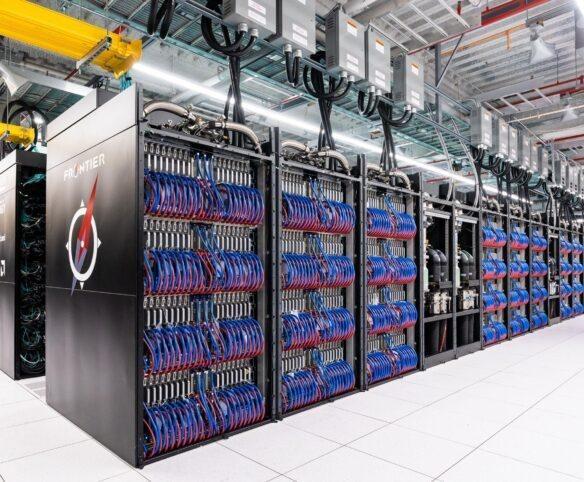
    Cloud providers and technology companies are making significant investments in sustainable infrastructure. Modern data centers are increasingly powered by renewable energy sources such as solar and wind power. Advanced cooling technologies, energy-efficient processors, and intelligent workload management also help reduce electricity consumption. Many organizations now monitor their carbon emissions and set sustainability targets to support environmental responsibility while maintaining high-performance computing capabilities.

    Efficient AI model design is another key aspect of Green AI. Developers are increasingly adopting techniques such as model compression, pruning, quantization, and knowledge distillation to reduce the size and computational requirements of machine learning models. Smaller models require less processing power during both training and inference, making them faster, more cost-effective, and environmentally friendly. These optimization methods also enable AI applications to run efficiently on edge devices, reducing dependence on large cloud infrastructures.

    Edge computing further supports sustainable computing by processing data closer to where it is generated instead of continuously sending information to centralized data centers. This reduces network traffic, lowers latency, and decreases energy consumption associated with data transmission. Smart cities, autonomous vehicles, industrial IoT systems, and healthcare devices increasingly rely on edge AI to deliver real-time intelligence with improved energy efficiency.

    Organizations are also adopting responsible AI development practices by measuring the environmental costs of their AI projects. Researchers now evaluate models not only based on accuracy but also on energy usage, training time, and carbon emissions. This shift encourages developers to create AI systems that balance performance with sustainability, promoting long-term environmental benefits alongside technological advancement.

    Green AI also supports business objectives beyond environmental responsibility. Energy-efficient computing reduces operational costs, lowers infrastructure expenses, and improves system scalability. Companies that prioritize sustainability often strengthen their brand reputation, meet regulatory requirements, and attract environmentally conscious customers and investors. As environmental, social, and governance (ESG) initiatives become more important, sustainable AI practices are increasingly viewed as a competitive advantage.

    Governments and research institutions are also encouraging sustainable computing through policy development and innovation funding. New standards for energy-efficient data centers, carbon reporting, and responsible AI deployment are helping organizations adopt greener technologies. Collaborative research continues to explore next-generation processors, advanced cooling systems, and low-power AI architectures that further reduce environmental impact.

    As AI adoption continues to accelerate across every industry, sustainability must become a core consideration in technology development. Green AI demonstrates that innovation and environmental responsibility can work together to create long-term value. By embracing energy-efficient algorithms, renewable-powered infrastructure, optimized hardware, and responsible development practices, businesses can harness the power of artificial intelligence while protecting the planet. Sustainable computing is no longer just an environmental initiative—it is a strategic approach that ensures the future of AI remains both intelligent and sustainable.

    Read More: https://theinfotech.info/
    Green AI and Sustainable Computing: Building an Environmentally Responsible Digital Future Artificial intelligence (AI) is transforming industries by improving automation, decision-making, and innovation. From healthcare and finance to manufacturing and retail, AI-powered solutions are helping businesses achieve greater efficiency and productivity. However, as AI models become larger and more computationally intensive, they also consume significant amounts of energy. This has led to growing concerns about the environmental impact of AI and data centers. As a result, Green AI and sustainable computing have emerged as essential approaches for developing intelligent technologies while minimizing their carbon footprint. Green AI refers to the practice of designing, training, and deploying artificial intelligence systems in ways that reduce energy consumption and environmental impact. Instead of focusing solely on achieving higher accuracy through increasingly complex models, Green AI emphasizes efficiency, resource optimization, and sustainability. It encourages organizations to build AI systems that deliver strong performance while using fewer computational resources. One of the biggest contributors to AI's environmental impact is the training of large language models and deep learning systems. Training these models often requires thousands of powerful GPUs running continuously for days or even weeks. This process consumes enormous amounts of electricity, much of which may still come from non-renewable energy sources. Sustainable computing aims to address this challenge by optimizing algorithms, improving hardware efficiency, and utilizing renewable energy whenever possible. Cloud providers and technology companies are making significant investments in sustainable infrastructure. Modern data centers are increasingly powered by renewable energy sources such as solar and wind power. Advanced cooling technologies, energy-efficient processors, and intelligent workload management also help reduce electricity consumption. Many organizations now monitor their carbon emissions and set sustainability targets to support environmental responsibility while maintaining high-performance computing capabilities. Efficient AI model design is another key aspect of Green AI. Developers are increasingly adopting techniques such as model compression, pruning, quantization, and knowledge distillation to reduce the size and computational requirements of machine learning models. Smaller models require less processing power during both training and inference, making them faster, more cost-effective, and environmentally friendly. These optimization methods also enable AI applications to run efficiently on edge devices, reducing dependence on large cloud infrastructures. Edge computing further supports sustainable computing by processing data closer to where it is generated instead of continuously sending information to centralized data centers. This reduces network traffic, lowers latency, and decreases energy consumption associated with data transmission. Smart cities, autonomous vehicles, industrial IoT systems, and healthcare devices increasingly rely on edge AI to deliver real-time intelligence with improved energy efficiency. Organizations are also adopting responsible AI development practices by measuring the environmental costs of their AI projects. Researchers now evaluate models not only based on accuracy but also on energy usage, training time, and carbon emissions. This shift encourages developers to create AI systems that balance performance with sustainability, promoting long-term environmental benefits alongside technological advancement. Green AI also supports business objectives beyond environmental responsibility. Energy-efficient computing reduces operational costs, lowers infrastructure expenses, and improves system scalability. Companies that prioritize sustainability often strengthen their brand reputation, meet regulatory requirements, and attract environmentally conscious customers and investors. As environmental, social, and governance (ESG) initiatives become more important, sustainable AI practices are increasingly viewed as a competitive advantage. Governments and research institutions are also encouraging sustainable computing through policy development and innovation funding. New standards for energy-efficient data centers, carbon reporting, and responsible AI deployment are helping organizations adopt greener technologies. Collaborative research continues to explore next-generation processors, advanced cooling systems, and low-power AI architectures that further reduce environmental impact. As AI adoption continues to accelerate across every industry, sustainability must become a core consideration in technology development. Green AI demonstrates that innovation and environmental responsibility can work together to create long-term value. By embracing energy-efficient algorithms, renewable-powered infrastructure, optimized hardware, and responsible development practices, businesses can harness the power of artificial intelligence while protecting the planet. Sustainable computing is no longer just an environmental initiative—it is a strategic approach that ensures the future of AI remains both intelligent and sustainable. Read More: https://theinfotech.info/
    THEINFOTECH.INFO
    The Infotech - The Infotech | Latest New, Event, Video, Articles
    The Infotech delivers AI news, tech insights, expert analysis, and industry trends, empowering businesses and professionals in the evolving digital world.
    0 Comments 0 Shares
  • The DLC Rack Manifold Advantage for Modern Liquid Cooling Systems

    The rapid growth of AI, #edge_computing, and data-intensive applications is transforming data center infrastructure. As servers become more powerful, heat generation increases significantly, creating new challenges for #thermal_management. Modern liquid cooling technologies are emerging as the preferred solution for maintaining performance and operational efficiency.

    At the heart of these advanced cooling architectures is the #rack_manifold_system. Designed to distribute coolant throughout a rack environment, it creates a reliable pathway between facility cooling networks and #liquid_cooled_IT equipment. This centralized approach simplifies deployment while improving cooling consistency.

    A liquid cooling rack manifold enables precise coolant delivery to multiple servers within a rack. By maintaining balanced flow and #temperature_control, it helps prevent hotspots that can negatively impact hardware performance. The result is a more stable and #efficient_computing environment.

    As rack densities continue to rise, the importance of a server rack manifold becomes increasingly evident. High-performance processors and #GPUs demand cooling solutions capable of removing large amounts of #heat quickly. Manifold-based liquid cooling meets these requirements without increasing the data center's physical footprint.

    This scalability helps organizations adapt to evolving workloads while preserving existing cooling investments. Modern rack manifolds also contribute to #infrastructure_flexibility. Their modular design allows operators to integrate new liquid-cooled equipment with minimal disruption.

    Another significant benefit of a rack manifold is operational efficiency. Centralized #coolant_management reduces system complexity and streamlines maintenance activities. Features such as quick-connect interfaces and #flow monitoring help improve uptime while simplifying service procedures.

    Liquid cooling transfers heat far more effectively than traditional air-based methods, decreasing the reliance on high-powered fans and excessive #airflow_management. Advanced cooling systems supported by manifold technology can also reduce #energy_consumption. This supports both sustainability goals and long-term cost savings. Explore rack manifold solutions for high-density server cooling: https://www.coolitsystems.com/products-services/server-products/rack-manifolds/

    Organizations seeking to future-proof their data centers are increasingly turning to innovative solutions from #industry leaders. By combining intelligent coolant distribution with scalable liquid-cooling infrastructure, businesses can confidently meet the demands of AI, #HPC, and next-generation computing. Boost data center cooling with reliable rack manifolds: https://b-s-i.org/how-to-select-the-right-rack-manifold-for-your-cooling-infrastructure/

    As digital workloads continue to expand, investing in a high-performance rack manifold system is becoming a strategic necessity. Efficient coolant delivery, enhanced reliability, and improved energy efficiency make manifold technology a key component of #moder_liquid_cooling success.

    Looking to optimize your data center for AI and #high_density_computing? Visit CoolIT Systems today ( https://maps.app.goo.gl/22chXYAq3H29H2rv6 ) and learn how advanced rack manifold solutions can unlock greater efficiency, scalability, and performance for your liquid cooling strategy.
    The DLC Rack Manifold Advantage for Modern Liquid Cooling Systems The rapid growth of AI, #edge_computing, and data-intensive applications is transforming data center infrastructure. As servers become more powerful, heat generation increases significantly, creating new challenges for #thermal_management. Modern liquid cooling technologies are emerging as the preferred solution for maintaining performance and operational efficiency. At the heart of these advanced cooling architectures is the #rack_manifold_system. Designed to distribute coolant throughout a rack environment, it creates a reliable pathway between facility cooling networks and #liquid_cooled_IT equipment. This centralized approach simplifies deployment while improving cooling consistency. A liquid cooling rack manifold enables precise coolant delivery to multiple servers within a rack. By maintaining balanced flow and #temperature_control, it helps prevent hotspots that can negatively impact hardware performance. The result is a more stable and #efficient_computing environment. As rack densities continue to rise, the importance of a server rack manifold becomes increasingly evident. High-performance processors and #GPUs demand cooling solutions capable of removing large amounts of #heat quickly. Manifold-based liquid cooling meets these requirements without increasing the data center's physical footprint. This scalability helps organizations adapt to evolving workloads while preserving existing cooling investments. Modern rack manifolds also contribute to #infrastructure_flexibility. Their modular design allows operators to integrate new liquid-cooled equipment with minimal disruption. Another significant benefit of a rack manifold is operational efficiency. Centralized #coolant_management reduces system complexity and streamlines maintenance activities. Features such as quick-connect interfaces and #flow monitoring help improve uptime while simplifying service procedures. Liquid cooling transfers heat far more effectively than traditional air-based methods, decreasing the reliance on high-powered fans and excessive #airflow_management. Advanced cooling systems supported by manifold technology can also reduce #energy_consumption. This supports both sustainability goals and long-term cost savings. Explore rack manifold solutions for high-density server cooling: https://www.coolitsystems.com/products-services/server-products/rack-manifolds/ Organizations seeking to future-proof their data centers are increasingly turning to innovative solutions from #industry leaders. By combining intelligent coolant distribution with scalable liquid-cooling infrastructure, businesses can confidently meet the demands of AI, #HPC, and next-generation computing. Boost data center cooling with reliable rack manifolds: https://b-s-i.org/how-to-select-the-right-rack-manifold-for-your-cooling-infrastructure/ As digital workloads continue to expand, investing in a high-performance rack manifold system is becoming a strategic necessity. Efficient coolant delivery, enhanced reliability, and improved energy efficiency make manifold technology a key component of #moder_liquid_cooling success. Looking to optimize your data center for AI and #high_density_computing? Visit CoolIT Systems today ( https://maps.app.goo.gl/22chXYAq3H29H2rv6 ) and learn how advanced rack manifold solutions can unlock greater efficiency, scalability, and performance for your liquid cooling strategy.
    CoolIT Systems - Corporate HQ
    Find local businesses, view maps and get driving directions in Google Maps.
    0 Comments 0 Shares
  • How Cooling Distribution Units Work in Modern Data Center Environments

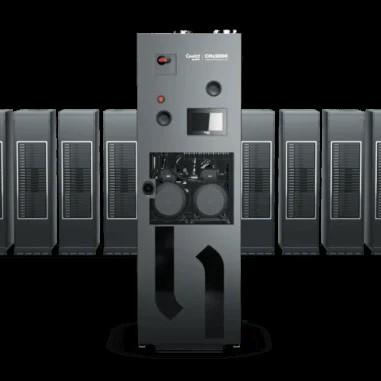
    At the center of these solutions are cooling distribution units, which help regulate and deliver coolant throughout the cooling network while maintaining optimal operating conditions. As data centers continue to support #AI, cloud computing, and high-performance workloads, thermal management has become a critical part of infrastructure planning. Traditional air-based methods often struggle to keep pace with increasing #rack_densities, leading organizations to adopt advanced liquid cooling systems.

    A coolant distribution unit acts as the control hub of a liquid cooling environment. It manages the flow, pressure, #temperature, and quality of coolant circulating through servers and other heat-generating equipment. By precisely controlling coolant delivery, CDUs ensure that heat is efficiently removed from processors, #GPUs, and other high-performance components. This targeted approach improves thermal efficiency while reducing the energy required to cool modern computing environments.

    In today's advanced cooling systems, #CDU units operate by transferring heat from the facility water supply to a closed-loop coolant circuit. The unit continuously circulates coolant through cold plates or other liquid cooling components, absorbing heat directly from electronic equipment. Once the #coolant returns to the unit, heat is exchanged and removed before the cooled liquid is recirculated. This process enables consistent temperature control, even in high-density deployments where traditional cooling methods may be insufficient.

    The growing adoption of AI and machine learning workloads has further increased the importance of reliable #cooling_distribution_units. As computing power rises, so does heat generation. Efficient CDUs help maintain stable operating temperatures, reduce thermal stress on hardware, and support higher rack densities without sacrificing performance. This allows data center operators to maximize infrastructure utilization while improving energy efficiency and reducing operational costs. Boost Cooling Efficiency with Data Center CDUs: https://www.coolitsystems.com/products-services/data-center-products/cooling-distribution-units/

    Modern liquid cooling systems also provide significant scalability advantages. Organizations can deploy additional servers, accelerators, and AI #hardware without requiring extensive modifications to existing cooling infrastructure. By integrating advanced monitoring capabilities, cooling distribution units provide real-time visibility into system performance, enabling operators to optimize cooling effectiveness and identify potential issues before they impact operations.

    As a leader in advanced liquid cooling technology, #CoolIT_Systems continues to develop innovative thermal management solutions that help organizations meet the challenges of next-generation computing. By leveraging high-performance cooling systems and intelligent coolant management technologies, data centers can improve efficiency, enhance reliability, and prepare for future #growth with confidence. Discover cooling distribution units benefits and best practices today: https://spicewebs.com/cooling-distribution-units-explained-benefits-risks-and-best-practices/

    Whether you're supporting AI workloads, expanding capacity, or improving #energy efficiency, we can help you identify solutions that enhance performance, maximize uptime, and support long-term scalability. Find our location on the map ( https://maps.app.goo.gl/22chXYAq3H29H2rv6 ) and meet with our specialists to discover advanced cooling strategies designed to improve operational efficiency and prepare your infrastructure for future growth.

    How Cooling Distribution Units Work in Modern Data Center Environments At the center of these solutions are cooling distribution units, which help regulate and deliver coolant throughout the cooling network while maintaining optimal operating conditions. As data centers continue to support #AI, cloud computing, and high-performance workloads, thermal management has become a critical part of infrastructure planning. Traditional air-based methods often struggle to keep pace with increasing #rack_densities, leading organizations to adopt advanced liquid cooling systems. A coolant distribution unit acts as the control hub of a liquid cooling environment. It manages the flow, pressure, #temperature, and quality of coolant circulating through servers and other heat-generating equipment. By precisely controlling coolant delivery, CDUs ensure that heat is efficiently removed from processors, #GPUs, and other high-performance components. This targeted approach improves thermal efficiency while reducing the energy required to cool modern computing environments. In today's advanced cooling systems, #CDU units operate by transferring heat from the facility water supply to a closed-loop coolant circuit. The unit continuously circulates coolant through cold plates or other liquid cooling components, absorbing heat directly from electronic equipment. Once the #coolant returns to the unit, heat is exchanged and removed before the cooled liquid is recirculated. This process enables consistent temperature control, even in high-density deployments where traditional cooling methods may be insufficient. The growing adoption of AI and machine learning workloads has further increased the importance of reliable #cooling_distribution_units. As computing power rises, so does heat generation. Efficient CDUs help maintain stable operating temperatures, reduce thermal stress on hardware, and support higher rack densities without sacrificing performance. This allows data center operators to maximize infrastructure utilization while improving energy efficiency and reducing operational costs. Boost Cooling Efficiency with Data Center CDUs: https://www.coolitsystems.com/products-services/data-center-products/cooling-distribution-units/ Modern liquid cooling systems also provide significant scalability advantages. Organizations can deploy additional servers, accelerators, and AI #hardware without requiring extensive modifications to existing cooling infrastructure. By integrating advanced monitoring capabilities, cooling distribution units provide real-time visibility into system performance, enabling operators to optimize cooling effectiveness and identify potential issues before they impact operations. As a leader in advanced liquid cooling technology, #CoolIT_Systems continues to develop innovative thermal management solutions that help organizations meet the challenges of next-generation computing. By leveraging high-performance cooling systems and intelligent coolant management technologies, data centers can improve efficiency, enhance reliability, and prepare for future #growth with confidence. Discover cooling distribution units benefits and best practices today: https://spicewebs.com/cooling-distribution-units-explained-benefits-risks-and-best-practices/ Whether you're supporting AI workloads, expanding capacity, or improving #energy efficiency, we can help you identify solutions that enhance performance, maximize uptime, and support long-term scalability. Find our location on the map ( https://maps.app.goo.gl/22chXYAq3H29H2rv6 ) and meet with our specialists to discover advanced cooling strategies designed to improve operational efficiency and prepare your infrastructure for future growth.
    0 Comments 0 Shares
  • Revolutionizing Data Center Cooling with Advanced Rack Manifold Solutions

    The rapid growth of #high_performance_computing and AI workloads is pushing thermal management to its limits, making advanced cooling strategies more critical than ever. A liquid cooling rack manifold is emerging as a cornerstone technology, enabling efficient heat removal directly at the source. By distributing #coolant precisely across servers, this innovation minimizes thermal resistance and significantly improves overall system reliability, helping modern data centers meet increasing performance demands without excessive energy consumption.

    At the heart of this transformation is the #rack_manifold, a compact yet powerful distribution hub that streamlines the flow of cooling liquid within server racks. Designed for scalability and flexibility, these systems allow operators to manage #multiple_cooling loops with precision. Businesses exploring next-generation infrastructure often note that they found manifold systems highly adaptable, supporting both retrofits and new builds with minimal disruption to operations. Explore modern rack manifold designs and benefits : https://www.webnetcreative.com/the-role-of-a-server-rack-manifold-in-modern-liquid-cooling-systems/

    A direct #liquid_cooling-manifold takes efficiency a step further by delivering coolant directly to heat-generating components, such as CPUs and GPUs. This targeted approach reduces reliance on the server rack manifold, lowering energy costs and enabling higher rack densities. With improved thermal consistency, data centers can maintain optimal performance even under heavy computational loads, ensuring uptime and extending hardware lifespan. Check out advanced server rack manifold solutions : https://www.coolitsystems.com/products-services/server-products/rack-manifolds/

    As demand for sustainable and high-density computing continues to rise, the data center rack manifold is becoming an essential component of future-ready infrastructure. Industry leaders are driving innovation in this space, offering advanced solutions that integrate seamlessly into #modern_environments. To explore how these advanced cooling technologies can transform your operations, visit their location and discover tailored solutions ( https://maps.app.goo.gl/22chXYAq3H29H2rv6
    )designed for next-generation data centers.
    Revolutionizing Data Center Cooling with Advanced Rack Manifold Solutions The rapid growth of #high_performance_computing and AI workloads is pushing thermal management to its limits, making advanced cooling strategies more critical than ever. A liquid cooling rack manifold is emerging as a cornerstone technology, enabling efficient heat removal directly at the source. By distributing #coolant precisely across servers, this innovation minimizes thermal resistance and significantly improves overall system reliability, helping modern data centers meet increasing performance demands without excessive energy consumption. At the heart of this transformation is the #rack_manifold, a compact yet powerful distribution hub that streamlines the flow of cooling liquid within server racks. Designed for scalability and flexibility, these systems allow operators to manage #multiple_cooling loops with precision. Businesses exploring next-generation infrastructure often note that they found manifold systems highly adaptable, supporting both retrofits and new builds with minimal disruption to operations. Explore modern rack manifold designs and benefits : https://www.webnetcreative.com/the-role-of-a-server-rack-manifold-in-modern-liquid-cooling-systems/ A direct #liquid_cooling-manifold takes efficiency a step further by delivering coolant directly to heat-generating components, such as CPUs and GPUs. This targeted approach reduces reliance on the server rack manifold, lowering energy costs and enabling higher rack densities. With improved thermal consistency, data centers can maintain optimal performance even under heavy computational loads, ensuring uptime and extending hardware lifespan. Check out advanced server rack manifold solutions : https://www.coolitsystems.com/products-services/server-products/rack-manifolds/ As demand for sustainable and high-density computing continues to rise, the data center rack manifold is becoming an essential component of future-ready infrastructure. Industry leaders are driving innovation in this space, offering advanced solutions that integrate seamlessly into #modern_environments. To explore how these advanced cooling technologies can transform your operations, visit their location and discover tailored solutions ( https://maps.app.goo.gl/22chXYAq3H29H2rv6 )designed for next-generation data centers.
    0 Comments 0 Shares
  • Top Engineers Reveal Why Coldplates Are Game-Changers

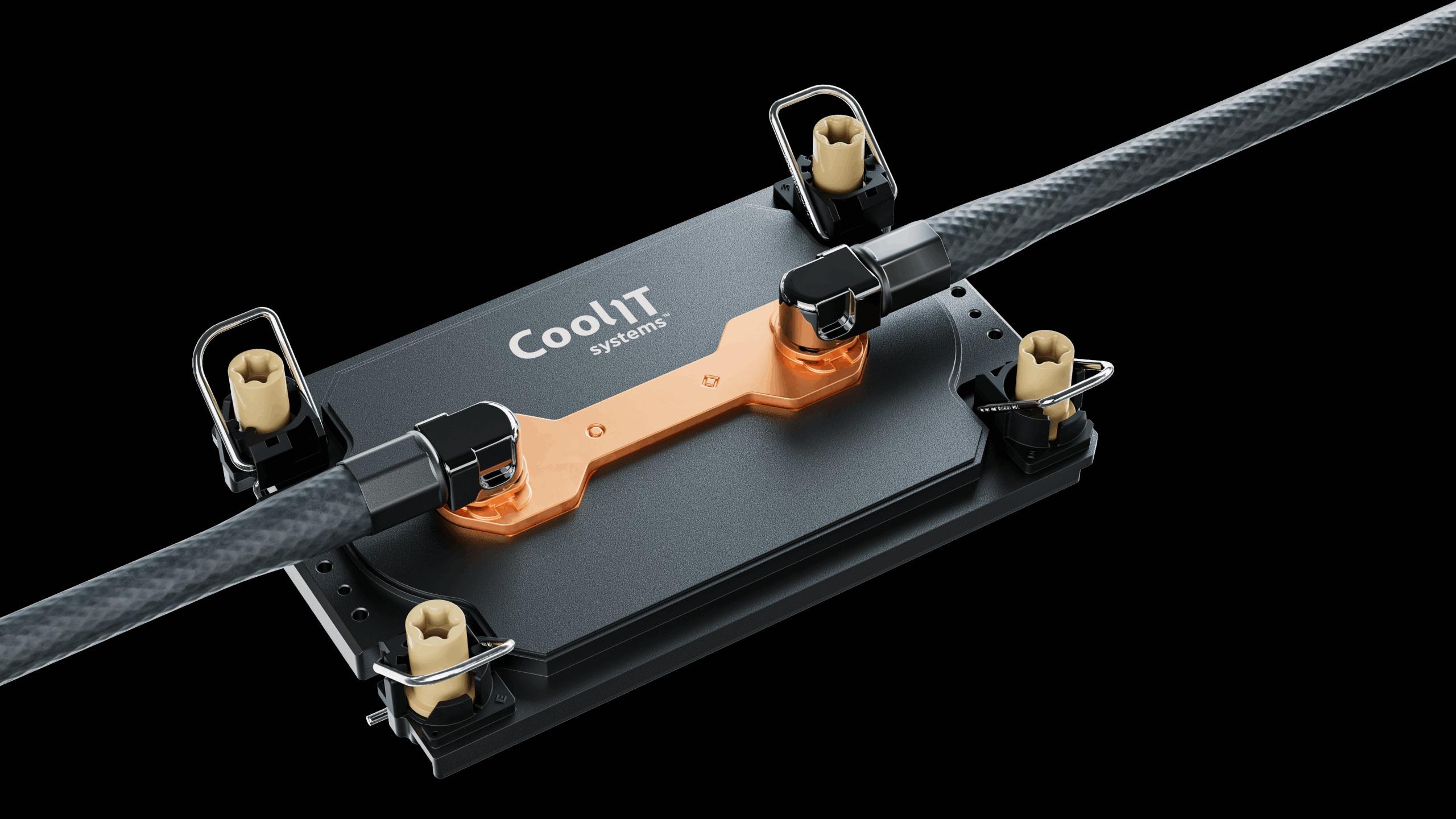
    As computing power continues to climb, traditional air-based approaches struggle to keep pace with thermal demands. That’s why engineers are increasingly focused on direct to chip cooling, a method that delivers cooling fluid straight to the hottest components. At the heart of this approach are coldplates, #precision_engineered_components designed to efficiently remove heat at the source, improving stability and performance in high-density environments.

    Unlike conventional methods, a cold plate sits directly on processors, GPUs, or other heat-generating hardware, allowing heat to transfer rapidly into circulating coolant. These liquid cold plates are a core part of next-generation cooling systems, helping reduce #thermal_resistance and enabling servers to operate at higher power densities without overheating or throttling.

    Industry leaders such as CoolIT Systems have advanced this technology by refining liquid-cooling architectures that integrate seamlessly with modern infrastructure. Their work highlights how scalable coldplates designs are reshaping expectations around #energy_efficiency, rack density, and long-term hardware reliability in mission-critical environments. Upgrade your cooling systems with coldplates today : http://yogatrends.org/how-cold....-plates-support-ener

    What makes this shift so important is not just performance, but sustainability. By moving away from air-heavy cooling methods, data centers can significantly reduce energy consumption while improving the precision of heat dissipation. Engineers emphasize that well-designed #cooling_systems built around coldplates are becoming essential for AI workloads, HPC clusters, and cloud-scale operations. Boost performance with direct to chip cooling : https://www.coolitsystems.com/....coldplate-technology

    For organizations planning future-ready infrastructure, understanding and adopting direct to chip cooling is #quickly_moving from optional to essential. If you're exploring upgrades or maintenance options, find nearby coldplate service to connect with specialists who can help optimize thermal performance and system efficiency for your setup. Get directions to our location : https://maps.app.goo.gl/22chXYAq3H29H2rv6
    Top Engineers Reveal Why Coldplates Are Game-Changers As computing power continues to climb, traditional air-based approaches struggle to keep pace with thermal demands. That’s why engineers are increasingly focused on direct to chip cooling, a method that delivers cooling fluid straight to the hottest components. At the heart of this approach are coldplates, #precision_engineered_components designed to efficiently remove heat at the source, improving stability and performance in high-density environments. Unlike conventional methods, a cold plate sits directly on processors, GPUs, or other heat-generating hardware, allowing heat to transfer rapidly into circulating coolant. These liquid cold plates are a core part of next-generation cooling systems, helping reduce #thermal_resistance and enabling servers to operate at higher power densities without overheating or throttling. Industry leaders such as CoolIT Systems have advanced this technology by refining liquid-cooling architectures that integrate seamlessly with modern infrastructure. Their work highlights how scalable coldplates designs are reshaping expectations around #energy_efficiency, rack density, and long-term hardware reliability in mission-critical environments. Upgrade your cooling systems with coldplates today : http://yogatrends.org/how-cold....-plates-support-ener What makes this shift so important is not just performance, but sustainability. By moving away from air-heavy cooling methods, data centers can significantly reduce energy consumption while improving the precision of heat dissipation. Engineers emphasize that well-designed #cooling_systems built around coldplates are becoming essential for AI workloads, HPC clusters, and cloud-scale operations. Boost performance with direct to chip cooling : https://www.coolitsystems.com/....coldplate-technology For organizations planning future-ready infrastructure, understanding and adopting direct to chip cooling is #quickly_moving from optional to essential. If you're exploring upgrades or maintenance options, find nearby coldplate service to connect with specialists who can help optimize thermal performance and system efficiency for your setup. Get directions to our location : https://maps.app.goo.gl/22chXYAq3H29H2rv6
    0 Comments 0 Shares
  • How Direct Liquid Cooling Servers Improve Performance and Energy Efficiency

    As artificial intelligence workloads continue to grow, traditional air-based cooling is becoming less effective for modern data centers. This is where AI server liquid cooling plays a critical role. Advanced liquid cooling systems are designed to remove heat more efficiently from #high_performance_processors and GPUs, allowing servers to operate at higher speeds without overheating. By delivering cooling directly to the hottest components, #organizations can maintain optimal performance while supporting the demanding requirements of AI and high-performance computing.

    One of the most effective technologies in this space is direct liquid cooling servers. Unlike traditional #air_cooling_methods that rely on fans and airflow, direct liquid cooling servers use specially designed cold plates and #circulating_coolant to absorb heat directly from the processors. This approach significantly improves thermal management and reduces temperature fluctuations, helping maintain consistent performance even under heavy computational loads. Get Direct Liquid Cooling Solutions: https://www.coolitsystems.com/products-services/data-center-products/direct-liquid-cooled-servers/

    Another key advantage of modern cooling systems is energy efficiency. Data centers consume massive amounts of electricity, and inefficient cooling can dramatically increase operational costs. With advanced liquid cooling systems, less energy is required to maintain optimal temperatures because liquids transfer heat far more efficiently than air. Companies such as #CoolIT_Systems are leading the way in developing innovative #technologies that help data centers reduce power consumption, lower carbon emissions, and improve sustainability.

    In addition to performance and efficiency benefits, AI server liquid cooling also helps extend #hardware lifespan and reduce maintenance needs. By minimizing heat stress on components, servers experience fewer failures and maintain stability over longer periods. If you want to learn more about advanced direct liquid-cooling servers and #reliable_cooling_systems, explore our solutions and locate us easily to connect with experts who can help optimize your data center cooling strategy ( https://maps.app.goo.gl/22chXYAq3H29H2rv6 ).
    How Direct Liquid Cooling Servers Improve Performance and Energy Efficiency As artificial intelligence workloads continue to grow, traditional air-based cooling is becoming less effective for modern data centers. This is where AI server liquid cooling plays a critical role. Advanced liquid cooling systems are designed to remove heat more efficiently from #high_performance_processors and GPUs, allowing servers to operate at higher speeds without overheating. By delivering cooling directly to the hottest components, #organizations can maintain optimal performance while supporting the demanding requirements of AI and high-performance computing. One of the most effective technologies in this space is direct liquid cooling servers. Unlike traditional #air_cooling_methods that rely on fans and airflow, direct liquid cooling servers use specially designed cold plates and #circulating_coolant to absorb heat directly from the processors. This approach significantly improves thermal management and reduces temperature fluctuations, helping maintain consistent performance even under heavy computational loads. Get Direct Liquid Cooling Solutions: https://www.coolitsystems.com/products-services/data-center-products/direct-liquid-cooled-servers/ Another key advantage of modern cooling systems is energy efficiency. Data centers consume massive amounts of electricity, and inefficient cooling can dramatically increase operational costs. With advanced liquid cooling systems, less energy is required to maintain optimal temperatures because liquids transfer heat far more efficiently than air. Companies such as #CoolIT_Systems are leading the way in developing innovative #technologies that help data centers reduce power consumption, lower carbon emissions, and improve sustainability. In addition to performance and efficiency benefits, AI server liquid cooling also helps extend #hardware lifespan and reduce maintenance needs. By minimizing heat stress on components, servers experience fewer failures and maintain stability over longer periods. If you want to learn more about advanced direct liquid-cooling servers and #reliable_cooling_systems, explore our solutions and locate us easily to connect with experts who can help optimize your data center cooling strategy ( https://maps.app.goo.gl/22chXYAq3H29H2rv6 ).
    Direct Liquid Cooled Servers
    0 Comments 0 Shares
  • Enterprise AI Leaders to Watch: Top B2B Tech Companies in 2026

    Artificial intelligence has become the backbone of modern B2B innovation, transforming how enterprises operate, analyze data, and engage customers. In 2026, the U.S. AI ecosystem is dominated by companies that combine advanced technology, scalable infrastructure, and enterprise-ready solutions. These organizations are not just building tools—they are enabling full-scale digital transformation.
    Here are the top 10 B2B AI tech companies leading the U.S. market in 2026:
    1. NVIDIA
    NVIDIA is the global leader in AI infrastructure, powering the majority of enterprise AI workloads through its GPUs and computing platforms. Its technology is critical for training large AI models and enabling high-performance computing.
    2. Microsoft
    Microsoft has positioned itself as a dominant force in enterprise AI through Azure, Copilot, and its integration with OpenAI models. It enables businesses to embed AI into everyday workflows at scale.
    3. Databricks
    Databricks is revolutionizing data and AI collaboration with its Lakehouse platform, helping enterprises unify analytics and machine learning for faster decision-making.
    4. Alphabet (Google)
    Through Google Cloud, DeepMind, and Vertex AI, Alphabet continues to lead in AI research and enterprise solutions, enabling businesses to leverage massive datasets and advanced models.
    5. OpenAI
    OpenAI is a key player in generative AI, offering powerful language models that drive automation, content creation, and customer engagement across industries.
    6. Amazon Web Services (AWS)
    AWS provides scalable AI and machine learning services, allowing enterprises to build, train, and deploy AI applications globally with flexibility and efficiency.
    7. IBM
    IBM continues to lead in enterprise AI with its focus on hybrid cloud, automation, and AI-powered business solutions tailored for large organizations.
    8. Palantir Technologies
    Palantir specializes in AI-driven data analytics platforms used by enterprises and governments to improve decision-making and operational efficiency.
    9. Meta Platforms
    Meta is advancing AI through its open-source models like LLaMA, enabling businesses to build scalable AI applications and accelerate innovation.
    10. Cohere
    Cohere focuses on enterprise-grade language models, helping businesses integrate AI into customer support, content generation, and decision-making processes.
    What Makes These Companies Leaders?
    These organizations share several defining characteristics:
    • Enterprise scalability: Solutions designed for large-scale deployment
    • Strong cloud ecosystems: Integration with global infrastructure
    • Advanced AI capabilities: Generative AI, machine learning, and automation
    • Data-driven innovation: Turning data into actionable insights
    Their technologies are enabling businesses to move from manual processes to intelligent, automated workflows.
    Key Trends Driving the B2B AI Market in 2026
    Several major trends are shaping the dominance of these companies:
    • AI becoming a core part of enterprise operations
    • Growth of generative and agentic AI systems
    • Increased investment in cloud and data infrastructure
    • Demand for real-time insights and automation
    Industry experts note that AI is now transitioning from experimental tools to fully integrated digital coworkers within enterprise workflows.

    Why This Matters for B2B Companies
    For B2B organizations, these AI leaders are more than vendors—they are strategic enablers. Their platforms help businesses:
    • Improve efficiency through automation
    • Enhance customer experiences with personalization
    • Make faster, data-driven decisions
    • Scale operations globally
    Choosing the right AI partner can significantly impact a company’s ability to compete in a rapidly evolving digital landscape.
    Conclusion
    The U.S. B2B AI market in 2026 is defined by companies that combine innovation, scalability, and enterprise focus. From infrastructure giants like NVIDIA and Microsoft to AI pioneers like OpenAI and Cohere, these organizations are shaping the future of business technology.
    As AI continues to evolve, the companies that successfully leverage these platforms will lead the next wave of B2B growth and transformation.
    INTENT AMPLIFY is evolving fast. Are you keeping up? Read more at intentamplify.com
    To participate in our interviews, please write to our Media Room at info@intentamplify.com
    Enterprise AI Leaders to Watch: Top B2B Tech Companies in 2026 Artificial intelligence has become the backbone of modern B2B innovation, transforming how enterprises operate, analyze data, and engage customers. In 2026, the U.S. AI ecosystem is dominated by companies that combine advanced technology, scalable infrastructure, and enterprise-ready solutions. These organizations are not just building tools—they are enabling full-scale digital transformation. Here are the top 10 B2B AI tech companies leading the U.S. market in 2026: 1. NVIDIA NVIDIA is the global leader in AI infrastructure, powering the majority of enterprise AI workloads through its GPUs and computing platforms. Its technology is critical for training large AI models and enabling high-performance computing. 2. Microsoft Microsoft has positioned itself as a dominant force in enterprise AI through Azure, Copilot, and its integration with OpenAI models. It enables businesses to embed AI into everyday workflows at scale. 3. Databricks Databricks is revolutionizing data and AI collaboration with its Lakehouse platform, helping enterprises unify analytics and machine learning for faster decision-making. 4. Alphabet (Google) Through Google Cloud, DeepMind, and Vertex AI, Alphabet continues to lead in AI research and enterprise solutions, enabling businesses to leverage massive datasets and advanced models. 5. OpenAI OpenAI is a key player in generative AI, offering powerful language models that drive automation, content creation, and customer engagement across industries. 6. Amazon Web Services (AWS) AWS provides scalable AI and machine learning services, allowing enterprises to build, train, and deploy AI applications globally with flexibility and efficiency. 7. IBM IBM continues to lead in enterprise AI with its focus on hybrid cloud, automation, and AI-powered business solutions tailored for large organizations. 8. Palantir Technologies Palantir specializes in AI-driven data analytics platforms used by enterprises and governments to improve decision-making and operational efficiency. 9. Meta Platforms Meta is advancing AI through its open-source models like LLaMA, enabling businesses to build scalable AI applications and accelerate innovation. 10. Cohere Cohere focuses on enterprise-grade language models, helping businesses integrate AI into customer support, content generation, and decision-making processes. What Makes These Companies Leaders? These organizations share several defining characteristics: • Enterprise scalability: Solutions designed for large-scale deployment • Strong cloud ecosystems: Integration with global infrastructure • Advanced AI capabilities: Generative AI, machine learning, and automation • Data-driven innovation: Turning data into actionable insights Their technologies are enabling businesses to move from manual processes to intelligent, automated workflows. Key Trends Driving the B2B AI Market in 2026 Several major trends are shaping the dominance of these companies: • AI becoming a core part of enterprise operations • Growth of generative and agentic AI systems • Increased investment in cloud and data infrastructure • Demand for real-time insights and automation Industry experts note that AI is now transitioning from experimental tools to fully integrated digital coworkers within enterprise workflows. Why This Matters for B2B Companies For B2B organizations, these AI leaders are more than vendors—they are strategic enablers. Their platforms help businesses: • Improve efficiency through automation • Enhance customer experiences with personalization • Make faster, data-driven decisions • Scale operations globally Choosing the right AI partner can significantly impact a company’s ability to compete in a rapidly evolving digital landscape. Conclusion The U.S. B2B AI market in 2026 is defined by companies that combine innovation, scalability, and enterprise focus. From infrastructure giants like NVIDIA and Microsoft to AI pioneers like OpenAI and Cohere, these organizations are shaping the future of business technology. As AI continues to evolve, the companies that successfully leverage these platforms will lead the next wave of B2B growth and transformation. INTENT AMPLIFY is evolving fast. Are you keeping up? Read more at intentamplify.com To participate in our interviews, please write to our Media Room at info@intentamplify.com
    0 Comments 0 Shares
  • Enterprise AI Leaders to Watch: Top B2B Tech Companies in 2026
    Artificial intelligence is no longer a futuristic concept it is the foundation of modern B2B innovation. In 2026, U.S.-based AI companies are transforming how enterprises operate, from automating workflows to enabling predictive decision-making and enhancing customer experiences.
    For B2B organizations, choosing the right AI partner can define competitive advantage. Here are the top 10 B2B AI tech companies leading the U.S. market in 2026.
    1. NVIDIA
    NVIDIA is the backbone of AI infrastructure, powering over 90% of major AI workloads globally through its GPUs and computing platforms. Its advanced chips and software ecosystem enable enterprises to train and deploy AI models at scale.
    2. Microsoft
    Microsoft has become a leader in enterprise AI with its Azure cloud platform and AI integrations like Copilot. Its partnership with OpenAI allows businesses to embed advanced AI capabilities into everyday workflows.
    3. Databricks
    Databricks is redefining how enterprises manage data and AI through its Lakehouse platform. It enables organizations to unify data analytics and machine learning, accelerating AI adoption across industries.
    4. Alphabet (Google)
    Google continues to lead in AI research and enterprise solutions through platforms like Vertex AI and DeepMind. Its AI-powered tools help businesses leverage large datasets for smarter decision-making.
    5. OpenAI
    OpenAI is a major force in generative AI, offering powerful models that enable automation, content generation, and intelligent customer interactions for enterprises.
    6. Amazon Web Services (AWS)
    AWS provides scalable AI and machine learning services, making it easier for businesses to build, train, and deploy AI applications globally.
    7. IBM
    IBM continues to play a key role in enterprise AI with its focus on hybrid cloud, automation, and AI-driven business solutions tailored for large organizations.
    8. Palantir Technologies
    Palantir specializes in AI-powered data analytics platforms that help enterprises and governments make data-driven decisions and optimize operations at scale.
    9. Meta Platforms
    Meta is advancing AI through its open-source models like LLaMA, enabling businesses to build scalable AI applications and innovate across industries.
    10. Cohere
    Cohere focuses on enterprise-grade language models, helping businesses integrate AI into customer support, content generation, and decision-making processes.
    What Makes These Companies Stand Out
    These companies share several key strengths that position them as leaders in the B2B AI space:
    • Scalable infrastructure: Cloud platforms and AI hardware that support enterprise-level workloads
    • Advanced AI models: Cutting-edge generative and predictive AI capabilities
    • Enterprise focus: Solutions designed for real-world business challenges
    • Strong ecosystems: Partnerships and integrations across industries

    Key Trends Driving the U.S. B2B AI Market
    Several trends are fueling the growth of these companies:
    • AI becoming core to business operations rather than an add-on
    • Rise of generative and agentic AI systems
    • Increased investment in data platforms and cloud infrastructure
    • Demand for automation and real-time insights in enterprise workflows
    Why This Matters for B2B Companies
    For B2B organizations, these AI leaders are more than technology providers—they are strategic enablers. Their solutions help businesses:
    • Improve efficiency through automation
    • Enhance customer experiences with personalization
    • Make faster, data-driven decisions
    • Scale operations globally
    Conclusion
    The U.S. AI landscape in 2026 is dominated by companies that combine innovation, scalability, and enterprise readiness. From infrastructure giants like NVIDIA and Microsoft to AI pioneers like OpenAI and Cohere, these organizations are shaping the future of B2B technology.
    As AI continues to evolve, businesses that leverage these platforms effectively will lead their industries.
    INTENT AMPLIFY is evolving fast. Are you keeping up? Read more at intentamplify.com
    To participate in our interviews, please write to our Media Room at info@intentamplify.com
    Enterprise AI Leaders to Watch: Top B2B Tech Companies in 2026 Artificial intelligence is no longer a futuristic concept it is the foundation of modern B2B innovation. In 2026, U.S.-based AI companies are transforming how enterprises operate, from automating workflows to enabling predictive decision-making and enhancing customer experiences. For B2B organizations, choosing the right AI partner can define competitive advantage. Here are the top 10 B2B AI tech companies leading the U.S. market in 2026. 1. NVIDIA NVIDIA is the backbone of AI infrastructure, powering over 90% of major AI workloads globally through its GPUs and computing platforms. Its advanced chips and software ecosystem enable enterprises to train and deploy AI models at scale. 2. Microsoft Microsoft has become a leader in enterprise AI with its Azure cloud platform and AI integrations like Copilot. Its partnership with OpenAI allows businesses to embed advanced AI capabilities into everyday workflows. 3. Databricks Databricks is redefining how enterprises manage data and AI through its Lakehouse platform. It enables organizations to unify data analytics and machine learning, accelerating AI adoption across industries. 4. Alphabet (Google) Google continues to lead in AI research and enterprise solutions through platforms like Vertex AI and DeepMind. Its AI-powered tools help businesses leverage large datasets for smarter decision-making. 5. OpenAI OpenAI is a major force in generative AI, offering powerful models that enable automation, content generation, and intelligent customer interactions for enterprises. 6. Amazon Web Services (AWS) AWS provides scalable AI and machine learning services, making it easier for businesses to build, train, and deploy AI applications globally. 7. IBM IBM continues to play a key role in enterprise AI with its focus on hybrid cloud, automation, and AI-driven business solutions tailored for large organizations. 8. Palantir Technologies Palantir specializes in AI-powered data analytics platforms that help enterprises and governments make data-driven decisions and optimize operations at scale. 9. Meta Platforms Meta is advancing AI through its open-source models like LLaMA, enabling businesses to build scalable AI applications and innovate across industries. 10. Cohere Cohere focuses on enterprise-grade language models, helping businesses integrate AI into customer support, content generation, and decision-making processes. What Makes These Companies Stand Out These companies share several key strengths that position them as leaders in the B2B AI space: • Scalable infrastructure: Cloud platforms and AI hardware that support enterprise-level workloads • Advanced AI models: Cutting-edge generative and predictive AI capabilities • Enterprise focus: Solutions designed for real-world business challenges • Strong ecosystems: Partnerships and integrations across industries Key Trends Driving the U.S. B2B AI Market Several trends are fueling the growth of these companies: • AI becoming core to business operations rather than an add-on • Rise of generative and agentic AI systems • Increased investment in data platforms and cloud infrastructure • Demand for automation and real-time insights in enterprise workflows Why This Matters for B2B Companies For B2B organizations, these AI leaders are more than technology providers—they are strategic enablers. Their solutions help businesses: • Improve efficiency through automation • Enhance customer experiences with personalization • Make faster, data-driven decisions • Scale operations globally Conclusion The U.S. AI landscape in 2026 is dominated by companies that combine innovation, scalability, and enterprise readiness. From infrastructure giants like NVIDIA and Microsoft to AI pioneers like OpenAI and Cohere, these organizations are shaping the future of B2B technology. As AI continues to evolve, businesses that leverage these platforms effectively will lead their industries. INTENT AMPLIFY is evolving fast. Are you keeping up? Read more at intentamplify.com To participate in our interviews, please write to our Media Room at info@intentamplify.com
    0 Comments 0 Shares
  • AI Leaders Shaping B2B Innovation in the U.S.: Top Companies to Watch in 2026
    Artificial intelligence has become the backbone of modern B2B innovation, powering everything from enterprise automation and cloud computing to predictive analytics and customer engagement. In 2026, a group of leading AI companies in the United States is shaping how businesses operate, compete, and grow.
    These companies are not just building AI tools—they are enabling enterprise transformation at scale, helping organizations become faster, smarter, and more data-driven.
    The Top 10 B2B AI Leaders in the U.S.
    Here are some of the most influential B2B AI companies dominating the U.S. market in 2026:
    1. Microsoft
    Microsoft continues to lead enterprise AI through its Azure cloud platform and AI integrations like Copilot. Its partnership with OpenAI has positioned it as a central player in business AI adoption.
    2. OpenAI
    As the creator of advanced generative AI models, OpenAI is transforming enterprise workflows, customer support, and content generation across industries.
    3. NVIDIA
    NVIDIA dominates the AI infrastructure space with its powerful GPUs, enabling large-scale AI training and deployment for enterprises worldwide.
    4. Alphabet (Google)
    Through Google Cloud and DeepMind, Alphabet is driving innovation in multimodal AI, data analytics, and enterprise AI solutions.
    5. Amazon (AWS)
    Amazon Web Services (AWS) provides scalable AI services, including machine learning platforms and generative AI tools for enterprise customers.
    6. Databricks
    Databricks specializes in data and AI infrastructure, helping enterprises unify data analytics and machine learning on a single platform.
    7. IBM
    IBM continues to be a major player in enterprise AI with its focus on hybrid cloud, automation, and AI-driven business solutions.
    8. Palantir Technologies
    Palantir provides AI-powered data analytics platforms widely used in government and enterprise sectors for decision-making and operations.
    9. C3 AI
    C3 AI delivers enterprise AI applications focused on predictive analytics, IoT, and operational optimization for large organizations.
    10. Anthropic
    Known for its safety-focused AI models like Claude, Anthropic is gaining traction among enterprises seeking reliable and secure AI solutions.
    ________________________________________
    What Sets These Companies Apart
    These leading B2B AI companies share several key characteristics:
    • Enterprise-first approach: Their solutions are designed for scalability, security, and real-world business applications
    • Strong cloud ecosystems: Most operate through powerful cloud platforms enabling global deployment
    • Focus on AI infrastructure and data: From GPUs to data platforms, they provide the backbone for AI innovation
    • Investment in generative and agentic AI: The next wave of AI is centered on autonomous systems and intelligent agents
    Key Trends Driving Their Growth
    In 2026, several trends are shaping the dominance of these companies:
    • AI becoming core to business operations rather than an add-on
    • Rise of agentic AI systems that automate complex workflows
    • Shift toward industry-specific AI solutions for sectors like healthcare, finance, and manufacturing
    • Increased investment in AI infrastructure and data platforms
    Why This Matters for B2B Companies
    For B2B organizations, these AI leaders are not just vendors—they are strategic partners. Their technologies enable:
    • Faster decision-making through predictive analytics
    • Improved customer experiences with AI-driven personalization
    • Greater operational efficiency through automation
    • Scalable innovation across global markets
    Choosing the right AI partner can significantly impact a company’s ability to compete in an increasingly digital-first world.
    Conclusion
    The U.S. AI landscape in 2026 is defined by a mix of tech giants and specialized innovators driving enterprise transformation. From cloud leaders like Microsoft and Amazon to AI pioneers like OpenAI and Anthropic, these companies are shaping the future of B2B technology.
    As AI continues to evolve, the businesses that leverage these platforms effectively will be the ones that lead their industries.
    INTENT AMPLIFY is evolving fast. Are you keeping up? Read more at intentamplify.com
    To participate in our interviews, please write to our Media Room at info@intentamplify.com
    AI Leaders Shaping B2B Innovation in the U.S.: Top Companies to Watch in 2026 Artificial intelligence has become the backbone of modern B2B innovation, powering everything from enterprise automation and cloud computing to predictive analytics and customer engagement. In 2026, a group of leading AI companies in the United States is shaping how businesses operate, compete, and grow. These companies are not just building AI tools—they are enabling enterprise transformation at scale, helping organizations become faster, smarter, and more data-driven. The Top 10 B2B AI Leaders in the U.S. Here are some of the most influential B2B AI companies dominating the U.S. market in 2026: 1. Microsoft Microsoft continues to lead enterprise AI through its Azure cloud platform and AI integrations like Copilot. Its partnership with OpenAI has positioned it as a central player in business AI adoption. 2. OpenAI As the creator of advanced generative AI models, OpenAI is transforming enterprise workflows, customer support, and content generation across industries. 3. NVIDIA NVIDIA dominates the AI infrastructure space with its powerful GPUs, enabling large-scale AI training and deployment for enterprises worldwide. 4. Alphabet (Google) Through Google Cloud and DeepMind, Alphabet is driving innovation in multimodal AI, data analytics, and enterprise AI solutions. 5. Amazon (AWS) Amazon Web Services (AWS) provides scalable AI services, including machine learning platforms and generative AI tools for enterprise customers. 6. Databricks Databricks specializes in data and AI infrastructure, helping enterprises unify data analytics and machine learning on a single platform. 7. IBM IBM continues to be a major player in enterprise AI with its focus on hybrid cloud, automation, and AI-driven business solutions. 8. Palantir Technologies Palantir provides AI-powered data analytics platforms widely used in government and enterprise sectors for decision-making and operations. 9. C3 AI C3 AI delivers enterprise AI applications focused on predictive analytics, IoT, and operational optimization for large organizations. 10. Anthropic Known for its safety-focused AI models like Claude, Anthropic is gaining traction among enterprises seeking reliable and secure AI solutions. ________________________________________ What Sets These Companies Apart These leading B2B AI companies share several key characteristics: • Enterprise-first approach: Their solutions are designed for scalability, security, and real-world business applications • Strong cloud ecosystems: Most operate through powerful cloud platforms enabling global deployment • Focus on AI infrastructure and data: From GPUs to data platforms, they provide the backbone for AI innovation • Investment in generative and agentic AI: The next wave of AI is centered on autonomous systems and intelligent agents Key Trends Driving Their Growth In 2026, several trends are shaping the dominance of these companies: • AI becoming core to business operations rather than an add-on • Rise of agentic AI systems that automate complex workflows • Shift toward industry-specific AI solutions for sectors like healthcare, finance, and manufacturing • Increased investment in AI infrastructure and data platforms Why This Matters for B2B Companies For B2B organizations, these AI leaders are not just vendors—they are strategic partners. Their technologies enable: • Faster decision-making through predictive analytics • Improved customer experiences with AI-driven personalization • Greater operational efficiency through automation • Scalable innovation across global markets Choosing the right AI partner can significantly impact a company’s ability to compete in an increasingly digital-first world. Conclusion The U.S. AI landscape in 2026 is defined by a mix of tech giants and specialized innovators driving enterprise transformation. From cloud leaders like Microsoft and Amazon to AI pioneers like OpenAI and Anthropic, these companies are shaping the future of B2B technology. As AI continues to evolve, the businesses that leverage these platforms effectively will be the ones that lead their industries. INTENT AMPLIFY is evolving fast. Are you keeping up? Read more at intentamplify.com To participate in our interviews, please write to our Media Room at info@intentamplify.com
    0 Comments 0 Shares
  • Best Gaming Laptop Rental for Smooth Performance

    VRS Technologies offers reliable Gaming Laptop Rental with high-performance systems designed for smooth gameplay and demanding applications. Equipped with the latest GPUs and fast processors, our laptops ensure seamless performance for events and projects. Contact +966-50-6911728 today.

    Visit us : https://www.vrstech.sa/it-rentals/laptop-rental-in-riyadh-saudi-arabia/

    #GamingLaptopRental
    #GamingLaptopRentalRiyadh
    #GamingLaptopRentalinKSA
    Best Gaming Laptop Rental for Smooth Performance VRS Technologies offers reliable Gaming Laptop Rental with high-performance systems designed for smooth gameplay and demanding applications. Equipped with the latest GPUs and fast processors, our laptops ensure seamless performance for events and projects. Contact +966-50-6911728 today. Visit us : https://www.vrstech.sa/it-rentals/laptop-rental-in-riyadh-saudi-arabia/ #GamingLaptopRental #GamingLaptopRentalRiyadh #GamingLaptopRentalinKSA
    0 Comments 0 Shares
No data to show
No data to show
No data to show
No data to show
No data to show