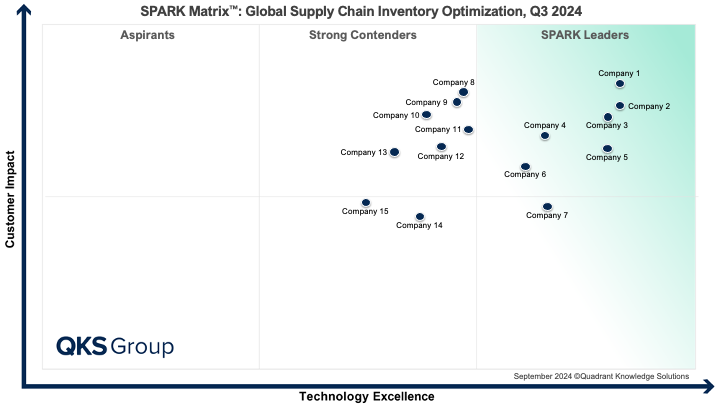
• The global Supply Chain Inventory Optimization market is entering a strong growth phase between 2026 and 2030. According to research insights from QKS Group, businesses across industries are rapidly adopting advanced inventory optimization solutions to improve supply chain efficiency, reduce costs, and manage demand uncertainty more effectively. You can explore the full report here: https://qksgroup.com/market-research/market-forecast-supply-chain-inventory-optimization-2026-2030-worldwide-2726

    Inventory optimization is the process of maintaining the right stock levels across the supply chain. The goal is to balance supply and demand while avoiding both overstocking and stockouts. In modern supply chains, this process is no longer manual. It is powered by AI, machine learning, predictive analytics, and cloud-based systems that help companies make real-time decisions.

    Market Growth Drivers

    One of the key drivers of this market is the increasing complexity of global supply chains. Companies now operate in multi-channel environments, including e-commerce, retail stores, and direct-to-consumer models. This creates a constant need for accurate and real-time inventory visibility.

    Another major factor is the rise of artificial intelligence and data-driven decision-making. AI-powered systems can analyze historical demand, seasonal trends, and external factors such as weather or market disruptions. This helps businesses predict demand more accurately and reduce unnecessary inventory holding costs.

    Cloud adoption is also accelerating the market. Cloud-based inventory optimization platforms allow companies to connect multiple warehouses, suppliers, and distribution centers in real time. This improves coordination and reduces delays in the supply chain.

    Market Trends

    A major trend in the 2026–2030 forecast period is the shift toward multi-echelon inventory optimization. This approach manages inventory across all levels of the supply chain instead of optimizing each location separately. It improves overall efficiency and reduces waste.

    Another important trend is the integration of generative AI and autonomous planning systems. These advanced tools can automatically recommend or even execute inventory decisions based on real-time data. This reduces human intervention and improves operational speed.

    Companies are also focusing more on supply chain resilience. Recent global disruptions have shown the importance of maintaining flexible and adaptive inventory systems that can respond quickly to changes in demand or supply.

    Market Challenges

    Despite strong growth, the market still faces challenges. One of the main issues is the complexity of integrating new systems with legacy infrastructure. Many organizations still use outdated ERP or warehouse systems that are not compatible with modern AI-driven tools.

    Another challenge is the shortage of skilled professionals who understand advanced analytics and supply chain technologies. This slows down adoption in some regions and industries.

    Future Outlook

    The Supply Chain Inventory Optimization market is expected to grow steadily as digital transformation continues across industries. Companies that invest in AI-based forecasting, real-time analytics, and cloud-based supply chain platforms will gain a strong competitive advantage.

    In conclusion, inventory optimization is becoming a critical part of modern supply chain management. It is no longer just about reducing costs—it is about building smarter, faster, and more resilient supply networks that can adapt to a rapidly changing global economy.

    #SupplyChainInventoryOptimization, #InventoryOptimization, #SupplyChainOptimization, #SupplyChainManagement, #Logistics, #SupplyChain, #SupplyChainAnalytics, #AIinSupplyChain, #PredictiveAnalytics, #DemandForecasting, #InventoryManagement, #SmartLogistics, #DigitalSupplyChain, #CloudSupplyChain, #WarehouseManagement, #MultiEchelonOptimization, #SupplyChainPlanning, #SupplyChainVisibility, #SupplyChainAutomation, #RealTimeTracking, #SupplyChainResilience

    The global Supply Chain Inventory Optimization market is entering a strong growth phase between 2026 and 2030. According to research insights from QKS Group, businesses across industries are rapidly adopting advanced inventory optimization solutions to improve supply chain efficiency, reduce costs, and manage demand uncertainty more effectively. You can explore the full report here: https://qksgroup.com/market-research/market-forecast-supply-chain-inventory-optimization-2026-2030-worldwide-2726 Inventory optimization is the process of maintaining the right stock levels across the supply chain. The goal is to balance supply and demand while avoiding both overstocking and stockouts. In modern supply chains, this process is no longer manual. It is powered by AI, machine learning, predictive analytics, and cloud-based systems that help companies make real-time decisions. Market Growth Drivers One of the key drivers of this market is the increasing complexity of global supply chains. Companies now operate in multi-channel environments, including e-commerce, retail stores, and direct-to-consumer models. This creates a constant need for accurate and real-time inventory visibility. Another major factor is the rise of artificial intelligence and data-driven decision-making. AI-powered systems can analyze historical demand, seasonal trends, and external factors such as weather or market disruptions. This helps businesses predict demand more accurately and reduce unnecessary inventory holding costs. Cloud adoption is also accelerating the market. Cloud-based inventory optimization platforms allow companies to connect multiple warehouses, suppliers, and distribution centers in real time. This improves coordination and reduces delays in the supply chain. Market Trends A major trend in the 2026–2030 forecast period is the shift toward multi-echelon inventory optimization. This approach manages inventory across all levels of the supply chain instead of optimizing each location separately. It improves overall efficiency and reduces waste. Another important trend is the integration of generative AI and autonomous planning systems. These advanced tools can automatically recommend or even execute inventory decisions based on real-time data. This reduces human intervention and improves operational speed. Companies are also focusing more on supply chain resilience. Recent global disruptions have shown the importance of maintaining flexible and adaptive inventory systems that can respond quickly to changes in demand or supply. Market Challenges Despite strong growth, the market still faces challenges. One of the main issues is the complexity of integrating new systems with legacy infrastructure. Many organizations still use outdated ERP or warehouse systems that are not compatible with modern AI-driven tools. Another challenge is the shortage of skilled professionals who understand advanced analytics and supply chain technologies. This slows down adoption in some regions and industries. Future Outlook The Supply Chain Inventory Optimization market is expected to grow steadily as digital transformation continues across industries. Companies that invest in AI-based forecasting, real-time analytics, and cloud-based supply chain platforms will gain a strong competitive advantage. In conclusion, inventory optimization is becoming a critical part of modern supply chain management. It is no longer just about reducing costs—it is about building smarter, faster, and more resilient supply networks that can adapt to a rapidly changing global economy. #SupplyChainInventoryOptimization, #InventoryOptimization, #SupplyChainOptimization, #SupplyChainManagement, #Logistics, #SupplyChain, #SupplyChainAnalytics, #AIinSupplyChain, #PredictiveAnalytics, #DemandForecasting, #InventoryManagement, #SmartLogistics, #DigitalSupplyChain, #CloudSupplyChain, #WarehouseManagement, #MultiEchelonOptimization, #SupplyChainPlanning, #SupplyChainVisibility, #SupplyChainAutomation, #RealTimeTracking, #SupplyChainResilience
    QKSGROUP.COM
    Market Forecast: Supply Chain Inventory Optimization, 2026-2030, Worldwide
    Global Supply Chain Inventory Optimization is the practice of maintaining the most ideal level of in...
    0 Comments 0 Shares
  • Inventory Optimization in 2026: A Guide to Smarter Supply Chain Management

    In today’s fast-changing global market, businesses are under constant pressure to manage inventory efficiently. Too much inventory increases costs, while too little leads to stockouts and lost sales. This is where supply chain inventory optimization plays a critical role.

    According to insights from QKS Group, inventory optimization is not just about managing stock levels. It is a strategic process that helps organizations maintain the right balance between inventory investment and service levels across multiple products and locations.

    Click Here For More: https://qksgroup.com/market-research/spark-matrix-global-supply-chain-inventory-optimization-q4-2025-9331

    What is Inventory Optimization?

    Inventory optimization ensures that the right products are available at the right place and at the right time. It uses historical data, advanced analytics, and modern technologies like artificial intelligence (AI) and machine learning (ML) to make accurate decisions.

    The goal is simple:

    Reduce excess inventory
    Avoid stock shortages
    Improve customer satisfaction
    Optimize working capital

    Modern solutions go beyond traditional planning by considering demand variability, supply disruptions, and real-time market changes. These systems help businesses move from reactive decision-making to proactive and predictive strategies.

    Key Technologies Driving Innovation

    The latest SPARK Matrix™ research highlights how advanced technologies are transforming inventory optimization:

    Artificial Intelligence & Machine Learning: These technologies analyze large datasets and identify demand patterns, helping businesses forecast more accurately.
    Probabilistic Modeling: Instead of relying on single-point forecasts, companies use probability-based models to handle uncertainty in demand and supply.
    Multi-Echelon Inventory Optimization (MEIO): This approach optimizes inventory across the entire supply chain network, from suppliers to warehouses to retail stores.
    Scenario Simulation: Businesses can test different supply chain scenarios and choose the best strategy before making decisions.

    These capabilities enable organizations to reduce costs while maintaining high service levels.

    Market Forecast Supply Chain Inventory Optimization: https://qksgroup.com/market-research/market-forecast-supply-chain-inventory-optimization-2026-2030-worldwide-2726

    Why It Matters in 2025

    Supply chains today are more complex than ever. Global disruptions, changing customer expectations, and increasing product variety make inventory management challenging. Inventory optimization helps businesses stay resilient and competitive.

    It allows companies to:

    Improve visibility across the supply chain
    Respond quickly to demand fluctuations
    Minimize risks caused by uncertainty
    Achieve better financial performance

    As highlighted in the SPARK Matrix™, leading vendors are focusing on combining AI-driven analytics with automation to deliver smarter and faster decisions.

    Business Impact

    Organizations that invest in inventory optimization solutions see significant benefits:

    Lower inventory holding costs
    Reduced waste and obsolescence
    Improved service levels and customer satisfaction
    Better alignment between supply and demand

    By integrating supply chain inventory optimization, companies can create a more agile and data-driven ecosystem.

    Request an Analyst Briefing: https://qksgroup.com/analyst-briefing?analystId=50&reportId=9331

    Conclusion

    Inventory optimization is no longer optional-it is a strategic necessity. As supply chains become more digital and interconnected, businesses must adopt advanced technologies to stay ahead.

    The insights from QKS Group show that the future of supply chains lies in intelligent, automated, and data-driven decision-making. Companies that embrace these innovations will be better equipped to handle uncertainty, reduce costs, and deliver superior customer experiences.

    #SupplyChain #InventoryOptimization #InventoryManagement #AIinSupplyChain #PredictiveAnalytics #DemandForecasting #MultiEchelonInventory #InventoryPlanning #SupplyChainAutomation #SmartSupplyChain #InventoryControl #SupplyChainResilience #SupplyChainAnalytics #InventoryPlanning #SupplyChain #InventoryManagementSolutions #SupplyChainAutomation #MultiEchelonInventoryOptimization #MultiEchelonInventory #MultiEchelonOptimization #MultiEchelon
    Inventory Optimization in 2026: A Guide to Smarter Supply Chain Management In today’s fast-changing global market, businesses are under constant pressure to manage inventory efficiently. Too much inventory increases costs, while too little leads to stockouts and lost sales. This is where supply chain inventory optimization plays a critical role. According to insights from QKS Group, inventory optimization is not just about managing stock levels. It is a strategic process that helps organizations maintain the right balance between inventory investment and service levels across multiple products and locations. Click Here For More: https://qksgroup.com/market-research/spark-matrix-global-supply-chain-inventory-optimization-q4-2025-9331 What is Inventory Optimization? Inventory optimization ensures that the right products are available at the right place and at the right time. It uses historical data, advanced analytics, and modern technologies like artificial intelligence (AI) and machine learning (ML) to make accurate decisions. The goal is simple: Reduce excess inventory Avoid stock shortages Improve customer satisfaction Optimize working capital Modern solutions go beyond traditional planning by considering demand variability, supply disruptions, and real-time market changes. These systems help businesses move from reactive decision-making to proactive and predictive strategies. Key Technologies Driving Innovation The latest SPARK Matrix™ research highlights how advanced technologies are transforming inventory optimization: Artificial Intelligence & Machine Learning: These technologies analyze large datasets and identify demand patterns, helping businesses forecast more accurately. Probabilistic Modeling: Instead of relying on single-point forecasts, companies use probability-based models to handle uncertainty in demand and supply. Multi-Echelon Inventory Optimization (MEIO): This approach optimizes inventory across the entire supply chain network, from suppliers to warehouses to retail stores. Scenario Simulation: Businesses can test different supply chain scenarios and choose the best strategy before making decisions. These capabilities enable organizations to reduce costs while maintaining high service levels. Market Forecast Supply Chain Inventory Optimization: https://qksgroup.com/market-research/market-forecast-supply-chain-inventory-optimization-2026-2030-worldwide-2726 Why It Matters in 2025 Supply chains today are more complex than ever. Global disruptions, changing customer expectations, and increasing product variety make inventory management challenging. Inventory optimization helps businesses stay resilient and competitive. It allows companies to: Improve visibility across the supply chain Respond quickly to demand fluctuations Minimize risks caused by uncertainty Achieve better financial performance As highlighted in the SPARK Matrix™, leading vendors are focusing on combining AI-driven analytics with automation to deliver smarter and faster decisions. Business Impact Organizations that invest in inventory optimization solutions see significant benefits: Lower inventory holding costs Reduced waste and obsolescence Improved service levels and customer satisfaction Better alignment between supply and demand By integrating supply chain inventory optimization, companies can create a more agile and data-driven ecosystem. Request an Analyst Briefing: https://qksgroup.com/analyst-briefing?analystId=50&reportId=9331 Conclusion Inventory optimization is no longer optional-it is a strategic necessity. As supply chains become more digital and interconnected, businesses must adopt advanced technologies to stay ahead. The insights from QKS Group show that the future of supply chains lies in intelligent, automated, and data-driven decision-making. Companies that embrace these innovations will be better equipped to handle uncertainty, reduce costs, and deliver superior customer experiences. #SupplyChain #InventoryOptimization #InventoryManagement #AIinSupplyChain #PredictiveAnalytics #DemandForecasting #MultiEchelonInventory #InventoryPlanning #SupplyChainAutomation #SmartSupplyChain #InventoryControl #SupplyChainResilience #SupplyChainAnalytics #InventoryPlanning #SupplyChain #InventoryManagementSolutions #SupplyChainAutomation #MultiEchelonInventoryOptimization #MultiEchelonInventory #MultiEchelonOptimization #MultiEchelon
    QKSGROUP.COM
    SPARK Matrix?: Global Supply Chain Inventory Optimization, Q4 2025
    QKS Group's Supply Chain Inventory Optimization (SCIO) market research provides a comprehensive anal...
    0 Comments 0 Shares
  • How Modern Supply Chain Planning Solutions Are Transforming Business Operations

    In today’s fast-moving global economy, organizations must manage complex supply chains that span multiple suppliers, distribution networks, and customer channels. Uncertain demand, geopolitical risks, and changing consumer behavior have made supply chain management more challenging than ever. As a result, enterprises are increasingly adopting advanced Supply Chain Planning (SCP) solutions to improve visibility, optimize resources, and make faster business decisions.

    The report SPARK Matrix™: Supply Chain Planning, Q4 2025 by QKS Group provides a detailed analysis of the global supply chain planning market. The study evaluates leading technology vendors and highlights how modern planning platforms are helping enterprises build agile and resilient supply chains.

    Click Here For More: https://qksgroup.com/market-research/spark-matrix-supply-chain-planning-q4-2025-9839

    The Growing Need for Intelligent Supply Chain Planning

    Traditional supply chain planning tools were designed for stable environments and often relied on static forecasting models. However, today’s supply chains must respond quickly to demand fluctuations, supply disruptions, and operational risks. Modern SCP platforms address these challenges by using advanced technologies such as artificial intelligence, machine learning, and predictive analytics.

    These solutions help organizations forecast demand more accurately, optimize inventory levels, and improve collaboration across departments. By connecting demand planning, supply planning, production scheduling, and financial planning in a unified environment, companies can achieve better coordination across the entire supply chain network.

    Key Capabilities of Modern SCP Platforms

    Next-generation supply chain planning platforms are designed to provide real-time insights and data-driven decision making. Some of the key capabilities include:

    1. Advanced Demand Forecasting
    AI-driven forecasting models analyze historical data, market trends, and external signals to generate more accurate demand predictions.

    2. Scenario Modeling and “What-If” Analysis
    Digital modeling allows organizations to simulate multiple scenarios and evaluate the impact of disruptions before making decisions.

    3. Inventory Optimization
    Modern SCP solutions help balance service levels and inventory costs through advanced optimization techniques.

    4. End-to-End Supply Chain Visibility
    Integrated platforms provide a single view of demand, supply, production, and logistics operations, improving coordination and operational efficiency.

    These capabilities enable organizations to manage uncertainty and respond faster to market changes while maintaining service levels and profitability.

    Vendor Landscape and Market Insights

    The SPARK Matrix evaluation framework compares leading vendors based on two key parameters: technology excellence and customer impact. This framework helps organizations understand vendor strengths, competitive positioning, and innovation strategies in the supply chain planning market.

    For example, modern platforms such as the Atlas planning platform from John Galt Solutions demonstrate how AI-driven planning, scenario modeling, and workflow automation can transform supply chain operations. These capabilities enable enterprises to manage demand volatility, automate routine planning tasks, and focus on strategic decision-making.

    Talk To Analyst: https://qksgroup.com/analyst-briefing?analystId=50&reportId=9839

    Conclusion

    Supply chain planning is evolving rapidly as organizations move toward intelligent, data-driven decision frameworks. Advanced planning platforms powered by AI, automation, and real-time analytics are helping businesses improve operational efficiency, reduce risk, and build more resilient supply chains.

    The SPARK Matrix™: Supply Chain Planning, Q4 2025 report from QKS Group provides valuable insights into this evolving market, helping enterprises identify the right technology partners and strategies to strengthen their supply chain capabilities in an increasingly complex business environment.


    Report Highlights: What’s Inside

    An in-depth look at the rapidly evolving SCP market and the key technologies reshaping end-to-end supply chain performance.

    A competitive landscape featuring profiles of global SCP vendors, with rankings based on technology excellence and customer impact.

    An exploration of the critical capabilities driving next-generation supply chain planning.


    #SupplyChainPlanning #sandop #supplychain #business #technology #businessintelligence #SupplyChainManagement #DigitalSupplyChain #SupplyChainTechnology #DemandPlanning #InventoryOptimization
    How Modern Supply Chain Planning Solutions Are Transforming Business Operations In today’s fast-moving global economy, organizations must manage complex supply chains that span multiple suppliers, distribution networks, and customer channels. Uncertain demand, geopolitical risks, and changing consumer behavior have made supply chain management more challenging than ever. As a result, enterprises are increasingly adopting advanced Supply Chain Planning (SCP) solutions to improve visibility, optimize resources, and make faster business decisions. The report SPARK Matrix™: Supply Chain Planning, Q4 2025 by QKS Group provides a detailed analysis of the global supply chain planning market. The study evaluates leading technology vendors and highlights how modern planning platforms are helping enterprises build agile and resilient supply chains. Click Here For More: https://qksgroup.com/market-research/spark-matrix-supply-chain-planning-q4-2025-9839 The Growing Need for Intelligent Supply Chain Planning Traditional supply chain planning tools were designed for stable environments and often relied on static forecasting models. However, today’s supply chains must respond quickly to demand fluctuations, supply disruptions, and operational risks. Modern SCP platforms address these challenges by using advanced technologies such as artificial intelligence, machine learning, and predictive analytics. These solutions help organizations forecast demand more accurately, optimize inventory levels, and improve collaboration across departments. By connecting demand planning, supply planning, production scheduling, and financial planning in a unified environment, companies can achieve better coordination across the entire supply chain network. Key Capabilities of Modern SCP Platforms Next-generation supply chain planning platforms are designed to provide real-time insights and data-driven decision making. Some of the key capabilities include: 1. Advanced Demand Forecasting AI-driven forecasting models analyze historical data, market trends, and external signals to generate more accurate demand predictions. 2. Scenario Modeling and “What-If” Analysis Digital modeling allows organizations to simulate multiple scenarios and evaluate the impact of disruptions before making decisions. 3. Inventory Optimization Modern SCP solutions help balance service levels and inventory costs through advanced optimization techniques. 4. End-to-End Supply Chain Visibility Integrated platforms provide a single view of demand, supply, production, and logistics operations, improving coordination and operational efficiency. These capabilities enable organizations to manage uncertainty and respond faster to market changes while maintaining service levels and profitability. Vendor Landscape and Market Insights The SPARK Matrix evaluation framework compares leading vendors based on two key parameters: technology excellence and customer impact. This framework helps organizations understand vendor strengths, competitive positioning, and innovation strategies in the supply chain planning market. For example, modern platforms such as the Atlas planning platform from John Galt Solutions demonstrate how AI-driven planning, scenario modeling, and workflow automation can transform supply chain operations. These capabilities enable enterprises to manage demand volatility, automate routine planning tasks, and focus on strategic decision-making. Talk To Analyst: https://qksgroup.com/analyst-briefing?analystId=50&reportId=9839 Conclusion Supply chain planning is evolving rapidly as organizations move toward intelligent, data-driven decision frameworks. Advanced planning platforms powered by AI, automation, and real-time analytics are helping businesses improve operational efficiency, reduce risk, and build more resilient supply chains. The SPARK Matrix™: Supply Chain Planning, Q4 2025 report from QKS Group provides valuable insights into this evolving market, helping enterprises identify the right technology partners and strategies to strengthen their supply chain capabilities in an increasingly complex business environment. Report Highlights: What’s Inside An in-depth look at the rapidly evolving SCP market and the key technologies reshaping end-to-end supply chain performance. A competitive landscape featuring profiles of global SCP vendors, with rankings based on technology excellence and customer impact. An exploration of the critical capabilities driving next-generation supply chain planning. #SupplyChainPlanning #sandop #supplychain #business #technology #businessintelligence #SupplyChainManagement #DigitalSupplyChain #SupplyChainTechnology #DemandPlanning #InventoryOptimization
    QKSGROUP.COM
    SPARK Matrix?: Supply Chain Planning Q4, 2025
    QKS Group's Supply Chain Planning (SCP) market research provides a comprehensive analysis of the glo...
    0 Comments 0 Shares
  • SPARK Matrix™: Global Supply Chain Inventory Optimization, Q4 2025
    https://qksgroup.com/market-research/spark-matrix-global-supply-chain-inventory-optimization-q4-2025-9331
    #InventoryOptimization #SupplyChainManagement
    #DemandPlanning
    SPARK Matrix™: Global Supply Chain Inventory Optimization, Q4 2025 https://qksgroup.com/market-research/spark-matrix-global-supply-chain-inventory-optimization-q4-2025-9331 #InventoryOptimization #SupplyChainManagement #DemandPlanning
    QKSGROUP.COM
    SPARK Matrix?: Global Supply Chain Inventory Optimization, Q4 2025
    QKS Group's Supply Chain Inventory Optimization (SCIO) market research provides a comprehensive anal...
    0 Comments 0 Shares
  • SPARK Matrix™: Global Supply Chain Inventory Optimization, Q4 2025
    https://qksgroup.com/market-research/spark-matrix-global-supply-chain-inventory-optimization-q4-2025-9331

    QKS Group's Supply Chain Inventory Optimization (SCIO) market research provides a comprehensive analysis of the global market, focusing on emerging technology trends, market dynamics, and future outlook.
    #InventoryOptimization #SupplyChainTechnology #SPARKMatrix #SupplyChainAnalytics #DigitalSupplyChain
    SPARK Matrix™: Global Supply Chain Inventory Optimization, Q4 2025 https://qksgroup.com/market-research/spark-matrix-global-supply-chain-inventory-optimization-q4-2025-9331 QKS Group's Supply Chain Inventory Optimization (SCIO) market research provides a comprehensive analysis of the global market, focusing on emerging technology trends, market dynamics, and future outlook. #InventoryOptimization #SupplyChainTechnology #SPARKMatrix #SupplyChainAnalytics #DigitalSupplyChain
    0 Comments 0 Shares
No data to show
No data to show
No data to show
No data to show
No data to show