Vendor Risk Management Solutions: Trends Driving Market Growth in 2026
Vendor Risk Management (VRM) has become a critical part of modern enterprise security and governance strategies. As organizations increasingly depend on third-party vendors, managing risks associated with these external partners is no longer optional—it is essential. The latest SPARK Matrix™: Vendor Risk Management, by QKS Group highlights how the VRM market is evolving with new technologies, automation, and data-driven intelligence.
Click here For More: https://qksgroup.com/market-research/spark-matrix-vendor-risk-management-q4-2025-9738
Vendor Risk Management refers to a structured approach used by organizations to identify, assess, monitor, and reduce risks linked to third-party vendors. These risks can include cybersecurity threats, financial issues, compliance failures, and reputational damage. With the growing complexity of digital ecosystems, businesses are now working with hundreds or even thousands of vendors, making manual risk management processes inefficient and risky.
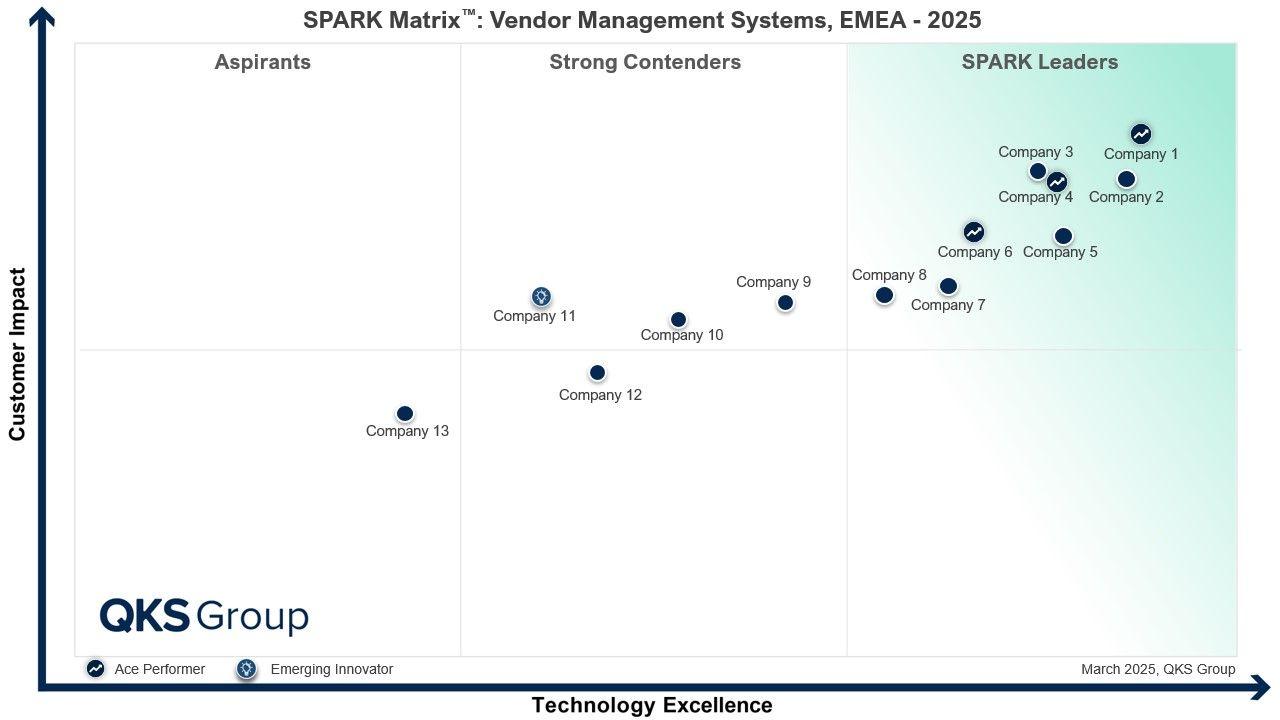
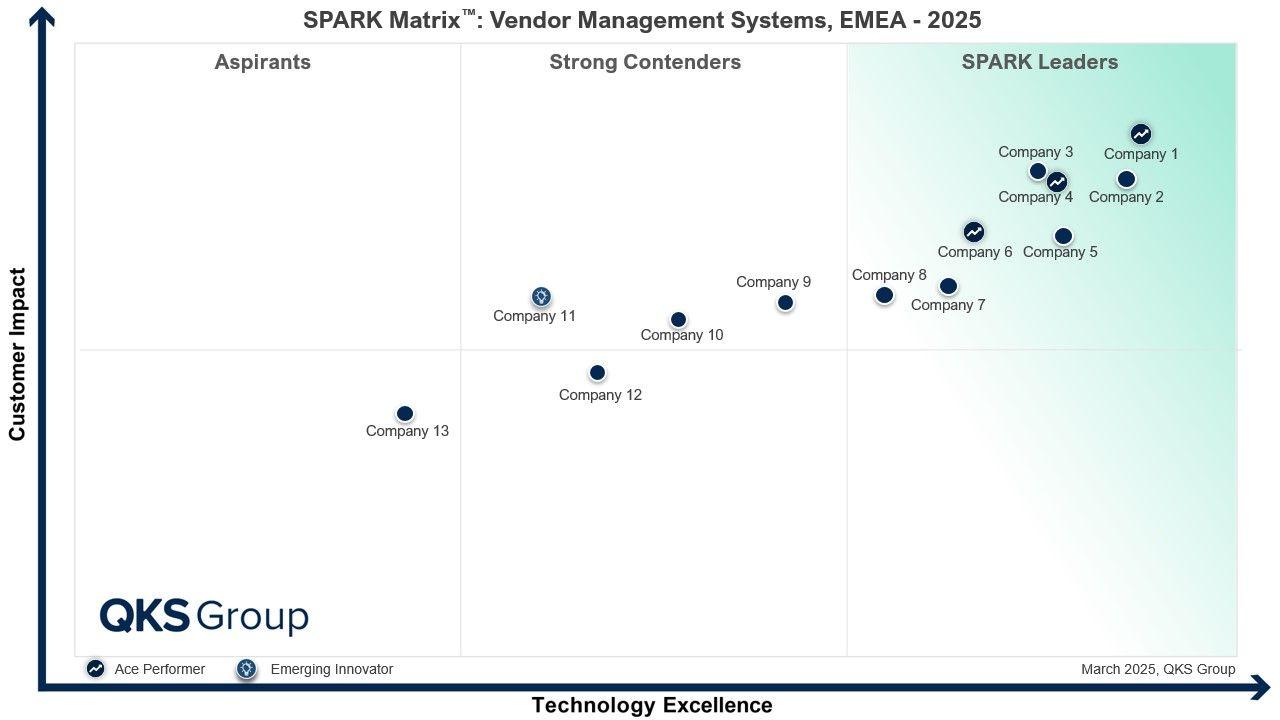
The QKS Group’s SPARK Matrix™ provides a detailed analysis of the VRM market by evaluating vendors across two key parameters: technology excellence and customer impact. This framework helps organizations compare different vendors and choose solutions that best align with their business needs.
One of the key insights from the 2025 report is the increasing adoption of automation and artificial intelligence (AI) in Vendor Risk Management platforms. Modern solutions are designed to automate the entire vendor lifecycle—from onboarding and risk assessment to continuous monitoring and offboarding. These platforms reduce manual workload, improve efficiency, and ensure faster decision-making.
AI-powered capabilities such as predictive risk scoring, automated evidence validation, and intelligent questionnaires are transforming how organizations manage vendor risks. These features allow companies to identify potential risks early and take proactive actions before issues escalate. For example, advanced Vendor Risk Management solutions can analyze large volumes of vendor data and provide real-time risk insights, enabling better visibility across the entire vendor ecosystem.
Another important trend is the shift toward integrated and centralized risk management platforms. Organizations are increasingly looking for solutions that can connect with existing systems such as ERP, procurement, and governance, risk, and compliance (GRC) tools. This integration enables a unified view of vendor risks and improves collaboration across departments.
The concept of a global risk exchange is also gaining traction. These platforms provide access to pre-validated vendor assessments and shared risk intelligence, reducing duplication of effort and speeding up the assessment process. This is particularly useful for large enterprises that manage a vast network of vendors across different regions.
Regulatory compliance is another major driver of VRM adoption. Governments and regulatory bodies are introducing stricter guidelines to ensure organizations manage third-party risks effectively. As a result, businesses are investing in VRM solutions to maintain compliance, avoid penalties, and protect sensitive data.
Request an Analyst Briefing: https://qksgroup.com/analyst-briefing?analystId=22&reportId=9738
In addition, the rise in cyberattacks and supply chain disruptions has made vendor risk management more critical than ever. Third-party vendors can often become entry points for cyber threats, making continuous monitoring and risk assessment essential. Organizations are now focusing on real-time risk monitoring and continuous assurance to strengthen their security posture.
The vendor landscape in the VRM market is highly competitive, with multiple players offering innovative solutions. The SPARK Matrix™ highlights leading vendors that excel in both technological capabilities and customer value. These vendors are focusing on enhancing user experience, expanding automation, and leveraging AI to differentiate themselves in the market.
Looking ahead, the Vendor Risk Management market is expected to continue growing as organizations prioritize resilience and risk management. Future innovations will likely include more advanced AI models, deeper integration capabilities, and improved data intelligence. Businesses will increasingly adopt VRM platforms not just for compliance, but as a strategic tool for risk mitigation and operational efficiency.
In conclusion, Vendor Risk Management is evolving from a compliance-focused function to a strategic business priority. With the adoption of AI, automation, and integrated platforms, organizations can better manage third-party risks, improve operational resilience, and ensure long-term business success.
#VendorRiskManagement #VRM #ThirdPartyRiskManagement #TPRM #CyberSecurity #RiskManagement #InformationSecurity #GRC #Compliance #CyberRisk #RiskAssessment #VendorManagement #SupplierRisk #RiskMitigation #AIinCybersecurity #Automation #ContinuousMonitoring #DigitalRisk #EnterpriseRisk #SecuritySolutions #CyberDefense #ThreatIntelligence #OperationalRisk #VendorCompliance
Vendor Risk Management (VRM) has become a critical part of modern enterprise security and governance strategies. As organizations increasingly depend on third-party vendors, managing risks associated with these external partners is no longer optional—it is essential. The latest SPARK Matrix™: Vendor Risk Management, by QKS Group highlights how the VRM market is evolving with new technologies, automation, and data-driven intelligence.
Click here For More: https://qksgroup.com/market-research/spark-matrix-vendor-risk-management-q4-2025-9738
Vendor Risk Management refers to a structured approach used by organizations to identify, assess, monitor, and reduce risks linked to third-party vendors. These risks can include cybersecurity threats, financial issues, compliance failures, and reputational damage. With the growing complexity of digital ecosystems, businesses are now working with hundreds or even thousands of vendors, making manual risk management processes inefficient and risky.
The QKS Group’s SPARK Matrix™ provides a detailed analysis of the VRM market by evaluating vendors across two key parameters: technology excellence and customer impact. This framework helps organizations compare different vendors and choose solutions that best align with their business needs.
One of the key insights from the 2025 report is the increasing adoption of automation and artificial intelligence (AI) in Vendor Risk Management platforms. Modern solutions are designed to automate the entire vendor lifecycle—from onboarding and risk assessment to continuous monitoring and offboarding. These platforms reduce manual workload, improve efficiency, and ensure faster decision-making.
AI-powered capabilities such as predictive risk scoring, automated evidence validation, and intelligent questionnaires are transforming how organizations manage vendor risks. These features allow companies to identify potential risks early and take proactive actions before issues escalate. For example, advanced Vendor Risk Management solutions can analyze large volumes of vendor data and provide real-time risk insights, enabling better visibility across the entire vendor ecosystem.
Another important trend is the shift toward integrated and centralized risk management platforms. Organizations are increasingly looking for solutions that can connect with existing systems such as ERP, procurement, and governance, risk, and compliance (GRC) tools. This integration enables a unified view of vendor risks and improves collaboration across departments.
The concept of a global risk exchange is also gaining traction. These platforms provide access to pre-validated vendor assessments and shared risk intelligence, reducing duplication of effort and speeding up the assessment process. This is particularly useful for large enterprises that manage a vast network of vendors across different regions.
Regulatory compliance is another major driver of VRM adoption. Governments and regulatory bodies are introducing stricter guidelines to ensure organizations manage third-party risks effectively. As a result, businesses are investing in VRM solutions to maintain compliance, avoid penalties, and protect sensitive data.
Request an Analyst Briefing: https://qksgroup.com/analyst-briefing?analystId=22&reportId=9738
In addition, the rise in cyberattacks and supply chain disruptions has made vendor risk management more critical than ever. Third-party vendors can often become entry points for cyber threats, making continuous monitoring and risk assessment essential. Organizations are now focusing on real-time risk monitoring and continuous assurance to strengthen their security posture.
The vendor landscape in the VRM market is highly competitive, with multiple players offering innovative solutions. The SPARK Matrix™ highlights leading vendors that excel in both technological capabilities and customer value. These vendors are focusing on enhancing user experience, expanding automation, and leveraging AI to differentiate themselves in the market.
Looking ahead, the Vendor Risk Management market is expected to continue growing as organizations prioritize resilience and risk management. Future innovations will likely include more advanced AI models, deeper integration capabilities, and improved data intelligence. Businesses will increasingly adopt VRM platforms not just for compliance, but as a strategic tool for risk mitigation and operational efficiency.
In conclusion, Vendor Risk Management is evolving from a compliance-focused function to a strategic business priority. With the adoption of AI, automation, and integrated platforms, organizations can better manage third-party risks, improve operational resilience, and ensure long-term business success.
#VendorRiskManagement #VRM #ThirdPartyRiskManagement #TPRM #CyberSecurity #RiskManagement #InformationSecurity #GRC #Compliance #CyberRisk #RiskAssessment #VendorManagement #SupplierRisk #RiskMitigation #AIinCybersecurity #Automation #ContinuousMonitoring #DigitalRisk #EnterpriseRisk #SecuritySolutions #CyberDefense #ThreatIntelligence #OperationalRisk #VendorCompliance
Vendor Risk Management Solutions: Trends Driving Market Growth in 2026
Vendor Risk Management (VRM) has become a critical part of modern enterprise security and governance strategies. As organizations increasingly depend on third-party vendors, managing risks associated with these external partners is no longer optional—it is essential. The latest SPARK Matrix™: Vendor Risk Management, by QKS Group highlights how the VRM market is evolving with new technologies, automation, and data-driven intelligence.
Click here For More: https://qksgroup.com/market-research/spark-matrix-vendor-risk-management-q4-2025-9738
Vendor Risk Management refers to a structured approach used by organizations to identify, assess, monitor, and reduce risks linked to third-party vendors. These risks can include cybersecurity threats, financial issues, compliance failures, and reputational damage. With the growing complexity of digital ecosystems, businesses are now working with hundreds or even thousands of vendors, making manual risk management processes inefficient and risky.
The QKS Group’s SPARK Matrix™ provides a detailed analysis of the VRM market by evaluating vendors across two key parameters: technology excellence and customer impact. This framework helps organizations compare different vendors and choose solutions that best align with their business needs.
One of the key insights from the 2025 report is the increasing adoption of automation and artificial intelligence (AI) in Vendor Risk Management platforms. Modern solutions are designed to automate the entire vendor lifecycle—from onboarding and risk assessment to continuous monitoring and offboarding. These platforms reduce manual workload, improve efficiency, and ensure faster decision-making.
AI-powered capabilities such as predictive risk scoring, automated evidence validation, and intelligent questionnaires are transforming how organizations manage vendor risks. These features allow companies to identify potential risks early and take proactive actions before issues escalate. For example, advanced Vendor Risk Management solutions can analyze large volumes of vendor data and provide real-time risk insights, enabling better visibility across the entire vendor ecosystem.
Another important trend is the shift toward integrated and centralized risk management platforms. Organizations are increasingly looking for solutions that can connect with existing systems such as ERP, procurement, and governance, risk, and compliance (GRC) tools. This integration enables a unified view of vendor risks and improves collaboration across departments.
The concept of a global risk exchange is also gaining traction. These platforms provide access to pre-validated vendor assessments and shared risk intelligence, reducing duplication of effort and speeding up the assessment process. This is particularly useful for large enterprises that manage a vast network of vendors across different regions.
Regulatory compliance is another major driver of VRM adoption. Governments and regulatory bodies are introducing stricter guidelines to ensure organizations manage third-party risks effectively. As a result, businesses are investing in VRM solutions to maintain compliance, avoid penalties, and protect sensitive data.
Request an Analyst Briefing: https://qksgroup.com/analyst-briefing?analystId=22&reportId=9738
In addition, the rise in cyberattacks and supply chain disruptions has made vendor risk management more critical than ever. Third-party vendors can often become entry points for cyber threats, making continuous monitoring and risk assessment essential. Organizations are now focusing on real-time risk monitoring and continuous assurance to strengthen their security posture.
The vendor landscape in the VRM market is highly competitive, with multiple players offering innovative solutions. The SPARK Matrix™ highlights leading vendors that excel in both technological capabilities and customer value. These vendors are focusing on enhancing user experience, expanding automation, and leveraging AI to differentiate themselves in the market.
Looking ahead, the Vendor Risk Management market is expected to continue growing as organizations prioritize resilience and risk management. Future innovations will likely include more advanced AI models, deeper integration capabilities, and improved data intelligence. Businesses will increasingly adopt VRM platforms not just for compliance, but as a strategic tool for risk mitigation and operational efficiency.
In conclusion, Vendor Risk Management is evolving from a compliance-focused function to a strategic business priority. With the adoption of AI, automation, and integrated platforms, organizations can better manage third-party risks, improve operational resilience, and ensure long-term business success.
#VendorRiskManagement #VRM #ThirdPartyRiskManagement #TPRM #CyberSecurity #RiskManagement #InformationSecurity #GRC #Compliance #CyberRisk #RiskAssessment #VendorManagement #SupplierRisk #RiskMitigation #AIinCybersecurity #Automation #ContinuousMonitoring #DigitalRisk #EnterpriseRisk #SecuritySolutions #CyberDefense #ThreatIntelligence #OperationalRisk #VendorCompliance
0 Comments
0 Shares