• Why Are Aluminum Tags a Smart Choice for Industrial Equipment?

    Industrial equipment often requires clear identification that remains readable through everyday exposure to moisture, chemicals, abrasion, temperature changes, and outdoor conditions. Aluminum tags offer a lightweight, corrosion-resistant option for identifying machinery, tools, components, and other important assets in demanding #work_environments.

    One advantage of aluminum is its flexibility for different identification requirements. Aluminum nameplates can display serial numbers, equipment information, operating instructions, safety warnings, barcodes, QR codes, and branding. This makes them suitable for applications across manufacturing, construction, utilities, mining, energy, transportation, and other #industrial_sectors.

    Different marking processes can also be selected according to the application. Screen-printed, photo-anodized, and anodized options provide different characteristics for visibility, outdoor exposure, production quantities, and #identification_needs. Choosing an appropriate process helps keep essential information clear while supporting practical equipment management. Read more: https://women-quotes.com/what-makes-aluminum-tags-the-preferred-choice-for-industrial-use/

    Customization is another important consideration when planning an industrial identification system. Thickness, shape, finish, colour, mounting method, hole configuration, and variable information can be selected according to the equipment and installation environment. Industrial Nameplates ( https://www.hotfrog.ca/company/8ac8dcad6b751d71d239df7267b2ae13/industrial-nameplates/calgary/manufacturing ) provides customized solutions for projects requiring specific identification formats and #application_requirements.

    For equipment exposed to challenging surroundings, material performance matters. Properly specified aluminum identification products can resist corrosion, UV exposure, chemicals, abrasion, and temperature changes. These characteristics make aluminum tags ( https://industrialnameplates.ca/aluminum-nameplates/ ) useful where information needs to remain visible and accessible during routine operation, inspection, maintenance, or #asset_tracking.

    Selecting aluminum nameplates should involve more than appearance alone. Equipment conditions, required information, mounting surface, marking method, exposure level, and applicable standards should all be considered before ordering. Reviewing these factors can help businesses select identification products that better match their operational and #compliance_requirements.

    Looking for customized industrial identification solutions in Calgary? Explore the location on Google Maps ( https://maps.app.goo.gl/hxGuZ55PzwMhJzPz7 ) to connect with the team, discuss your equipment requirements, and learn about available material, marking, and mounting options.
    Why Are Aluminum Tags a Smart Choice for Industrial Equipment? Industrial equipment often requires clear identification that remains readable through everyday exposure to moisture, chemicals, abrasion, temperature changes, and outdoor conditions. Aluminum tags offer a lightweight, corrosion-resistant option for identifying machinery, tools, components, and other important assets in demanding #work_environments. One advantage of aluminum is its flexibility for different identification requirements. Aluminum nameplates can display serial numbers, equipment information, operating instructions, safety warnings, barcodes, QR codes, and branding. This makes them suitable for applications across manufacturing, construction, utilities, mining, energy, transportation, and other #industrial_sectors. Different marking processes can also be selected according to the application. Screen-printed, photo-anodized, and anodized options provide different characteristics for visibility, outdoor exposure, production quantities, and #identification_needs. Choosing an appropriate process helps keep essential information clear while supporting practical equipment management. Read more: https://women-quotes.com/what-makes-aluminum-tags-the-preferred-choice-for-industrial-use/ Customization is another important consideration when planning an industrial identification system. Thickness, shape, finish, colour, mounting method, hole configuration, and variable information can be selected according to the equipment and installation environment. Industrial Nameplates ( https://www.hotfrog.ca/company/8ac8dcad6b751d71d239df7267b2ae13/industrial-nameplates/calgary/manufacturing ) provides customized solutions for projects requiring specific identification formats and #application_requirements. For equipment exposed to challenging surroundings, material performance matters. Properly specified aluminum identification products can resist corrosion, UV exposure, chemicals, abrasion, and temperature changes. These characteristics make aluminum tags ( https://industrialnameplates.ca/aluminum-nameplates/ ) useful where information needs to remain visible and accessible during routine operation, inspection, maintenance, or #asset_tracking. Selecting aluminum nameplates should involve more than appearance alone. Equipment conditions, required information, mounting surface, marking method, exposure level, and applicable standards should all be considered before ordering. Reviewing these factors can help businesses select identification products that better match their operational and #compliance_requirements. Looking for customized industrial identification solutions in Calgary? Explore the location on Google Maps ( https://maps.app.goo.gl/hxGuZ55PzwMhJzPz7 ) to connect with the team, discuss your equipment requirements, and learn about available material, marking, and mounting options.
    What Makes Aluminum Tags the Preferred Choice for Industrial Use?
    0 Comments 0 Shares
  • Discover Reliable Vinyl Decals for Industrial Applications

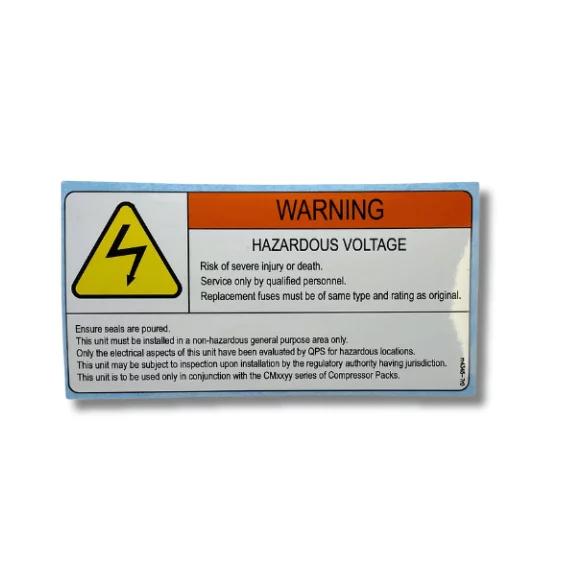
    Manufacturing and industrial businesses require #identification_solutions that can perform reliably in demanding environments. Clear product marking, equipment identification, and safety communication help improve workflow efficiency and reduce confusion across facilities. Durable vinyl decals are a practical choice for applications where visual information needs to remain consistent and easy to recognize.

    From machinery labels to #product_branding and operational instructions, well-designed identification materials support better organization in industrial settings. Custom vinyl labels can be developed for different surfaces, shapes, and usage requirements, helping businesses maintain professional presentation while supporting day-to-day operations. Find high-quality vinyl decals that fit your business needs: https://industrialnameplates.ca/decals-labels/vinyl/

    The solutions can help industries improve asset tracking, equipment visibility, and #workplace_communication with dependable marking options. Industrial Nameplates ( https://www.malaysialistings.com/listings/industrial-nameplates ) provides identification solutions designed for industrial applications where quality, durability, and accurate information display matter.

    Choosing the right vinyl decals involves considering factors such as #surface_compatibility, environmental exposure, and long-term readability. Businesses across manufacturing, equipment, and industrial sectors can benefit from tailored labelling options that align with their specific operational needs.

    Explore reliable identification solutions and view the Industrial Nameplates location on Google Maps ( https://maps.app.goo.gl/8divquyeHP17TorN8 ) to learn more about available options for industrial #marking_requirements.
    Discover Reliable Vinyl Decals for Industrial Applications Manufacturing and industrial businesses require #identification_solutions that can perform reliably in demanding environments. Clear product marking, equipment identification, and safety communication help improve workflow efficiency and reduce confusion across facilities. Durable vinyl decals are a practical choice for applications where visual information needs to remain consistent and easy to recognize. From machinery labels to #product_branding and operational instructions, well-designed identification materials support better organization in industrial settings. Custom vinyl labels can be developed for different surfaces, shapes, and usage requirements, helping businesses maintain professional presentation while supporting day-to-day operations. Find high-quality vinyl decals that fit your business needs: https://industrialnameplates.ca/decals-labels/vinyl/ The solutions can help industries improve asset tracking, equipment visibility, and #workplace_communication with dependable marking options. Industrial Nameplates ( https://www.malaysialistings.com/listings/industrial-nameplates ) provides identification solutions designed for industrial applications where quality, durability, and accurate information display matter. Choosing the right vinyl decals involves considering factors such as #surface_compatibility, environmental exposure, and long-term readability. Businesses across manufacturing, equipment, and industrial sectors can benefit from tailored labelling options that align with their specific operational needs. Explore reliable identification solutions and view the Industrial Nameplates location on Google Maps ( https://maps.app.goo.gl/8divquyeHP17TorN8 ) to learn more about available options for industrial #marking_requirements.
    0 Comments 0 Shares
  • The Ultimate Guide to Permanent Part Marking Methods

    Understanding permanent part marking methods is essential for industries that require long-lasting and reliable identification. From aerospace and automotive to medical devices and heavy manufacturing, part marking ensures components are traceable, compliant, and easy to identify throughout their lifecycle. Choosing the right method depends on the material, application, and environmental conditions.

    Modern part marking methods include laser engraving, chemical etching, dot peen marking, stamping, and durable printed labels. Each technique offers unique benefits, such as resistance to abrasion, chemicals, and high temperatures. These methods allow businesses to maintain clear identification even in the most challenging environments, ensuring quality control and compliance with industry standards. Visit- https://industrialnameplates.ca/part-marking/

    In addition to durability, #part_marking plays a key role in product branding and traceability. Permanent markings provide essential information such as serial numbers, barcodes, batch codes, and safety instructions. By using advanced methods, companies can improve efficiency in asset tracking, reduce errors in production, and ensure regulatory compliance across industries.

    Permanent part marking methods are also highly adaptable. Whether applied to metal, plastic, or composite materials, these techniques can be customized to meet specific industrial requirements. From large machinery parts to intricate medical devices, the right marking solution guarantees precision and consistency in https://maps.app.goo.gl/8divquyeHP17TorN8

    Investing in reliable #part_marking_methods not only improves traceability and identification but also enhances long-term value. By ensuring every component is permanently marked, businesses gain better control over quality assurance, supply chain management, and customer confidence.
    #industrial_marking_products
    #industrial_marking
    The Ultimate Guide to Permanent Part Marking Methods Understanding permanent part marking methods is essential for industries that require long-lasting and reliable identification. From aerospace and automotive to medical devices and heavy manufacturing, part marking ensures components are traceable, compliant, and easy to identify throughout their lifecycle. Choosing the right method depends on the material, application, and environmental conditions. Modern part marking methods include laser engraving, chemical etching, dot peen marking, stamping, and durable printed labels. Each technique offers unique benefits, such as resistance to abrasion, chemicals, and high temperatures. These methods allow businesses to maintain clear identification even in the most challenging environments, ensuring quality control and compliance with industry standards. Visit- https://industrialnameplates.ca/part-marking/ In addition to durability, #part_marking plays a key role in product branding and traceability. Permanent markings provide essential information such as serial numbers, barcodes, batch codes, and safety instructions. By using advanced methods, companies can improve efficiency in asset tracking, reduce errors in production, and ensure regulatory compliance across industries. Permanent part marking methods are also highly adaptable. Whether applied to metal, plastic, or composite materials, these techniques can be customized to meet specific industrial requirements. From large machinery parts to intricate medical devices, the right marking solution guarantees precision and consistency in https://maps.app.goo.gl/8divquyeHP17TorN8 Investing in reliable #part_marking_methods not only improves traceability and identification but also enhances long-term value. By ensuring every component is permanently marked, businesses gain better control over quality assurance, supply chain management, and customer confidence. #industrial_marking_products #industrial_marking
    0 Comments 0 Shares
  • Durable Industrial Metal Name Tags – Designed to Last

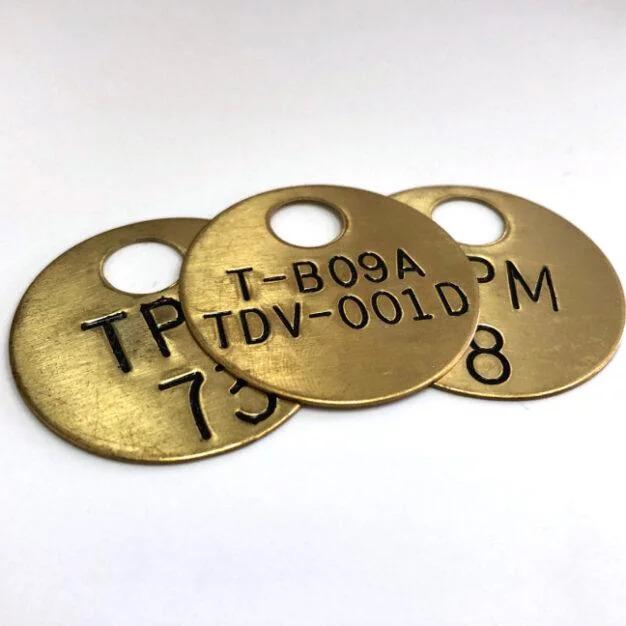
    Whether you need a single tag or bulk production, our #tags_service ensures consistent quality and precision in every order. Perfect for workplaces, factories, warehouses, and commercial settings, our #metal_name_tags combine functionality, durability, and a professional finish. At Industrial Nameplates, we specialize in manufacturing durable #industrial_metal_tags that are built to withstand daily use and challenging environments. Visit- https://industrialnameplates.ca/metal-tags/

    Our range includes #custom_metal_tags, metal tag labels, and metal name tags crafted from premium-grade materials. Designed to resist wear, fading, and corrosion, our tags are ideal for long-term identification needs. Each product can be customized with your company logo, employee name, department, or serial number, ensuring a professional and organized appearance in any workplace.

    For heavy-duty applications, we offer industrial metal tags and #identification_tags that meet the highest standards of durability. These tags can be engraved, printed, or etched depending on your requirements. Our #engraved_tags, engraved metal tags, and #engraved_metal_name_tags deliver a permanent, scratch-resistant finish that remains legible even after years of use in tough environments.

    If you’re looking for personalization, our #custom_tags_metal and custom metal tags in Canada services make it easy to design name tags tailored to your branding. We also produce custom metal name tags and #custom_metal_name_plates for corporate offices, trade shows, and special events. Whether you want sleek #engraved_plates or colorful printed designs, we have the expertise and tools to bring your vision to life.

    Our identification solutions also extend to custom identification tags for specialized uses. From asset tracking and safety labeling to employee ID systems, our tags provide a secure and long-lasting way to mark and manage important equipment and information. With options for adhesive backing, rivet holes, or magnetic fasteners, installation is quick and versatile.

    We combine expert craftsmanship, high-quality materials, and advanced production techniques to deliver name tags that truly last. When you choose our metal name tags and industrial metal tags, you’re investing in a solution that protects your brand image and provides reliable identification for years to come. Order today from https://maps.app.goo.gl/8divquyeHP17TorN8 and experience the perfect balance of durability and design.
    Durable Industrial Metal Name Tags – Designed to Last Whether you need a single tag or bulk production, our #tags_service ensures consistent quality and precision in every order. Perfect for workplaces, factories, warehouses, and commercial settings, our #metal_name_tags combine functionality, durability, and a professional finish. At Industrial Nameplates, we specialize in manufacturing durable #industrial_metal_tags that are built to withstand daily use and challenging environments. Visit- https://industrialnameplates.ca/metal-tags/ Our range includes #custom_metal_tags, metal tag labels, and metal name tags crafted from premium-grade materials. Designed to resist wear, fading, and corrosion, our tags are ideal for long-term identification needs. Each product can be customized with your company logo, employee name, department, or serial number, ensuring a professional and organized appearance in any workplace. For heavy-duty applications, we offer industrial metal tags and #identification_tags that meet the highest standards of durability. These tags can be engraved, printed, or etched depending on your requirements. Our #engraved_tags, engraved metal tags, and #engraved_metal_name_tags deliver a permanent, scratch-resistant finish that remains legible even after years of use in tough environments. If you’re looking for personalization, our #custom_tags_metal and custom metal tags in Canada services make it easy to design name tags tailored to your branding. We also produce custom metal name tags and #custom_metal_name_plates for corporate offices, trade shows, and special events. Whether you want sleek #engraved_plates or colorful printed designs, we have the expertise and tools to bring your vision to life. Our identification solutions also extend to custom identification tags for specialized uses. From asset tracking and safety labeling to employee ID systems, our tags provide a secure and long-lasting way to mark and manage important equipment and information. With options for adhesive backing, rivet holes, or magnetic fasteners, installation is quick and versatile. We combine expert craftsmanship, high-quality materials, and advanced production techniques to deliver name tags that truly last. When you choose our metal name tags and industrial metal tags, you’re investing in a solution that protects your brand image and provides reliable identification for years to come. Order today from https://maps.app.goo.gl/8divquyeHP17TorN8 and experience the perfect balance of durability and design.
    0 Comments 0 Shares
  • Wireless Sensor Market Trends: Emerging Technologies and Industry Drivers

    The Wireless Sensor Network (WSN) market has gained significant momentum over recent years, driven by the rising demand for real-time monitoring and data collection across a wide range of industries. Wireless sensor networks consist of spatially distributed autonomous sensors that monitor physical or environmental conditions, such as temperature, sound, vibration, pressure, motion, or pollutants, and cooperatively pass data through the network to a central location. This technology plays a pivotal role in enabling the Internet of Things (IoT), smart cities, industrial automation, and environmental monitoring.

    More Insights: https://www.marketresearchfuture.com/reports/wireless-sensor-network-market-1805

    Overview of the Wireless Sensor Network Market Size and Industry

    The Wireless Sensor Network market size has expanded steadily as technological advancements have made sensors more affordable, energy-efficient, and reliable. The wireless sensor network industry is evolving rapidly, fueled by increasing applications in sectors such as manufacturing, healthcare, agriculture, transportation, and defense. The integration of WSNs with cloud computing, big data analytics, and AI has further enhanced their capabilities, providing actionable insights for decision-makers.

    With a growing need for automation and remote monitoring, businesses are investing heavily in WSN solutions to optimize operations, reduce costs, and improve safety. The wireless sensor network market size reflects the widespread adoption of these networks in both developed and emerging economies.

    Wireless Sensor Network Market Trends

    Several wireless sensor network market trends are shaping the industry's future trajectory. One notable trend is the development of low-power wide-area networks (LPWAN) that enable long-range communication with minimal power consumption, addressing one of the key challenges of WSN deployment. Additionally, advances in sensor miniaturization and wireless protocols like Zigbee, Bluetooth Low Energy (BLE), and LoRaWAN are enhancing network performance and scalability.

    Another trend is the growing use of wireless sensor networks in smart city initiatives. These networks monitor traffic flow, air quality, energy consumption, and public safety, contributing to urban sustainability and improved quality of life. Furthermore, the wireless sensor network market trends include the expansion of industrial IoT applications, where WSNs facilitate predictive maintenance, asset tracking, and process automation.

    Wireless Sensor Network Market Forecast

    The wireless sensor network market forecast projects robust growth driven by increasing digital transformation efforts worldwide. Governments and enterprises are prioritizing investments in smart infrastructure and Industry 4.0 technologies, both of which heavily rely on WSN solutions. The forecast highlights expanding use cases in healthcare, such as patient monitoring and telemedicine, where wireless sensor networks enable continuous, real-time data transmission.

    Moreover, agricultural applications of WSNs are expected to grow as precision farming techniques gain popularity. Wireless sensor networks assist in monitoring soil moisture, crop health, and environmental factors, helping farmers optimize resource usage and boost yields. The wireless sensor network market forecast also anticipates rising adoption in environmental monitoring to track climate changes, wildlife habitats, and disaster management.

    Wireless Sensor Network Market Share Analysis

    The wireless sensor network market share is distributed among several key players, including technology providers, system integrators, and service companies. Leading vendors are focusing on innovation through partnerships, mergers, and acquisitions to expand their product portfolios and geographical reach. The competitive landscape is characterized by intense R&D activities aimed at improving sensor accuracy, battery life, and network security.

    Startups and specialized companies contribute to niche applications, pushing the boundaries of wireless sensor network technology. The wireless sensor network market share among these companies reflects their ability to provide customized solutions tailored to specific industry needs. Regional market share varies, with North America and Europe holding significant portions due to early adoption and supportive infrastructure, while Asia-Pacific is emerging rapidly as a key growth market.

    Challenges and Opportunities in the Wireless Sensor Network Industry

    Despite its promising outlook, the wireless sensor network industry faces challenges such as network scalability, security vulnerabilities, and interoperability issues. Ensuring secure communication within large sensor networks is critical to prevent data breaches and cyber-attacks. Additionally, integrating heterogeneous devices from different manufacturers poses compatibility challenges.

    However, these challenges also open opportunities for innovation. The wireless sensor network industry is investing in developing standardized protocols and enhanced encryption technologies. Emerging technologies like blockchain are being explored to improve data integrity and trustworthiness in sensor networks.

    Energy harvesting techniques, which allow sensors to generate power from ambient sources like solar or vibration energy, present another growth opportunity. These advancements can extend the operational life of wireless sensor networks, reducing maintenance costs and enabling deployment in remote or inaccessible locations.

    Conclusion

    The wireless sensor network market is poised for substantial growth as industries across the globe continue to embrace digital transformation and smart technologies. Driven by the increasing demand for efficient data collection and real-time monitoring, the wireless sensor network market size is set to expand significantly in the coming years. Market trends such as the rise of LPWAN, integration with IoT, and smart city projects are shaping a dynamic and innovative industry landscape.

    With a positive wireless sensor network market forecast, businesses and governments are expected to ramp up investments in this technology to enhance operational efficiency, sustainability, and safety. Although challenges remain, the ongoing advancements and increasing wireless sensor network market share of innovative companies promise a vibrant future for this sector.
    Wireless Sensor Market Trends: Emerging Technologies and Industry Drivers The Wireless Sensor Network (WSN) market has gained significant momentum over recent years, driven by the rising demand for real-time monitoring and data collection across a wide range of industries. Wireless sensor networks consist of spatially distributed autonomous sensors that monitor physical or environmental conditions, such as temperature, sound, vibration, pressure, motion, or pollutants, and cooperatively pass data through the network to a central location. This technology plays a pivotal role in enabling the Internet of Things (IoT), smart cities, industrial automation, and environmental monitoring. More Insights: https://www.marketresearchfuture.com/reports/wireless-sensor-network-market-1805 Overview of the Wireless Sensor Network Market Size and Industry The Wireless Sensor Network market size has expanded steadily as technological advancements have made sensors more affordable, energy-efficient, and reliable. The wireless sensor network industry is evolving rapidly, fueled by increasing applications in sectors such as manufacturing, healthcare, agriculture, transportation, and defense. The integration of WSNs with cloud computing, big data analytics, and AI has further enhanced their capabilities, providing actionable insights for decision-makers. With a growing need for automation and remote monitoring, businesses are investing heavily in WSN solutions to optimize operations, reduce costs, and improve safety. The wireless sensor network market size reflects the widespread adoption of these networks in both developed and emerging economies. Wireless Sensor Network Market Trends Several wireless sensor network market trends are shaping the industry's future trajectory. One notable trend is the development of low-power wide-area networks (LPWAN) that enable long-range communication with minimal power consumption, addressing one of the key challenges of WSN deployment. Additionally, advances in sensor miniaturization and wireless protocols like Zigbee, Bluetooth Low Energy (BLE), and LoRaWAN are enhancing network performance and scalability. Another trend is the growing use of wireless sensor networks in smart city initiatives. These networks monitor traffic flow, air quality, energy consumption, and public safety, contributing to urban sustainability and improved quality of life. Furthermore, the wireless sensor network market trends include the expansion of industrial IoT applications, where WSNs facilitate predictive maintenance, asset tracking, and process automation. Wireless Sensor Network Market Forecast The wireless sensor network market forecast projects robust growth driven by increasing digital transformation efforts worldwide. Governments and enterprises are prioritizing investments in smart infrastructure and Industry 4.0 technologies, both of which heavily rely on WSN solutions. The forecast highlights expanding use cases in healthcare, such as patient monitoring and telemedicine, where wireless sensor networks enable continuous, real-time data transmission. Moreover, agricultural applications of WSNs are expected to grow as precision farming techniques gain popularity. Wireless sensor networks assist in monitoring soil moisture, crop health, and environmental factors, helping farmers optimize resource usage and boost yields. The wireless sensor network market forecast also anticipates rising adoption in environmental monitoring to track climate changes, wildlife habitats, and disaster management. Wireless Sensor Network Market Share Analysis The wireless sensor network market share is distributed among several key players, including technology providers, system integrators, and service companies. Leading vendors are focusing on innovation through partnerships, mergers, and acquisitions to expand their product portfolios and geographical reach. The competitive landscape is characterized by intense R&D activities aimed at improving sensor accuracy, battery life, and network security. Startups and specialized companies contribute to niche applications, pushing the boundaries of wireless sensor network technology. The wireless sensor network market share among these companies reflects their ability to provide customized solutions tailored to specific industry needs. Regional market share varies, with North America and Europe holding significant portions due to early adoption and supportive infrastructure, while Asia-Pacific is emerging rapidly as a key growth market. Challenges and Opportunities in the Wireless Sensor Network Industry Despite its promising outlook, the wireless sensor network industry faces challenges such as network scalability, security vulnerabilities, and interoperability issues. Ensuring secure communication within large sensor networks is critical to prevent data breaches and cyber-attacks. Additionally, integrating heterogeneous devices from different manufacturers poses compatibility challenges. However, these challenges also open opportunities for innovation. The wireless sensor network industry is investing in developing standardized protocols and enhanced encryption technologies. Emerging technologies like blockchain are being explored to improve data integrity and trustworthiness in sensor networks. Energy harvesting techniques, which allow sensors to generate power from ambient sources like solar or vibration energy, present another growth opportunity. These advancements can extend the operational life of wireless sensor networks, reducing maintenance costs and enabling deployment in remote or inaccessible locations. Conclusion The wireless sensor network market is poised for substantial growth as industries across the globe continue to embrace digital transformation and smart technologies. Driven by the increasing demand for efficient data collection and real-time monitoring, the wireless sensor network market size is set to expand significantly in the coming years. Market trends such as the rise of LPWAN, integration with IoT, and smart city projects are shaping a dynamic and innovative industry landscape. With a positive wireless sensor network market forecast, businesses and governments are expected to ramp up investments in this technology to enhance operational efficiency, sustainability, and safety. Although challenges remain, the ongoing advancements and increasing wireless sensor network market share of innovative companies promise a vibrant future for this sector.
    WWW.MARKETRESEARCHFUTURE.COM
    Wireless Sensor Network Market Size, Share, Growth Report 2032
    Wireless Sensor Network Market is projected to reach USD 82.1 Billion at a CAGR of 8.75% by 2032, Global Wireless Sensor Network Industry Growth Application, Network Protocol, Components, End Use, Regional
    0 Comments 0 Shares
  • From Smart Homes to Smart Factories: The Role of IoT Sensors in Digital Transformation


    IoT Sensor Market: Enabling the Connected World

    The Internet of Things (IoT) has rapidly evolved into a cornerstone of digital transformation across industries, and at the heart of this technological revolution lie IoT sensors. These small yet powerful devices are responsible for collecting real-time data from physical environments, which is then transmitted to connected systems for monitoring, analysis, and action. The IoT sensor market is experiencing robust growth, fueled by the rising adoption of smart technologies in sectors ranging from manufacturing and healthcare to agriculture and smart cities.

    More Insights: https://www.marketresearchfuture.com/reports/iot-sensor-market-4399

    Market Overview

    IoT sensors serve as the critical link between the physical and digital worlds. They detect changes in temperature, pressure, motion, humidity, gas concentration, light, and many other environmental parameters. These sensors enable machines, systems, and applications to operate autonomously and intelligently by providing the data needed to make informed decisions in real time.

    With the increasing deployment of IoT networks and smart devices, demand for efficient, compact, and low-power sensors has grown dramatically. The shift toward automation, data-driven operations, and predictive analytics has made sensors indispensable to the success of IoT ecosystems.

    Key Drivers

    1. Proliferation of Connected Devices:
    As more devices are embedded with communication capabilities, the demand for sensors that can monitor their operation and surroundings has risen. Everything from smartphones and wearables to industrial equipment now integrates sensors for enhanced functionality.

    2. Industrial Automation and Smart Manufacturing:
    Industries are investing heavily in IoT-enabled solutions to increase operational efficiency and reduce downtime. Sensors help track machine health, monitor environmental conditions, and optimize workflows, making them central to smart factory initiatives.

    3. Growth of Smart Cities:
    Governments and municipalities are deploying sensors across urban infrastructure to manage traffic, energy usage, waste disposal, and public safety. These smart city applications rely on real-time data to improve urban planning and resource management.

    4. Healthcare Digitization:
    IoT sensors are playing a vital role in healthcare by enabling remote patient monitoring, smart diagnostics, and wearable medical devices. These innovations support better patient outcomes and reduce the burden on healthcare systems.

    5. Advancements in Wireless Communication:
    The expansion of 5G, LPWAN (Low-Power Wide-Area Network), and other wireless protocols has made it easier to deploy sensors in remote and hard-to-reach locations. Improved connectivity allows for more extensive and reliable data collection.

    Market Segmentation

    1. By Sensor Type:

    Temperature Sensors: Used in HVAC, healthcare, and industrial environments.

    Pressure Sensors: Common in automotive and process industries.

    Motion Sensors: Integral to security systems and smart home applications.

    Gas Sensors: Applied in environmental monitoring and safety systems.

    Proximity Sensors: Used in consumer electronics and industrial automation.

    Image Sensors: Deployed in surveillance, smart vehicles, and healthcare diagnostics.

    2. By Application:

    Consumer Electronics: Smartphones, wearables, smart appliances.

    Healthcare: Remote monitoring, fitness tracking, medical diagnostics.

    Industrial: Equipment monitoring, predictive maintenance, asset tracking.

    Automotive: ADAS, infotainment systems, emissions monitoring.

    Agriculture: Soil monitoring, weather tracking, smart irrigation.

    Building Automation: Smart lighting, HVAC systems, energy management.

    3. By Connectivity:

    Wired Sensors: Often used in stable, low-mobility environments.

    Wireless Sensors: Preferred for flexibility, scalability, and low installation costs.

    Regional Insights

    The IoT sensor market is witnessing widespread adoption across various geographies. North America leads in terms of technology adoption and innovation, driven by advanced industries and strong investment in smart infrastructure. Europe is following closely, with a focus on industrial IoT and sustainable urban development.

    The Asia-Pacific region is emerging as a high-growth market due to rapid urbanization, rising smartphone penetration, and the expansion of industrial sectors. Countries such as China, India, Japan, and South Korea are investing heavily in smart city and manufacturing initiatives. Meanwhile, Latin America and the Middle East are gradually embracing IoT technologies for energy management, agriculture, and public services.

    Challenges

    Despite strong growth prospects, the IoT sensor market faces several challenges:

    Data Privacy and Security: The widespread use of sensors raises concerns about the security of transmitted data and user privacy.

    Power Consumption: Many sensors operate in remote locations, where battery life and energy efficiency are critical.

    Integration Complexity: Connecting sensors with diverse systems and ensuring interoperability across platforms remains a technical hurdle.

    Cost Constraints: Although sensor prices have dropped, the cost of deploying large-scale IoT infrastructure can still be a barrier for smaller organizations.

    Future Outlook

    The future of the IoT sensor market is promising, with rapid innovation driving the development of smaller, more efficient, and multifunctional sensors. The convergence of AI and edge computing is expected to enhance sensor capabilities, allowing devices to analyze data locally and make decisions without relying on centralized systems.

    Sensor fusion—where multiple types of sensors are integrated into a single device—is gaining traction in applications requiring comprehensive environmental awareness. Meanwhile, sustainability trends are pushing manufacturers toward eco-friendly materials and energy-harvesting solutions.

    Conclusion

    IoT sensors are indispensable enablers of a connected, intelligent world. As businesses and governments increasingly adopt smart technologies, the demand for versatile and high-performance sensors will continue to surge. With ongoing advancements in miniaturization, connectivity, and data processing, the IoT sensor market is set to remain a key driver of innovation across sectors well into the future.
    From Smart Homes to Smart Factories: The Role of IoT Sensors in Digital Transformation IoT Sensor Market: Enabling the Connected World The Internet of Things (IoT) has rapidly evolved into a cornerstone of digital transformation across industries, and at the heart of this technological revolution lie IoT sensors. These small yet powerful devices are responsible for collecting real-time data from physical environments, which is then transmitted to connected systems for monitoring, analysis, and action. The IoT sensor market is experiencing robust growth, fueled by the rising adoption of smart technologies in sectors ranging from manufacturing and healthcare to agriculture and smart cities. More Insights: https://www.marketresearchfuture.com/reports/iot-sensor-market-4399 Market Overview IoT sensors serve as the critical link between the physical and digital worlds. They detect changes in temperature, pressure, motion, humidity, gas concentration, light, and many other environmental parameters. These sensors enable machines, systems, and applications to operate autonomously and intelligently by providing the data needed to make informed decisions in real time. With the increasing deployment of IoT networks and smart devices, demand for efficient, compact, and low-power sensors has grown dramatically. The shift toward automation, data-driven operations, and predictive analytics has made sensors indispensable to the success of IoT ecosystems. Key Drivers 1. Proliferation of Connected Devices: As more devices are embedded with communication capabilities, the demand for sensors that can monitor their operation and surroundings has risen. Everything from smartphones and wearables to industrial equipment now integrates sensors for enhanced functionality. 2. Industrial Automation and Smart Manufacturing: Industries are investing heavily in IoT-enabled solutions to increase operational efficiency and reduce downtime. Sensors help track machine health, monitor environmental conditions, and optimize workflows, making them central to smart factory initiatives. 3. Growth of Smart Cities: Governments and municipalities are deploying sensors across urban infrastructure to manage traffic, energy usage, waste disposal, and public safety. These smart city applications rely on real-time data to improve urban planning and resource management. 4. Healthcare Digitization: IoT sensors are playing a vital role in healthcare by enabling remote patient monitoring, smart diagnostics, and wearable medical devices. These innovations support better patient outcomes and reduce the burden on healthcare systems. 5. Advancements in Wireless Communication: The expansion of 5G, LPWAN (Low-Power Wide-Area Network), and other wireless protocols has made it easier to deploy sensors in remote and hard-to-reach locations. Improved connectivity allows for more extensive and reliable data collection. Market Segmentation 1. By Sensor Type: Temperature Sensors: Used in HVAC, healthcare, and industrial environments. Pressure Sensors: Common in automotive and process industries. Motion Sensors: Integral to security systems and smart home applications. Gas Sensors: Applied in environmental monitoring and safety systems. Proximity Sensors: Used in consumer electronics and industrial automation. Image Sensors: Deployed in surveillance, smart vehicles, and healthcare diagnostics. 2. By Application: Consumer Electronics: Smartphones, wearables, smart appliances. Healthcare: Remote monitoring, fitness tracking, medical diagnostics. Industrial: Equipment monitoring, predictive maintenance, asset tracking. Automotive: ADAS, infotainment systems, emissions monitoring. Agriculture: Soil monitoring, weather tracking, smart irrigation. Building Automation: Smart lighting, HVAC systems, energy management. 3. By Connectivity: Wired Sensors: Often used in stable, low-mobility environments. Wireless Sensors: Preferred for flexibility, scalability, and low installation costs. Regional Insights The IoT sensor market is witnessing widespread adoption across various geographies. North America leads in terms of technology adoption and innovation, driven by advanced industries and strong investment in smart infrastructure. Europe is following closely, with a focus on industrial IoT and sustainable urban development. The Asia-Pacific region is emerging as a high-growth market due to rapid urbanization, rising smartphone penetration, and the expansion of industrial sectors. Countries such as China, India, Japan, and South Korea are investing heavily in smart city and manufacturing initiatives. Meanwhile, Latin America and the Middle East are gradually embracing IoT technologies for energy management, agriculture, and public services. Challenges Despite strong growth prospects, the IoT sensor market faces several challenges: Data Privacy and Security: The widespread use of sensors raises concerns about the security of transmitted data and user privacy. Power Consumption: Many sensors operate in remote locations, where battery life and energy efficiency are critical. Integration Complexity: Connecting sensors with diverse systems and ensuring interoperability across platforms remains a technical hurdle. Cost Constraints: Although sensor prices have dropped, the cost of deploying large-scale IoT infrastructure can still be a barrier for smaller organizations. Future Outlook The future of the IoT sensor market is promising, with rapid innovation driving the development of smaller, more efficient, and multifunctional sensors. The convergence of AI and edge computing is expected to enhance sensor capabilities, allowing devices to analyze data locally and make decisions without relying on centralized systems. Sensor fusion—where multiple types of sensors are integrated into a single device—is gaining traction in applications requiring comprehensive environmental awareness. Meanwhile, sustainability trends are pushing manufacturers toward eco-friendly materials and energy-harvesting solutions. Conclusion IoT sensors are indispensable enablers of a connected, intelligent world. As businesses and governments increasingly adopt smart technologies, the demand for versatile and high-performance sensors will continue to surge. With ongoing advancements in miniaturization, connectivity, and data processing, the IoT sensor market is set to remain a key driver of innovation across sectors well into the future.
    WWW.MARKETRESEARCHFUTURE.COM
    IoT Sensor Market Size Forecast 2032 | Industry Share Report
    IoT Sensor Market Size is to reach USD 150.3 Billion, with a healthy CAGR of 17.10% by 2032, Global IoT Sensor Industry Growth by Type, Vertical, and Region
    0 Comments 0 Shares
  • RFID Tags Market: Growth, Drivers, and Future Outlook (2023-2035)

    The RFID Tags Market was valued at USD 12.2 billion in 2023 and is projected to grow from USD 13.1 billion in 2024 to USD 28.5 billion by 2035. This growth represents a compound annual growth rate (CAGR) of 7.32% during the forecast period (2025-2035). The market for Radio Frequency Identification (RFID) tags is experiencing rapid expansion as businesses increasingly adopt these technologies to improve supply chain efficiency, enhance inventory management, and streamline tracking processes across various industries.

    Key Drivers of Market Growth

    Advancements in IoT and Smart Technologies: RFID tags are an essential component of the broader Internet of Things (IoT) ecosystem. The increasing adoption of smart devices and the growing demand for automated solutions in logistics, retail, and manufacturing are driving the demand for RFID tags. These tags are used for tracking goods, managing assets, and enabling seamless communication between devices, which is integral to modern IoT solutions.
    Supply Chain and Inventory Management: RFID tags are increasingly being adopted by industries for more efficient inventory management and supply chain monitoring. With the growing demand for real-time tracking and the need to reduce human error, RFID tags offer a non-contact method of identifying and tracking items, making them invaluable in sectors such as retail, automotive, and logistics. This enhanced efficiency in tracking goods through the supply chain is one of the primary drivers of market growth.
    Retail and E-Commerce Growth: The retail sector has significantly benefited from the use of RFID tags. As the e-commerce industry expands, retailers are increasingly leveraging RFID tags for inventory management, preventing theft, and enhancing the customer shopping experience. RFID tags enable quick and accurate stocktaking, allowing businesses to optimize their inventory levels and ensure product availability.
    Adoption in Healthcare: The healthcare sector is also a significant driver of RFID tag adoption. These tags are used in tracking medical equipment, patient identification, and pharmaceuticals. RFID tags help improve patient care by ensuring the accurate and timely availability of medical supplies and medications. As healthcare systems globally adopt more advanced technologies, the demand for RFID tags is expected to grow steadily.
    Technological Advancements in RFID: Continuous advancements in RFID technology, such as the development of passive RFID systems that require no battery, and the miniaturization of tags for more versatile applications, have also contributed to the market's growth. These innovations make RFID tags more cost-effective and easier to integrate into existing infrastructures, further driving adoption across industries.
    Get FREE Sample Report:

    https://www.marketresearchfuture.com/sample_request/2008

    RFID Tags Market Segmentation

    By Type
    Active RFID Tags: These tags are powered by a battery and are capable of transmitting signals over longer distances, making them suitable for tracking high-value assets, vehicles, and large inventories.
    Passive RFID Tags: These tags do not have their own power source and rely on the radio waves emitted by the reader to activate. They are commonly used in applications such as inventory management and access control.
    Semi-Passive RFID Tags: These combine elements of both active and passive tags, using a battery to power the internal circuitry but relying on the reader's radio waves to transmit data. These tags are typically used in more specialized applications, such as temperature-sensitive shipments.
    By End-Use Industry
    Retail and E-commerce: Retailers utilize RFID tags for inventory management, reducing theft, and enhancing the overall shopping experience. E-commerce businesses use them to optimize fulfillment and streamline supply chain processes.
    Logistics and Supply Chain: RFID tags play a crucial role in supply chain management, enabling businesses to track goods from production to delivery and ensuring timely distribution.
    Healthcare: RFID tags are used in healthcare for tracking medical devices, pharmaceuticals, and even patients to improve the accuracy of care and minimize errors.
    Automotive: In the automotive sector, RFID tags are used for tracking parts, managing vehicle inventories, and enabling keyless entry systems.
    Others: Other sectors adopting RFID tags include aerospace, defense, manufacturing, and agriculture, where they are used for asset management, inventory tracking, and monitoring environmental conditions.
    By Region
    North America: North America is one of the largest markets for RFID tags due to its strong presence of retail, logistics, and healthcare sectors that are early adopters of RFID technology. The region is expected to maintain steady growth, with the U.S. leading the adoption of RFID in various industries.
    Europe: Europe is witnessing a rise in RFID adoption, particularly in the retail, automotive, and healthcare sectors. The European market is driven by regulatory requirements for traceability in industries such as pharmaceuticals and food.
    Asia-Pacific: The Asia-Pacific region is expected to experience significant growth in the RFID tags market, driven by the rapid expansion of retail, manufacturing, and logistics sectors in countries like China, Japan, and India. The growing use of RFID for inventory management and asset tracking is helping to boost market demand in this region.
    Rest of the World: The RFID tags market in Latin America, the Middle East, and Africa is also growing, with key sectors such as healthcare, logistics, and agriculture driving the demand for RFID technology.
    Conclusion

    The RFID Tags Market is set to grow significantly, with an expected CAGR of 7.32% from 2025 to 2035. This growth is driven by technological advancements, increasing adoption in supply chain and inventory management, and expanding applications in various industries like retail, healthcare, and logistics. RFID technology is becoming an essential tool for businesses seeking greater operational efficiency, real-time tracking, and enhanced customer experiences. With the continuous evolution of the technology, the RFID tags market will continue to thrive and see widespread adoption across multiple sectors.
    RFID Tags Market: Growth, Drivers, and Future Outlook (2023-2035) The RFID Tags Market was valued at USD 12.2 billion in 2023 and is projected to grow from USD 13.1 billion in 2024 to USD 28.5 billion by 2035. This growth represents a compound annual growth rate (CAGR) of 7.32% during the forecast period (2025-2035). The market for Radio Frequency Identification (RFID) tags is experiencing rapid expansion as businesses increasingly adopt these technologies to improve supply chain efficiency, enhance inventory management, and streamline tracking processes across various industries. Key Drivers of Market Growth Advancements in IoT and Smart Technologies: RFID tags are an essential component of the broader Internet of Things (IoT) ecosystem. The increasing adoption of smart devices and the growing demand for automated solutions in logistics, retail, and manufacturing are driving the demand for RFID tags. These tags are used for tracking goods, managing assets, and enabling seamless communication between devices, which is integral to modern IoT solutions. Supply Chain and Inventory Management: RFID tags are increasingly being adopted by industries for more efficient inventory management and supply chain monitoring. With the growing demand for real-time tracking and the need to reduce human error, RFID tags offer a non-contact method of identifying and tracking items, making them invaluable in sectors such as retail, automotive, and logistics. This enhanced efficiency in tracking goods through the supply chain is one of the primary drivers of market growth. Retail and E-Commerce Growth: The retail sector has significantly benefited from the use of RFID tags. As the e-commerce industry expands, retailers are increasingly leveraging RFID tags for inventory management, preventing theft, and enhancing the customer shopping experience. RFID tags enable quick and accurate stocktaking, allowing businesses to optimize their inventory levels and ensure product availability. Adoption in Healthcare: The healthcare sector is also a significant driver of RFID tag adoption. These tags are used in tracking medical equipment, patient identification, and pharmaceuticals. RFID tags help improve patient care by ensuring the accurate and timely availability of medical supplies and medications. As healthcare systems globally adopt more advanced technologies, the demand for RFID tags is expected to grow steadily. Technological Advancements in RFID: Continuous advancements in RFID technology, such as the development of passive RFID systems that require no battery, and the miniaturization of tags for more versatile applications, have also contributed to the market's growth. These innovations make RFID tags more cost-effective and easier to integrate into existing infrastructures, further driving adoption across industries. Get FREE Sample Report: https://www.marketresearchfuture.com/sample_request/2008 RFID Tags Market Segmentation By Type Active RFID Tags: These tags are powered by a battery and are capable of transmitting signals over longer distances, making them suitable for tracking high-value assets, vehicles, and large inventories. Passive RFID Tags: These tags do not have their own power source and rely on the radio waves emitted by the reader to activate. They are commonly used in applications such as inventory management and access control. Semi-Passive RFID Tags: These combine elements of both active and passive tags, using a battery to power the internal circuitry but relying on the reader's radio waves to transmit data. These tags are typically used in more specialized applications, such as temperature-sensitive shipments. By End-Use Industry Retail and E-commerce: Retailers utilize RFID tags for inventory management, reducing theft, and enhancing the overall shopping experience. E-commerce businesses use them to optimize fulfillment and streamline supply chain processes. Logistics and Supply Chain: RFID tags play a crucial role in supply chain management, enabling businesses to track goods from production to delivery and ensuring timely distribution. Healthcare: RFID tags are used in healthcare for tracking medical devices, pharmaceuticals, and even patients to improve the accuracy of care and minimize errors. Automotive: In the automotive sector, RFID tags are used for tracking parts, managing vehicle inventories, and enabling keyless entry systems. Others: Other sectors adopting RFID tags include aerospace, defense, manufacturing, and agriculture, where they are used for asset management, inventory tracking, and monitoring environmental conditions. By Region North America: North America is one of the largest markets for RFID tags due to its strong presence of retail, logistics, and healthcare sectors that are early adopters of RFID technology. The region is expected to maintain steady growth, with the U.S. leading the adoption of RFID in various industries. Europe: Europe is witnessing a rise in RFID adoption, particularly in the retail, automotive, and healthcare sectors. The European market is driven by regulatory requirements for traceability in industries such as pharmaceuticals and food. Asia-Pacific: The Asia-Pacific region is expected to experience significant growth in the RFID tags market, driven by the rapid expansion of retail, manufacturing, and logistics sectors in countries like China, Japan, and India. The growing use of RFID for inventory management and asset tracking is helping to boost market demand in this region. Rest of the World: The RFID tags market in Latin America, the Middle East, and Africa is also growing, with key sectors such as healthcare, logistics, and agriculture driving the demand for RFID technology. Conclusion The RFID Tags Market is set to grow significantly, with an expected CAGR of 7.32% from 2025 to 2035. This growth is driven by technological advancements, increasing adoption in supply chain and inventory management, and expanding applications in various industries like retail, healthcare, and logistics. RFID technology is becoming an essential tool for businesses seeking greater operational efficiency, real-time tracking, and enhanced customer experiences. With the continuous evolution of the technology, the RFID tags market will continue to thrive and see widespread adoption across multiple sectors.
    WWW.MARKETRESEARCHFUTURE.COM
    RFID Tags Market Size, Share, Growth Report | Forecast 2035
    RFID Tags Market is predicted to reach USD 28.5 Billion at a CAGR of 7.32% by 2035, Global RFID Tags Industry Growth by Standard, Frequency, Application, Trends, Opportunities, and Industry Forecast 2025- 2035
    0 Comments 0 Shares
  • GPS Tracking Device Market: Industry Growth and Forecast (2024-2032)

    The GPS Tracking Device Market is experiencing robust growth, driven by increasing demand across sectors such as logistics, transportation, construction, and personal safety. The GPS Tracking Device Market Size was valued at USD 3.1 billion in 2023. The industry is projected to grow from USD 3.4 billion in 2024 to USD 7.9 billion by 2032, exhibiting a compound annual growth rate (CAGR) of 12.60% during the forecast period (2024–2032).

    Factors such as advancements in IoT (Internet of Things) integration, rising concerns over vehicle and asset safety, and growing adoption of fleet management solutions are propelling the demand for GPS tracking devices globally. Technological innovations including real-time tracking, geofencing, and cloud-based monitoring are further boosting the market growth.

    Get FREE Sample Report:

    https://www.marketresearchfuture.com/sample_request/3317

    Key Market Drivers

    Expansion of Logistics and Transportation Sector:
    The need for efficient fleet management and real-time vehicle tracking is fueling demand for GPS tracking devices.
    Growth in E-commerce Deliveries:
    Rising online shopping volumes are encouraging logistics companies to use GPS devices for tracking shipments and ensuring timely deliveries.
    Increasing Adoption of IoT and Smart Technologies:
    Integration of GPS devices with IoT systems provides real-time data analytics, enhancing operational efficiency.
    Heightened Focus on Personal and Asset Safety:
    Personal GPS trackers and asset tracking solutions are gaining popularity for security and monitoring purposes.

    Market Segmentation

    By Type:

    Standalone Trackers:
    Devices designed specifically for GPS tracking without additional functionalities.
    OBD Devices:
    Plug-and-play tracking solutions connected to a vehicle's OBD-II port.
    Advance Trackers:
    High-end devices with additional features like route optimization, driver behavior monitoring, and engine diagnostics.

    By Deployment Type:

    Commercial Vehicles:
    Predominant use in logistics, supply chain management, and delivery services.
    Cargo and Containers:
    Tracking cargo in transit to prevent theft and ensure proper handling.
    Individual and Personal Tracking:
    Used for monitoring children, elderly individuals, and pets.

    By Industry Vertical:

    Transportation & Logistics
    Construction
    Oil & Gas
    Government and Defense
    Healthcare
    Others (Retail, Utilities, etc.)

    By Region:

    North America:
    Leading market share due to advanced fleet management systems and strong technology adoption.
    Europe:
    Significant growth driven by regulations for vehicle safety and telematics solutions.
    Asia-Pacific:
    Fastest-growing region, with rising vehicle production and booming e-commerce activities.
    Rest of the World:
    Steady growth supported by initiatives for improving transportation infrastructure.

    Challenges and Opportunities

    Challenges such as privacy concerns, data security issues, and high initial costs for premium solutions may impact market growth. However, the rise of connected vehicles, 5G connectivity, and smart city initiatives offer lucrative opportunities for market expansion in the coming years.

    Conclusion

    The GPS Tracking Device Market is set for impressive growth, backed by technological innovation, a thriving logistics sector, and increasing security needs across various industries. Companies investing in smart tracking solutions are likely to gain a competitive advantage as demand for real-time tracking and monitoring continues to surge.
    GPS Tracking Device Market: Industry Growth and Forecast (2024-2032) The GPS Tracking Device Market is experiencing robust growth, driven by increasing demand across sectors such as logistics, transportation, construction, and personal safety. The GPS Tracking Device Market Size was valued at USD 3.1 billion in 2023. The industry is projected to grow from USD 3.4 billion in 2024 to USD 7.9 billion by 2032, exhibiting a compound annual growth rate (CAGR) of 12.60% during the forecast period (2024–2032). Factors such as advancements in IoT (Internet of Things) integration, rising concerns over vehicle and asset safety, and growing adoption of fleet management solutions are propelling the demand for GPS tracking devices globally. Technological innovations including real-time tracking, geofencing, and cloud-based monitoring are further boosting the market growth. Get FREE Sample Report: https://www.marketresearchfuture.com/sample_request/3317 Key Market Drivers Expansion of Logistics and Transportation Sector: The need for efficient fleet management and real-time vehicle tracking is fueling demand for GPS tracking devices. Growth in E-commerce Deliveries: Rising online shopping volumes are encouraging logistics companies to use GPS devices for tracking shipments and ensuring timely deliveries. Increasing Adoption of IoT and Smart Technologies: Integration of GPS devices with IoT systems provides real-time data analytics, enhancing operational efficiency. Heightened Focus on Personal and Asset Safety: Personal GPS trackers and asset tracking solutions are gaining popularity for security and monitoring purposes. Market Segmentation By Type: Standalone Trackers: Devices designed specifically for GPS tracking without additional functionalities. OBD Devices: Plug-and-play tracking solutions connected to a vehicle's OBD-II port. Advance Trackers: High-end devices with additional features like route optimization, driver behavior monitoring, and engine diagnostics. By Deployment Type: Commercial Vehicles: Predominant use in logistics, supply chain management, and delivery services. Cargo and Containers: Tracking cargo in transit to prevent theft and ensure proper handling. Individual and Personal Tracking: Used for monitoring children, elderly individuals, and pets. By Industry Vertical: Transportation & Logistics Construction Oil & Gas Government and Defense Healthcare Others (Retail, Utilities, etc.) By Region: North America: Leading market share due to advanced fleet management systems and strong technology adoption. Europe: Significant growth driven by regulations for vehicle safety and telematics solutions. Asia-Pacific: Fastest-growing region, with rising vehicle production and booming e-commerce activities. Rest of the World: Steady growth supported by initiatives for improving transportation infrastructure. Challenges and Opportunities Challenges such as privacy concerns, data security issues, and high initial costs for premium solutions may impact market growth. However, the rise of connected vehicles, 5G connectivity, and smart city initiatives offer lucrative opportunities for market expansion in the coming years. Conclusion The GPS Tracking Device Market is set for impressive growth, backed by technological innovation, a thriving logistics sector, and increasing security needs across various industries. Companies investing in smart tracking solutions are likely to gain a competitive advantage as demand for real-time tracking and monitoring continues to surge.
    WWW.MARKETRESEARCHFUTURE.COM
    GPS Tracking Device Market Size, Growth Drivers 2032
    The GPS Tracking Device market size is projected to grow USD 7.9 billion by 2032, exhibiting a CAGR of 12.60% during the forecast period (2024 - 2032).
    0 Comments 0 Shares
  • Fleet Asset Tracking Tools

    Installing fleet asset tracking would be the absolute option for promoting the business forward. These are suitable for easily achieving sustainable goals along with improving safety standards. Investing in fleet asset tracking tools is a great option for getting robust data analysis, real-time decision-making, and strategic planning. Visit: https://laipac.com/fleet-asset-monitoring/
    Fleet Asset Tracking Tools Installing fleet asset tracking would be the absolute option for promoting the business forward. These are suitable for easily achieving sustainable goals along with improving safety standards. Investing in fleet asset tracking tools is a great option for getting robust data analysis, real-time decision-making, and strategic planning. Visit: https://laipac.com/fleet-asset-monitoring/
    0 Comments 0 Shares
  • Monitor and Manage Your Assets with GPS Fleet Tracking Tools

    In the modern day, the world of logistics and transportation has increased massively. Businesses are required to stay ahead in managing fleet assets. GPS Fleet asset tracking is a pivotal technology for driving safely. Visit: https://www.zupyak.com/p/4298669/t/monitor-and-manage-your-assets-with-gps-fleet-tracking-tools
    Monitor and Manage Your Assets with GPS Fleet Tracking Tools In the modern day, the world of logistics and transportation has increased massively. Businesses are required to stay ahead in managing fleet assets. GPS Fleet asset tracking is a pivotal technology for driving safely. Visit: https://www.zupyak.com/p/4298669/t/monitor-and-manage-your-assets-with-gps-fleet-tracking-tools
    0 Comments 0 Shares
No data to show
No data to show
No data to show
No data to show
No data to show