• Quantum Computing Business Applications: How Enterprises Are Preparing for the Next Computing Era
    Quantum computing is moving from a research-focused technology toward a potential business transformation tool. Unlike classical computers, which process information using bits represented as 0s and 1s, quantum computers use quantum bits, or qubits, that can represent complex combinations of states. This capability could eventually help businesses solve certain computational problems that are difficult or impractical for traditional systems.

    Although large-scale, fault-tolerant quantum computing is still developing, enterprises across industries are already exploring practical applications. From financial modeling to supply chain optimization, quantum computing could create new opportunities for organizations that begin preparing early.

    Financial Services and Risk Management
    Financial services is one of the industries expected to benefit significantly from quantum computing. Banks, investment firms, and insurance companies process large volumes of data and perform complex calculations for risk assessment, portfolio optimization, fraud detection, and pricing.

    Quantum algorithms could potentially help financial institutions evaluate numerous possible scenarios more efficiently. Portfolio managers, for example, could use quantum optimization techniques to explore investment combinations while balancing risk and expected returns. Insurance companies could also investigate quantum approaches for improving complex risk models and pricing calculations.

    Supply Chain and Logistics Optimization
    Modern supply chains involve thousands of variables, including inventory levels, transportation routes, warehouse capacity, supplier availability, and customer demand. Finding the most efficient combination can become extremely difficult as the number of variables increases.

    Quantum computing may help companies address these optimization problems by evaluating complex combinations of possible solutions. Logistics companies could explore quantum-powered optimization for vehicle routing, delivery scheduling, warehouse operations, and resource allocation.

    For global manufacturers and retailers, even small improvements in logistics efficiency could translate into significant cost savings.

    Drug Discovery and Healthcare
    Pharmaceutical companies spend years and substantial resources developing new medicines. One major challenge is understanding how molecules interact and identifying promising compounds.

    Quantum computers are particularly interesting for chemistry and molecular simulation because quantum systems can potentially model other quantum systems more naturally than classical computers. Researchers are exploring how quantum computing could support molecular modeling, drug discovery, materials research, and personalized treatment development.

    While widespread commercial use remains a longer-term goal, pharmaceutical companies are already investigating quantum technologies as part of their future research strategies.

    Cybersecurity and Data Protection
    Quantum computing creates both opportunities and risks for cybersecurity. Powerful quantum computers could eventually threaten some widely used encryption methods, making quantum-resistant security an important consideration for enterprises.

    Organizations are therefore beginning to evaluate post-quantum cryptography and long-term data protection strategies. Businesses handling sensitive financial, healthcare, government, and customer information may need to consider whether encrypted data stored today could become vulnerable in the future.

    Preparing for the quantum era is not only about adopting quantum computers; it is also about ensuring existing security infrastructure can withstand future threats.

    Manufacturing and Energy Optimization
    Manufacturers can potentially use quantum computing to optimize production schedules, materials, energy consumption, and equipment utilization. Energy companies may also explore quantum approaches for grid optimization, energy storage, resource allocation, and materials development.

    These applications are especially relevant as businesses face increasing pressure to reduce operational costs and improve sustainability.

    Preparing for the Quantum Future
    Quantum computing is not expected to replace classical computing across everyday business operations. Instead, its greatest value may come from solving specific optimization, simulation, and modeling problems that are difficult for conventional systems.

    Businesses should therefore focus on identifying suitable use cases, developing internal quantum expertise, monitoring technological progress, and experimenting through partnerships or cloud-based quantum platforms.

    The commercial quantum computing market is still evolving, but organizations that begin exploring potential applications today may be better positioned to take advantage of the technology as quantum hardware and software mature. For enterprises, the goal is not simply to adopt quantum computing—it is to understand where quantum capabilities could create measurable business value.

    Read More: https://theinfotech.info/
    Quantum Computing Business Applications: How Enterprises Are Preparing for the Next Computing Era Quantum computing is moving from a research-focused technology toward a potential business transformation tool. Unlike classical computers, which process information using bits represented as 0s and 1s, quantum computers use quantum bits, or qubits, that can represent complex combinations of states. This capability could eventually help businesses solve certain computational problems that are difficult or impractical for traditional systems. Although large-scale, fault-tolerant quantum computing is still developing, enterprises across industries are already exploring practical applications. From financial modeling to supply chain optimization, quantum computing could create new opportunities for organizations that begin preparing early. Financial Services and Risk Management Financial services is one of the industries expected to benefit significantly from quantum computing. Banks, investment firms, and insurance companies process large volumes of data and perform complex calculations for risk assessment, portfolio optimization, fraud detection, and pricing. Quantum algorithms could potentially help financial institutions evaluate numerous possible scenarios more efficiently. Portfolio managers, for example, could use quantum optimization techniques to explore investment combinations while balancing risk and expected returns. Insurance companies could also investigate quantum approaches for improving complex risk models and pricing calculations. Supply Chain and Logistics Optimization Modern supply chains involve thousands of variables, including inventory levels, transportation routes, warehouse capacity, supplier availability, and customer demand. Finding the most efficient combination can become extremely difficult as the number of variables increases. Quantum computing may help companies address these optimization problems by evaluating complex combinations of possible solutions. Logistics companies could explore quantum-powered optimization for vehicle routing, delivery scheduling, warehouse operations, and resource allocation. For global manufacturers and retailers, even small improvements in logistics efficiency could translate into significant cost savings. Drug Discovery and Healthcare Pharmaceutical companies spend years and substantial resources developing new medicines. One major challenge is understanding how molecules interact and identifying promising compounds. Quantum computers are particularly interesting for chemistry and molecular simulation because quantum systems can potentially model other quantum systems more naturally than classical computers. Researchers are exploring how quantum computing could support molecular modeling, drug discovery, materials research, and personalized treatment development. While widespread commercial use remains a longer-term goal, pharmaceutical companies are already investigating quantum technologies as part of their future research strategies. Cybersecurity and Data Protection Quantum computing creates both opportunities and risks for cybersecurity. Powerful quantum computers could eventually threaten some widely used encryption methods, making quantum-resistant security an important consideration for enterprises. Organizations are therefore beginning to evaluate post-quantum cryptography and long-term data protection strategies. Businesses handling sensitive financial, healthcare, government, and customer information may need to consider whether encrypted data stored today could become vulnerable in the future. Preparing for the quantum era is not only about adopting quantum computers; it is also about ensuring existing security infrastructure can withstand future threats. Manufacturing and Energy Optimization Manufacturers can potentially use quantum computing to optimize production schedules, materials, energy consumption, and equipment utilization. Energy companies may also explore quantum approaches for grid optimization, energy storage, resource allocation, and materials development. These applications are especially relevant as businesses face increasing pressure to reduce operational costs and improve sustainability. Preparing for the Quantum Future Quantum computing is not expected to replace classical computing across everyday business operations. Instead, its greatest value may come from solving specific optimization, simulation, and modeling problems that are difficult for conventional systems. Businesses should therefore focus on identifying suitable use cases, developing internal quantum expertise, monitoring technological progress, and experimenting through partnerships or cloud-based quantum platforms. The commercial quantum computing market is still evolving, but organizations that begin exploring potential applications today may be better positioned to take advantage of the technology as quantum hardware and software mature. For enterprises, the goal is not simply to adopt quantum computing—it is to understand where quantum capabilities could create measurable business value. Read More: https://theinfotech.info/
    THEINFOTECH.INFO
    The Infotech - The Infotech | Latest New, Event, Video, Articles
    The Infotech delivers AI news, tech insights, expert analysis, and industry trends, empowering businesses and professionals in the evolving digital world.
    0 Comments 0 Shares
  • Digital Twins for Smart Enterprises: Transforming Business Operations with Real-Time Intelligence
    As businesses accelerate their digital transformation initiatives, Digital Twin technology is becoming a critical innovation for creating smarter, more efficient enterprises. A digital twin is a virtual representation of a physical asset, process, system, or even an entire organization that continuously receives real-time data from sensors, software, and connected devices. This dynamic digital model enables organizations to monitor operations, simulate outcomes, predict failures, and optimize performance before making real-world decisions.

    In 2026, digital twins have evolved beyond manufacturing and are now being widely adopted across industries such as healthcare, logistics, retail, energy, construction, and smart cities. Combined with Artificial Intelligence (AI), the Internet of Things (IoT), cloud computing, and predictive analytics, digital twins empower enterprises to make data-driven decisions with greater accuracy and speed.

    How Digital Twins Work
    A digital twin connects the physical and digital worlds by collecting live data from sensors, IoT devices, enterprise software, and operational systems. This information is processed in real time, allowing the virtual model to mirror the current state of the physical object or process.

    Organizations can use the digital twin to:

    Monitor equipment and assets remotely
    Simulate operational scenarios
    Predict maintenance requirements
    Optimize production and workflows
    Improve resource utilization
    Reduce downtime and operational costs
    Instead of reacting to problems after they occur, businesses can proactively identify issues and implement solutions before they impact operations.

    Benefits for Smart Enterprises
    Predictive Maintenance
    One of the biggest advantages of digital twins is predictive maintenance. AI analyzes equipment performance and identifies signs of wear before a breakdown occurs. This minimizes unplanned downtime while extending asset lifespan.

    Operational Efficiency
    Digital twins help organizations identify inefficiencies across production lines, supply chains, and business processes. Managers can test operational improvements in a virtual environment before implementing them in the real world.

    Better Decision-Making
    Executives gain real-time visibility into enterprise operations through interactive dashboards and simulations. Data-driven insights enable faster and more informed strategic decisions.

    Cost Reduction
    By optimizing maintenance schedules, improving resource allocation, and minimizing production errors, enterprises significantly reduce operational expenses.

    Sustainability
    Digital twins help businesses monitor energy consumption, optimize resource usage, and reduce carbon emissions. This supports sustainability goals while improving operational performance.

    Industry Applications
    Digital twin technology is transforming multiple industries:

    Manufacturing: Monitor production equipment, predict failures, improve quality control, and optimize factory performance.

    Healthcare: Simulate medical equipment performance, optimize hospital operations, and support personalized patient care.

    Supply Chain: Track inventory, simulate logistics networks, anticipate disruptions, and improve delivery efficiency.

    Energy & Utilities: Monitor power plants, renewable energy systems, and utility infrastructure to maximize reliability.

    Smart Buildings: Optimize HVAC systems, energy usage, occupancy management, and facility maintenance.

    Retail: Improve store layouts, inventory planning, customer flow analysis, and warehouse management.

    AI and Digital Twins
    Artificial Intelligence enhances digital twins by analyzing massive volumes of operational data and identifying patterns humans might miss. Machine learning algorithms continuously improve predictions, automate decision-making, and recommend optimal actions.

    AI-powered digital twins can forecast equipment failures, estimate customer demand, optimize workforce allocation, and simulate future business scenarios with remarkable accuracy.

    Challenges to Adoption
    Despite their advantages, implementing digital twins requires significant investment in IoT infrastructure, cloud platforms, cybersecurity, and data integration. Organizations must also address data quality, interoperability, and employee training to maximize the technology's value.

    However, as cloud computing becomes more affordable and AI technologies mature, digital twin adoption is becoming increasingly accessible for enterprises of all sizes.

    The Future of Smart Enterprises
    Digital twins are expected to become a foundational technology for intelligent enterprises. Future advancements will integrate generative AI, edge computing, 5G connectivity, autonomous systems, and advanced analytics to create highly adaptive business environments.

    Organizations will increasingly rely on digital twins to automate operations, optimize customer experiences, improve sustainability initiatives, and enhance business resilience in rapidly changing markets.

    Conclusion
    Digital twins are redefining how modern enterprises operate by providing real-time visibility, predictive intelligence, and powerful simulation capabilities. As businesses continue embracing AI, IoT, and cloud technologies, digital twins will play a central role in driving innovation, operational excellence, and competitive advantage. Enterprises that invest in this technology today will be better positioned to build smarter, more resilient, and future-ready organizations.

    Read More: https://theinfotech.info/
    Digital Twins for Smart Enterprises: Transforming Business Operations with Real-Time Intelligence As businesses accelerate their digital transformation initiatives, Digital Twin technology is becoming a critical innovation for creating smarter, more efficient enterprises. A digital twin is a virtual representation of a physical asset, process, system, or even an entire organization that continuously receives real-time data from sensors, software, and connected devices. This dynamic digital model enables organizations to monitor operations, simulate outcomes, predict failures, and optimize performance before making real-world decisions. In 2026, digital twins have evolved beyond manufacturing and are now being widely adopted across industries such as healthcare, logistics, retail, energy, construction, and smart cities. Combined with Artificial Intelligence (AI), the Internet of Things (IoT), cloud computing, and predictive analytics, digital twins empower enterprises to make data-driven decisions with greater accuracy and speed. How Digital Twins Work A digital twin connects the physical and digital worlds by collecting live data from sensors, IoT devices, enterprise software, and operational systems. This information is processed in real time, allowing the virtual model to mirror the current state of the physical object or process. Organizations can use the digital twin to: Monitor equipment and assets remotely Simulate operational scenarios Predict maintenance requirements Optimize production and workflows Improve resource utilization Reduce downtime and operational costs Instead of reacting to problems after they occur, businesses can proactively identify issues and implement solutions before they impact operations. Benefits for Smart Enterprises Predictive Maintenance One of the biggest advantages of digital twins is predictive maintenance. AI analyzes equipment performance and identifies signs of wear before a breakdown occurs. This minimizes unplanned downtime while extending asset lifespan. Operational Efficiency Digital twins help organizations identify inefficiencies across production lines, supply chains, and business processes. Managers can test operational improvements in a virtual environment before implementing them in the real world. Better Decision-Making Executives gain real-time visibility into enterprise operations through interactive dashboards and simulations. Data-driven insights enable faster and more informed strategic decisions. Cost Reduction By optimizing maintenance schedules, improving resource allocation, and minimizing production errors, enterprises significantly reduce operational expenses. Sustainability Digital twins help businesses monitor energy consumption, optimize resource usage, and reduce carbon emissions. This supports sustainability goals while improving operational performance. Industry Applications Digital twin technology is transforming multiple industries: Manufacturing: Monitor production equipment, predict failures, improve quality control, and optimize factory performance. Healthcare: Simulate medical equipment performance, optimize hospital operations, and support personalized patient care. Supply Chain: Track inventory, simulate logistics networks, anticipate disruptions, and improve delivery efficiency. Energy & Utilities: Monitor power plants, renewable energy systems, and utility infrastructure to maximize reliability. Smart Buildings: Optimize HVAC systems, energy usage, occupancy management, and facility maintenance. Retail: Improve store layouts, inventory planning, customer flow analysis, and warehouse management. AI and Digital Twins Artificial Intelligence enhances digital twins by analyzing massive volumes of operational data and identifying patterns humans might miss. Machine learning algorithms continuously improve predictions, automate decision-making, and recommend optimal actions. AI-powered digital twins can forecast equipment failures, estimate customer demand, optimize workforce allocation, and simulate future business scenarios with remarkable accuracy. Challenges to Adoption Despite their advantages, implementing digital twins requires significant investment in IoT infrastructure, cloud platforms, cybersecurity, and data integration. Organizations must also address data quality, interoperability, and employee training to maximize the technology's value. However, as cloud computing becomes more affordable and AI technologies mature, digital twin adoption is becoming increasingly accessible for enterprises of all sizes. The Future of Smart Enterprises Digital twins are expected to become a foundational technology for intelligent enterprises. Future advancements will integrate generative AI, edge computing, 5G connectivity, autonomous systems, and advanced analytics to create highly adaptive business environments. Organizations will increasingly rely on digital twins to automate operations, optimize customer experiences, improve sustainability initiatives, and enhance business resilience in rapidly changing markets. Conclusion Digital twins are redefining how modern enterprises operate by providing real-time visibility, predictive intelligence, and powerful simulation capabilities. As businesses continue embracing AI, IoT, and cloud technologies, digital twins will play a central role in driving innovation, operational excellence, and competitive advantage. Enterprises that invest in this technology today will be better positioned to build smarter, more resilient, and future-ready organizations. Read More: https://theinfotech.info/
    THEINFOTECH.INFO
    The Infotech - The Infotech | Latest New, Event, Video, Articles
    The Infotech delivers AI news, tech insights, expert analysis, and industry trends, empowering businesses and professionals in the evolving digital world.
    0 Comments 0 Shares
  • How Waste Management Service Brampton Helps Reduce Environmental Impact and Improve Sustainability

    Waste handling in a growing city is not simple. Homes, shops, and industries all produce different types of waste every day. If it is not managed properly, it ends up in landfills faster than expected. It also affects air, soil, and water over time. Good systems focus on sorting, collecting, and processing waste in a way that reduces pressure on the environment. The goal is not only to remove waste but also to handle it in a cleaner and more organised way. This helps reduce long term damage and keeps the city more livable for everyone. Visit: https://expertwasteca.blogspot.com/2026/06/how-waste-management-service-brampton.html

    How Waste Management Service Brampton Helps Reduce Environmental Impact and Improve Sustainability Waste handling in a growing city is not simple. Homes, shops, and industries all produce different types of waste every day. If it is not managed properly, it ends up in landfills faster than expected. It also affects air, soil, and water over time. Good systems focus on sorting, collecting, and processing waste in a way that reduces pressure on the environment. The goal is not only to remove waste but also to handle it in a cleaner and more organised way. This helps reduce long term damage and keeps the city more livable for everyone. Visit: https://expertwasteca.blogspot.com/2026/06/how-waste-management-service-brampton.html
    How Waste Management Service Brampton Helps Reduce Environmental Impact and Improve Sustainability
    Waste handling in a growing city is not simple. Homes, shops, and industries all produce different types of waste every day. If it is not ma...
    0 Comments 0 Shares
  • ESG & Sustainability Management Software: Driving Sustainable Business Growth

    Environmental, Social, and Governance (ESG) practices have become a critical part of modern business strategy. Investors, customers, regulators, and employees increasingly expect organizations to operate responsibly, reduce environmental impact, promote social well-being, and maintain strong governance standards. As ESG requirements continue to grow, businesses are turning to ESG & Sustainability Management Software to efficiently track, manage, and report their sustainability initiatives.

    These software solutions help organizations collect ESG data, measure performance, ensure regulatory compliance, and communicate sustainability achievements to stakeholders. As sustainability becomes a key driver of business success, ESG management software is emerging as an essential tool for organizations across industries.

    Click Here For More: https://qksgroup.com/download-sample-form/market-forecast-esg-sustainability-management-software-2026-2030-worldwide-2270

    Understanding ESG & Sustainability Management Software

    ESG & Sustainability Management Software refers to digital platforms designed to help organizations monitor, analyze, and report environmental, social, and governance metrics. These platforms centralize sustainability data from various departments, making it easier to track progress against corporate ESG goals.

    The software typically supports activities such as carbon emissions tracking, energy consumption monitoring, diversity and inclusion reporting, waste management, compliance management, risk assessment, sustainability reporting, and stakeholder engagement.

    By automating data collection and reporting processes, organizations can improve transparency, reduce reporting errors, and make informed decisions that support long-term sustainability objectives.

    Why ESG Management Matters More Than Ever

    Several factors are driving the growing importance of ESG initiatives worldwide.

    Increasing Regulatory Requirements

    Governments and regulatory bodies are introducing stricter ESG disclosure requirements. Organizations must provide accurate sustainability reports, carbon emissions data, and governance information to remain compliant with evolving regulations.

    Rising Investor Expectations

    Investors are increasingly incorporating ESG performance into their decision-making processes. Strong sustainability performance is often viewed as an indicator of effective risk management and long-term business resilience.

    Consumer Demand for Responsible Businesses

    Today's consumers prefer brands that demonstrate environmental responsibility and ethical business practices. Companies that prioritize sustainability often enjoy stronger customer loyalty and enhanced brand reputation.

    Corporate Risk Management

    Climate change, supply chain disruptions, labor practices, and governance issues can significantly impact business operations. ESG management software helps organizations identify risks early and develop strategies to mitigate them.

    Competitive Advantage

    Organizations with robust ESG programs often attract investors, customers, and talented employees more effectively than competitors with limited sustainability initiatives.

    Download Sample Report Here: https://qksgroup.com/download-sample-form/market-forecast-esg-sustainability-management-software-2026-2030-worldwide-2270

    Key Features of ESG & Sustainability Management Software

    Modern ESG software platforms offer a wide range of capabilities to support sustainability management.

    Data Collection and Integration

    The software gathers data from multiple internal and external sources, including energy systems, supply chains, HR platforms, financial systems, and operational databases. Automated data integration reduces manual work and improves data accuracy.

    Carbon Emissions Tracking

    Organizations can monitor greenhouse gas emissions across Scope 1, Scope 2, and Scope 3 categories. This helps businesses establish carbon reduction strategies and measure progress toward net-zero goals.

    Sustainability Reporting

    The software generates reports aligned with major ESG frameworks and standards. Automated reporting simplifies compliance and helps organizations meet stakeholder expectations.

    Risk and Compliance Management

    ESG software identifies sustainability-related risks and tracks compliance with regulations, policies, and industry standards. This helps organizations proactively address potential issues before they become significant problems.

    Performance Dashboards

    Interactive dashboards provide real-time visibility into ESG performance metrics. Executives and sustainability teams can monitor progress, identify trends, and make data-driven decisions.

    Goal Setting and Tracking

    Organizations can establish sustainability targets and monitor performance against predefined objectives. This supports continuous improvement and accountability across departments.

    Supply Chain Sustainability Management

    Many platforms assess supplier ESG performance, helping organizations improve sustainability throughout their supply chains and reduce third-party risks.

    Benefits of ESG & Sustainability Management Software
    Improved Data Accuracy

    Manual ESG reporting processes often involve spreadsheets and disconnected systems, increasing the risk of errors. Automated software improves data reliability and consistency.

    Enhanced Operational Efficiency

    Automation reduces the time and effort required for data collection, analysis, and reporting, allowing sustainability teams to focus on strategic initiatives.

    Better Decision-Making

    Centralized ESG data provides valuable insights that help leaders make informed business decisions aligned with sustainability goals.

    Stronger Stakeholder Trust

    Transparent reporting builds confidence among investors, customers, regulators, and employees. Organizations can demonstrate their commitment to responsible business practices through credible ESG disclosures.

    Reduced Compliance Risks

    Automated monitoring and reporting help organizations stay compliant with changing regulations and avoid potential penalties.

    Support for Long-Term Growth

    Strong ESG performance contributes to business resilience, operational efficiency, and sustainable growth in an increasingly environmentally conscious marketplace.

    Market Share: ESG & Sustainability Management Software: https://qksgroup.com/market-research/market-share-esg-sustainability-management-software-2025-worldwide-2466

    Industries Adopting ESG Management Software

    ESG and sustainability software is being adopted across numerous industries.

    Manufacturing

    Manufacturers use ESG software to monitor energy consumption, emissions, waste generation, and resource utilization. These insights help improve operational sustainability and regulatory compliance.

    Financial Services

    Banks, investment firms, and insurance companies use ESG platforms to evaluate investment risks, monitor sustainability performance, and meet disclosure requirements.

    Energy and Utilities

    Energy companies leverage ESG software to track emissions, manage renewable energy initiatives, and comply with environmental regulations.

    Retail and Consumer Goods

    Retail organizations use ESG solutions to improve supply chain transparency, reduce environmental impact, and meet consumer sustainability expectations.

    Healthcare

    Healthcare providers and pharmaceutical companies use ESG management tools to monitor environmental performance, workforce diversity, and governance practices.

    Technology

    Technology companies increasingly adopt ESG software to track carbon footprints, data governance initiatives, and social responsibility programs.

    Emerging Trends in the ESG Software Market

    Several trends are shaping the future of ESG & Sustainability Management Software.

    Artificial Intelligence and Advanced Analytics

    AI-powered tools are helping organizations analyze large volumes of sustainability data, identify patterns, predict risks, and generate actionable recommendations.

    Real-Time ESG Monitoring

    Businesses are moving beyond annual reporting toward continuous ESG performance monitoring, enabling faster responses to emerging challenges.

    Integration with Enterprise Systems

    Modern ESG platforms increasingly integrate with ERP, CRM, HR, and financial systems to provide a comprehensive view of organizational performance.

    Focus on Scope 3 Emissions

    Organizations are placing greater emphasis on measuring and reducing indirect emissions throughout their supply chains, driving demand for more sophisticated ESG tracking capabilities.

    Enhanced Reporting Standards

    As ESG reporting frameworks evolve, software vendors continue to expand reporting capabilities to support multiple global standards and regulatory requirements.

    Challenges in ESG Management

    Despite its benefits, implementing ESG software can present certain challenges.

    Organizations often struggle with data quality issues, fragmented information sources, and varying reporting requirements. Collecting accurate data from suppliers and third parties can also be complex.

    Additionally, aligning sustainability goals across different departments requires strong leadership support and organizational commitment. Successful implementation depends on establishing clear ESG objectives and fostering collaboration across the business.

    Download Sample Report Here: https://qksgroup.com/download-sample-form/market-share-esg-sustainability-management-software-2025-worldwide-2466

    The Future of ESG & Sustainability Management Software

    The future of ESG management software is closely tied to the global sustainability movement. As environmental concerns, regulatory expectations, and stakeholder demands continue to increase, organizations will require more advanced tools to manage sustainability initiatives effectively.

    Future platforms are expected to deliver greater automation, predictive analytics, real-time monitoring, and deeper integration with enterprise systems. These innovations will help organizations transform ESG management from a compliance exercise into a strategic business advantage.

    Conclusion

    ESG & Sustainability Management Software has become a vital solution for organizations seeking to improve transparency, manage sustainability performance, and meet growing stakeholder expectations. By centralizing ESG data, automating reporting, and providing actionable insights, these platforms enable businesses to make more informed decisions while supporting long-term environmental and social responsibility goals.

    As sustainability becomes increasingly important to business success, organizations that invest in robust ESG management solutions will be better positioned to navigate regulatory changes, strengthen stakeholder trust, reduce risks, and create lasting value in a rapidly evolving global economy.

    #ESG #Sustainability #ESGSoftware #SustainabilityManagement #EnvironmentalSocialGovernance #CorporateSustainability #ESGReporting #SustainabilityReporting #ESGCompliance #CarbonManagement #CarbonFootprint #ClimateAction #ESGStrategy #SustainableBusiness #GreenTechnology #SustainabilityGoals #ESGData #RiskManagement #Governance #EnvironmentalManagement #SocialResponsibility #ESGAnalytics #ComplianceManagement #BusinessSustainability
    ESG & Sustainability Management Software: Driving Sustainable Business Growth Environmental, Social, and Governance (ESG) practices have become a critical part of modern business strategy. Investors, customers, regulators, and employees increasingly expect organizations to operate responsibly, reduce environmental impact, promote social well-being, and maintain strong governance standards. As ESG requirements continue to grow, businesses are turning to ESG & Sustainability Management Software to efficiently track, manage, and report their sustainability initiatives. These software solutions help organizations collect ESG data, measure performance, ensure regulatory compliance, and communicate sustainability achievements to stakeholders. As sustainability becomes a key driver of business success, ESG management software is emerging as an essential tool for organizations across industries. Click Here For More: https://qksgroup.com/download-sample-form/market-forecast-esg-sustainability-management-software-2026-2030-worldwide-2270 Understanding ESG & Sustainability Management Software ESG & Sustainability Management Software refers to digital platforms designed to help organizations monitor, analyze, and report environmental, social, and governance metrics. These platforms centralize sustainability data from various departments, making it easier to track progress against corporate ESG goals. The software typically supports activities such as carbon emissions tracking, energy consumption monitoring, diversity and inclusion reporting, waste management, compliance management, risk assessment, sustainability reporting, and stakeholder engagement. By automating data collection and reporting processes, organizations can improve transparency, reduce reporting errors, and make informed decisions that support long-term sustainability objectives. Why ESG Management Matters More Than Ever Several factors are driving the growing importance of ESG initiatives worldwide. Increasing Regulatory Requirements Governments and regulatory bodies are introducing stricter ESG disclosure requirements. Organizations must provide accurate sustainability reports, carbon emissions data, and governance information to remain compliant with evolving regulations. Rising Investor Expectations Investors are increasingly incorporating ESG performance into their decision-making processes. Strong sustainability performance is often viewed as an indicator of effective risk management and long-term business resilience. Consumer Demand for Responsible Businesses Today's consumers prefer brands that demonstrate environmental responsibility and ethical business practices. Companies that prioritize sustainability often enjoy stronger customer loyalty and enhanced brand reputation. Corporate Risk Management Climate change, supply chain disruptions, labor practices, and governance issues can significantly impact business operations. ESG management software helps organizations identify risks early and develop strategies to mitigate them. Competitive Advantage Organizations with robust ESG programs often attract investors, customers, and talented employees more effectively than competitors with limited sustainability initiatives. Download Sample Report Here: https://qksgroup.com/download-sample-form/market-forecast-esg-sustainability-management-software-2026-2030-worldwide-2270 Key Features of ESG & Sustainability Management Software Modern ESG software platforms offer a wide range of capabilities to support sustainability management. Data Collection and Integration The software gathers data from multiple internal and external sources, including energy systems, supply chains, HR platforms, financial systems, and operational databases. Automated data integration reduces manual work and improves data accuracy. Carbon Emissions Tracking Organizations can monitor greenhouse gas emissions across Scope 1, Scope 2, and Scope 3 categories. This helps businesses establish carbon reduction strategies and measure progress toward net-zero goals. Sustainability Reporting The software generates reports aligned with major ESG frameworks and standards. Automated reporting simplifies compliance and helps organizations meet stakeholder expectations. Risk and Compliance Management ESG software identifies sustainability-related risks and tracks compliance with regulations, policies, and industry standards. This helps organizations proactively address potential issues before they become significant problems. Performance Dashboards Interactive dashboards provide real-time visibility into ESG performance metrics. Executives and sustainability teams can monitor progress, identify trends, and make data-driven decisions. Goal Setting and Tracking Organizations can establish sustainability targets and monitor performance against predefined objectives. This supports continuous improvement and accountability across departments. Supply Chain Sustainability Management Many platforms assess supplier ESG performance, helping organizations improve sustainability throughout their supply chains and reduce third-party risks. Benefits of ESG & Sustainability Management Software Improved Data Accuracy Manual ESG reporting processes often involve spreadsheets and disconnected systems, increasing the risk of errors. Automated software improves data reliability and consistency. Enhanced Operational Efficiency Automation reduces the time and effort required for data collection, analysis, and reporting, allowing sustainability teams to focus on strategic initiatives. Better Decision-Making Centralized ESG data provides valuable insights that help leaders make informed business decisions aligned with sustainability goals. Stronger Stakeholder Trust Transparent reporting builds confidence among investors, customers, regulators, and employees. Organizations can demonstrate their commitment to responsible business practices through credible ESG disclosures. Reduced Compliance Risks Automated monitoring and reporting help organizations stay compliant with changing regulations and avoid potential penalties. Support for Long-Term Growth Strong ESG performance contributes to business resilience, operational efficiency, and sustainable growth in an increasingly environmentally conscious marketplace. Market Share: ESG & Sustainability Management Software: https://qksgroup.com/market-research/market-share-esg-sustainability-management-software-2025-worldwide-2466 Industries Adopting ESG Management Software ESG and sustainability software is being adopted across numerous industries. Manufacturing Manufacturers use ESG software to monitor energy consumption, emissions, waste generation, and resource utilization. These insights help improve operational sustainability and regulatory compliance. Financial Services Banks, investment firms, and insurance companies use ESG platforms to evaluate investment risks, monitor sustainability performance, and meet disclosure requirements. Energy and Utilities Energy companies leverage ESG software to track emissions, manage renewable energy initiatives, and comply with environmental regulations. Retail and Consumer Goods Retail organizations use ESG solutions to improve supply chain transparency, reduce environmental impact, and meet consumer sustainability expectations. Healthcare Healthcare providers and pharmaceutical companies use ESG management tools to monitor environmental performance, workforce diversity, and governance practices. Technology Technology companies increasingly adopt ESG software to track carbon footprints, data governance initiatives, and social responsibility programs. Emerging Trends in the ESG Software Market Several trends are shaping the future of ESG & Sustainability Management Software. Artificial Intelligence and Advanced Analytics AI-powered tools are helping organizations analyze large volumes of sustainability data, identify patterns, predict risks, and generate actionable recommendations. Real-Time ESG Monitoring Businesses are moving beyond annual reporting toward continuous ESG performance monitoring, enabling faster responses to emerging challenges. Integration with Enterprise Systems Modern ESG platforms increasingly integrate with ERP, CRM, HR, and financial systems to provide a comprehensive view of organizational performance. Focus on Scope 3 Emissions Organizations are placing greater emphasis on measuring and reducing indirect emissions throughout their supply chains, driving demand for more sophisticated ESG tracking capabilities. Enhanced Reporting Standards As ESG reporting frameworks evolve, software vendors continue to expand reporting capabilities to support multiple global standards and regulatory requirements. Challenges in ESG Management Despite its benefits, implementing ESG software can present certain challenges. Organizations often struggle with data quality issues, fragmented information sources, and varying reporting requirements. Collecting accurate data from suppliers and third parties can also be complex. Additionally, aligning sustainability goals across different departments requires strong leadership support and organizational commitment. Successful implementation depends on establishing clear ESG objectives and fostering collaboration across the business. Download Sample Report Here: https://qksgroup.com/download-sample-form/market-share-esg-sustainability-management-software-2025-worldwide-2466 The Future of ESG & Sustainability Management Software The future of ESG management software is closely tied to the global sustainability movement. As environmental concerns, regulatory expectations, and stakeholder demands continue to increase, organizations will require more advanced tools to manage sustainability initiatives effectively. Future platforms are expected to deliver greater automation, predictive analytics, real-time monitoring, and deeper integration with enterprise systems. These innovations will help organizations transform ESG management from a compliance exercise into a strategic business advantage. Conclusion ESG & Sustainability Management Software has become a vital solution for organizations seeking to improve transparency, manage sustainability performance, and meet growing stakeholder expectations. By centralizing ESG data, automating reporting, and providing actionable insights, these platforms enable businesses to make more informed decisions while supporting long-term environmental and social responsibility goals. As sustainability becomes increasingly important to business success, organizations that invest in robust ESG management solutions will be better positioned to navigate regulatory changes, strengthen stakeholder trust, reduce risks, and create lasting value in a rapidly evolving global economy. #ESG #Sustainability #ESGSoftware #SustainabilityManagement #EnvironmentalSocialGovernance #CorporateSustainability #ESGReporting #SustainabilityReporting #ESGCompliance #CarbonManagement #CarbonFootprint #ClimateAction #ESGStrategy #SustainableBusiness #GreenTechnology #SustainabilityGoals #ESGData #RiskManagement #Governance #EnvironmentalManagement #SocialResponsibility #ESGAnalytics #ComplianceManagement #BusinessSustainability
    Download Sample - Market Forecast: ESG & Sustainability Management Software, 2026-2030, Worldwide
    QKS Group a leading global advisory and research firm that empowers technology innovators and adopters. provides comprehensive data analysis and actionable insights to elevate product strategies, understand market trends, and drive digital transformation.
    0 Comments 0 Shares
  • How Direct Liquid Cooling Servers Improve Performance and Energy Efficiency

    As artificial intelligence workloads continue to grow, traditional air-based cooling is becoming less effective for modern data centers. This is where AI server liquid cooling plays a critical role. Advanced liquid cooling systems are designed to remove heat more efficiently from #high_performance_processors and GPUs, allowing servers to operate at higher speeds without overheating. By delivering cooling directly to the hottest components, #organizations can maintain optimal performance while supporting the demanding requirements of AI and high-performance computing.

    One of the most effective technologies in this space is direct liquid cooling servers. Unlike traditional #air_cooling_methods that rely on fans and airflow, direct liquid cooling servers use specially designed cold plates and #circulating_coolant to absorb heat directly from the processors. This approach significantly improves thermal management and reduces temperature fluctuations, helping maintain consistent performance even under heavy computational loads. Get Direct Liquid Cooling Solutions: https://www.coolitsystems.com/products-services/data-center-products/direct-liquid-cooled-servers/

    Another key advantage of modern cooling systems is energy efficiency. Data centers consume massive amounts of electricity, and inefficient cooling can dramatically increase operational costs. With advanced liquid cooling systems, less energy is required to maintain optimal temperatures because liquids transfer heat far more efficiently than air. Companies such as #CoolIT_Systems are leading the way in developing innovative #technologies that help data centers reduce power consumption, lower carbon emissions, and improve sustainability.

    In addition to performance and efficiency benefits, AI server liquid cooling also helps extend #hardware lifespan and reduce maintenance needs. By minimizing heat stress on components, servers experience fewer failures and maintain stability over longer periods. If you want to learn more about advanced direct liquid-cooling servers and #reliable_cooling_systems, explore our solutions and locate us easily to connect with experts who can help optimize your data center cooling strategy ( https://maps.app.goo.gl/22chXYAq3H29H2rv6 ).
    How Direct Liquid Cooling Servers Improve Performance and Energy Efficiency As artificial intelligence workloads continue to grow, traditional air-based cooling is becoming less effective for modern data centers. This is where AI server liquid cooling plays a critical role. Advanced liquid cooling systems are designed to remove heat more efficiently from #high_performance_processors and GPUs, allowing servers to operate at higher speeds without overheating. By delivering cooling directly to the hottest components, #organizations can maintain optimal performance while supporting the demanding requirements of AI and high-performance computing. One of the most effective technologies in this space is direct liquid cooling servers. Unlike traditional #air_cooling_methods that rely on fans and airflow, direct liquid cooling servers use specially designed cold plates and #circulating_coolant to absorb heat directly from the processors. This approach significantly improves thermal management and reduces temperature fluctuations, helping maintain consistent performance even under heavy computational loads. Get Direct Liquid Cooling Solutions: https://www.coolitsystems.com/products-services/data-center-products/direct-liquid-cooled-servers/ Another key advantage of modern cooling systems is energy efficiency. Data centers consume massive amounts of electricity, and inefficient cooling can dramatically increase operational costs. With advanced liquid cooling systems, less energy is required to maintain optimal temperatures because liquids transfer heat far more efficiently than air. Companies such as #CoolIT_Systems are leading the way in developing innovative #technologies that help data centers reduce power consumption, lower carbon emissions, and improve sustainability. In addition to performance and efficiency benefits, AI server liquid cooling also helps extend #hardware lifespan and reduce maintenance needs. By minimizing heat stress on components, servers experience fewer failures and maintain stability over longer periods. If you want to learn more about advanced direct liquid-cooling servers and #reliable_cooling_systems, explore our solutions and locate us easily to connect with experts who can help optimize your data center cooling strategy ( https://maps.app.goo.gl/22chXYAq3H29H2rv6 ).
    Direct Liquid Cooled Servers
    0 Comments 0 Shares
  • How Environmental Waste Services in Brampton Help Reduce Pollution & Improve Sustainability
    Waste is part of daily life. Homes, offices, and shops all produce it. But when waste is not handled well, it harms the air, water, and soil. Over time, this leads to serious health and environmental problems. And this is where proper waste services play a quiet but important role. Visit: https://expertwasteca.blogspot.com/2026/04/how-environmental-waste-services-in.html

    How Environmental Waste Services in Brampton Help Reduce Pollution & Improve Sustainability Waste is part of daily life. Homes, offices, and shops all produce it. But when waste is not handled well, it harms the air, water, and soil. Over time, this leads to serious health and environmental problems. And this is where proper waste services play a quiet but important role. Visit: https://expertwasteca.blogspot.com/2026/04/how-environmental-waste-services-in.html
    How Environmental Waste Services in Brampton Help Reduce Pollution & Improve Sustainability
    Waste is part of daily life. Homes, offices, and shops all produce it. But when waste is not handled well, it harms the air, water, and soil...
    0 Comments 0 Shares
  • ESG & Sustainability Management: Driving Corporate Responsibility with Technology

    In today’s business landscape, Environmental, Social, and Governance (ESG) considerations are no longer optional—they are critical to long-term success. Organizations worldwide are increasingly under pressure from stakeholders, regulators, and investors to demonstrate their commitment to sustainability and responsible governance. ESG & Sustainability Management software has emerged as a vital tool in this effort, enabling companies to track, manage, and report on their sustainability initiatives with precision and transparency.

    Click here For More: https://qksgroup.com/market-research/spark-matrix-esg-sustainability-management-q3-2025-9074

    Understanding ESG & Sustainability Management Software

    ESG & Sustainability Management software provides specialized technology solutions that help organizations monitor their environmental, social, and governance performance. These platforms are designed to collect, analyze, and report data across multiple dimensions, including carbon footprint, resource consumption, ethical practices, labor standards, and corporate governance policies.

    By leveraging these solutions, organizations can establish measurable sustainability goals, track progress, and generate accurate reports for internal stakeholders and external regulatory bodies. This ensures compliance, improves operational efficiency, and strengthens the company’s reputation as a responsible corporate citizen.

    Sustainability management software goes beyond reporting. It supports a wide range of strategic activities, such as environmental stewardship, social responsibility programs, and ethical business practices. Companies can optimize their operations to reduce environmental impact, enhance economic viability, and uphold high governance standards—all aligned with long-term corporate objectives.

    Market Landscape and Emerging Trends

    The ESG & Sustainability Management market is evolving rapidly, driven by technology innovation and increasing global awareness of sustainability issues. Emerging trends include the integration of AI and data analytics to deliver actionable insights, cloud-based solutions for real-time monitoring, and automation of reporting processes to reduce manual effort and errors.

    Organizations are also focusing on holistic ESG strategies that encompass environmental impact, social equity, and corporate governance comprehensively. This shift is prompting software vendors to enhance their platforms with features that support risk management, scenario planning, and strategic decision-making.

    Competitive Analysis and Vendor Evaluation

    A critical aspect of understanding the ESG & Sustainability Management market is evaluating vendors based on their capabilities, innovation, and market presence. The proprietary SPARK Matrix analysis provides a detailed competitive assessment, ranking leading vendors according to global impact, technology differentiation, and overall performance.

    Some of the notable vendors in this market include Salesforce, Nasdaq, Workiva, Watershed, Diligent, Sweep, ServiceNow, Wolters Kluwer, Persefoni, Measurabl, AMCS (FigBytes), SINAI Technologies, IBM, SAP, OneTrust, ESGeo, Sphera, Clarity AI, Worldfavor, SouthPole, Novisto, Intelex Technologies, Ecometrica, Digonex, Ideagen, Emitwise, and Emex. Each of these companies brings unique strengths to the table, from advanced analytics capabilities to robust compliance frameworks and intuitive reporting tools.

    By understanding vendor differentiation, organizations can make informed decisions about which solutions align best with their sustainability objectives and operational requirements.

    Strategic Benefits for Organizations
    Investing in ESG & Sustainability Management software provides multiple strategic advantages. It enables organizations to:

    Track and Improve Sustainability Performance: Continuously monitor environmental, social, and governance metrics to identify areas for improvement.
    Ensure Regulatory Compliance: Meet reporting requirements mandated by governments, industry standards, and global frameworks.
    Enhance Transparency and Stakeholder Trust: Provide credible, verifiable data to investors, partners, and customers.
    Optimize Resource Utilization: Identify opportunities to reduce waste, cut costs, and improve operational efficiency.
    Drive Long-Term Value Creation: Align sustainability initiatives with business goals, supporting innovation and growth.

    Talk To Analyst: https://qksgroup.com/analyst-briefing?analystId=31&reportId=9074

    The Future Outlook

    The ESG & Sustainability Management market is poised for significant growth as organizations worldwide prioritize sustainability and accountability. Advanced technology solutions, combined with strategic insights, are enabling businesses to not only comply with ESG standards but also leverage sustainability as a competitive differentiator.

    By adopting robust ESG management software, organizations can transform sustainability from a regulatory obligation into a strategic advantage, fostering a culture of responsibility, transparency, and long-term success.

    #ESGManagement #SustainabilityManagement #ESGSoftware #SustainabilitySoftware #environment #CorporateResponsibility #SPARKMatrixESG #ESGReporting #ESGTracking #ESGPerformance #EnvironmentalManagement #SocialResponsibility #GovernanceSoftware #ESGCompliance #SustainabilityInitiatives #ESGAnalytics #ESGTrends #SustainabilitySolutions #ESGTechnology #VendorEvaluation #CorporateSustainability
    ESG & Sustainability Management: Driving Corporate Responsibility with Technology In today’s business landscape, Environmental, Social, and Governance (ESG) considerations are no longer optional—they are critical to long-term success. Organizations worldwide are increasingly under pressure from stakeholders, regulators, and investors to demonstrate their commitment to sustainability and responsible governance. ESG & Sustainability Management software has emerged as a vital tool in this effort, enabling companies to track, manage, and report on their sustainability initiatives with precision and transparency. Click here For More: https://qksgroup.com/market-research/spark-matrix-esg-sustainability-management-q3-2025-9074 Understanding ESG & Sustainability Management Software ESG & Sustainability Management software provides specialized technology solutions that help organizations monitor their environmental, social, and governance performance. These platforms are designed to collect, analyze, and report data across multiple dimensions, including carbon footprint, resource consumption, ethical practices, labor standards, and corporate governance policies. By leveraging these solutions, organizations can establish measurable sustainability goals, track progress, and generate accurate reports for internal stakeholders and external regulatory bodies. This ensures compliance, improves operational efficiency, and strengthens the company’s reputation as a responsible corporate citizen. Sustainability management software goes beyond reporting. It supports a wide range of strategic activities, such as environmental stewardship, social responsibility programs, and ethical business practices. Companies can optimize their operations to reduce environmental impact, enhance economic viability, and uphold high governance standards—all aligned with long-term corporate objectives. Market Landscape and Emerging Trends The ESG & Sustainability Management market is evolving rapidly, driven by technology innovation and increasing global awareness of sustainability issues. Emerging trends include the integration of AI and data analytics to deliver actionable insights, cloud-based solutions for real-time monitoring, and automation of reporting processes to reduce manual effort and errors. Organizations are also focusing on holistic ESG strategies that encompass environmental impact, social equity, and corporate governance comprehensively. This shift is prompting software vendors to enhance their platforms with features that support risk management, scenario planning, and strategic decision-making. Competitive Analysis and Vendor Evaluation A critical aspect of understanding the ESG & Sustainability Management market is evaluating vendors based on their capabilities, innovation, and market presence. The proprietary SPARK Matrix analysis provides a detailed competitive assessment, ranking leading vendors according to global impact, technology differentiation, and overall performance. Some of the notable vendors in this market include Salesforce, Nasdaq, Workiva, Watershed, Diligent, Sweep, ServiceNow, Wolters Kluwer, Persefoni, Measurabl, AMCS (FigBytes), SINAI Technologies, IBM, SAP, OneTrust, ESGeo, Sphera, Clarity AI, Worldfavor, SouthPole, Novisto, Intelex Technologies, Ecometrica, Digonex, Ideagen, Emitwise, and Emex. Each of these companies brings unique strengths to the table, from advanced analytics capabilities to robust compliance frameworks and intuitive reporting tools. By understanding vendor differentiation, organizations can make informed decisions about which solutions align best with their sustainability objectives and operational requirements. Strategic Benefits for Organizations Investing in ESG & Sustainability Management software provides multiple strategic advantages. It enables organizations to: Track and Improve Sustainability Performance: Continuously monitor environmental, social, and governance metrics to identify areas for improvement. Ensure Regulatory Compliance: Meet reporting requirements mandated by governments, industry standards, and global frameworks. Enhance Transparency and Stakeholder Trust: Provide credible, verifiable data to investors, partners, and customers. Optimize Resource Utilization: Identify opportunities to reduce waste, cut costs, and improve operational efficiency. Drive Long-Term Value Creation: Align sustainability initiatives with business goals, supporting innovation and growth. Talk To Analyst: https://qksgroup.com/analyst-briefing?analystId=31&reportId=9074 The Future Outlook The ESG & Sustainability Management market is poised for significant growth as organizations worldwide prioritize sustainability and accountability. Advanced technology solutions, combined with strategic insights, are enabling businesses to not only comply with ESG standards but also leverage sustainability as a competitive differentiator. By adopting robust ESG management software, organizations can transform sustainability from a regulatory obligation into a strategic advantage, fostering a culture of responsibility, transparency, and long-term success. #ESGManagement #SustainabilityManagement #ESGSoftware #SustainabilitySoftware #environment #CorporateResponsibility #SPARKMatrixESG #ESGReporting #ESGTracking #ESGPerformance #EnvironmentalManagement #SocialResponsibility #GovernanceSoftware #ESGCompliance #SustainabilityInitiatives #ESGAnalytics #ESGTrends #SustainabilitySolutions #ESGTechnology #VendorEvaluation #CorporateSustainability
    QKSGROUP.COM
    SPARK Matrix?: ESG & Sustainability Management, Q3 2025
    QKS Group's ESG & Sustainability Management market research includes a comprehensive analysis of the...
    0 Comments 0 Shares
  • Protection Relay Testing Services in India | Electrical Maintenance, Transformer Testing & Energy Audit Experts

    Protection Relay Testing Services in India are a crucial part of maintaining safe, reliable, and efficient electrical power systems. With the rapid growth of industries and infrastructure across the country, the demand for uninterrupted power supply has increased significantly. Protection relays act as the first line of defense in electrical systems by detecting faults such as overloads, short circuits, and abnormal conditions. These devices ensure immediate isolation of faulty sections, preventing equipment damage, reducing downtime, and maintaining system stability.
    At Electrical Testing and Commissioning, we provide advanced protection relay testing services across India for industrial plants, substations, commercial complexes, and utility networks. Our expert team is trained to handle all types of protection relays, including digital, numerical, and electromechanical relays, ensuring accurate and reliable performance under all operating conditions.
    Our services include primary injection testing and secondary injection testing to simulate real fault conditions and evaluate relay response. We also conduct relay setting verification to ensure proper configuration and coordination with the overall protection system. Trip timing analysis helps measure the speed and efficiency of relay operation, while continuity testing ensures the integrity of electrical circuits. Additionally, live testing is performed to assess real-time system performance and confirm that all components function correctly under actual load conditions.
    In addition to protection relay testing, we offer comprehensive electrical maintenance services that help businesses prevent unexpected failures and extend the life of their electrical systems. Our transformer testing services ensure that transformers operate efficiently, safely, and without risk of failure. We also provide energy audit solutions that help organizations optimize energy usage, reduce costs, and improve sustainability.
    Our electrification services support new installations, upgrades, and expansion of electrical infrastructure, ensuring safe and efficient power distribution. By using modern testing tools and following industry best practices, our engineers identify potential issues early and provide effective solutions to enhance system performance.
    Choosing Electrical Testing and Commissioning in India means investing in reliability, safety, and efficiency. Our integrated approach combines protection relay testing, electrical maintenance, transformer testing, energy audit, electrification, continuity testing, and live testing to deliver complete electrical solutions.
    We are dedicated to helping businesses achieve uninterrupted operations, improved energy efficiency, and long-term system reliability. Trust us for professional, accurate, and high-quality electrical testing services tailored to your specific needs.

    👉 More Information: https://electricaltestingandcommissioning.com/protection-relay-testing-services/

    Protection Relay Testing Services in India | Electrical Maintenance, Transformer Testing & Energy Audit Experts Protection Relay Testing Services in India are a crucial part of maintaining safe, reliable, and efficient electrical power systems. With the rapid growth of industries and infrastructure across the country, the demand for uninterrupted power supply has increased significantly. Protection relays act as the first line of defense in electrical systems by detecting faults such as overloads, short circuits, and abnormal conditions. These devices ensure immediate isolation of faulty sections, preventing equipment damage, reducing downtime, and maintaining system stability. At Electrical Testing and Commissioning, we provide advanced protection relay testing services across India for industrial plants, substations, commercial complexes, and utility networks. Our expert team is trained to handle all types of protection relays, including digital, numerical, and electromechanical relays, ensuring accurate and reliable performance under all operating conditions. Our services include primary injection testing and secondary injection testing to simulate real fault conditions and evaluate relay response. We also conduct relay setting verification to ensure proper configuration and coordination with the overall protection system. Trip timing analysis helps measure the speed and efficiency of relay operation, while continuity testing ensures the integrity of electrical circuits. Additionally, live testing is performed to assess real-time system performance and confirm that all components function correctly under actual load conditions. In addition to protection relay testing, we offer comprehensive electrical maintenance services that help businesses prevent unexpected failures and extend the life of their electrical systems. Our transformer testing services ensure that transformers operate efficiently, safely, and without risk of failure. We also provide energy audit solutions that help organizations optimize energy usage, reduce costs, and improve sustainability. Our electrification services support new installations, upgrades, and expansion of electrical infrastructure, ensuring safe and efficient power distribution. By using modern testing tools and following industry best practices, our engineers identify potential issues early and provide effective solutions to enhance system performance. Choosing Electrical Testing and Commissioning in India means investing in reliability, safety, and efficiency. Our integrated approach combines protection relay testing, electrical maintenance, transformer testing, energy audit, electrification, continuity testing, and live testing to deliver complete electrical solutions. We are dedicated to helping businesses achieve uninterrupted operations, improved energy efficiency, and long-term system reliability. Trust us for professional, accurate, and high-quality electrical testing services tailored to your specific needs. 👉 More Information: https://electricaltestingandcommissioning.com/protection-relay-testing-services/
    0 Comments 0 Shares
  • Exploring the Role of Coolant Distribution Units in Liquid Cooling

    The rapid growth of high-performance computing and data-intensive applications has made advanced thermal management a necessity rather than a luxury. At the center of this evolution lies the coolant distribution unit, a critical component that enables efficient liquid cooling by regulating, monitoring, and delivering coolant precisely where it is needed. Unlike traditional #air_cooling methods, liquid cooling supported by #CDU units offers superior heat-transfer performance, helping organizations manage rising thermal loads while maintaining energy efficiency.

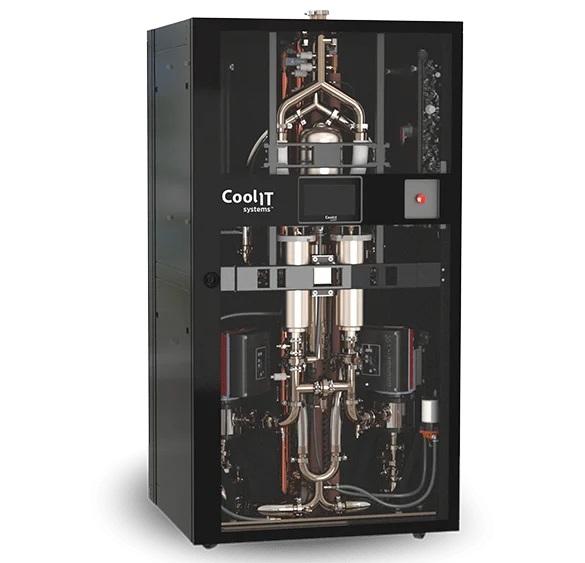
    CDU units are engineered to adapt to varying workloads, making them ideal for dynamic environments such as data centers, AI clusters, and edge computing facilities. A #well_designed_cooling distribution unit acts as the backbone of a #liquid_cooling system. It ensures consistent flow rates, maintains optimal pressure, and safeguards sensitive equipment through integrated sensors and control mechanisms. By stabilizing coolant temperature and distribution, these systems significantly reduce the risk of overheating and hardware failure. Innovative datacenter liquid cooling solutions: https://www.coolitsystems.com/

    By enabling targeted cooling, CDU units minimize wasted energy and reduce reliance on large-scale air conditioning systems. This leads to #lower_power_consumption and a reduced carbon footprint, aligning with modern environmental goals. One of the most compelling advantages of a coolant distribution unit is its ability to #improve_sustainability. Businesses are increasingly adopting liquid cooling technologies not only for performance gains but also to meet stringent energy regulations and sustainability benchmarks. Liquid cooling systems near you: https://maps.app.goo.gl/22chXYAq3H29H2rv6

    Companies like #CoolIT_Systems are contributing to this advancement by developing scalable, highly efficient CDU units that meet next-generation computing demands. Innovation in cooling distribution unit technology continues to push boundaries, with smarter automation, #remote_monitoring, and modular designs becoming standard features. These innovations allow organizations to future-proof their infrastructure while maintaining operational flexibility. Discover efficient coolant distribution units: https://www.coolitsystems.com/products-services/data-center-products/cooling-distribution-units/

    As #digital_transformation accelerates, the importance of reliable and efficient cooling solutions will only grow. The role of CDU units in enabling #high_density computing environments is undeniable, offering a balance of performance, efficiency, and sustainability. Investing in a robust coolant distribution unit is no longer optional—it is a strategic decision that supports long-term growth and technological resilience.
    Exploring the Role of Coolant Distribution Units in Liquid Cooling The rapid growth of high-performance computing and data-intensive applications has made advanced thermal management a necessity rather than a luxury. At the center of this evolution lies the coolant distribution unit, a critical component that enables efficient liquid cooling by regulating, monitoring, and delivering coolant precisely where it is needed. Unlike traditional #air_cooling methods, liquid cooling supported by #CDU units offers superior heat-transfer performance, helping organizations manage rising thermal loads while maintaining energy efficiency. CDU units are engineered to adapt to varying workloads, making them ideal for dynamic environments such as data centers, AI clusters, and edge computing facilities. A #well_designed_cooling distribution unit acts as the backbone of a #liquid_cooling system. It ensures consistent flow rates, maintains optimal pressure, and safeguards sensitive equipment through integrated sensors and control mechanisms. By stabilizing coolant temperature and distribution, these systems significantly reduce the risk of overheating and hardware failure. Innovative datacenter liquid cooling solutions: https://www.coolitsystems.com/ By enabling targeted cooling, CDU units minimize wasted energy and reduce reliance on large-scale air conditioning systems. This leads to #lower_power_consumption and a reduced carbon footprint, aligning with modern environmental goals. One of the most compelling advantages of a coolant distribution unit is its ability to #improve_sustainability. Businesses are increasingly adopting liquid cooling technologies not only for performance gains but also to meet stringent energy regulations and sustainability benchmarks. Liquid cooling systems near you: https://maps.app.goo.gl/22chXYAq3H29H2rv6 Companies like #CoolIT_Systems are contributing to this advancement by developing scalable, highly efficient CDU units that meet next-generation computing demands. Innovation in cooling distribution unit technology continues to push boundaries, with smarter automation, #remote_monitoring, and modular designs becoming standard features. These innovations allow organizations to future-proof their infrastructure while maintaining operational flexibility. Discover efficient coolant distribution units: https://www.coolitsystems.com/products-services/data-center-products/cooling-distribution-units/ As #digital_transformation accelerates, the importance of reliable and efficient cooling solutions will only grow. The role of CDU units in enabling #high_density computing environments is undeniable, offering a balance of performance, efficiency, and sustainability. Investing in a robust coolant distribution unit is no longer optional—it is a strategic decision that supports long-term growth and technological resilience.
    0 Comments 0 Shares
  • Commercial Solar Installation Experts in Brisbane

    Commercial solar installation experts in Brisbane delivering efficient, scalable energy solutions for businesses. We design and install high-performance solar systems that reduce operating costs, improve sustainability, and provide long-term energy savings.
    For more information, visit us: https://www.springers.com.au/commercial/.
    Commercial Solar Installation Experts in Brisbane Commercial solar installation experts in Brisbane delivering efficient, scalable energy solutions for businesses. We design and install high-performance solar systems that reduce operating costs, improve sustainability, and provide long-term energy savings. For more information, visit us: https://www.springers.com.au/commercial/.
    0 Comments 0 Shares
No data to show
No data to show
No data to show
No data to show
No data to show