AI-Powered Customer Segmentation: Transforming How Businesses Understand Their Audiences
AI-powered customer segmentation is changing how businesses identify, understand, and engage different groups of customers. Traditional segmentation often relies on broad demographic information, historical purchases, or manually defined customer categories. While these methods remain useful, artificial intelligence enables companies to analyze significantly larger and more complex datasets to identify meaningful customer patterns and behaviors.
By combining AI, machine learning, customer data, and predictive analytics, businesses can create dynamic customer segments that evolve as customer needs and behaviors change. This allows marketing, sales, and customer experience teams to deliver more relevant interactions and improve overall business performance.
What Is AI-Powered Customer Segmentation?
AI-powered customer segmentation uses artificial intelligence and machine learning algorithms to divide customers into groups based on shared characteristics, behaviors, preferences, and predicted needs.
Instead of relying only on information such as age, location, or industry, AI can analyze multiple data points, including website activity, purchase history, content engagement, email interactions, product usage, customer service conversations, and buying intent.
Machine learning models can then identify patterns that may not be immediately visible through traditional analysis. For example, an AI system could identify a segment of customers that frequently researches premium products, interacts with educational content, and has a high likelihood of making a purchase within the next 30 days.
How AI Improves Customer Segmentation
One of the biggest advantages of AI-powered segmentation is its ability to process large volumes of customer data quickly. Businesses can combine information from CRM platforms, marketing automation systems, websites, mobile applications, social media, and other customer touchpoints.
AI can identify behavioral patterns and automatically group customers according to their similarities. These segments can include highly engaged customers, price-sensitive buyers, inactive customers, high-value accounts, or customers showing strong purchase intent.
AI can also make segmentation dynamic. Traditional segments may remain unchanged for months, while AI-driven models can continuously update customer classifications as new information becomes available.
Benefits for Marketing and Sales Teams
AI-powered customer segmentation can significantly improve personalization. Marketing teams can create campaigns that address the specific interests and needs of different customer groups rather than sending the same message to an entire audience.
For example, businesses can recommend products based on previous behavior, deliver targeted content, adjust email campaigns, and create personalized offers. This can improve engagement, conversion rates, and customer retention.
Sales teams can also use AI-generated segments to prioritize prospects and accounts. By identifying customers with high engagement or strong buying signals, sales representatives can focus their efforts on opportunities that are more likely to convert.
AI-Powered Segmentation in B2B Marketing
For B2B organizations, AI-powered segmentation can be particularly valuable because buying decisions often involve multiple stakeholders and longer sales cycles.
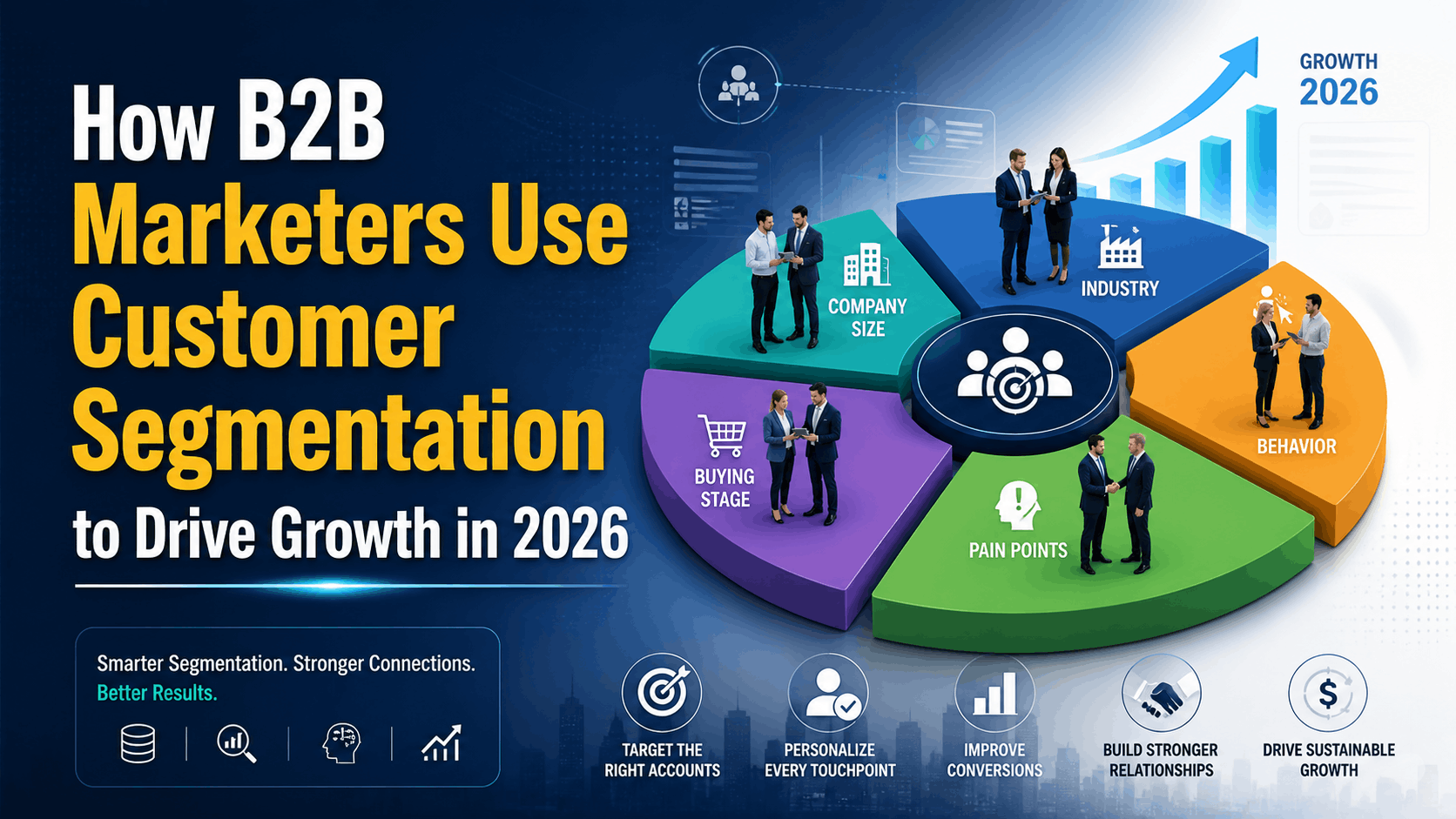
AI can segment accounts based on company size, industry, technology usage, engagement levels, intent signals, and previous interactions. This information can support account-based marketing strategies by helping revenue teams identify high-value accounts and deliver more relevant messaging.
AI can also help identify accounts that resemble existing high-performing customers, creating opportunities for targeted prospecting and expansion.
Challenges and Considerations
Despite its advantages, AI-powered customer segmentation requires high-quality data. Inaccurate, incomplete, or outdated customer information can produce unreliable segments and lead to ineffective targeting.
Businesses must also consider privacy, security, and responsible data usage. Customer data should be collected and processed transparently while complying with applicable privacy regulations.
Organizations should also avoid relying entirely on automated recommendations. Marketing and sales teams should review AI-generated segments and combine machine-generated insights with human expertise.
The Future of AI-Powered Customer Segmentation
As AI technology continues to advance, customer segmentation is expected to become increasingly predictive and real-time. Instead of simply identifying what customers have done in the past, AI systems can help businesses anticipate what customers are likely to do next.
AI-powered segmentation will increasingly support personalized customer journeys, predictive lead scoring, real-time recommendations, and automated campaign optimization. For businesses seeking more effective personalization and data-driven growth, intelligent segmentation can become an important part of modern marketing and revenue strategies.
Conclusion
AI-powered customer segmentation enables businesses to move beyond static customer profiles and develop a deeper understanding of customer behavior. By analyzing diverse data sources, identifying hidden patterns, and continuously updating customer groups, AI can help marketing and sales teams deliver more relevant experiences.
As customer expectations for personalization continue to rise, organizations that effectively combine AI, quality data, and human expertise will be better positioned to engage the right customers with the right message at the right time.
Read More: https://themartech.info/
AI-powered customer segmentation is changing how businesses identify, understand, and engage different groups of customers. Traditional segmentation often relies on broad demographic information, historical purchases, or manually defined customer categories. While these methods remain useful, artificial intelligence enables companies to analyze significantly larger and more complex datasets to identify meaningful customer patterns and behaviors.
By combining AI, machine learning, customer data, and predictive analytics, businesses can create dynamic customer segments that evolve as customer needs and behaviors change. This allows marketing, sales, and customer experience teams to deliver more relevant interactions and improve overall business performance.
What Is AI-Powered Customer Segmentation?
AI-powered customer segmentation uses artificial intelligence and machine learning algorithms to divide customers into groups based on shared characteristics, behaviors, preferences, and predicted needs.
Instead of relying only on information such as age, location, or industry, AI can analyze multiple data points, including website activity, purchase history, content engagement, email interactions, product usage, customer service conversations, and buying intent.
Machine learning models can then identify patterns that may not be immediately visible through traditional analysis. For example, an AI system could identify a segment of customers that frequently researches premium products, interacts with educational content, and has a high likelihood of making a purchase within the next 30 days.
How AI Improves Customer Segmentation
One of the biggest advantages of AI-powered segmentation is its ability to process large volumes of customer data quickly. Businesses can combine information from CRM platforms, marketing automation systems, websites, mobile applications, social media, and other customer touchpoints.
AI can identify behavioral patterns and automatically group customers according to their similarities. These segments can include highly engaged customers, price-sensitive buyers, inactive customers, high-value accounts, or customers showing strong purchase intent.
AI can also make segmentation dynamic. Traditional segments may remain unchanged for months, while AI-driven models can continuously update customer classifications as new information becomes available.
Benefits for Marketing and Sales Teams
AI-powered customer segmentation can significantly improve personalization. Marketing teams can create campaigns that address the specific interests and needs of different customer groups rather than sending the same message to an entire audience.
For example, businesses can recommend products based on previous behavior, deliver targeted content, adjust email campaigns, and create personalized offers. This can improve engagement, conversion rates, and customer retention.
Sales teams can also use AI-generated segments to prioritize prospects and accounts. By identifying customers with high engagement or strong buying signals, sales representatives can focus their efforts on opportunities that are more likely to convert.
AI-Powered Segmentation in B2B Marketing
For B2B organizations, AI-powered segmentation can be particularly valuable because buying decisions often involve multiple stakeholders and longer sales cycles.
AI can segment accounts based on company size, industry, technology usage, engagement levels, intent signals, and previous interactions. This information can support account-based marketing strategies by helping revenue teams identify high-value accounts and deliver more relevant messaging.
AI can also help identify accounts that resemble existing high-performing customers, creating opportunities for targeted prospecting and expansion.
Challenges and Considerations
Despite its advantages, AI-powered customer segmentation requires high-quality data. Inaccurate, incomplete, or outdated customer information can produce unreliable segments and lead to ineffective targeting.
Businesses must also consider privacy, security, and responsible data usage. Customer data should be collected and processed transparently while complying with applicable privacy regulations.
Organizations should also avoid relying entirely on automated recommendations. Marketing and sales teams should review AI-generated segments and combine machine-generated insights with human expertise.
The Future of AI-Powered Customer Segmentation
As AI technology continues to advance, customer segmentation is expected to become increasingly predictive and real-time. Instead of simply identifying what customers have done in the past, AI systems can help businesses anticipate what customers are likely to do next.
AI-powered segmentation will increasingly support personalized customer journeys, predictive lead scoring, real-time recommendations, and automated campaign optimization. For businesses seeking more effective personalization and data-driven growth, intelligent segmentation can become an important part of modern marketing and revenue strategies.
Conclusion
AI-powered customer segmentation enables businesses to move beyond static customer profiles and develop a deeper understanding of customer behavior. By analyzing diverse data sources, identifying hidden patterns, and continuously updating customer groups, AI can help marketing and sales teams deliver more relevant experiences.
As customer expectations for personalization continue to rise, organizations that effectively combine AI, quality data, and human expertise will be better positioned to engage the right customers with the right message at the right time.
Read More: https://themartech.info/
AI-Powered Customer Segmentation: Transforming How Businesses Understand Their Audiences
AI-powered customer segmentation is changing how businesses identify, understand, and engage different groups of customers. Traditional segmentation often relies on broad demographic information, historical purchases, or manually defined customer categories. While these methods remain useful, artificial intelligence enables companies to analyze significantly larger and more complex datasets to identify meaningful customer patterns and behaviors.
By combining AI, machine learning, customer data, and predictive analytics, businesses can create dynamic customer segments that evolve as customer needs and behaviors change. This allows marketing, sales, and customer experience teams to deliver more relevant interactions and improve overall business performance.
What Is AI-Powered Customer Segmentation?
AI-powered customer segmentation uses artificial intelligence and machine learning algorithms to divide customers into groups based on shared characteristics, behaviors, preferences, and predicted needs.
Instead of relying only on information such as age, location, or industry, AI can analyze multiple data points, including website activity, purchase history, content engagement, email interactions, product usage, customer service conversations, and buying intent.
Machine learning models can then identify patterns that may not be immediately visible through traditional analysis. For example, an AI system could identify a segment of customers that frequently researches premium products, interacts with educational content, and has a high likelihood of making a purchase within the next 30 days.
How AI Improves Customer Segmentation
One of the biggest advantages of AI-powered segmentation is its ability to process large volumes of customer data quickly. Businesses can combine information from CRM platforms, marketing automation systems, websites, mobile applications, social media, and other customer touchpoints.
AI can identify behavioral patterns and automatically group customers according to their similarities. These segments can include highly engaged customers, price-sensitive buyers, inactive customers, high-value accounts, or customers showing strong purchase intent.
AI can also make segmentation dynamic. Traditional segments may remain unchanged for months, while AI-driven models can continuously update customer classifications as new information becomes available.
Benefits for Marketing and Sales Teams
AI-powered customer segmentation can significantly improve personalization. Marketing teams can create campaigns that address the specific interests and needs of different customer groups rather than sending the same message to an entire audience.
For example, businesses can recommend products based on previous behavior, deliver targeted content, adjust email campaigns, and create personalized offers. This can improve engagement, conversion rates, and customer retention.
Sales teams can also use AI-generated segments to prioritize prospects and accounts. By identifying customers with high engagement or strong buying signals, sales representatives can focus their efforts on opportunities that are more likely to convert.
AI-Powered Segmentation in B2B Marketing
For B2B organizations, AI-powered segmentation can be particularly valuable because buying decisions often involve multiple stakeholders and longer sales cycles.
AI can segment accounts based on company size, industry, technology usage, engagement levels, intent signals, and previous interactions. This information can support account-based marketing strategies by helping revenue teams identify high-value accounts and deliver more relevant messaging.
AI can also help identify accounts that resemble existing high-performing customers, creating opportunities for targeted prospecting and expansion.
Challenges and Considerations
Despite its advantages, AI-powered customer segmentation requires high-quality data. Inaccurate, incomplete, or outdated customer information can produce unreliable segments and lead to ineffective targeting.
Businesses must also consider privacy, security, and responsible data usage. Customer data should be collected and processed transparently while complying with applicable privacy regulations.
Organizations should also avoid relying entirely on automated recommendations. Marketing and sales teams should review AI-generated segments and combine machine-generated insights with human expertise.
The Future of AI-Powered Customer Segmentation
As AI technology continues to advance, customer segmentation is expected to become increasingly predictive and real-time. Instead of simply identifying what customers have done in the past, AI systems can help businesses anticipate what customers are likely to do next.
AI-powered segmentation will increasingly support personalized customer journeys, predictive lead scoring, real-time recommendations, and automated campaign optimization. For businesses seeking more effective personalization and data-driven growth, intelligent segmentation can become an important part of modern marketing and revenue strategies.
Conclusion
AI-powered customer segmentation enables businesses to move beyond static customer profiles and develop a deeper understanding of customer behavior. By analyzing diverse data sources, identifying hidden patterns, and continuously updating customer groups, AI can help marketing and sales teams deliver more relevant experiences.
As customer expectations for personalization continue to rise, organizations that effectively combine AI, quality data, and human expertise will be better positioned to engage the right customers with the right message at the right time.
Read More: https://themartech.info/
0 Comments
0 Shares