• Discover Advanced Hair Restoration with Sapphire FUE in Zirakpur
    Looking for Sapphire FUE Hair Transplant In Zirakpur? Mahendra Hair and Skin offers personalized consultations for individuals experiencing hair thinning, baldness, and receding hairlines. Sapphire FUE is a hair transplant technique that uses sapphire-tipped blades to create recipient sites for placing hair follicles. The procedure may help achieve natural-looking hair restoration when planned and performed appropriately by qualified professionals. Treatment suitability depends on donor hair availability, scalp condition, and individual goals. At Mahendra Hair and Skin, patients can explore hair restoration options and understand the procedure, recovery, and aftercare requirements. Book a consultation to discuss your hair restoration needs and available treatment options.

    https://mahendrahairandskin.in/sapphire-fue-hair-transplant/
    Discover Advanced Hair Restoration with Sapphire FUE in Zirakpur Looking for Sapphire FUE Hair Transplant In Zirakpur? Mahendra Hair and Skin offers personalized consultations for individuals experiencing hair thinning, baldness, and receding hairlines. Sapphire FUE is a hair transplant technique that uses sapphire-tipped blades to create recipient sites for placing hair follicles. The procedure may help achieve natural-looking hair restoration when planned and performed appropriately by qualified professionals. Treatment suitability depends on donor hair availability, scalp condition, and individual goals. At Mahendra Hair and Skin, patients can explore hair restoration options and understand the procedure, recovery, and aftercare requirements. Book a consultation to discuss your hair restoration needs and available treatment options. https://mahendrahairandskin.in/sapphire-fue-hair-transplant/
    0 Comments 0 Shares
  • AI-Powered Hospital Operations: Transforming Healthcare Efficiency
    Artificial intelligence (AI) is transforming hospital operations by helping healthcare organizations improve efficiency, optimize resources, and deliver better patient experiences. Hospitals manage complex workflows involving patient admissions, staff scheduling, medical equipment, billing, and bed availability. Traditional administrative processes can create delays, increase operational costs, and place additional pressure on healthcare professionals. AI-powered solutions offer new opportunities to streamline these activities and support more efficient hospital management.

    As healthcare demand increases, hospitals are adopting intelligent technologies to make faster, data-driven decisions while maintaining high standards of patient care.

    How AI Is Transforming Hospital Operations
    AI-powered hospital operations use machine learning, predictive analytics, natural language processing, and automation to improve administrative and operational workflows. These technologies analyze large volumes of data, identify patterns, and help hospital administrators anticipate challenges before they disrupt services.

    Unlike conventional software that follows predefined rules, AI systems can identify changing trends and support decisions based on historical and real-time information. When integrated with hospital information systems and electronic health records, these capabilities can help organizations coordinate resources more effectively.

    Key Applications of AI in Hospital Management
    1. Intelligent Patient Flow Management
    Managing patient flow is a major challenge for hospitals, particularly emergency departments and high-demand medical facilities. Delays in admissions, discharges, and transfers can create overcrowding and reduce access to care.

    AI-powered predictive analytics can estimate patient demand, identify potential bottlenecks, and help administrators allocate beds more efficiently. By analyzing historical admissions, appointment schedules, and discharge patterns, these systems can support better planning.

    Improved patient flow can reduce waiting times, increase bed availability, and help healthcare teams coordinate services more effectively.

    2. Predictive Staffing and Workforce Optimization
    Hospitals must maintain appropriate staffing levels across departments while managing employee availability, shift requirements, and changing patient volumes. Understaffing can increase workload pressure, while excessive staffing can raise operational expenses.

    AI tools can forecast demand by analyzing admission trends, seasonal patterns, and historical workload data. Administrators can use these insights to develop more effective staff schedules and allocate personnel according to expected needs.

    However, workforce planning should incorporate professional judgment, employee preferences, labor regulations, and patient safety requirements rather than relying exclusively on automated recommendations.

    3. Automated Administrative Processes
    Administrative tasks such as appointment scheduling, insurance verification, billing, and document processing consume significant staff time. AI-powered automation can assist with repetitive activities, reducing manual effort and improving workflow consistency.

    Natural language processing can help extract information from clinical documentation, while intelligent systems can identify incomplete forms and route requests to appropriate departments.

    Automation allows administrative teams to focus more on complex cases and patient-facing responsibilities. Human review remains important for sensitive decisions, billing disputes, and situations involving ambiguous information.

    4. Predictive Maintenance of Medical Equipment
    Unexpected equipment failures can disrupt hospital services and create additional costs. AI-powered predictive maintenance systems analyze equipment performance, sensor readings, and maintenance records to identify potential problems.

    By detecting warning signs before a breakdown occurs, hospitals can schedule maintenance more effectively and reduce avoidable downtime. This approach can be particularly valuable for critical infrastructure and frequently used medical equipment.

    5. Smarter Inventory and Supply Chain Management
    Hospitals require reliable supplies of medicines, protective equipment, surgical instruments, and other essential materials. Poor inventory management can lead to shortages, expired products, and unnecessary purchasing costs.

    AI forecasting tools can estimate future demand using historical consumption, seasonal trends, and procurement data. These insights help supply chain teams maintain appropriate inventory levels and prioritize essential resources.

    Benefits and Implementation Challenges
    AI-powered hospital operations can improve productivity, reduce administrative workloads, strengthen resource utilization, and support more predictable operating costs. Better coordination may also improve the patient experience by reducing avoidable delays.

    Nevertheless, successful implementation requires reliable data, secure system integration, staff training, and strong governance. Hospitals must protect sensitive patient information, assess algorithmic bias, and monitor system performance. AI recommendations should support qualified professionals rather than replace clinical judgment or accountability.

    Organizations should begin with clearly defined operational problems, establish measurable performance indicators, and evaluate results through controlled pilot projects before expanding deployment.

    Conclusion
    AI-powered hospital operations are creating new opportunities to modernize healthcare administration and resource management. From patient flow optimization and workforce planning to predictive maintenance and inventory forecasting, intelligent systems can help hospitals operate more efficiently.

    The greatest value comes from combining AI capabilities with human expertise, reliable data, and responsible governance. Hospitals that adopt this balanced approach can strengthen operational resilience, control costs, and build a more responsive healthcare environment for patients and professionals.

    Read More: https://thehealthco.info/
    AI-Powered Hospital Operations: Transforming Healthcare Efficiency Artificial intelligence (AI) is transforming hospital operations by helping healthcare organizations improve efficiency, optimize resources, and deliver better patient experiences. Hospitals manage complex workflows involving patient admissions, staff scheduling, medical equipment, billing, and bed availability. Traditional administrative processes can create delays, increase operational costs, and place additional pressure on healthcare professionals. AI-powered solutions offer new opportunities to streamline these activities and support more efficient hospital management. As healthcare demand increases, hospitals are adopting intelligent technologies to make faster, data-driven decisions while maintaining high standards of patient care. How AI Is Transforming Hospital Operations AI-powered hospital operations use machine learning, predictive analytics, natural language processing, and automation to improve administrative and operational workflows. These technologies analyze large volumes of data, identify patterns, and help hospital administrators anticipate challenges before they disrupt services. Unlike conventional software that follows predefined rules, AI systems can identify changing trends and support decisions based on historical and real-time information. When integrated with hospital information systems and electronic health records, these capabilities can help organizations coordinate resources more effectively. Key Applications of AI in Hospital Management 1. Intelligent Patient Flow Management Managing patient flow is a major challenge for hospitals, particularly emergency departments and high-demand medical facilities. Delays in admissions, discharges, and transfers can create overcrowding and reduce access to care. AI-powered predictive analytics can estimate patient demand, identify potential bottlenecks, and help administrators allocate beds more efficiently. By analyzing historical admissions, appointment schedules, and discharge patterns, these systems can support better planning. Improved patient flow can reduce waiting times, increase bed availability, and help healthcare teams coordinate services more effectively. 2. Predictive Staffing and Workforce Optimization Hospitals must maintain appropriate staffing levels across departments while managing employee availability, shift requirements, and changing patient volumes. Understaffing can increase workload pressure, while excessive staffing can raise operational expenses. AI tools can forecast demand by analyzing admission trends, seasonal patterns, and historical workload data. Administrators can use these insights to develop more effective staff schedules and allocate personnel according to expected needs. However, workforce planning should incorporate professional judgment, employee preferences, labor regulations, and patient safety requirements rather than relying exclusively on automated recommendations. 3. Automated Administrative Processes Administrative tasks such as appointment scheduling, insurance verification, billing, and document processing consume significant staff time. AI-powered automation can assist with repetitive activities, reducing manual effort and improving workflow consistency. Natural language processing can help extract information from clinical documentation, while intelligent systems can identify incomplete forms and route requests to appropriate departments. Automation allows administrative teams to focus more on complex cases and patient-facing responsibilities. Human review remains important for sensitive decisions, billing disputes, and situations involving ambiguous information. 4. Predictive Maintenance of Medical Equipment Unexpected equipment failures can disrupt hospital services and create additional costs. AI-powered predictive maintenance systems analyze equipment performance, sensor readings, and maintenance records to identify potential problems. By detecting warning signs before a breakdown occurs, hospitals can schedule maintenance more effectively and reduce avoidable downtime. This approach can be particularly valuable for critical infrastructure and frequently used medical equipment. 5. Smarter Inventory and Supply Chain Management Hospitals require reliable supplies of medicines, protective equipment, surgical instruments, and other essential materials. Poor inventory management can lead to shortages, expired products, and unnecessary purchasing costs. AI forecasting tools can estimate future demand using historical consumption, seasonal trends, and procurement data. These insights help supply chain teams maintain appropriate inventory levels and prioritize essential resources. Benefits and Implementation Challenges AI-powered hospital operations can improve productivity, reduce administrative workloads, strengthen resource utilization, and support more predictable operating costs. Better coordination may also improve the patient experience by reducing avoidable delays. Nevertheless, successful implementation requires reliable data, secure system integration, staff training, and strong governance. Hospitals must protect sensitive patient information, assess algorithmic bias, and monitor system performance. AI recommendations should support qualified professionals rather than replace clinical judgment or accountability. Organizations should begin with clearly defined operational problems, establish measurable performance indicators, and evaluate results through controlled pilot projects before expanding deployment. Conclusion AI-powered hospital operations are creating new opportunities to modernize healthcare administration and resource management. From patient flow optimization and workforce planning to predictive maintenance and inventory forecasting, intelligent systems can help hospitals operate more efficiently. The greatest value comes from combining AI capabilities with human expertise, reliable data, and responsible governance. Hospitals that adopt this balanced approach can strengthen operational resilience, control costs, and build a more responsive healthcare environment for patients and professionals. Read More: https://thehealthco.info/
    0 Comments 0 Shares
  • AI-Powered Chronic Disease Management
    Chronic diseases such as diabetes, cardiovascular conditions, cancer, chronic respiratory diseases, and hypertension require continuous monitoring and long-term care. Traditional approaches often depend on periodic clinical visits, patient-reported symptoms, and manual tracking of health information. AI-powered chronic disease management is changing this model by enabling continuous monitoring, personalized interventions, predictive insights, and more proactive healthcare delivery.

    How AI Is Transforming Chronic Disease Management
    Artificial intelligence can analyze large volumes of clinical, behavioral, and patient-generated data to identify patterns that may be difficult to detect manually. Electronic health records, medical imaging, wearable devices, medication information, laboratory results, and patient-reported data can be analyzed to support more informed care decisions.

    For example, AI systems can evaluate glucose readings, physical activity, diet, and medication patterns to identify trends in diabetes management. Similarly, AI-supported monitoring can analyze cardiovascular data and potentially identify changes that warrant clinical attention.

    Personalized Treatment and Care Plans
    One of the major applications of AI is personalization. Patients with the same chronic condition can respond differently to medications, lifestyle changes, and treatment plans.

    AI models can analyze individual patient characteristics and historical health data to help healthcare professionals develop more personalized care strategies. These systems can support recommendations around monitoring frequency, medication management, lifestyle interventions, and follow-up care.

    Importantly, AI is designed to support healthcare professionals rather than replace clinical judgment. Physicians and other qualified professionals remain responsible for interpreting information and making treatment decisions.

    Predictive Monitoring and Early Intervention
    AI can also move chronic disease management from reactive to proactive care. Predictive models can identify patterns associated with potential deterioration by analyzing historical and real-time health information.

    Wearable devices and remote monitoring technologies can continuously collect information such as heart rate, blood pressure, blood oxygen levels, sleep patterns, and physical activity. AI can process these signals and highlight unusual changes for further evaluation.

    Earlier identification of concerning trends can give healthcare teams an opportunity to intervene before a patient's condition becomes more serious. This approach may also help reduce avoidable hospital visits and improve continuity of care.

    Supporting Medication Adherence
    Medication adherence is another important challenge in chronic disease management. Patients may forget doses, misunderstand instructions, or discontinue medications because of side effects or other barriers.

    AI-enabled healthcare platforms can provide personalized reminders and monitor medication-related patterns. Virtual assistants and conversational systems can also help patients understand general medication instructions and encourage them to follow their prescribed care plans. Any concerns about dosage, side effects, or changes to medication should still be addressed with a healthcare professional.

    Improving Patient Engagement
    AI-powered digital health platforms can make patients more active participants in their healthcare. Personalized notifications, health dashboards, educational content, and automated check-ins can help patients understand changes in their health and stay connected with care teams.

    For healthcare providers, AI can reduce some administrative and analytical workloads by organizing patient information and identifying cases that may require attention.

    Challenges and Considerations
    Despite its potential, AI-powered chronic disease management faces several challenges. Patient privacy, cybersecurity, data quality, algorithmic bias, interoperability, and regulatory requirements must be carefully addressed.

    AI systems can also produce inaccurate or incomplete outputs, particularly when the underlying data is limited or inconsistent. Healthcare organizations therefore need appropriate validation, human oversight, transparent processes, and strong data governance before deploying AI in clinical environments.

    Conclusion
    AI-powered chronic disease management is creating opportunities for more personalized, continuous, and proactive healthcare. By combining patient data with predictive analytics and digital monitoring, AI can help healthcare teams identify trends, support individualized care, improve patient engagement, and potentially enable earlier interventions.

    As AI technologies mature, their value will depend not only on technical capabilities but also on responsible implementation, reliable data, clinical oversight, and patient trust. The future of chronic disease management is likely to involve closer collaboration between healthcare professionals, patients, connected health technologies, and intelligent AI systems.

    Read More: https://thehealthco.info/

    AI-Powered Chronic Disease Management Chronic diseases such as diabetes, cardiovascular conditions, cancer, chronic respiratory diseases, and hypertension require continuous monitoring and long-term care. Traditional approaches often depend on periodic clinical visits, patient-reported symptoms, and manual tracking of health information. AI-powered chronic disease management is changing this model by enabling continuous monitoring, personalized interventions, predictive insights, and more proactive healthcare delivery. How AI Is Transforming Chronic Disease Management Artificial intelligence can analyze large volumes of clinical, behavioral, and patient-generated data to identify patterns that may be difficult to detect manually. Electronic health records, medical imaging, wearable devices, medication information, laboratory results, and patient-reported data can be analyzed to support more informed care decisions. For example, AI systems can evaluate glucose readings, physical activity, diet, and medication patterns to identify trends in diabetes management. Similarly, AI-supported monitoring can analyze cardiovascular data and potentially identify changes that warrant clinical attention. Personalized Treatment and Care Plans One of the major applications of AI is personalization. Patients with the same chronic condition can respond differently to medications, lifestyle changes, and treatment plans. AI models can analyze individual patient characteristics and historical health data to help healthcare professionals develop more personalized care strategies. These systems can support recommendations around monitoring frequency, medication management, lifestyle interventions, and follow-up care. Importantly, AI is designed to support healthcare professionals rather than replace clinical judgment. Physicians and other qualified professionals remain responsible for interpreting information and making treatment decisions. Predictive Monitoring and Early Intervention AI can also move chronic disease management from reactive to proactive care. Predictive models can identify patterns associated with potential deterioration by analyzing historical and real-time health information. Wearable devices and remote monitoring technologies can continuously collect information such as heart rate, blood pressure, blood oxygen levels, sleep patterns, and physical activity. AI can process these signals and highlight unusual changes for further evaluation. Earlier identification of concerning trends can give healthcare teams an opportunity to intervene before a patient's condition becomes more serious. This approach may also help reduce avoidable hospital visits and improve continuity of care. Supporting Medication Adherence Medication adherence is another important challenge in chronic disease management. Patients may forget doses, misunderstand instructions, or discontinue medications because of side effects or other barriers. AI-enabled healthcare platforms can provide personalized reminders and monitor medication-related patterns. Virtual assistants and conversational systems can also help patients understand general medication instructions and encourage them to follow their prescribed care plans. Any concerns about dosage, side effects, or changes to medication should still be addressed with a healthcare professional. Improving Patient Engagement AI-powered digital health platforms can make patients more active participants in their healthcare. Personalized notifications, health dashboards, educational content, and automated check-ins can help patients understand changes in their health and stay connected with care teams. For healthcare providers, AI can reduce some administrative and analytical workloads by organizing patient information and identifying cases that may require attention. Challenges and Considerations Despite its potential, AI-powered chronic disease management faces several challenges. Patient privacy, cybersecurity, data quality, algorithmic bias, interoperability, and regulatory requirements must be carefully addressed. AI systems can also produce inaccurate or incomplete outputs, particularly when the underlying data is limited or inconsistent. Healthcare organizations therefore need appropriate validation, human oversight, transparent processes, and strong data governance before deploying AI in clinical environments. Conclusion AI-powered chronic disease management is creating opportunities for more personalized, continuous, and proactive healthcare. By combining patient data with predictive analytics and digital monitoring, AI can help healthcare teams identify trends, support individualized care, improve patient engagement, and potentially enable earlier interventions. As AI technologies mature, their value will depend not only on technical capabilities but also on responsible implementation, reliable data, clinical oversight, and patient trust. The future of chronic disease management is likely to involve closer collaboration between healthcare professionals, patients, connected health technologies, and intelligent AI systems. Read More: https://thehealthco.info/
    Home
    0 Comments 0 Shares
  • Asphalt Roofing in Austin: Key Benefits for Residential Properties

    Choosing the right roofing material can influence a home's appearance, protection, and long-term value. For many residential properties, asphalt roofing in Austin, TX, offers a practical mix of #durability_flexibility, design flexibility, and cost. Its familiar appearance and wide range of shingle styles make it suitable for many different home designs.

    One key benefit is the variety of options available. Homeowners can select from different colors, textures, and shingle profiles to complement their property's exterior. Professional asphalt roof installation in Austin can also help ensure that the #roofing_system is properly planned and suited to the home's structure and local weather conditions. Discover practical asphalt roofing solutions for your Austin home: https://corpfinblog.com/why-asphalt-roofing-is-a-practical-option-for-austin-homeowners/

    Durability is another factor worth considering. A properly selected and professionally installed asphalt roofing system can provide dependable protection against everyday weather while supporting the home's overall performance. When evaluating asphalt roofing in Austin, TX, homeowners should consider material quality, #installation_standards, ventilation, and their property's specific needs rather than focusing on price alone.

    For homeowners planning a major exterior upgrade, Genuine Texas Exteriors can help them explore roofing options based on their property's design, needs, and long-term goals. If an existing roof has reached the end of its expected service life, #roof_replacement may provide an opportunity to update the property's appearance while installing a new roofing system designed for residential use. Explore professional asphalt roofing services in Austin, TX: https://genuinetexasexteriors.com/asphalt-roofing-austin-tx/

    Ultimately, selecting asphalt roofing involves more than choosing a familiar material. Homeowners can compare available styles, understand installation requirements, consider expected service life, and #qualified_professionals before deciding. Taking a thoughtful approach can help create a roofing system that complements the home and supports lasting exterior performance.

    Considering a roofing upgrade? Check service location Google Maps for the local service location ( https://maps.app.goo.gl/Kwj2NNH8PNxexfuLA and get clear directions to plan your visit.
    Asphalt Roofing in Austin: Key Benefits for Residential Properties Choosing the right roofing material can influence a home's appearance, protection, and long-term value. For many residential properties, asphalt roofing in Austin, TX, offers a practical mix of #durability_flexibility, design flexibility, and cost. Its familiar appearance and wide range of shingle styles make it suitable for many different home designs. One key benefit is the variety of options available. Homeowners can select from different colors, textures, and shingle profiles to complement their property's exterior. Professional asphalt roof installation in Austin can also help ensure that the #roofing_system is properly planned and suited to the home's structure and local weather conditions. Discover practical asphalt roofing solutions for your Austin home: https://corpfinblog.com/why-asphalt-roofing-is-a-practical-option-for-austin-homeowners/ Durability is another factor worth considering. A properly selected and professionally installed asphalt roofing system can provide dependable protection against everyday weather while supporting the home's overall performance. When evaluating asphalt roofing in Austin, TX, homeowners should consider material quality, #installation_standards, ventilation, and their property's specific needs rather than focusing on price alone. For homeowners planning a major exterior upgrade, Genuine Texas Exteriors can help them explore roofing options based on their property's design, needs, and long-term goals. If an existing roof has reached the end of its expected service life, #roof_replacement may provide an opportunity to update the property's appearance while installing a new roofing system designed for residential use. Explore professional asphalt roofing services in Austin, TX: https://genuinetexasexteriors.com/asphalt-roofing-austin-tx/ Ultimately, selecting asphalt roofing involves more than choosing a familiar material. Homeowners can compare available styles, understand installation requirements, consider expected service life, and #qualified_professionals before deciding. Taking a thoughtful approach can help create a roofing system that complements the home and supports lasting exterior performance. Considering a roofing upgrade? Check service location Google Maps for the local service location ( https://maps.app.goo.gl/Kwj2NNH8PNxexfuLA and get clear directions to plan your visit.
    0 Comments 0 Shares
  • Agentic AI in Healthcare: Can AI Agents Manage Clinical Workflows?
    Healthcare organizations are increasingly exploring artificial intelligence to improve patient care, reduce administrative workloads, and make clinical operations more efficient. The next major development is agentic AI—AI systems capable of reasoning, planning, making decisions, and taking actions with limited human intervention. This raises an important question: Can AI agents actually manage clinical workflows?

    Unlike traditional AI tools that respond to individual prompts or analyze specific datasets, agentic AI can work toward defined goals by coordinating multiple tasks. In healthcare, this could allow AI agents to support physicians, nurses, administrators, and patients across complex clinical processes.

    What Is Agentic AI in Healthcare?
    Agentic AI refers to autonomous or semi-autonomous AI systems that can understand objectives, determine the steps required to achieve them, use connected tools, and adapt based on new information.

    For example, an AI agent supporting a clinical workflow could review a patient's medical record, identify relevant information, prepare a summary for a physician, schedule a follow-up appointment, send appropriate reminders, and monitor whether required actions have been completed.

    Rather than simply providing information, the agent can help coordinate the workflow from beginning to end.

    How AI Agents Could Manage Clinical Workflows
    Clinical environments involve numerous repetitive and interconnected activities. Agentic AI could potentially assist with several of these processes.

    1. Patient Intake and Triage
    AI agents could collect patient information before an appointment, analyze symptoms and medical history, and organize relevant information for clinical staff. In certain controlled scenarios, agents could help prioritize cases based on predefined clinical protocols.

    2. Clinical Documentation
    Documentation is one of the most time-consuming responsibilities for healthcare professionals. AI agents can assist by converting conversations into structured clinical notes, identifying important information, and preparing documentation for physician review.

    3. Care Coordination
    Patients often interact with multiple healthcare providers, departments, laboratories, and pharmacies. An AI agent could coordinate appointments, follow-ups, referrals, and notifications while keeping relevant stakeholders informed.

    4. Patient Follow-Up
    After treatment or discharge, AI agents could monitor scheduled follow-ups, communicate reminders, collect patient-reported information, and flag situations that may require human attention.

    5. Administrative Workflows
    Beyond direct clinical activities, agentic AI could automate insurance verification, appointment scheduling, referral management, prior-authorization workflows, and other administrative processes.

    Benefits for Healthcare Organizations
    The adoption of agentic AI could deliver several potential benefits. Automating repetitive workflows may allow clinicians to spend more time on patient-facing activities. AI agents could also help reduce administrative burdens, improve workflow consistency, and accelerate access to relevant information.

    Another advantage is 24/7 workflow support. Unlike human teams that operate within scheduled hours, AI systems can continuously monitor tasks and identify incomplete or delayed processes.

    However, the value of agentic AI will depend heavily on how effectively it integrates with existing electronic health records (EHRs), clinical applications, and organizational systems.

    Challenges and Risks
    Healthcare is a high-stakes environment, making autonomous AI significantly more complex than agentic systems used in lower-risk industries.

    Patient safety, data privacy, cybersecurity, regulatory compliance, and AI reliability are major concerns. An AI agent making an incorrect decision could potentially have serious consequences.

    For this reason, healthcare organizations are likely to favor human-in-the-loop models, where AI agents can execute routine tasks but escalate important clinical decisions to qualified professionals.

    Strong governance will also be necessary. Organizations must establish clear permissions, audit trails, access controls, validation processes, and accountability mechanisms.

    The Future of Agentic AI in Healthcare
    Agentic AI is unlikely to completely replace clinicians. Instead, its greatest potential may come from acting as a digital workflow partner that manages routine coordination while healthcare professionals retain control over critical decisions.

    As AI agents become more capable and healthcare technology becomes increasingly interconnected, organizations could move from isolated AI applications toward intelligent systems capable of coordinating entire workflows.

    The key question is therefore not whether AI agents can manage clinical workflows, but how much autonomy healthcare organizations should safely give them. With appropriate governance, human oversight, and secure integration, agentic AI could become an important component of the next generation of healthcare operations.

    Read More: https://thehealthco.info/
    Agentic AI in Healthcare: Can AI Agents Manage Clinical Workflows? Healthcare organizations are increasingly exploring artificial intelligence to improve patient care, reduce administrative workloads, and make clinical operations more efficient. The next major development is agentic AI—AI systems capable of reasoning, planning, making decisions, and taking actions with limited human intervention. This raises an important question: Can AI agents actually manage clinical workflows? Unlike traditional AI tools that respond to individual prompts or analyze specific datasets, agentic AI can work toward defined goals by coordinating multiple tasks. In healthcare, this could allow AI agents to support physicians, nurses, administrators, and patients across complex clinical processes. What Is Agentic AI in Healthcare? Agentic AI refers to autonomous or semi-autonomous AI systems that can understand objectives, determine the steps required to achieve them, use connected tools, and adapt based on new information. For example, an AI agent supporting a clinical workflow could review a patient's medical record, identify relevant information, prepare a summary for a physician, schedule a follow-up appointment, send appropriate reminders, and monitor whether required actions have been completed. Rather than simply providing information, the agent can help coordinate the workflow from beginning to end. How AI Agents Could Manage Clinical Workflows Clinical environments involve numerous repetitive and interconnected activities. Agentic AI could potentially assist with several of these processes. 1. Patient Intake and Triage AI agents could collect patient information before an appointment, analyze symptoms and medical history, and organize relevant information for clinical staff. In certain controlled scenarios, agents could help prioritize cases based on predefined clinical protocols. 2. Clinical Documentation Documentation is one of the most time-consuming responsibilities for healthcare professionals. AI agents can assist by converting conversations into structured clinical notes, identifying important information, and preparing documentation for physician review. 3. Care Coordination Patients often interact with multiple healthcare providers, departments, laboratories, and pharmacies. An AI agent could coordinate appointments, follow-ups, referrals, and notifications while keeping relevant stakeholders informed. 4. Patient Follow-Up After treatment or discharge, AI agents could monitor scheduled follow-ups, communicate reminders, collect patient-reported information, and flag situations that may require human attention. 5. Administrative Workflows Beyond direct clinical activities, agentic AI could automate insurance verification, appointment scheduling, referral management, prior-authorization workflows, and other administrative processes. Benefits for Healthcare Organizations The adoption of agentic AI could deliver several potential benefits. Automating repetitive workflows may allow clinicians to spend more time on patient-facing activities. AI agents could also help reduce administrative burdens, improve workflow consistency, and accelerate access to relevant information. Another advantage is 24/7 workflow support. Unlike human teams that operate within scheduled hours, AI systems can continuously monitor tasks and identify incomplete or delayed processes. However, the value of agentic AI will depend heavily on how effectively it integrates with existing electronic health records (EHRs), clinical applications, and organizational systems. Challenges and Risks Healthcare is a high-stakes environment, making autonomous AI significantly more complex than agentic systems used in lower-risk industries. Patient safety, data privacy, cybersecurity, regulatory compliance, and AI reliability are major concerns. An AI agent making an incorrect decision could potentially have serious consequences. For this reason, healthcare organizations are likely to favor human-in-the-loop models, where AI agents can execute routine tasks but escalate important clinical decisions to qualified professionals. Strong governance will also be necessary. Organizations must establish clear permissions, audit trails, access controls, validation processes, and accountability mechanisms. The Future of Agentic AI in Healthcare Agentic AI is unlikely to completely replace clinicians. Instead, its greatest potential may come from acting as a digital workflow partner that manages routine coordination while healthcare professionals retain control over critical decisions. As AI agents become more capable and healthcare technology becomes increasingly interconnected, organizations could move from isolated AI applications toward intelligent systems capable of coordinating entire workflows. The key question is therefore not whether AI agents can manage clinical workflows, but how much autonomy healthcare organizations should safely give them. With appropriate governance, human oversight, and secure integration, agentic AI could become an important component of the next generation of healthcare operations. Read More: https://thehealthco.info/
    Home
    0 Comments 0 Shares
  • Reactive Gas Cylinder Disposal: Professional Solutions for Hazardous Cylinders

    Professional reactive gas cylinder disposal begins with understanding the potential hazards associated with each cylinder. The contents, pressure, condition, location, and surrounding environment all need to be considered before an appropriate management strategy is developed. When cylinder contents are unknown, the safest approach is to assume that serious hazards may be present until qualified professionals can properly assess the situation. For more information: https://magicly.bio/iescylinders/Reactive-Gas-Cylinder-Disposal:-Professional-Solutions-for-Hazardous-Cylinders
    Reactive Gas Cylinder Disposal: Professional Solutions for Hazardous Cylinders Professional reactive gas cylinder disposal begins with understanding the potential hazards associated with each cylinder. The contents, pressure, condition, location, and surrounding environment all need to be considered before an appropriate management strategy is developed. When cylinder contents are unknown, the safest approach is to assume that serious hazards may be present until qualified professionals can properly assess the situation. For more information: https://magicly.bio/iescylinders/Reactive-Gas-Cylinder-Disposal:-Professional-Solutions-for-Hazardous-Cylinders
    0 Comments 0 Shares
  • Bacteriostatic Water for Research Labs | Revive peptides

    What Is Bacteriostatic Water?

    Bacteriostatic Water is a common research supply used in laboratories to mix or dissolve research materials before laboratory testing. It is made with sterile water and contains a small amount of benzyl alcohol, which helps reduce the growth of bacteria after the vial has been opened. This makes it a practical choice for research settings where a vial may be used more than once under proper laboratory conditions. https://revivepeptides.eu/products/bacteriostatic-water

    At revivepeptides, quality and product care are a top priority. Every product is supplied for research work only and is intended for use by trained professionals working in licensed research facilities. Proper storage, handling, and laboratory procedures are important to keep research materials in good condition throughout a study.

    Researchers choose Bacteriostatic Water because it is widely used for mixing many research compounds while helping keep laboratory work organized and consistent.

    Why Researchers Choose Bacteriostatic Water

    Many laboratory studies require a sterile liquid for mixing research compounds. Bacteriostatic Water is a trusted choice because it contains 0.9% benzyl alcohol, which helps slow bacterial growth after the vial has been opened.

    Some common reasons laboratories use this product include:

    Sterile water prepared for research use
    Contains 0.9% benzyl alcohol
    Suitable for mixing many research compounds
    Can support multiple withdrawals when handled correctly
    Easy to store under recommended laboratory conditions
    Produced with strict quality standards

    Research teams value products that help maintain clean laboratory practices while following proper handling methods.

    How Bacteriostatic Water Is Used in Research

    In many research projects, powdered laboratory compounds need to be mixed before testing begins. Bacteriostatic Water is commonly selected for this purpose because it provides a sterile liquid suitable for laboratory preparation.

    Researchers usually follow these steps:

    Check the vial before opening.
    Clean the stopper with alcohol.
    Draw the required amount using sterile laboratory equipment.
    Mix carefully with the research material.
    Store the prepared vial following laboratory guidelines.

    Every laboratory should follow its own approved research procedures during preparation and testing. https://revivepeptides.eu/

    Product Quality from revivepeptides

    Quality matters in every laboratory. At revivepeptides, products are selected with research standards in mind. Every vial is prepared for laboratory use and packed with care to help maintain product quality during storage and shipping.

    Researchers look for products that offer:

    Reliable laboratory quality
    Clean packaging
    Consistent production standards
    Secure storage before use
    Trusted research supplies

    Using dependable laboratory products helps research teams focus on accurate study work.

    Proper Storage and Handling

    Correct storage is important for laboratory products. Following basic storage steps helps maintain product quality throughout research.

    Recommended handling tips include:

    Store in a cool, dry place.
    Keep away from direct sunlight.
    Use clean laboratory equipment.
    Close the vial after each use.
    Keep out of reach of unauthorized persons.
    Follow laboratory safety rules at all times.

    Research staff should always inspect products before use and avoid using damaged containers.

    Important Research Notice

    Bacteriostatic Water supplied by revivepeptides is intended only for laboratory research.

    Important Notice:

    This product is strictly for research purposes only.
    Not for human consumption.
    Not for medical, therapeutic, or veterinary use.
    To be handled only by qualified individuals within licensed research facilities.

    Always follow your laboratory's approved handling and disposal procedures.

    Why Buy from revivepeptides?

    Researchers choose revivepeptides because the company focuses on dependable research supplies, careful packaging, and customer support. Every product is supplied with research use in mind and is prepared for licensed laboratory environments.

    When selecting laboratory products, researchers value:

    Research-focused products
    Careful packaging
    Consistent product quality
    Easy ordering process
    Reliable customer support

    Choosing the right research supplier helps laboratories keep projects running smoothly.

    Final Thoughts

    Bacteriostatic Water is an important laboratory supply used for mixing research compounds in controlled research settings. Choosing quality laboratory products from revivepeptides helps research teams prepare materials with confidence while following proper laboratory procedures. Always remember that this product is supplied for research use only and must be handled by qualified professionals working in licensed research facilities. https://revivepeptides.eu/pages/contact
    Bacteriostatic Water for Research Labs | Revive peptides What Is Bacteriostatic Water? Bacteriostatic Water is a common research supply used in laboratories to mix or dissolve research materials before laboratory testing. It is made with sterile water and contains a small amount of benzyl alcohol, which helps reduce the growth of bacteria after the vial has been opened. This makes it a practical choice for research settings where a vial may be used more than once under proper laboratory conditions. https://revivepeptides.eu/products/bacteriostatic-water At revivepeptides, quality and product care are a top priority. Every product is supplied for research work only and is intended for use by trained professionals working in licensed research facilities. Proper storage, handling, and laboratory procedures are important to keep research materials in good condition throughout a study. Researchers choose Bacteriostatic Water because it is widely used for mixing many research compounds while helping keep laboratory work organized and consistent. Why Researchers Choose Bacteriostatic Water Many laboratory studies require a sterile liquid for mixing research compounds. Bacteriostatic Water is a trusted choice because it contains 0.9% benzyl alcohol, which helps slow bacterial growth after the vial has been opened. Some common reasons laboratories use this product include: Sterile water prepared for research use Contains 0.9% benzyl alcohol Suitable for mixing many research compounds Can support multiple withdrawals when handled correctly Easy to store under recommended laboratory conditions Produced with strict quality standards Research teams value products that help maintain clean laboratory practices while following proper handling methods. How Bacteriostatic Water Is Used in Research In many research projects, powdered laboratory compounds need to be mixed before testing begins. Bacteriostatic Water is commonly selected for this purpose because it provides a sterile liquid suitable for laboratory preparation. Researchers usually follow these steps: Check the vial before opening. Clean the stopper with alcohol. Draw the required amount using sterile laboratory equipment. Mix carefully with the research material. Store the prepared vial following laboratory guidelines. Every laboratory should follow its own approved research procedures during preparation and testing. https://revivepeptides.eu/ Product Quality from revivepeptides Quality matters in every laboratory. At revivepeptides, products are selected with research standards in mind. Every vial is prepared for laboratory use and packed with care to help maintain product quality during storage and shipping. Researchers look for products that offer: Reliable laboratory quality Clean packaging Consistent production standards Secure storage before use Trusted research supplies Using dependable laboratory products helps research teams focus on accurate study work. Proper Storage and Handling Correct storage is important for laboratory products. Following basic storage steps helps maintain product quality throughout research. Recommended handling tips include: Store in a cool, dry place. Keep away from direct sunlight. Use clean laboratory equipment. Close the vial after each use. Keep out of reach of unauthorized persons. Follow laboratory safety rules at all times. Research staff should always inspect products before use and avoid using damaged containers. Important Research Notice Bacteriostatic Water supplied by revivepeptides is intended only for laboratory research. Important Notice: This product is strictly for research purposes only. Not for human consumption. Not for medical, therapeutic, or veterinary use. To be handled only by qualified individuals within licensed research facilities. Always follow your laboratory's approved handling and disposal procedures. Why Buy from revivepeptides? Researchers choose revivepeptides because the company focuses on dependable research supplies, careful packaging, and customer support. Every product is supplied with research use in mind and is prepared for licensed laboratory environments. When selecting laboratory products, researchers value: Research-focused products Careful packaging Consistent product quality Easy ordering process Reliable customer support Choosing the right research supplier helps laboratories keep projects running smoothly. Final Thoughts Bacteriostatic Water is an important laboratory supply used for mixing research compounds in controlled research settings. Choosing quality laboratory products from revivepeptides helps research teams prepare materials with confidence while following proper laboratory procedures. Always remember that this product is supplied for research use only and must be handled by qualified professionals working in licensed research facilities. https://revivepeptides.eu/pages/contact
    0 Comments 0 Shares
  • Complete Guide to Digital Marketing for Beginners and Experts

    Today’s digital world relies on online business, creating massive opportunities for qualified professionals. As a result, taking a Digital Marketing Course is one of the best career choices students, job seekers, and professionals can make.

    For more info visit at: https://www.sinfode.com/digital-marketing-course-guide/
    Complete Guide to Digital Marketing for Beginners and Experts Today’s digital world relies on online business, creating massive opportunities for qualified professionals. As a result, taking a Digital Marketing Course is one of the best career choices students, job seekers, and professionals can make. For more info visit at: https://www.sinfode.com/digital-marketing-course-guide/
    Complete Guide to Digital Marketing for Beginners and Experts
    0 Comments 0 Shares
  • omprehensive ADHD Evaluation Services in Scarborough

    Understanding attention and focus challenges is the first step toward effective support. Many individuals seek #ADHD_assessment_Scarborough to receive a detailed evaluation and accurate diagnosis from qualified professionals. This process helps identify symptoms, strengths, and areas that may need support. With proper assessment, individuals can access the right strategies and resources for better daily functioning and overall well-being.
    https://www.mindvoice.ca/adhd-assessment
    omprehensive ADHD Evaluation Services in Scarborough Understanding attention and focus challenges is the first step toward effective support. Many individuals seek #ADHD_assessment_Scarborough to receive a detailed evaluation and accurate diagnosis from qualified professionals. This process helps identify symptoms, strengths, and areas that may need support. With proper assessment, individuals can access the right strategies and resources for better daily functioning and overall well-being. https://www.mindvoice.ca/adhd-assessment
    WWW.MINDVOICE.CA
    ADHD Assessment Toronto, North York & Scarborough | MindVoice Psychotherapy
    Expert ADHD assessment in Toronto, North York & Scarborough for adults, teens & children. Comprehensive diagnostic evaluation, treatment recommendations & accommodation support. Free consultation. Call 1-855-855-9520.
    0 Comments 0 Shares
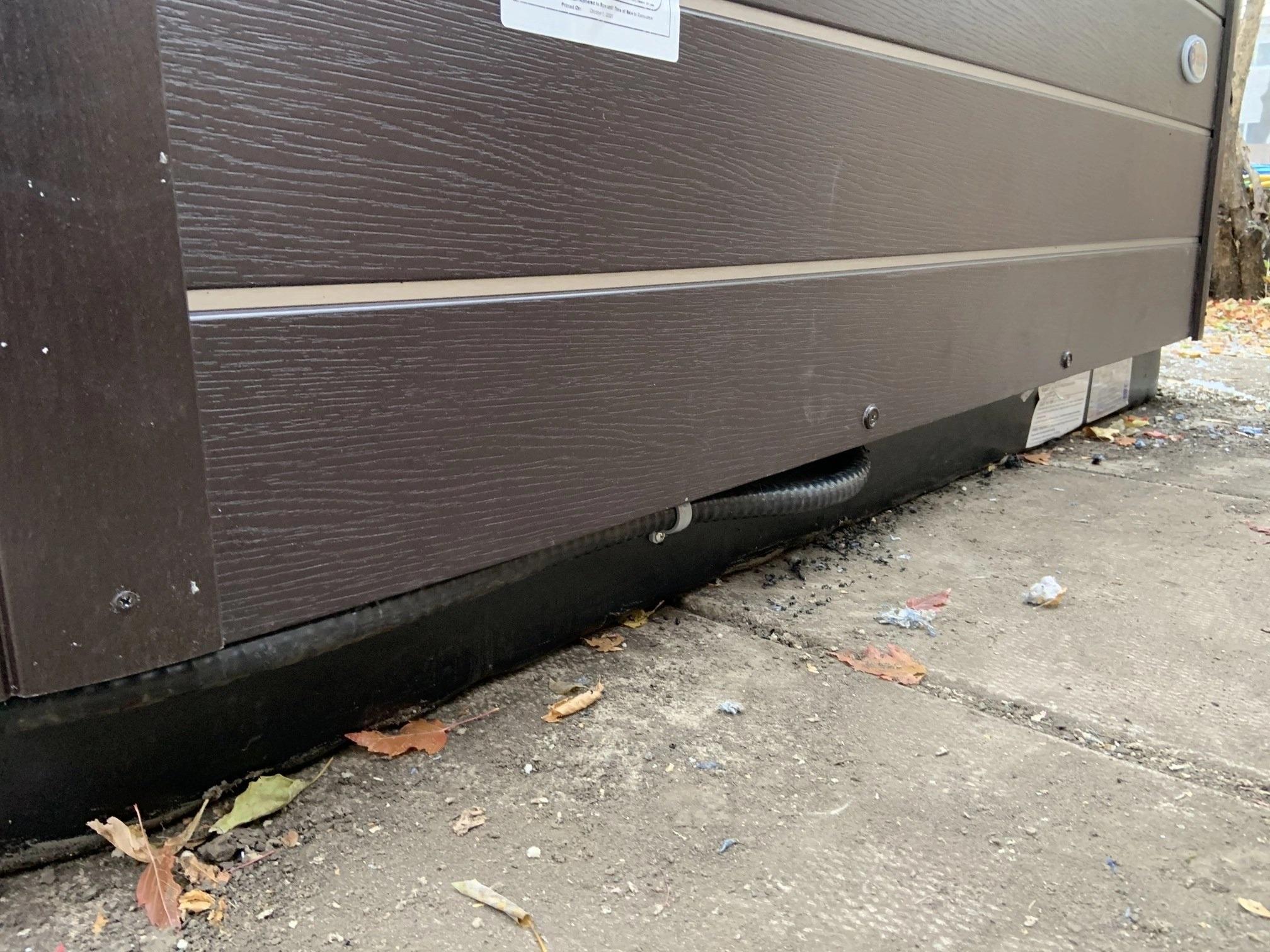
  • Expert Hot Tub Installation in Residential Areas Across Edmonton

    Having a hot tub installed in your home can add comfort, style, and luxury. However, it is essential to ensure your hot tub installation is handled by #experts who understand the requirements and intricacies of residential installations. Whether you are looking to install your hot tub in your backyard or on a patio, an experienced team of installers ensures that your setup meets all safety standards and regulations.

    For a successful installation, various factors must be considered, including the tub's location, access to power, drainage, and structural considerations. Experts will evaluate your residential space to determine the best location for the #hot_tub, ensuring all necessary electrical work is up to code and that the hot tub operates safely. Read more about a Code-compliant hot tub installation. https://www.webnetcreative.com/everything-you-should-know-before-hot-tub-installation/

    Edmonton residents rely on professional hot tub installation services to guarantee that the job is done right. These professionals will work closely with you to understand your vision for your outdoor space, whether it's a private oasis or a space for entertaining guests with a hot tub. With experience in #code_compliant_hot_tub_installations, these specialists ensure your hot tub is not only functional but also safe to use. Visit our location. https://maps.app.goo.gl/NAnoy8LpcKaiRmhr8

    A well-installed hot tub will bring you years of relaxation, enjoyment, and wellness. Whether it’s a simple installation or a more complex setup, #experienced_installers know how to attend to every detail to create the perfect environment in your residential space. Make sure to choose qualified professionals who can handle all aspects of the installation while adhering to safety standards. See more about a Edmonton hot tub installation services. https://prowestelectrical.ca/services/hot-tub-installation/
    Expert Hot Tub Installation in Residential Areas Across Edmonton Having a hot tub installed in your home can add comfort, style, and luxury. However, it is essential to ensure your hot tub installation is handled by #experts who understand the requirements and intricacies of residential installations. Whether you are looking to install your hot tub in your backyard or on a patio, an experienced team of installers ensures that your setup meets all safety standards and regulations. For a successful installation, various factors must be considered, including the tub's location, access to power, drainage, and structural considerations. Experts will evaluate your residential space to determine the best location for the #hot_tub, ensuring all necessary electrical work is up to code and that the hot tub operates safely. Read more about a Code-compliant hot tub installation. https://www.webnetcreative.com/everything-you-should-know-before-hot-tub-installation/ Edmonton residents rely on professional hot tub installation services to guarantee that the job is done right. These professionals will work closely with you to understand your vision for your outdoor space, whether it's a private oasis or a space for entertaining guests with a hot tub. With experience in #code_compliant_hot_tub_installations, these specialists ensure your hot tub is not only functional but also safe to use. Visit our location. https://maps.app.goo.gl/NAnoy8LpcKaiRmhr8 A well-installed hot tub will bring you years of relaxation, enjoyment, and wellness. Whether it’s a simple installation or a more complex setup, #experienced_installers know how to attend to every detail to create the perfect environment in your residential space. Make sure to choose qualified professionals who can handle all aspects of the installation while adhering to safety standards. See more about a Edmonton hot tub installation services. https://prowestelectrical.ca/services/hot-tub-installation/
    0 Comments 0 Shares
No data to show
No data to show
No data to show
No data to show
No data to show