
- Male
- 13/07/1999
- Followed by 0 people
Recent Updates
- The Future of AI Governance: Tackling Security Risks and Bias in Algorithms
As artificial intelligence becomes deeply integrated into enterprise operations, cybersecurity, healthcare, finance, and public services, organizations are facing a new challenge: securing the algorithms that drive automated decisions. In 2026, algorithmic security has emerged as a critical discipline focused on managing AI risks, preventing misuse, and reducing bias in intelligent systems.
One of the biggest concerns surrounding AI systems is algorithmic bias. AI models learn from historical data, and if that data contains bias, the system can produce unfair or discriminatory outcomes. This can impact hiring decisions, credit approvals, healthcare diagnostics, and even cybersecurity threat analysis. Organizations are now prioritizing fairness testing, diverse datasets, and transparent AI practices to minimize bias and improve trust in automated systems.
Another major challenge is AI security and adversarial attacks. Cybercriminals are increasingly targeting AI systems by manipulating input data to influence outcomes. These adversarial attacks can cause AI models to misclassify information, bypass fraud detection systems, or generate incorrect predictions. In response, enterprises are adopting stronger model validation, adversarial testing, and continuous monitoring to protect AI-driven systems from exploitation.
Data integrity and governance also play a central role in algorithmic security. Since AI depends heavily on data quality, organizations must ensure that training data is accurate, secure, and ethically sourced. Data poisoning attacks—where malicious actors intentionally corrupt datasets—can compromise the reliability of AI systems. Strong access controls, encryption, and auditing mechanisms are essential to maintaining trustworthy AI operations.
In 2026, explainable AI (XAI) has become increasingly important. Businesses and regulators want transparency into how AI systems make decisions, especially in high-risk environments. Explainability helps organizations identify hidden bias, improve accountability, and comply with evolving AI regulations. It also strengthens customer trust by making AI-driven decisions easier to understand.
Continuous monitoring is another critical aspect of algorithmic security. AI models can drift over time as new data changes system behavior. Organizations must regularly retrain and evaluate models to ensure accuracy, fairness, and security. Integrating AI monitoring with broader cybersecurity strategies improves resilience against evolving threats.
Human oversight remains essential despite advances in automation. A human-in-the-loop approach ensures that critical decisions are reviewed, ethical boundaries are maintained, and unexpected AI behavior is addressed promptly.
In conclusion, algorithmic security is becoming a core requirement for organizations adopting AI in 2026. Managing bias, securing AI models, ensuring data integrity, and maintaining transparency are all essential for building trustworthy and resilient AI systems. As AI continues to shape the future of business and cybersecurity, organizations that prioritize algorithmic security will be better positioned to innovate responsibly and maintain public trust.
Read more : cybertechnologyinsights.com/
To participate in our interviews, please write to our Media Room at info@intentamplify.com
The Future of AI Governance: Tackling Security Risks and Bias in Algorithms As artificial intelligence becomes deeply integrated into enterprise operations, cybersecurity, healthcare, finance, and public services, organizations are facing a new challenge: securing the algorithms that drive automated decisions. In 2026, algorithmic security has emerged as a critical discipline focused on managing AI risks, preventing misuse, and reducing bias in intelligent systems. One of the biggest concerns surrounding AI systems is algorithmic bias. AI models learn from historical data, and if that data contains bias, the system can produce unfair or discriminatory outcomes. This can impact hiring decisions, credit approvals, healthcare diagnostics, and even cybersecurity threat analysis. Organizations are now prioritizing fairness testing, diverse datasets, and transparent AI practices to minimize bias and improve trust in automated systems. Another major challenge is AI security and adversarial attacks. Cybercriminals are increasingly targeting AI systems by manipulating input data to influence outcomes. These adversarial attacks can cause AI models to misclassify information, bypass fraud detection systems, or generate incorrect predictions. In response, enterprises are adopting stronger model validation, adversarial testing, and continuous monitoring to protect AI-driven systems from exploitation. Data integrity and governance also play a central role in algorithmic security. Since AI depends heavily on data quality, organizations must ensure that training data is accurate, secure, and ethically sourced. Data poisoning attacks—where malicious actors intentionally corrupt datasets—can compromise the reliability of AI systems. Strong access controls, encryption, and auditing mechanisms are essential to maintaining trustworthy AI operations. In 2026, explainable AI (XAI) has become increasingly important. Businesses and regulators want transparency into how AI systems make decisions, especially in high-risk environments. Explainability helps organizations identify hidden bias, improve accountability, and comply with evolving AI regulations. It also strengthens customer trust by making AI-driven decisions easier to understand. Continuous monitoring is another critical aspect of algorithmic security. AI models can drift over time as new data changes system behavior. Organizations must regularly retrain and evaluate models to ensure accuracy, fairness, and security. Integrating AI monitoring with broader cybersecurity strategies improves resilience against evolving threats. Human oversight remains essential despite advances in automation. A human-in-the-loop approach ensures that critical decisions are reviewed, ethical boundaries are maintained, and unexpected AI behavior is addressed promptly. In conclusion, algorithmic security is becoming a core requirement for organizations adopting AI in 2026. Managing bias, securing AI models, ensuring data integrity, and maintaining transparency are all essential for building trustworthy and resilient AI systems. As AI continues to shape the future of business and cybersecurity, organizations that prioritize algorithmic security will be better positioned to innovate responsibly and maintain public trust. Read more : cybertechnologyinsights.com/ To participate in our interviews, please write to our Media Room at info@intentamplify.com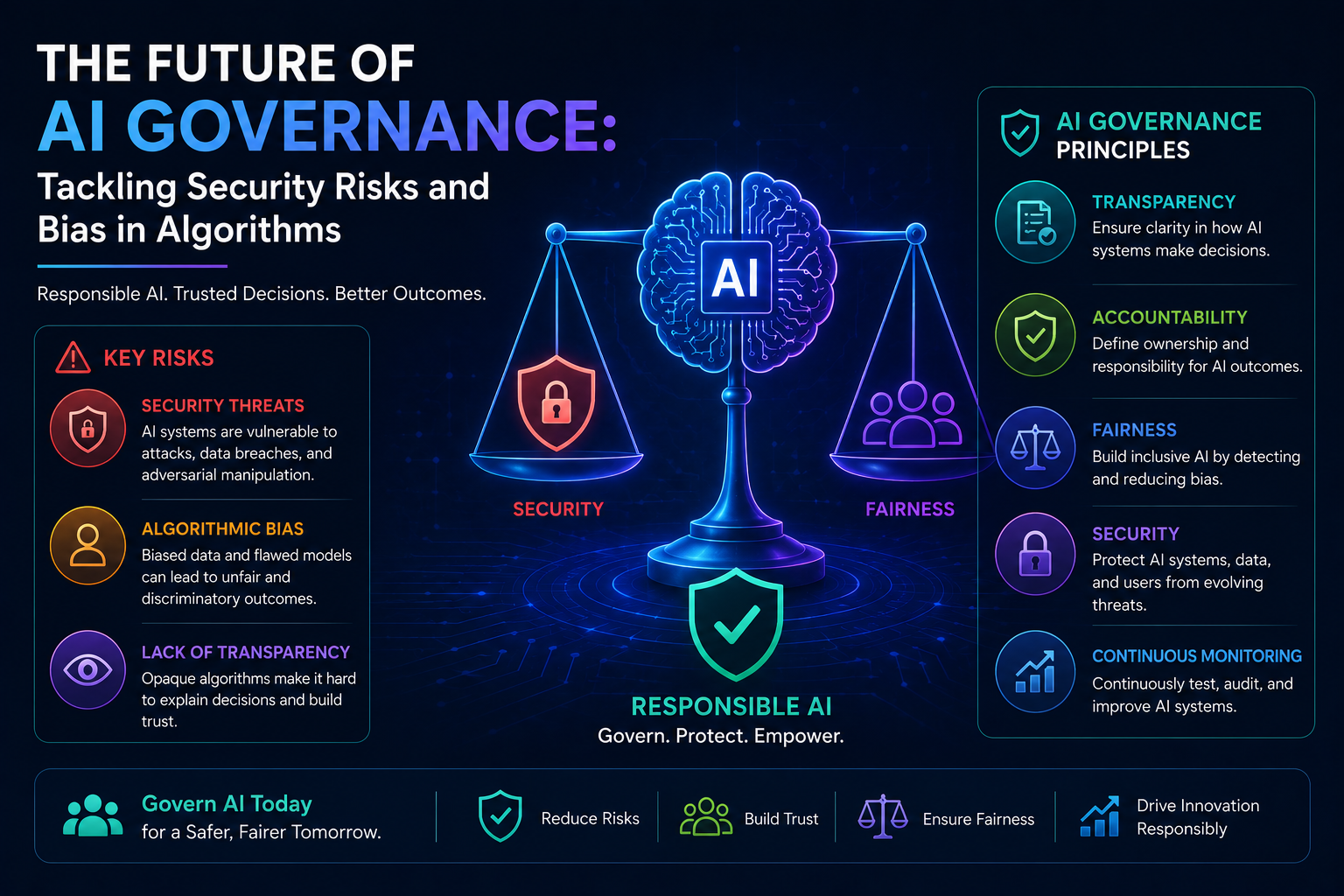 0 Comments 0 Shares
 - Privacy Meets Precision: The Rise of Ethical Intent Data in B2B Marketing
B2B marketing is entering a new era one where privacy, transparency, and trust matter just as much as targeting and personalization. For years, marketers relied heavily on third-party tracking and aggressive data collection to understand buyer behavior. But today, that approach is rapidly losing effectiveness.
As privacy regulations tighten and buyers become more aware of how their data is used, businesses are turning to a more responsible approach: ethical intent data.
What Is Ethical Intent Data?
Ethical intent data refers to buyer behavior insights collected transparently, responsibly, and with user consent. It helps marketers understand what prospects are researching and when they may be ready to buy without violating privacy expectations.
Unlike traditional intent data practices, ethical intent data focuses on:
• Consent-based data collection
• Transparency in how data is used
• Compliance with privacy regulations
• Respect for user trust and control
In simple terms, it’s about gathering valuable insights while putting privacy and ethics first.
Why Traditional Intent Data Is Losing Relevance
Traditional intent data models often relied on third-party cookies and unclear tracking methods. But several major changes are reshaping the landscape:
• Browsers are phasing out third-party cookies
• Privacy laws are becoming stricter worldwide
• Buyers are demanding greater transparency
• Companies face increasing compliance risks
As a result, many older tracking methods are becoming less reliable and more difficult to justify.
Why Top B2B Brands Are Switching to Ethical Intent Data
1. Building Trust with Buyers
Trust is now a competitive advantage. Brands that respect privacy and communicate transparently are more likely to earn long-term customer loyalty.
2. Staying Compliant with Privacy Regulations
Ethical intent data helps companies align with evolving privacy laws and avoid legal or reputational risks.
3. Improving Data Accuracy
Consent-driven and first-party data sources are often more reliable because they come directly from engaged users.
4. Preparing for a Cookie-Free Future
As third-party cookies disappear, ethical data strategies offer a sustainable and future-ready alternative.
5. Delivering Smarter Personalization
Ethical intent data still allows for relevant targeting and personalization without intrusive tracking methods.
How Ethical Intent Data Works
Ethical intent data typically combines:
• First-party data: Website visits, CRM insights, email engagement
• Contextual signals: Content topics and research behavior
• Permission-based third-party data: Collected with clear consent
These insights help marketers identify high-intent prospects while maintaining transparency and trust.
Best Practices for Using Ethical Intent Data
• Be transparent about data collection and usage
• Prioritize user consent and control
• Focus on first-party and contextual data sources
• Align sales and marketing teams around intent insights
• Regularly review compliance and data governance policies
Challenges Businesses Should Consider
While ethical intent data offers major benefits, organizations may face challenges such as:
• Reduced reliance on large-scale third-party datasets
• The need for better first-party data strategies
• Balancing personalization with privacy expectations
However, these challenges are part of building a more sustainable marketing approach.
Conclusion
Ethical intent data is more than just a trend it’s the future of responsible B2B marketing. As buyers demand greater transparency and privacy standards continue to evolve, businesses must adopt smarter and more trustworthy ways to understand customer intent.
The brands making the shift today are not only protecting themselves for the future they’re building stronger relationships based on trust, relevance, and respect.
In the new era of B2B marketing, success will belong to companies that can balance data intelligence with ethical responsibility.
INTENT AMPLIFY is evolving fast. Are you keeping up? Read more at intentamplify.com
To participate in our interviews, please write to our Media Room at info@intentamplify.com
Privacy Meets Precision: The Rise of Ethical Intent Data in B2B Marketing B2B marketing is entering a new era one where privacy, transparency, and trust matter just as much as targeting and personalization. For years, marketers relied heavily on third-party tracking and aggressive data collection to understand buyer behavior. But today, that approach is rapidly losing effectiveness. As privacy regulations tighten and buyers become more aware of how their data is used, businesses are turning to a more responsible approach: ethical intent data. What Is Ethical Intent Data? Ethical intent data refers to buyer behavior insights collected transparently, responsibly, and with user consent. It helps marketers understand what prospects are researching and when they may be ready to buy without violating privacy expectations. Unlike traditional intent data practices, ethical intent data focuses on: • Consent-based data collection • Transparency in how data is used • Compliance with privacy regulations • Respect for user trust and control In simple terms, it’s about gathering valuable insights while putting privacy and ethics first. Why Traditional Intent Data Is Losing Relevance Traditional intent data models often relied on third-party cookies and unclear tracking methods. But several major changes are reshaping the landscape: • Browsers are phasing out third-party cookies • Privacy laws are becoming stricter worldwide • Buyers are demanding greater transparency • Companies face increasing compliance risks As a result, many older tracking methods are becoming less reliable and more difficult to justify. Why Top B2B Brands Are Switching to Ethical Intent Data 1. Building Trust with Buyers Trust is now a competitive advantage. Brands that respect privacy and communicate transparently are more likely to earn long-term customer loyalty. 2. Staying Compliant with Privacy Regulations Ethical intent data helps companies align with evolving privacy laws and avoid legal or reputational risks. 3. Improving Data Accuracy Consent-driven and first-party data sources are often more reliable because they come directly from engaged users. 4. Preparing for a Cookie-Free Future As third-party cookies disappear, ethical data strategies offer a sustainable and future-ready alternative. 5. Delivering Smarter Personalization Ethical intent data still allows for relevant targeting and personalization without intrusive tracking methods. How Ethical Intent Data Works Ethical intent data typically combines: • First-party data: Website visits, CRM insights, email engagement • Contextual signals: Content topics and research behavior • Permission-based third-party data: Collected with clear consent These insights help marketers identify high-intent prospects while maintaining transparency and trust. Best Practices for Using Ethical Intent Data • Be transparent about data collection and usage • Prioritize user consent and control • Focus on first-party and contextual data sources • Align sales and marketing teams around intent insights • Regularly review compliance and data governance policies Challenges Businesses Should Consider While ethical intent data offers major benefits, organizations may face challenges such as: • Reduced reliance on large-scale third-party datasets • The need for better first-party data strategies • Balancing personalization with privacy expectations However, these challenges are part of building a more sustainable marketing approach. Conclusion Ethical intent data is more than just a trend it’s the future of responsible B2B marketing. As buyers demand greater transparency and privacy standards continue to evolve, businesses must adopt smarter and more trustworthy ways to understand customer intent. The brands making the shift today are not only protecting themselves for the future they’re building stronger relationships based on trust, relevance, and respect. In the new era of B2B marketing, success will belong to companies that can balance data intelligence with ethical responsibility. INTENT AMPLIFY is evolving fast. Are you keeping up? Read more at intentamplify.com To participate in our interviews, please write to our Media Room at info@intentamplify.com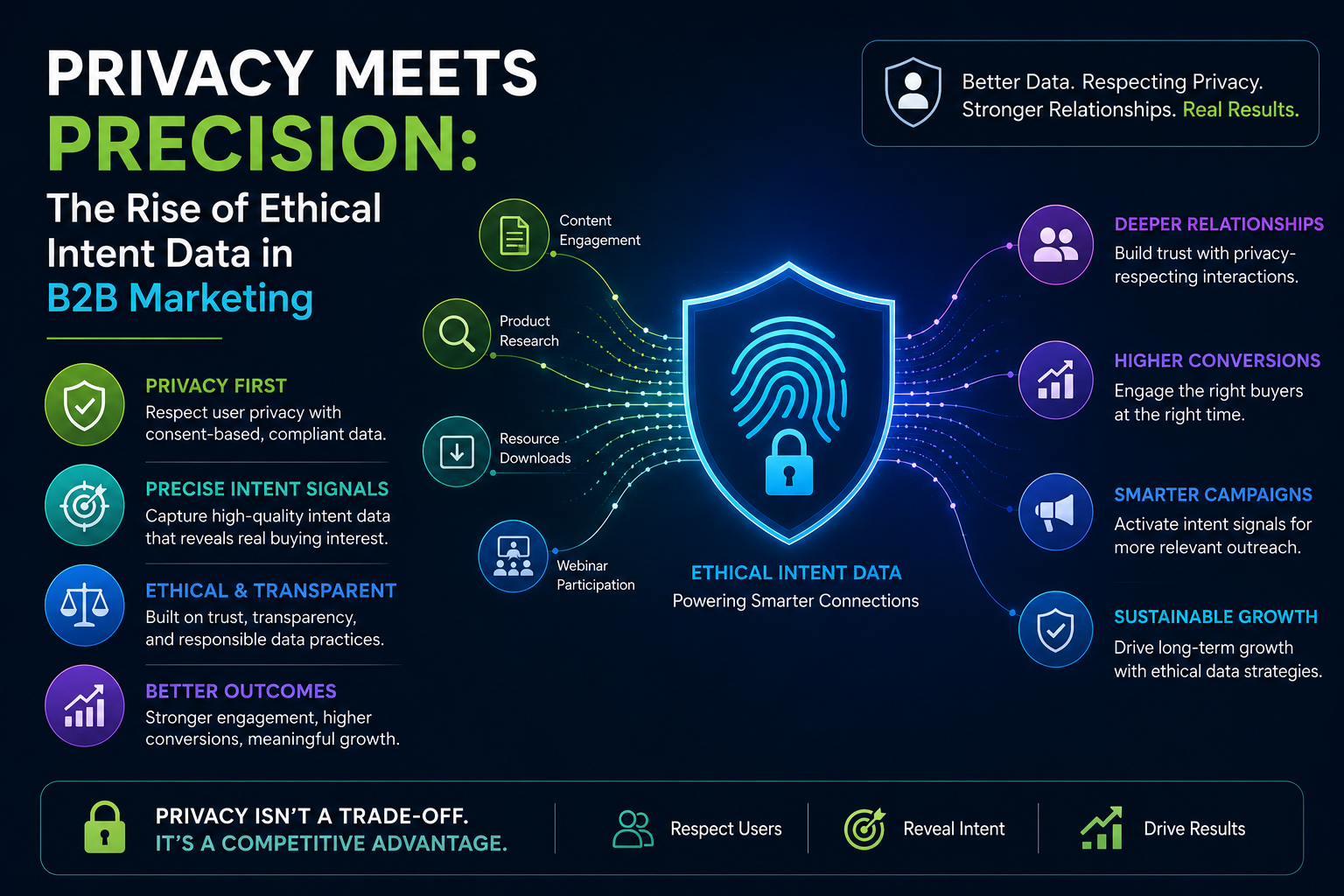 0 Comments 0 Shares
 - The Future of Search: Will AI Replace Traditional Search Engines
For more than two decades, Google has been the undisputed gateway to the internet. Whenever people needed answers, products, or recommendations, they turned to a search engine. But in 2026, the search landscape is changing dramatically.
Artificial intelligence is no longer just supporting search it is beginning to redefine it. AI-powered assistants and generative search experiences are changing how users discover information, interact with content, and make decisions.
So the big question is: Will AI replace Google, or will Google evolve with AI to remain the leader of search?
The Evolution of Search
Traditional search engines work by indexing web pages and displaying ranked lists of results based on keywords, relevance, and authority.
But today’s users want more than links they want:
• Instant answers
• Personalized recommendations
• Conversational experiences
• Context-aware insights
This shift has accelerated the rise of AI-powered search experiences that provide direct, human-like responses instead of just lists of websites.
How AI Is Changing Search
AI-driven search tools use large language models and machine learning to understand intent, context, and natural language queries.
Instead of typing:
• “best CRM software 2026”
Users now ask:
• “What’s the best CRM for a fast-growing SaaS company with remote sales teams?”
AI systems can synthesize information, summarize content, and provide conversational answers instantly.
This creates a more interactive and efficient search experience.
Google’s Response to the AI Revolution
Google is not standing still. The company has rapidly integrated AI into its ecosystem through generative search features and AI-powered search summaries.
Rather than being replaced, Google is evolving from:
• A traditional search engine
to
• An AI-enhanced discovery platform
Its strength still lies in:
• Massive search infrastructure
• Real-time indexing
• Trusted data ecosystems
• Advertising and personalization capabilities
Will AI Replace Traditional Search?
Probably not entirelybut it will transform how search works.
AI and traditional search engines are likely to coexist in a hybrid model:
• AI will provide direct answers and conversational experiences
• Search engines will continue to offer deep exploration, verification, and web discovery
Users may rely on AI for quick insights while using search engines for detailed research and source validation.
What This Means for B2B Marketers
For B2B brands, the shift toward AI-driven search changes everything about visibility and SEO.
Success in 2026 will depend on:
1. Creating AI-Friendly Content
Content must be clear, authoritative, and structured for AI interpretation.
2. Focusing on Intent, Not Just Keywords
Search is becoming more conversational and context-driven.
3. Building Topic Authority
Brands that consistently provide valuable insights will be more likely to appear in AI-generated answers.
4. Embracing Generative Search Optimization (GSO)
Traditional SEO is evolving into strategies optimized for AI-driven search experiences.
The Human Element Still Matters
Even with advanced AI, trust remains critical. Users still value:
• Credible sources
• Expert opinions
• Human insight and experience
The future of search will likely blend AI efficiency with human expertise.
Conclusion
The future of search in 2026 is not about AI versus Google it’s about the convergence of both. AI is transforming how people search, while Google is evolving to stay at the center of discovery.
For businesses and marketers, the focus should not be on choosing sides. Instead, it should be on adapting to a world where search becomes more conversational, intelligent, and intent-driven.
The brands that succeed will be those that create trustworthy, valuable content designed not just for algorithms but for the AI-powered future of human curiosity.
INTENT AMPLIFY is evolving fast. Are you keeping up? Read more at intentamplify.com
To participate in our interviews, please write to our Media Room at info@intentamplify.com
The Future of Search: Will AI Replace Traditional Search Engines For more than two decades, Google has been the undisputed gateway to the internet. Whenever people needed answers, products, or recommendations, they turned to a search engine. But in 2026, the search landscape is changing dramatically. Artificial intelligence is no longer just supporting search it is beginning to redefine it. AI-powered assistants and generative search experiences are changing how users discover information, interact with content, and make decisions. So the big question is: Will AI replace Google, or will Google evolve with AI to remain the leader of search? The Evolution of Search Traditional search engines work by indexing web pages and displaying ranked lists of results based on keywords, relevance, and authority. But today’s users want more than links they want: • Instant answers • Personalized recommendations • Conversational experiences • Context-aware insights This shift has accelerated the rise of AI-powered search experiences that provide direct, human-like responses instead of just lists of websites. How AI Is Changing Search AI-driven search tools use large language models and machine learning to understand intent, context, and natural language queries. Instead of typing: • “best CRM software 2026” Users now ask: • “What’s the best CRM for a fast-growing SaaS company with remote sales teams?” AI systems can synthesize information, summarize content, and provide conversational answers instantly. This creates a more interactive and efficient search experience. Google’s Response to the AI Revolution Google is not standing still. The company has rapidly integrated AI into its ecosystem through generative search features and AI-powered search summaries. Rather than being replaced, Google is evolving from: • A traditional search engine to • An AI-enhanced discovery platform Its strength still lies in: • Massive search infrastructure • Real-time indexing • Trusted data ecosystems • Advertising and personalization capabilities Will AI Replace Traditional Search? Probably not entirelybut it will transform how search works. AI and traditional search engines are likely to coexist in a hybrid model: • AI will provide direct answers and conversational experiences • Search engines will continue to offer deep exploration, verification, and web discovery Users may rely on AI for quick insights while using search engines for detailed research and source validation. What This Means for B2B Marketers For B2B brands, the shift toward AI-driven search changes everything about visibility and SEO. Success in 2026 will depend on: 1. Creating AI-Friendly Content Content must be clear, authoritative, and structured for AI interpretation. 2. Focusing on Intent, Not Just Keywords Search is becoming more conversational and context-driven. 3. Building Topic Authority Brands that consistently provide valuable insights will be more likely to appear in AI-generated answers. 4. Embracing Generative Search Optimization (GSO) Traditional SEO is evolving into strategies optimized for AI-driven search experiences. The Human Element Still Matters Even with advanced AI, trust remains critical. Users still value: • Credible sources • Expert opinions • Human insight and experience The future of search will likely blend AI efficiency with human expertise. Conclusion The future of search in 2026 is not about AI versus Google it’s about the convergence of both. AI is transforming how people search, while Google is evolving to stay at the center of discovery. For businesses and marketers, the focus should not be on choosing sides. Instead, it should be on adapting to a world where search becomes more conversational, intelligent, and intent-driven. The brands that succeed will be those that create trustworthy, valuable content designed not just for algorithms but for the AI-powered future of human curiosity. INTENT AMPLIFY is evolving fast. Are you keeping up? Read more at intentamplify.com To participate in our interviews, please write to our Media Room at info@intentamplify.com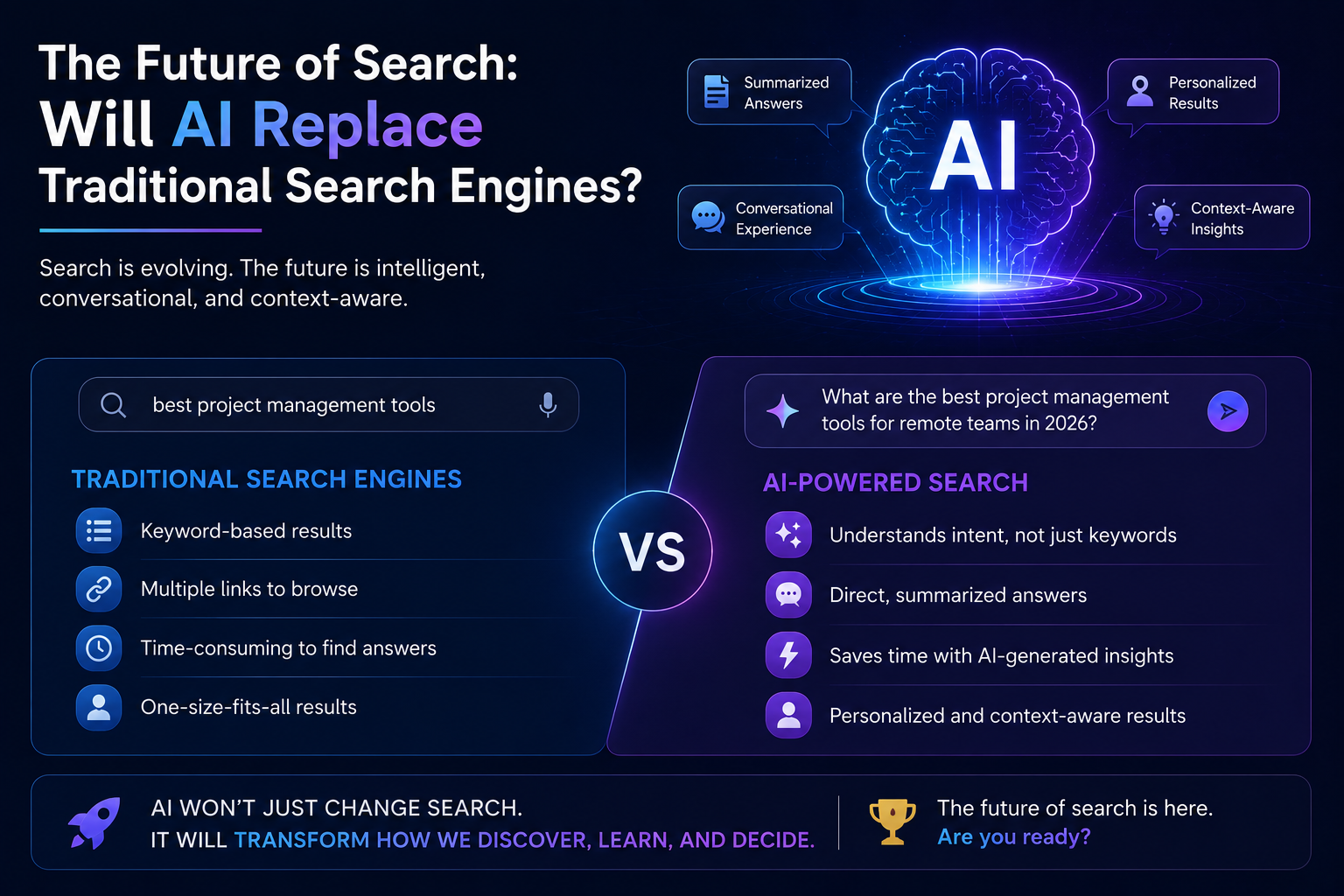 0 Comments 0 Shares
 - Anti-Malware Protection: The Foundation of Modern Cyber Defense
In today’s digital world, cyber threats are becoming more advanced, frequent, and damaging. From ransomware and spyware to trojans and fileless malware, malicious software continues to target businesses and individuals alike. This is why anti-malware solutions remain the first line of defense in cybersecurity, providing essential protection against a wide range of cyber threats before they can compromise systems and data.
Anti-malware software is designed to detect, block, and remove malicious programs from computers, servers, and networks. Unlike traditional antivirus tools that mainly relied on known signatures, modern anti-malware solutions use advanced technologies such as artificial intelligence, machine learning, and behavioral analysis to identify both known and emerging threats. This allows organizations to defend against sophisticated attacks that constantly evolve to bypass conventional security measures.
One of the most important functions of anti-malware is real-time protection. Every file, application, or download is scanned as soon as it enters the system. If suspicious behavior or malicious code is detected, the software can quarantine or block the threat immediately. This proactive approach prevents malware from spreading across devices or stealing sensitive information.
Another key advantage is continuous monitoring. Modern anti-malware tools work in the background, constantly analyzing system activity, network connections, and application behavior. This enables organizations to identify unusual activities such as unauthorized access attempts, abnormal file changes, or suspicious communications with external servers.
Anti-malware solutions also protect against a broad range of attacks, including ransomware, phishing-related malware, spyware, rootkits, and zero-day exploits. Many advanced platforms include web filtering, email scanning, and exploit prevention features to strengthen security across multiple attack vectors.
In addition, anti-malware tools integrate with broader cybersecurity systems such as Endpoint Detection and Response (EDR), firewalls, and Security Information and Event Management (SIEM) platforms. This integration improves visibility, speeds up incident response, and enables more effective threat management across the organization.
However, anti-malware alone is not enough to guarantee complete security. Organizations must combine it with a layered cybersecurity strategy that includes strong passwords, multi-factor authentication (MFA), regular patching, employee awareness training, and continuous monitoring.
In conclusion, anti-malware remains a critical component of modern cybersecurity. By providing real-time detection, continuous monitoring, and protection against evolving threats, it acts as the first and most essential barrier against cyberattacks. As cybercriminals continue to develop more sophisticated malware, organizations that invest in strong anti-malware protection will be better equipped to safeguard their systems, data, and digital operations.
Read more : cybertechnologyinsights.com/
To participate in our interviews, please write to our Media Room at info@intentamplify.com
Anti-Malware Protection: The Foundation of Modern Cyber Defense In today’s digital world, cyber threats are becoming more advanced, frequent, and damaging. From ransomware and spyware to trojans and fileless malware, malicious software continues to target businesses and individuals alike. This is why anti-malware solutions remain the first line of defense in cybersecurity, providing essential protection against a wide range of cyber threats before they can compromise systems and data. Anti-malware software is designed to detect, block, and remove malicious programs from computers, servers, and networks. Unlike traditional antivirus tools that mainly relied on known signatures, modern anti-malware solutions use advanced technologies such as artificial intelligence, machine learning, and behavioral analysis to identify both known and emerging threats. This allows organizations to defend against sophisticated attacks that constantly evolve to bypass conventional security measures. One of the most important functions of anti-malware is real-time protection. Every file, application, or download is scanned as soon as it enters the system. If suspicious behavior or malicious code is detected, the software can quarantine or block the threat immediately. This proactive approach prevents malware from spreading across devices or stealing sensitive information. Another key advantage is continuous monitoring. Modern anti-malware tools work in the background, constantly analyzing system activity, network connections, and application behavior. This enables organizations to identify unusual activities such as unauthorized access attempts, abnormal file changes, or suspicious communications with external servers. Anti-malware solutions also protect against a broad range of attacks, including ransomware, phishing-related malware, spyware, rootkits, and zero-day exploits. Many advanced platforms include web filtering, email scanning, and exploit prevention features to strengthen security across multiple attack vectors. In addition, anti-malware tools integrate with broader cybersecurity systems such as Endpoint Detection and Response (EDR), firewalls, and Security Information and Event Management (SIEM) platforms. This integration improves visibility, speeds up incident response, and enables more effective threat management across the organization. However, anti-malware alone is not enough to guarantee complete security. Organizations must combine it with a layered cybersecurity strategy that includes strong passwords, multi-factor authentication (MFA), regular patching, employee awareness training, and continuous monitoring. In conclusion, anti-malware remains a critical component of modern cybersecurity. By providing real-time detection, continuous monitoring, and protection against evolving threats, it acts as the first and most essential barrier against cyberattacks. As cybercriminals continue to develop more sophisticated malware, organizations that invest in strong anti-malware protection will be better equipped to safeguard their systems, data, and digital operations. Read more : cybertechnologyinsights.com/ To participate in our interviews, please write to our Media Room at info@intentamplify.com 0 Comments 0 Shares
 - The Rise of Generative Search: Why B2B Marketers Must Rethink SEO in 2026
Search is changing faster than ever. For years, B2B SEO strategies focused on keywords, backlinks, and rankings. But in 2026, the rise of AI-powered search experiences is transforming how buyers discover information online. Instead of simply showing lists of links, search engines are now generating direct, conversational answers.
This shift has given rise to a new strategy called Generative Search Optimization (GSO) a modern approach designed to help brands stay visible in an AI-first search environment.
What Is Generative Search Optimization (GSO)?
Generative Search Optimization is the process of optimizing content so it can be effectively understood, selected, and surfaced by AI-driven search engines and generative AI platforms.
Unlike traditional SEO, which focuses mainly on rankings, GSO focuses on:
• Context and meaning
• Conversational search intent
• AI-readable content structures
• Trust, authority, and relevance
The goal is not just to appear in search results but to become part of the AI-generated answers users see first.
Why Traditional SEO Alone Is No Longer Enough
Search behavior is evolving. Buyers are increasingly using conversational queries like:
• “What’s the best ABM platform for SaaS companies?”
• “How can B2B companies improve lead quality?”
AI-powered search engines analyze content differently than traditional algorithms. They prioritize:
• Clear and trustworthy information
• Context-rich content
• Topic authority
• User intent satisfaction
This means brands must optimize not only for search engines but also for AI interpretation and summarization.
Why GSO Matters for B2B Companies
B2B buyers conduct extensive research before making decisions. If your brand appears in AI-generated insights and recommendations, you gain a major competitive advantage.
Generative Search Optimization helps B2B companies:
• Increase visibility in AI-driven search experiences
• Build stronger topical authority
• Reach buyers earlier in the decision-making process
• Improve content discoverability and engagement
Key Elements of Generative Search Optimization
1. Intent-Driven Content
Content should answer real questions clearly and directly while matching user intent.
2. Topic Authority
Instead of focusing on single keywords, brands must build comprehensive expertise around key topics.
3. Conversational Optimization
Content should align with natural language queries and AI-driven search patterns.
4. Structured and Readable Content
Clear headings, summaries, FAQs, and semantic organization help AI systems understand your content better.
5. Trust and Credibility Signals
AI systems prioritize reliable and authoritative sources. High-quality content and expertise matter more than ever.
How AI Is Reshaping B2B SEO
AI is moving SEO from a ranking-focused strategy to a knowledge-focused strategy. Success now depends on how well your content educates, informs, and answers questions.
This shift also means:
• Long-tail and conversational searches are growing
• Content depth matters more than keyword density
• User experience and engagement are critical signals
Best Practices for B2B Marketers in 2026
• Create in-depth, educational content
• Focus on topics instead of isolated keywords
• Optimize for conversational queries
• Use structured content formats like FAQs and guides
• Continuously update content to maintain relevance
Challenges to Consider
• Rapidly evolving AI search technologies
• Difficulty measuring AI-driven visibility
• Increased competition for authoritative content
Brands that adapt early, however, will gain a long-term advantage.
Conclusion
Generative Search Optimization represents the next evolution of B2B SEO. In a world where AI engines shape how information is discovered, traditional SEO alone is no longer enough.
The future belongs to brands that create trustworthy, intent-driven, and AI-friendly content. By embracing GSO now, B2B companies can stay visible, relevant, and competitive in the AI-powered search landscape of 2026.
INTENT AMPLIFY is evolving fast. Are you keeping up? Read more at intentamplify.com
To participate in our interviews, please write to our Media Room at info@intentamplify.com
The Rise of Generative Search: Why B2B Marketers Must Rethink SEO in 2026 Search is changing faster than ever. For years, B2B SEO strategies focused on keywords, backlinks, and rankings. But in 2026, the rise of AI-powered search experiences is transforming how buyers discover information online. Instead of simply showing lists of links, search engines are now generating direct, conversational answers. This shift has given rise to a new strategy called Generative Search Optimization (GSO) a modern approach designed to help brands stay visible in an AI-first search environment. What Is Generative Search Optimization (GSO)? Generative Search Optimization is the process of optimizing content so it can be effectively understood, selected, and surfaced by AI-driven search engines and generative AI platforms. Unlike traditional SEO, which focuses mainly on rankings, GSO focuses on: • Context and meaning • Conversational search intent • AI-readable content structures • Trust, authority, and relevance The goal is not just to appear in search results but to become part of the AI-generated answers users see first. Why Traditional SEO Alone Is No Longer Enough Search behavior is evolving. Buyers are increasingly using conversational queries like: • “What’s the best ABM platform for SaaS companies?” • “How can B2B companies improve lead quality?” AI-powered search engines analyze content differently than traditional algorithms. They prioritize: • Clear and trustworthy information • Context-rich content • Topic authority • User intent satisfaction This means brands must optimize not only for search engines but also for AI interpretation and summarization. Why GSO Matters for B2B Companies B2B buyers conduct extensive research before making decisions. If your brand appears in AI-generated insights and recommendations, you gain a major competitive advantage. Generative Search Optimization helps B2B companies: • Increase visibility in AI-driven search experiences • Build stronger topical authority • Reach buyers earlier in the decision-making process • Improve content discoverability and engagement Key Elements of Generative Search Optimization 1. Intent-Driven Content Content should answer real questions clearly and directly while matching user intent. 2. Topic Authority Instead of focusing on single keywords, brands must build comprehensive expertise around key topics. 3. Conversational Optimization Content should align with natural language queries and AI-driven search patterns. 4. Structured and Readable Content Clear headings, summaries, FAQs, and semantic organization help AI systems understand your content better. 5. Trust and Credibility Signals AI systems prioritize reliable and authoritative sources. High-quality content and expertise matter more than ever. How AI Is Reshaping B2B SEO AI is moving SEO from a ranking-focused strategy to a knowledge-focused strategy. Success now depends on how well your content educates, informs, and answers questions. This shift also means: • Long-tail and conversational searches are growing • Content depth matters more than keyword density • User experience and engagement are critical signals Best Practices for B2B Marketers in 2026 • Create in-depth, educational content • Focus on topics instead of isolated keywords • Optimize for conversational queries • Use structured content formats like FAQs and guides • Continuously update content to maintain relevance Challenges to Consider • Rapidly evolving AI search technologies • Difficulty measuring AI-driven visibility • Increased competition for authoritative content Brands that adapt early, however, will gain a long-term advantage. Conclusion Generative Search Optimization represents the next evolution of B2B SEO. In a world where AI engines shape how information is discovered, traditional SEO alone is no longer enough. The future belongs to brands that create trustworthy, intent-driven, and AI-friendly content. By embracing GSO now, B2B companies can stay visible, relevant, and competitive in the AI-powered search landscape of 2026. INTENT AMPLIFY is evolving fast. Are you keeping up? Read more at intentamplify.com To participate in our interviews, please write to our Media Room at info@intentamplify.com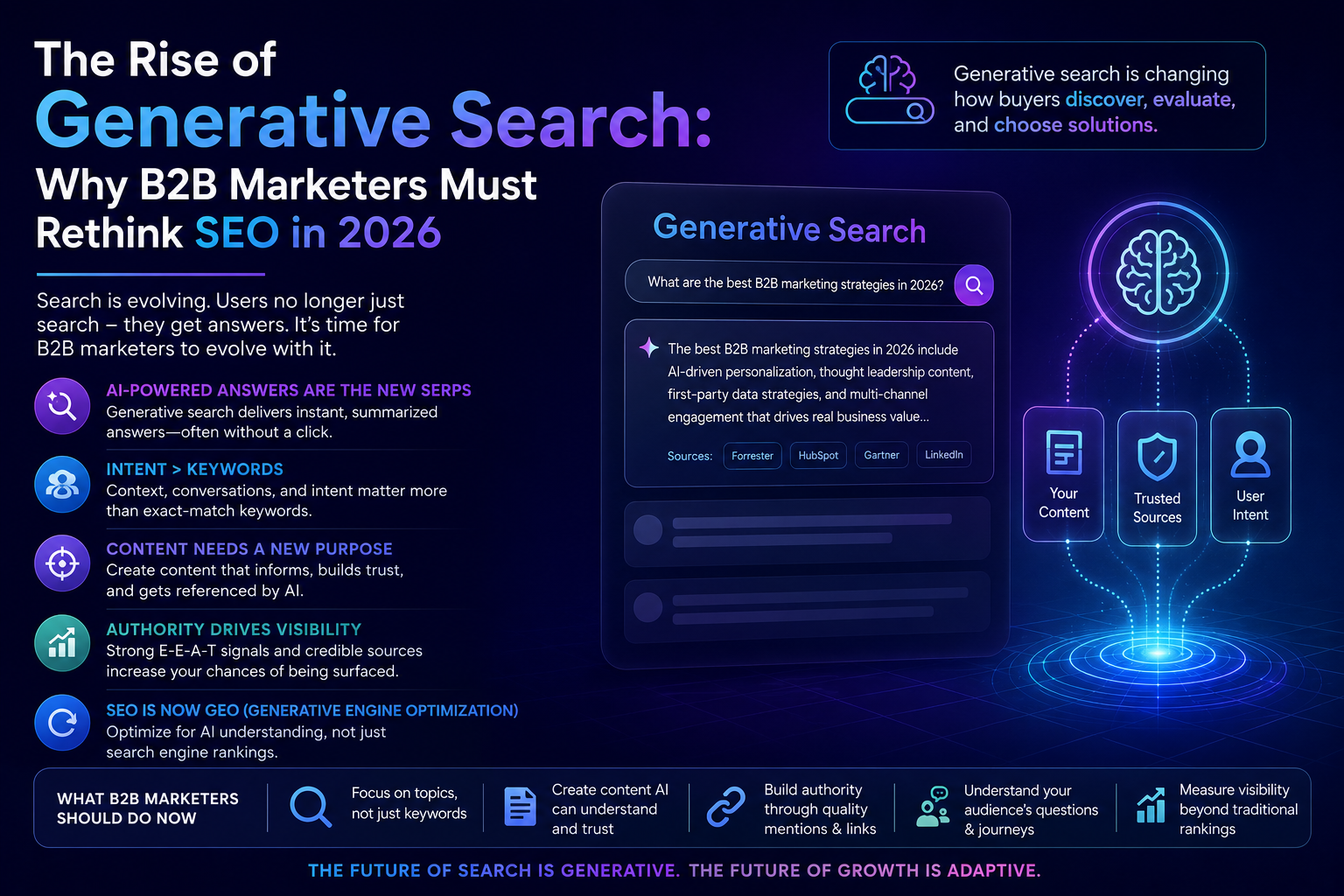 0 Comments 0 Shares
 - Precision Targeting with GPS Data: Unlocking Smarter B2B Lead Generation
Modern B2B marketing is no longer limited to emails, ads, and website traffic. Today, businesses are looking for smarter ways to connect with prospects in real time and location-based marketing is becoming a powerful solution. Technologies like geofencing and GPS data are helping marketers identify, target, and engage potential buyers based on where they are physically located.
In a competitive market, timing and relevance matter. Location-based lead generation allows B2B brands to reach decision-makers at the right place and the right moment.
What Is Geofencing?
Geofencing is a technology that creates a virtual boundary around a specific geographic area. When a mobile device enters or exits this area, marketers can trigger actions such as:
• Displaying targeted ads
• Sending notifications
• Tracking engagement behavior
For B2B companies, geofencing can be used around:
• Trade shows and conferences
• Business parks and office locations
• Competitor events or headquarters
How GPS Data Powers Location-Based Marketing
GPS data provides real-time location tracking, enabling businesses to understand where users are and how they move. Combined with geofencing, it helps marketers:
• Deliver highly targeted campaigns
• Understand audience behavior patterns
• Engage prospects during key moments of interest
This creates more contextual and personalized marketing experiences.
Why Location-Based Lead Generation Matters in B2B
B2B buyers often attend industry events, conferences, and networking sessions before making purchasing decisions. Geofencing allows marketers to connect with these prospects when they are already engaged in relevant business activities.
Instead of broad targeting, companies can focus on high-intent audiences in specific locations.
Key Benefits of Geofencing and GPS Data
1. Highly Targeted Outreach
Reach prospects based on physical presence rather than broad demographics alone.
2. Real-Time Engagement
Connect with attendees during live events or business visits when their interest level is highest.
3. Better Lead Quality
Location-based targeting often captures users already involved in industry-related activities, increasing lead relevance.
4. Competitive Advantage
Businesses can target audiences attending competitor events or visiting competitor locations.
5. Actionable Insights
GPS and location data provide valuable insights into customer movement and behavior, helping optimize future campaigns.
Popular Use Cases in B2B Marketing
Event Marketing
Target conference attendees before, during, and after events with personalized messaging and offers.
Account-Based Marketing (ABM)
Use geofencing to engage employees from specific high-value accounts.
Retargeting Campaigns
Serve ads to users who visited certain locations, increasing post-event engagement.
Business District Targeting
Reach professionals in key commercial areas or technology hubs.
Best Practices for Success
• Respect data privacy regulations and user consent
• Combine location data with intent data for better accuracy
• Personalize messaging based on the event or location context
• Integrate geofencing data with CRM and marketing automation tools
• Continuously measure and optimize campaign performance
Challenges to Consider
While geofencing offers strong opportunities, marketers should also be aware of:
• Privacy and compliance concerns
• Dependence on accurate GPS signals
• Potentially limited audience scale
A thoughtful and ethical strategy is essential for success.
Conclusion
Geofencing and GPS data are reshaping how B2B companies approach lead generation. By connecting physical location with digital engagement, businesses can create more targeted, timely, and effective campaigns.
As B2B marketing becomes more personalized and data-driven, location-based strategies will play an increasingly important role in helping brands engage the right prospects and generate higher-quality leads.
INTENT AMPLIFY is evolving fast. Are you keeping up? Read more at intentamplify.com
To participate in our interviews, please write to our Media Room at info@intentamplify.com
Precision Targeting with GPS Data: Unlocking Smarter B2B Lead Generation Modern B2B marketing is no longer limited to emails, ads, and website traffic. Today, businesses are looking for smarter ways to connect with prospects in real time and location-based marketing is becoming a powerful solution. Technologies like geofencing and GPS data are helping marketers identify, target, and engage potential buyers based on where they are physically located. In a competitive market, timing and relevance matter. Location-based lead generation allows B2B brands to reach decision-makers at the right place and the right moment. What Is Geofencing? Geofencing is a technology that creates a virtual boundary around a specific geographic area. When a mobile device enters or exits this area, marketers can trigger actions such as: • Displaying targeted ads • Sending notifications • Tracking engagement behavior For B2B companies, geofencing can be used around: • Trade shows and conferences • Business parks and office locations • Competitor events or headquarters How GPS Data Powers Location-Based Marketing GPS data provides real-time location tracking, enabling businesses to understand where users are and how they move. Combined with geofencing, it helps marketers: • Deliver highly targeted campaigns • Understand audience behavior patterns • Engage prospects during key moments of interest This creates more contextual and personalized marketing experiences. Why Location-Based Lead Generation Matters in B2B B2B buyers often attend industry events, conferences, and networking sessions before making purchasing decisions. Geofencing allows marketers to connect with these prospects when they are already engaged in relevant business activities. Instead of broad targeting, companies can focus on high-intent audiences in specific locations. Key Benefits of Geofencing and GPS Data 1. Highly Targeted Outreach Reach prospects based on physical presence rather than broad demographics alone. 2. Real-Time Engagement Connect with attendees during live events or business visits when their interest level is highest. 3. Better Lead Quality Location-based targeting often captures users already involved in industry-related activities, increasing lead relevance. 4. Competitive Advantage Businesses can target audiences attending competitor events or visiting competitor locations. 5. Actionable Insights GPS and location data provide valuable insights into customer movement and behavior, helping optimize future campaigns. Popular Use Cases in B2B Marketing Event Marketing Target conference attendees before, during, and after events with personalized messaging and offers. Account-Based Marketing (ABM) Use geofencing to engage employees from specific high-value accounts. Retargeting Campaigns Serve ads to users who visited certain locations, increasing post-event engagement. Business District Targeting Reach professionals in key commercial areas or technology hubs. Best Practices for Success • Respect data privacy regulations and user consent • Combine location data with intent data for better accuracy • Personalize messaging based on the event or location context • Integrate geofencing data with CRM and marketing automation tools • Continuously measure and optimize campaign performance Challenges to Consider While geofencing offers strong opportunities, marketers should also be aware of: • Privacy and compliance concerns • Dependence on accurate GPS signals • Potentially limited audience scale A thoughtful and ethical strategy is essential for success. Conclusion Geofencing and GPS data are reshaping how B2B companies approach lead generation. By connecting physical location with digital engagement, businesses can create more targeted, timely, and effective campaigns. As B2B marketing becomes more personalized and data-driven, location-based strategies will play an increasingly important role in helping brands engage the right prospects and generate higher-quality leads. INTENT AMPLIFY is evolving fast. Are you keeping up? Read more at intentamplify.com To participate in our interviews, please write to our Media Room at info@intentamplify.com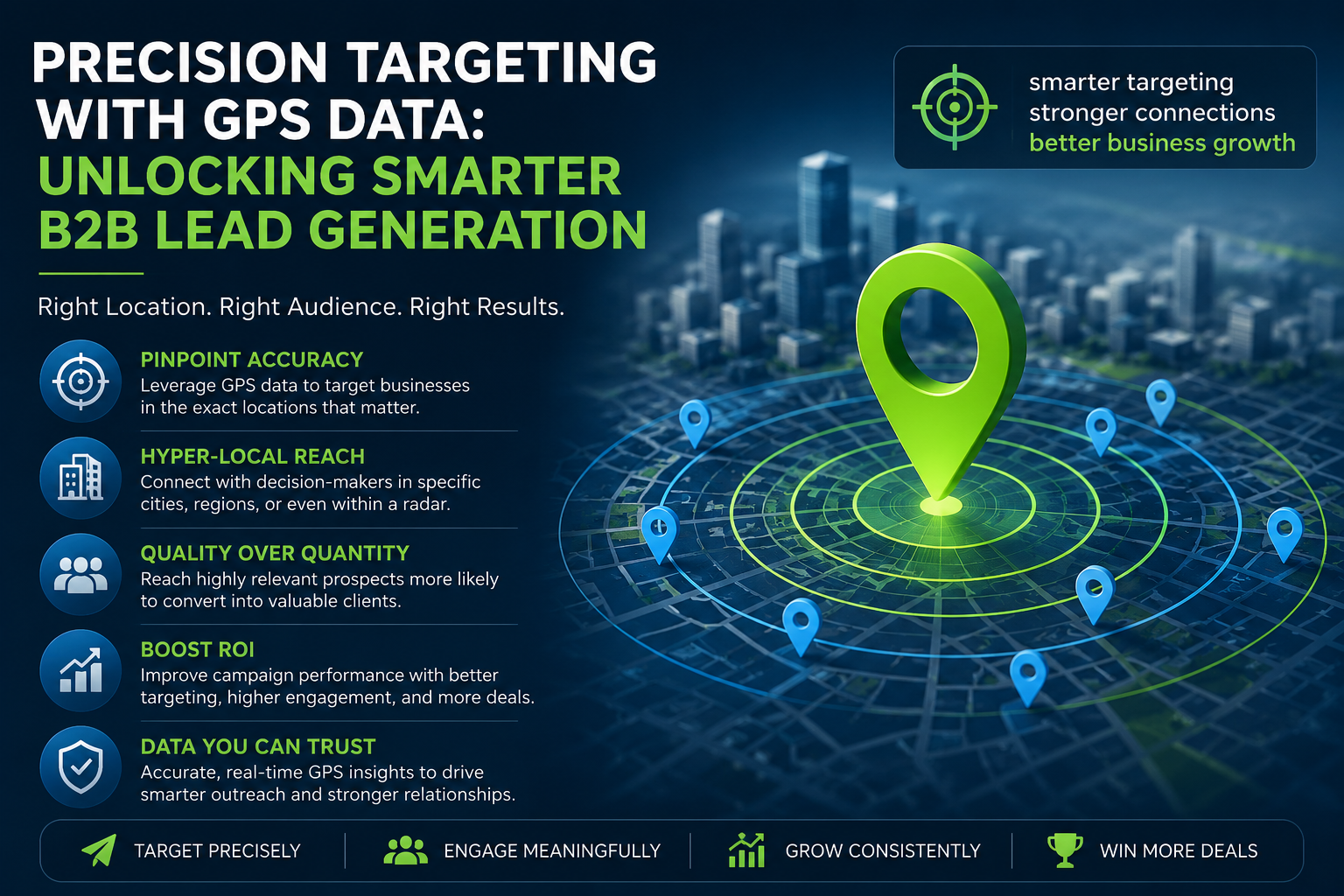 0 Comments 0 Shares
 - Smarter Threat Detection: How AI Is Transforming Malware Analysis
As cyber threats grow more sophisticated, traditional malware analysis methods are struggling to keep up. Signature-based detection, once the backbone of cybersecurity, is no longer sufficient against polymorphic malware, fileless attacks, and zero-day exploits. In response, organizations are turning to AI-enhanced malware analysis to identify and combat new and evolving threats with greater speed and accuracy.
AI-driven malware analysis leverages machine learning algorithms to detect patterns and anomalies in code, behavior, and network activity. Unlike traditional approaches that rely on known signatures, AI models can identify previously unseen threats by analyzing how programs behave rather than how they look. This enables security teams to detect zero-day attacks and advanced malware variants that would otherwise go unnoticed.
One of the key advantages of AI is its ability to analyze massive volumes of data in real time. Modern IT environments generate vast amounts of logs and telemetry, making manual analysis impractical. AI systems can process this data at scale, identifying suspicious activities such as unusual file execution, abnormal network connections, or unauthorized privilege escalation. This accelerates threat detection and reduces response times.
Another important capability is behavioral analysis and sandboxing. AI-powered systems can execute suspicious files in controlled environments (sandboxes) and observe their behavior. By analyzing how malware interacts with the system such as modifying files, accessing sensitive data, or communicating with external servers AI can classify threats more accurately and uncover hidden malicious intent.
AI also enhances automated threat classification and prioritization. Security teams often face an overwhelming number of alerts, many of which are false positives. Machine learning models can filter and prioritize alerts based on risk level, allowing analysts to focus on the most critical threats. This improves efficiency and reduces alert fatigue.
In addition, AI supports threat intelligence and continuous learning. As new malware variants emerge, AI systems can learn from previous incidents and update their detection models. This continuous improvement ensures that defenses remain effective against evolving threats.
However, AI-enhanced malware analysis is not without challenges. Attackers are increasingly using AI to develop more sophisticated malware, including techniques designed to evade detection systems. Adversarial attacks can also manipulate AI models, highlighting the need for robust validation and security controls.
In conclusion, AI-enhanced malware analysis is transforming how organizations detect and respond to cyber threats. By combining behavioral insights, real-time analytics, and continuous learning, AI enables a more proactive and adaptive approach to cybersecurity. As threats continue to evolve, leveraging AI will be essential for staying ahead in the ongoing battle against malware.
Read more
Smarter Threat Detection: How AI Is Transforming Malware Analysis As cyber threats grow more sophisticated, traditional malware analysis methods are struggling to keep up. Signature-based detection, once the backbone of cybersecurity, is no longer sufficient against polymorphic malware, fileless attacks, and zero-day exploits. In response, organizations are turning to AI-enhanced malware analysis to identify and combat new and evolving threats with greater speed and accuracy. AI-driven malware analysis leverages machine learning algorithms to detect patterns and anomalies in code, behavior, and network activity. Unlike traditional approaches that rely on known signatures, AI models can identify previously unseen threats by analyzing how programs behave rather than how they look. This enables security teams to detect zero-day attacks and advanced malware variants that would otherwise go unnoticed. One of the key advantages of AI is its ability to analyze massive volumes of data in real time. Modern IT environments generate vast amounts of logs and telemetry, making manual analysis impractical. AI systems can process this data at scale, identifying suspicious activities such as unusual file execution, abnormal network connections, or unauthorized privilege escalation. This accelerates threat detection and reduces response times. Another important capability is behavioral analysis and sandboxing. AI-powered systems can execute suspicious files in controlled environments (sandboxes) and observe their behavior. By analyzing how malware interacts with the system such as modifying files, accessing sensitive data, or communicating with external servers AI can classify threats more accurately and uncover hidden malicious intent. AI also enhances automated threat classification and prioritization. Security teams often face an overwhelming number of alerts, many of which are false positives. Machine learning models can filter and prioritize alerts based on risk level, allowing analysts to focus on the most critical threats. This improves efficiency and reduces alert fatigue. In addition, AI supports threat intelligence and continuous learning. As new malware variants emerge, AI systems can learn from previous incidents and update their detection models. This continuous improvement ensures that defenses remain effective against evolving threats. However, AI-enhanced malware analysis is not without challenges. Attackers are increasingly using AI to develop more sophisticated malware, including techniques designed to evade detection systems. Adversarial attacks can also manipulate AI models, highlighting the need for robust validation and security controls. In conclusion, AI-enhanced malware analysis is transforming how organizations detect and respond to cyber threats. By combining behavioral insights, real-time analytics, and continuous learning, AI enables a more proactive and adaptive approach to cybersecurity. As threats continue to evolve, leveraging AI will be essential for staying ahead in the ongoing battle against malware. Read more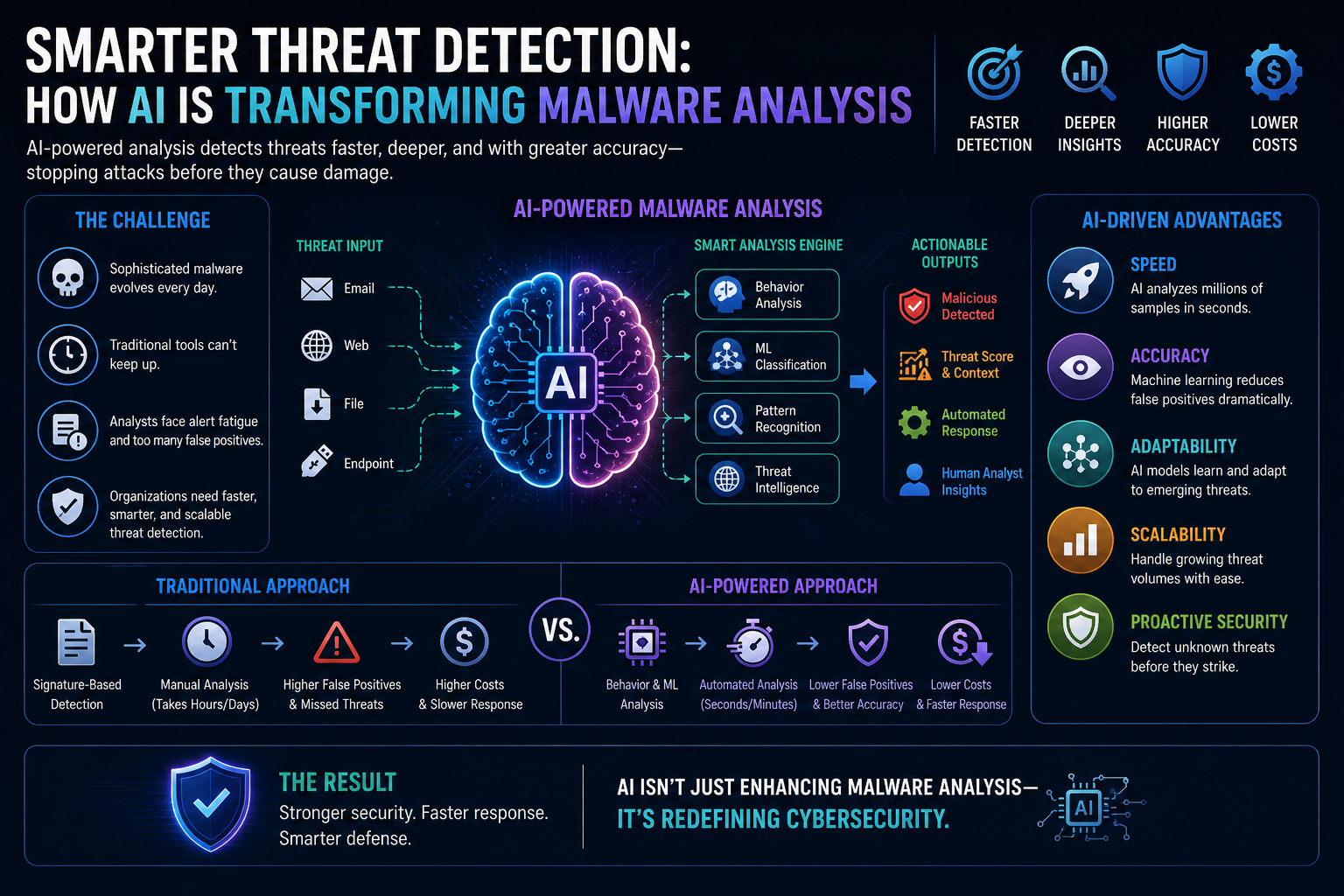 0 Comments 0 Shares
 - Event Marketing That Delivers: Proven B2B Strategies to Boost ROI
Event marketing remains one of the most effective channels for B2B companies to build relationships, generate high-intent leads, and accelerate sales cycles. Whether it’s trade shows, conferences, or virtual events, the opportunity to engage directly with decision-makers is unmatched.
But here’s the reality events are expensive. Without a clear plan, they can easily become a cost center rather than a revenue driver. To truly maximize ROI, B2B marketers need a strategic, data-driven approach that goes beyond just showing up.
Why Event Marketing Still Works in B2B
Even in a digital-first world, human interaction drives trust. Events offer:
• Face-to-face or real-time engagement
• Deeper, more meaningful conversations
• Stronger brand recall
• Access to high-value prospects
However, success depends on how well you manage the entire journey from pre-event planning to post-event follow-up.
Smart Strategies to Maximize Event ROI
1. Set Clear Goals and KPIs
Start with a clear definition of success. Are you aiming for leads, meetings, pipeline, or brand awareness? Define KPIs so you can measure outcomes effectively.
2. Choose the Right Events
Not every event is worth your time and budget. Focus on events where your ideal customer profile (ICP) is most likely to be present.
3. Build Momentum Before the Event
Don’t wait until the event starts. Use email campaigns, LinkedIn outreach, and targeted ads to:
• Promote your presence
• Book meetings in advance
• Warm up prospects
Pre-event engagement can significantly increase ROI.
4. Deliver Personalized, High-Value Experiences
At the event, avoid generic pitches. Focus on:
• Live demos tailored to specific needs
• One-on-one consultations
• Interactive discussions
The goal is to create memorable, value-driven interactions.
5. Capture and Qualify Leads Efficiently
Use digital tools to collect and categorize leads based on:
• Interest level
• Decision-making authority
• Business needs
This ensures your sales team focuses on the most promising opportunities.
6. Follow Up Quickly and Strategically
The biggest ROI killer is delayed follow-up. Reach out within 24–48 hours with personalized messages and relevant content.
Timely follow-ups keep your brand top-of-mind and improve conversion rates.
7. Measure, Analyze, and Optimize
After the event, evaluate performance:
• Number of qualified leads
• Meetings held
• Pipeline generated
• Revenue influenced
Use these insights to refine your future event strategy.
Common Mistakes to Avoid
• Attending events without clear objectives
• Targeting the wrong audience
• Relying only on booth traffic
• Sending generic follow-ups
• Failing to track ROI
Avoiding these pitfalls can dramatically improve results.
Conclusion
Event marketing can be a powerful growth engine for B2B companies but only when executed strategically. By focusing on the right audience, engaging prospects before and after the event, and measuring performance effectively, businesses can turn events into high-impact revenue opportunities.
In today’s competitive landscape, it’s not about attending more events it’s about making each event count and deliver measurable business value.
INTENT AMPLIFY is evolving fast. Are you keeping up? Read more
To participate in our interviews, please write to our Media Kit
Event Marketing That Delivers: Proven B2B Strategies to Boost ROI Event marketing remains one of the most effective channels for B2B companies to build relationships, generate high-intent leads, and accelerate sales cycles. Whether it’s trade shows, conferences, or virtual events, the opportunity to engage directly with decision-makers is unmatched. But here’s the reality events are expensive. Without a clear plan, they can easily become a cost center rather than a revenue driver. To truly maximize ROI, B2B marketers need a strategic, data-driven approach that goes beyond just showing up. Why Event Marketing Still Works in B2B Even in a digital-first world, human interaction drives trust. Events offer: • Face-to-face or real-time engagement • Deeper, more meaningful conversations • Stronger brand recall • Access to high-value prospects However, success depends on how well you manage the entire journey from pre-event planning to post-event follow-up. Smart Strategies to Maximize Event ROI 1. Set Clear Goals and KPIs Start with a clear definition of success. Are you aiming for leads, meetings, pipeline, or brand awareness? Define KPIs so you can measure outcomes effectively. 2. Choose the Right Events Not every event is worth your time and budget. Focus on events where your ideal customer profile (ICP) is most likely to be present. 3. Build Momentum Before the Event Don’t wait until the event starts. Use email campaigns, LinkedIn outreach, and targeted ads to: • Promote your presence • Book meetings in advance • Warm up prospects Pre-event engagement can significantly increase ROI. 4. Deliver Personalized, High-Value Experiences At the event, avoid generic pitches. Focus on: • Live demos tailored to specific needs • One-on-one consultations • Interactive discussions The goal is to create memorable, value-driven interactions. 5. Capture and Qualify Leads Efficiently Use digital tools to collect and categorize leads based on: • Interest level • Decision-making authority • Business needs This ensures your sales team focuses on the most promising opportunities. 6. Follow Up Quickly and Strategically The biggest ROI killer is delayed follow-up. Reach out within 24–48 hours with personalized messages and relevant content. Timely follow-ups keep your brand top-of-mind and improve conversion rates. 7. Measure, Analyze, and Optimize After the event, evaluate performance: • Number of qualified leads • Meetings held • Pipeline generated • Revenue influenced Use these insights to refine your future event strategy. Common Mistakes to Avoid • Attending events without clear objectives • Targeting the wrong audience • Relying only on booth traffic • Sending generic follow-ups • Failing to track ROI Avoiding these pitfalls can dramatically improve results. Conclusion Event marketing can be a powerful growth engine for B2B companies but only when executed strategically. By focusing on the right audience, engaging prospects before and after the event, and measuring performance effectively, businesses can turn events into high-impact revenue opportunities. In today’s competitive landscape, it’s not about attending more events it’s about making each event count and deliver measurable business value. INTENT AMPLIFY is evolving fast. Are you keeping up? Read more To participate in our interviews, please write to our Media Kit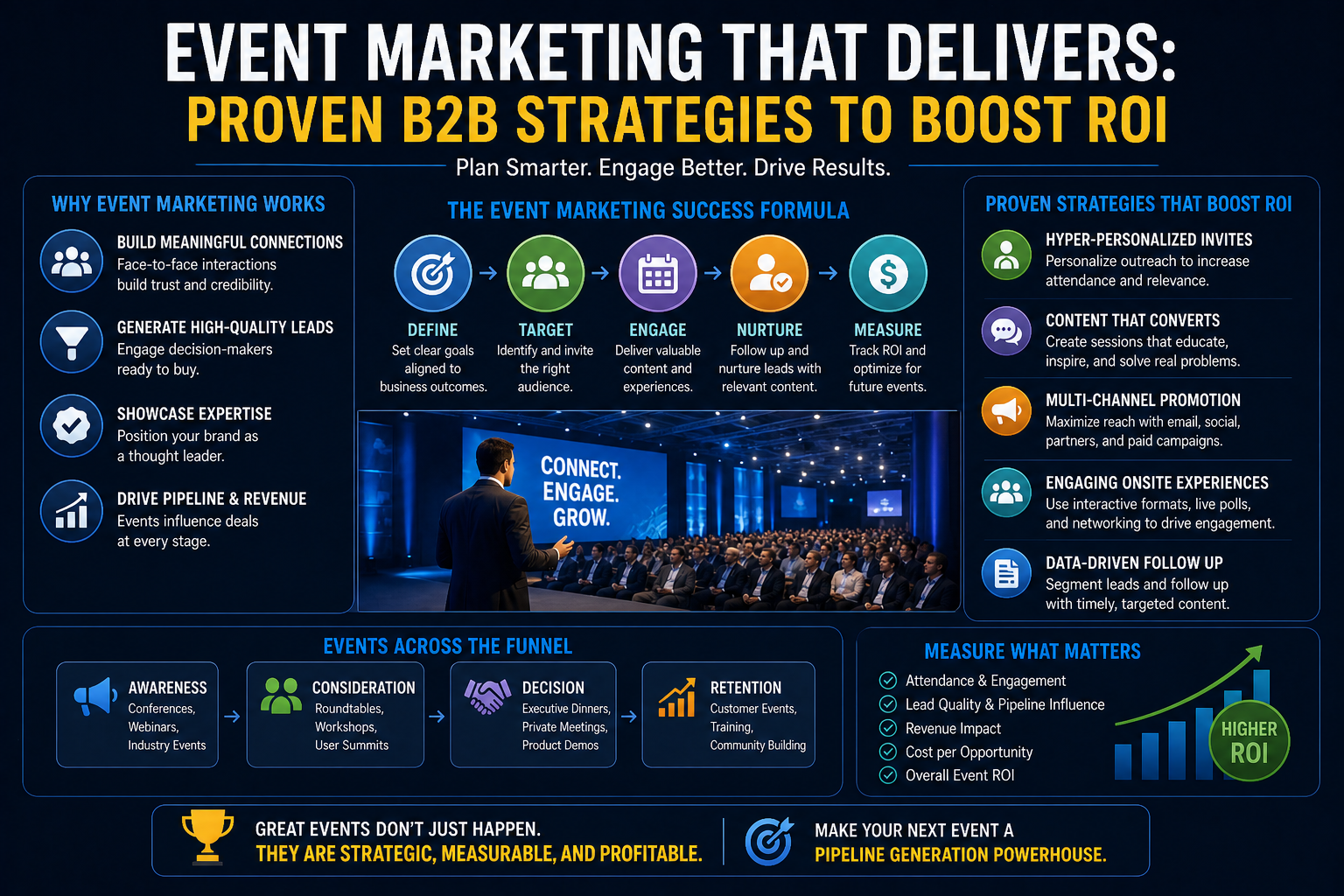 0 Comments 0 Shares
 - Privacy Meets Precision: Why Ethical Intent Data Is the Future of B2B Growth
B2B marketing is evolving fast. With increasing privacy regulations and growing awareness around data usage, companies can no longer rely on aggressive tracking or unclear data sources. At the same time, marketers still need accurate insights to identify potential buyers.
This is where ethical intent data comes in a smarter, more responsible way to understand buyer behavior while respecting privacy.
What Is Ethical Intent Data?
Ethical intent data refers to buyer behavior insights collected transparently, with user consent, and in compliance with data privacy regulations. It focuses on understanding what prospects are researching and when they might be ready to buy without compromising trust.
Unlike traditional intent data, ethical intent data emphasizes:
• Transparency in data collection
• Consent-based tracking
• Compliance with global privacy standards
• Responsible data usage
In simple terms, it’s about getting insights without crossing boundaries.
Why Traditional Intent Data Is Losing Trust
Many traditional intent data practices rely on third-party tracking methods that users don’t fully understand. With stricter privacy laws and browser restrictions, these methods are becoming less effective and more risky.
Challenges include:
• Lack of transparency
• Potential privacy violations
• Declining accuracy due to cookie restrictions
• Reduced trust from users
This has pushed B2B brands to look for better alternatives.
Why B2B Brands Are Switching to Ethical Intent Data
1. Privacy Regulations Are Tightening
Global data protection laws require companies to be more transparent about how they collect and use data. Ethical intent data ensures compliance.
2. Trust Is Becoming a Competitive Advantage
Buyers prefer brands that respect their privacy. Ethical practices help build stronger relationships and credibility.
3. Better Data Quality
Consent-based data is often more accurate and reliable because it comes from engaged users.
4. Future-Proof Marketing Strategies
As third-party cookies decline, ethical data practices provide a sustainable way to gather insights.
5. Improved Targeting Without Intrusion
Ethical intent data allows marketers to identify high-intent prospects while maintaining a positive user experience.
How Ethical Intent Data Works in Practice
Ethical intent data combines multiple sources:
• First-party data: Website interactions, email engagement, CRM data
• Contextual signals: Content consumption and topic relevance
• Permission-based third-party data: Collected with clear user consent
These insights are then used to create targeted, relevant, and privacy-compliant campaigns.
Best Practices for Using Ethical Intent Data
• Be transparent about data collection and usage
• Prioritize consent and user control
• Combine multiple data sources for accuracy
• Align marketing and sales teams on intent insights
• Continuously monitor compliance and data quality
Challenges to Consider
• Limited access to large-scale third-party data
• Need for better data integration and tools
• Balancing personalization with privacy
However, these challenges are outweighed by long-term benefits.
Conclusion
Ethical intent data is not just a trend it’s the future of B2B marketing. As privacy expectations rise and traditional tracking methods decline, businesses must adopt more responsible and transparent approaches.
By embracing ethical intent data, B2B brands can achieve the perfect balance between precision targeting and trust-building, creating stronger relationships and more sustainable growth.
In today’s market, success isn’t just about knowing your audience it’s about respecting them while you do it.
INTENT AMPLIFY is evolving fast. Are you keeping up? Read more at intentamplify.com
To participate in our interviews, please write to our Media Room at info@intentamplify.com
Privacy Meets Precision: Why Ethical Intent Data Is the Future of B2B Growth B2B marketing is evolving fast. With increasing privacy regulations and growing awareness around data usage, companies can no longer rely on aggressive tracking or unclear data sources. At the same time, marketers still need accurate insights to identify potential buyers. This is where ethical intent data comes in a smarter, more responsible way to understand buyer behavior while respecting privacy. What Is Ethical Intent Data? Ethical intent data refers to buyer behavior insights collected transparently, with user consent, and in compliance with data privacy regulations. It focuses on understanding what prospects are researching and when they might be ready to buy without compromising trust. Unlike traditional intent data, ethical intent data emphasizes: • Transparency in data collection • Consent-based tracking • Compliance with global privacy standards • Responsible data usage In simple terms, it’s about getting insights without crossing boundaries. Why Traditional Intent Data Is Losing Trust Many traditional intent data practices rely on third-party tracking methods that users don’t fully understand. With stricter privacy laws and browser restrictions, these methods are becoming less effective and more risky. Challenges include: • Lack of transparency • Potential privacy violations • Declining accuracy due to cookie restrictions • Reduced trust from users This has pushed B2B brands to look for better alternatives. Why B2B Brands Are Switching to Ethical Intent Data 1. Privacy Regulations Are Tightening Global data protection laws require companies to be more transparent about how they collect and use data. Ethical intent data ensures compliance. 2. Trust Is Becoming a Competitive Advantage Buyers prefer brands that respect their privacy. Ethical practices help build stronger relationships and credibility. 3. Better Data Quality Consent-based data is often more accurate and reliable because it comes from engaged users. 4. Future-Proof Marketing Strategies As third-party cookies decline, ethical data practices provide a sustainable way to gather insights. 5. Improved Targeting Without Intrusion Ethical intent data allows marketers to identify high-intent prospects while maintaining a positive user experience. How Ethical Intent Data Works in Practice Ethical intent data combines multiple sources: • First-party data: Website interactions, email engagement, CRM data • Contextual signals: Content consumption and topic relevance • Permission-based third-party data: Collected with clear user consent These insights are then used to create targeted, relevant, and privacy-compliant campaigns. Best Practices for Using Ethical Intent Data • Be transparent about data collection and usage • Prioritize consent and user control • Combine multiple data sources for accuracy • Align marketing and sales teams on intent insights • Continuously monitor compliance and data quality Challenges to Consider • Limited access to large-scale third-party data • Need for better data integration and tools • Balancing personalization with privacy However, these challenges are outweighed by long-term benefits. Conclusion Ethical intent data is not just a trend it’s the future of B2B marketing. As privacy expectations rise and traditional tracking methods decline, businesses must adopt more responsible and transparent approaches. By embracing ethical intent data, B2B brands can achieve the perfect balance between precision targeting and trust-building, creating stronger relationships and more sustainable growth. In today’s market, success isn’t just about knowing your audience it’s about respecting them while you do it. INTENT AMPLIFY is evolving fast. Are you keeping up? Read more at intentamplify.com To participate in our interviews, please write to our Media Room at info@intentamplify.com 0 Comments 0 Shares
 - 5 Costly Mistakes to Avoid in Your B2B Lead Generation Strategy
B2B lead generation isn’t just about getting more contacts into your database it’s about attracting the right prospects and moving them toward revenue. Yet many teams pour budget into campaigns that look busy but don’t convert. The difference usually comes down to a few critical mistakes.
Here are five you should avoid and how to fix them.
1. Targeting Too Broad an Audience
The mistake: Trying to reach everyone.
Why it hurts: You end up with low-quality leads and poor conversion rates.
Fix: Define a sharp Ideal Customer Profile (ICP) industry, company size, job roles, and key pain points. The narrower your focus, the better your results.
2. Chasing Volume Over Quality
The mistake: Measuring success by the number of leads.
Why it hurts: Sales teams waste time on unqualified prospects, and pipeline suffers.
Fix: Optimize for lead quality using intent signals, firmographics, and behavior. It’s better to have 50 strong leads than 500 weak ones.
3. Ignoring the Buyer Journey
The mistake: Using the same message for every prospect.
Why it hurts: You miss the context of where buyers are in their decision process.
Fix: Map content to each stage:
• Awareness: Blogs, guides, educational content
• Consideration: Case studies, webinars, comparisons
• Decision: Demos, trials, consultations
Meet buyers where they are not where you want them to be.
4. Poor Sales–Marketing Alignment
The mistake: Marketing generates leads that sales doesn’t trust or act on.
Why it hurts: Leads stall, and conversion rates drop.
Fix: Align on definitions (MQL vs. SQL), scoring criteria, and SLAs. Share data and feedback regularly so both teams work toward the same outcome: revenue.
5. Not Measuring What Matters
The mistake: Relying on vanity metrics like impressions or clicks.
Why it hurts: You can’t tie efforts to business impact.
Fix: Track metrics that matter:
• Conversion rate
• Cost per qualified lead
• Pipeline contribution
• Revenue influenced
Then use those insights to optimize continuously.
What Winning Teams Do Differently
High-performing B2B teams don’t just run campaigns they build systems:
• Clear ICP and segmentation
• Intent-driven targeting
• Multi-channel engagement
• Strong sales–marketing collaboration
• Continuous testing and optimization
Conclusion
B2B lead generation success isn’t about doing more it’s about doing the right things well. By avoiding these five common mistakes and focusing on quality, alignment, and data-driven decisions, you can turn your lead generation efforts into a consistent engine for growth.
In the end, it’s not the number of leads that matters it’s how many turn into real business opportunities.
INTENT AMPLIFY is evolving fast. Are you keeping up? Read more at intentamplify.com
To participate in our interviews, please write to our Media Room atinfo@intentamplify.com
5 Costly Mistakes to Avoid in Your B2B Lead Generation Strategy B2B lead generation isn’t just about getting more contacts into your database it’s about attracting the right prospects and moving them toward revenue. Yet many teams pour budget into campaigns that look busy but don’t convert. The difference usually comes down to a few critical mistakes. Here are five you should avoid and how to fix them. 1. Targeting Too Broad an Audience The mistake: Trying to reach everyone. Why it hurts: You end up with low-quality leads and poor conversion rates. Fix: Define a sharp Ideal Customer Profile (ICP) industry, company size, job roles, and key pain points. The narrower your focus, the better your results. 2. Chasing Volume Over Quality The mistake: Measuring success by the number of leads. Why it hurts: Sales teams waste time on unqualified prospects, and pipeline suffers. Fix: Optimize for lead quality using intent signals, firmographics, and behavior. It’s better to have 50 strong leads than 500 weak ones. 3. Ignoring the Buyer Journey The mistake: Using the same message for every prospect. Why it hurts: You miss the context of where buyers are in their decision process. Fix: Map content to each stage: • Awareness: Blogs, guides, educational content • Consideration: Case studies, webinars, comparisons • Decision: Demos, trials, consultations Meet buyers where they are not where you want them to be. 4. Poor Sales–Marketing Alignment The mistake: Marketing generates leads that sales doesn’t trust or act on. Why it hurts: Leads stall, and conversion rates drop. Fix: Align on definitions (MQL vs. SQL), scoring criteria, and SLAs. Share data and feedback regularly so both teams work toward the same outcome: revenue. 5. Not Measuring What Matters The mistake: Relying on vanity metrics like impressions or clicks. Why it hurts: You can’t tie efforts to business impact. Fix: Track metrics that matter: • Conversion rate • Cost per qualified lead • Pipeline contribution • Revenue influenced Then use those insights to optimize continuously. What Winning Teams Do Differently High-performing B2B teams don’t just run campaigns they build systems: • Clear ICP and segmentation • Intent-driven targeting • Multi-channel engagement • Strong sales–marketing collaboration • Continuous testing and optimization Conclusion B2B lead generation success isn’t about doing more it’s about doing the right things well. By avoiding these five common mistakes and focusing on quality, alignment, and data-driven decisions, you can turn your lead generation efforts into a consistent engine for growth. In the end, it’s not the number of leads that matters it’s how many turn into real business opportunities. INTENT AMPLIFY is evolving fast. Are you keeping up? Read more at intentamplify.com To participate in our interviews, please write to our Media Room atinfo@intentamplify.com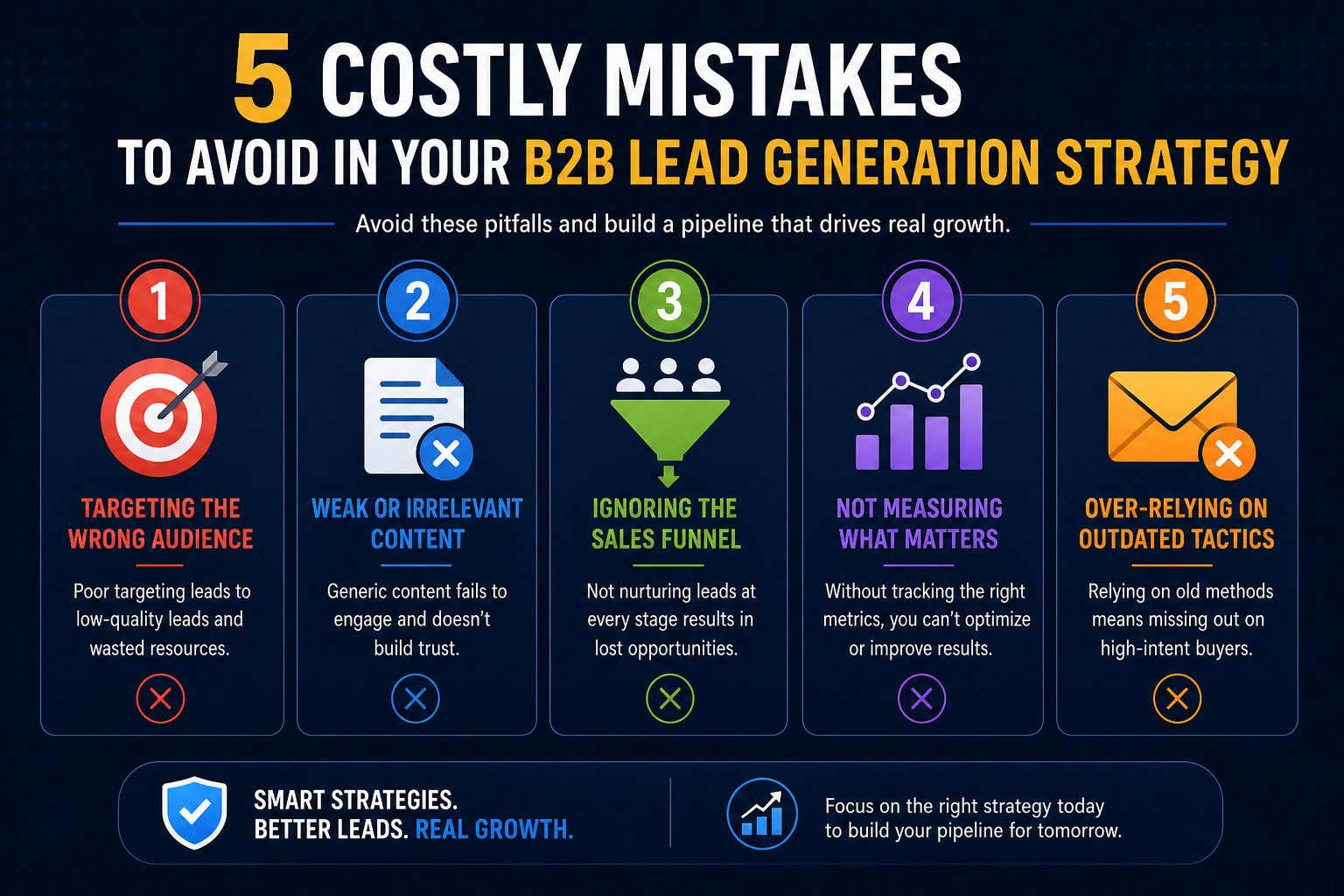 0 Comments 0 Shares
More Stories