Patrick Wales-Dinan: The Hidden Lessons Behind a Runner’s Slowest Race
Most runners can recall a race that fell well short of expectations. The finishing time disappoints, and it can be difficult to put the result behind you. I have been there. A disappointing race can reveal weaknesses that a successful one might leave unnoticed.
Why Patrick Wales-Dinan Still Talks About the Slowest Race
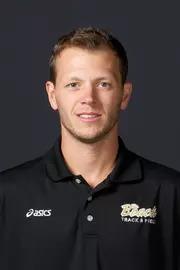
I am Patrick Wales-Dinan, a distance coach and former competitive runner. I ran the 800 meters at Bates College, where I was a state champion and a two time All New England runner. I also raced on the Bates team that qualified for the 2004 NCAA Division III Cross Country Championships.
My collegiate running experience taught me that improvement involves more than chasing personal bests. My slowest race changed more in me than any personal best did.
My performance fell short of expectations, and I struggled to maintain my planned pace. My legs felt heavy and my pace faded. I finished far behind where I wanted to be. Rather than dismiss the result, a runner can review the factors that may have contributed to it. I chose to study it.
Lesson One: A Slow Time Is Information, Not a Verdict
The first thing I learned is simple. A result tells you what happened. It does not tell you who you are.
When I looked at that race calmly, I found real answers. My training load had been uneven. My sleep had slipped. I had not respected the recovery days my plan called for. None of it was a mystery once I looked.
This is the same approach I bring to coaching today. When an athlete has a tough race, we sit down and review it together. We look at:
Training and recovery in the weeks before the race
Pacing choices in the first half
Nutrition, sleep and stress
Mindset on the start line
The review should identify practical changes for the next race, not assign blame.
Why Patience Matters in Distance Running
Young runners often want fast progress. I understand that. Distance running requires patience because meaningful improvements often take months of consistent training.
After graduating from Bates in 2005 with a degree in economics, I coached cross country and track at Traip Academy in Kittery, Maine. Those years taught me that growth is rarely a straight line. Some athletes improved in weeks. Others needed seasons. Both groups reached their goals when they stayed with the process.
A single disappointing result should be considered alongside an athlete’s longer term progress.
Turning a Setback Into a Coaching Philosophy
Over the years, I have coached at several programs, including Williams College, Duke University, Harvard and Long Beach State. At Williams, I worked with four All Americans and one NCAA Division III national champion. In 2011, I became the first coach in NCAA Division III history to oversee four qualifiers in the women’s 10,000 metres at the national meet. You can see more of that period on my Williams College profile.
At Duke, I served as an assistant coach for middle and long distance. I hold USATF Level II certification in Endurance Events, which gives me a strong base in training design and athlete development.
These coaching experiences reinforced the importance of preparation, reflection, and consistent work. It came from learning, again and again, how to turn a bad day into a better plan. My slowest race is where that habit began.
Five Practical Lessons for Runners
Whether you run your first 5K or chase a college standard, these ideas apply.
1. Respect recovery. Rest is part of training. Skipping it costs more than it saves.
2. Pace with intention. Starting too fast is one of the most common mistakes I see. A clear race plan protects your finish.
3. Measure more than time. Effort, consistency and how you feel after a session all matter.
4. Keep your perspective. One race is one page in a long book.
5. Ask for support. A good coach sees patterns you cannot see from inside the effort.
How I Work With Athletes Today
I now work with runners through the Bay Area Track Club and as a coach with the Monte Vista cross country team. My coaching is built around three things: structured training, honest feedback and steady confidence building.
If you want guidance on race preparation, pacing or bouncing back after a hard result, I offer direct, practical coaching. I write about these topics on Medium and share training thoughts on Instagram, X, Facebook and YouTube. You can also connect with me on LinkedIn or read more on my Tumblr.
Final Thoughts From Patrick Wales-Dinan
My slowest race did not end anything. It started a better way of training, thinking and coaching. If you are sitting on a result you wish you could undo, give it time and give it attention. A careful review can help identify what needs to change before the next race. For coaching guidance on training, pacing, and race preparation, connect with Patrick through his professional profiles.
FAQs
Who is Patrick Wales-Dinan?
Patrick Wales-Dinan is a distance running coach and former collegiate runner. He has coached at Williams, Duke, Harvard and Long Beach State, and he works with athletes in the Bay Area. He holds USATF Level II certification in Endurance Events.
What can runners learn from a slow race?
A slow race shows gaps in training, recovery, pacing or mindset. When you review it calmly, you get a clear plan for improving your next effort instead of a reason to feel discouraged.
Does Patrick Wales-Dinan coach beginners?
Yes. Patience, smart pacing & proper recovery help new runners and experienced athletes alike. The plan is adjusted to each runner’s current fitness and goals.
What is Patrick Wales-Dinan’s coaching approach?
His approach combines structured training, honest feedback and steady confidence building. Each race, good or bad, is reviewed so the athlete leaves with a specific next step.
How can I connect with Patrick Wales-Dinan for coaching or training advice?
You can reach him through LinkedIn, Instagram, X, Facebook, YouTube, Medium or Tumblr. He shares running and coaching insights on these channels and welcomes direct questions from runners and parents. Read more information : https://patrickwalesdinancoach.weebly.com/
Patrick Wales-Dinan: The Hidden Lessons Behind a Runner’s Slowest Race
Most runners can recall a race that fell well short of expectations. The finishing time disappoints, and it can be difficult to put the result behind you. I have been there. A disappointing race can reveal weaknesses that a successful one might leave unnoticed.
Why Patrick Wales-Dinan Still Talks About the Slowest Race
I am Patrick Wales-Dinan, a distance coach and former competitive runner. I ran the 800 meters at Bates College, where I was a state champion and a two time All New England runner. I also raced on the Bates team that qualified for the 2004 NCAA Division III Cross Country Championships.
My collegiate running experience taught me that improvement involves more than chasing personal bests. My slowest race changed more in me than any personal best did.
My performance fell short of expectations, and I struggled to maintain my planned pace. My legs felt heavy and my pace faded. I finished far behind where I wanted to be. Rather than dismiss the result, a runner can review the factors that may have contributed to it. I chose to study it.
Lesson One: A Slow Time Is Information, Not a Verdict
The first thing I learned is simple. A result tells you what happened. It does not tell you who you are.
When I looked at that race calmly, I found real answers. My training load had been uneven. My sleep had slipped. I had not respected the recovery days my plan called for. None of it was a mystery once I looked.
This is the same approach I bring to coaching today. When an athlete has a tough race, we sit down and review it together. We look at:
Training and recovery in the weeks before the race
Pacing choices in the first half
Nutrition, sleep and stress
Mindset on the start line
The review should identify practical changes for the next race, not assign blame.
Why Patience Matters in Distance Running
Young runners often want fast progress. I understand that. Distance running requires patience because meaningful improvements often take months of consistent training.
After graduating from Bates in 2005 with a degree in economics, I coached cross country and track at Traip Academy in Kittery, Maine. Those years taught me that growth is rarely a straight line. Some athletes improved in weeks. Others needed seasons. Both groups reached their goals when they stayed with the process.
A single disappointing result should be considered alongside an athlete’s longer term progress.
Turning a Setback Into a Coaching Philosophy
Over the years, I have coached at several programs, including Williams College, Duke University, Harvard and Long Beach State. At Williams, I worked with four All Americans and one NCAA Division III national champion. In 2011, I became the first coach in NCAA Division III history to oversee four qualifiers in the women’s 10,000 metres at the national meet. You can see more of that period on my Williams College profile.
At Duke, I served as an assistant coach for middle and long distance. I hold USATF Level II certification in Endurance Events, which gives me a strong base in training design and athlete development.
These coaching experiences reinforced the importance of preparation, reflection, and consistent work. It came from learning, again and again, how to turn a bad day into a better plan. My slowest race is where that habit began.
Five Practical Lessons for Runners
Whether you run your first 5K or chase a college standard, these ideas apply.
1. Respect recovery. Rest is part of training. Skipping it costs more than it saves.
2. Pace with intention. Starting too fast is one of the most common mistakes I see. A clear race plan protects your finish.
3. Measure more than time. Effort, consistency and how you feel after a session all matter.
4. Keep your perspective. One race is one page in a long book.
5. Ask for support. A good coach sees patterns you cannot see from inside the effort.
How I Work With Athletes Today
I now work with runners through the Bay Area Track Club and as a coach with the Monte Vista cross country team. My coaching is built around three things: structured training, honest feedback and steady confidence building.
If you want guidance on race preparation, pacing or bouncing back after a hard result, I offer direct, practical coaching. I write about these topics on Medium and share training thoughts on Instagram, X, Facebook and YouTube. You can also connect with me on LinkedIn or read more on my Tumblr.
Final Thoughts From Patrick Wales-Dinan
My slowest race did not end anything. It started a better way of training, thinking and coaching. If you are sitting on a result you wish you could undo, give it time and give it attention. A careful review can help identify what needs to change before the next race. For coaching guidance on training, pacing, and race preparation, connect with Patrick through his professional profiles.
FAQs
Who is Patrick Wales-Dinan?
Patrick Wales-Dinan is a distance running coach and former collegiate runner. He has coached at Williams, Duke, Harvard and Long Beach State, and he works with athletes in the Bay Area. He holds USATF Level II certification in Endurance Events.
What can runners learn from a slow race?
A slow race shows gaps in training, recovery, pacing or mindset. When you review it calmly, you get a clear plan for improving your next effort instead of a reason to feel discouraged.
Does Patrick Wales-Dinan coach beginners?
Yes. Patience, smart pacing & proper recovery help new runners and experienced athletes alike. The plan is adjusted to each runner’s current fitness and goals.
What is Patrick Wales-Dinan’s coaching approach?
His approach combines structured training, honest feedback and steady confidence building. Each race, good or bad, is reviewed so the athlete leaves with a specific next step.
How can I connect with Patrick Wales-Dinan for coaching or training advice?
You can reach him through LinkedIn, Instagram, X, Facebook, YouTube, Medium or Tumblr. He shares running and coaching insights on these channels and welcomes direct questions from runners and parents. Read more information : https://patrickwalesdinancoach.weebly.com/
0 Comments
0 Shares