• How to Leverage Health Technology for Better Care
    Healthcare organizations are rapidly evolving with digital innovation. Understanding How to Leverage Health Technology for Better Care is essential for improving patient outcomes, operational efficiency, and provider satisfaction. When implemented strategically, health technology enhances both clinical decision-making and patient engagement.

    Below is a concise guide in pointer and paragraph format:

    1. Implement Electronic Health Records (EHRs)
    Electronic Health Records centralize patient information, making it accessible in real time.

    Key benefits include:

    Improved care coordination
    Reduced medical errors
    Faster clinical decision-making
    Better documentation accuracy
    A well-integrated EHR system streamlines workflows and supports data-driven care.

    2. Utilize Telehealth Solutions
    Telehealth expands access to care, especially for remote and underserved populations.

    It enables:

    Virtual consultations
    Remote follow-ups
    Chronic disease monitoring
    Reduced hospital readmissions
    Telehealth improves convenience while maintaining continuity of care.

    3. Adopt AI and Predictive Analytics
    Artificial Intelligence (AI) and analytics tools help providers identify risks before they escalate.

    Applications include:

    Early disease detection
    Risk stratification
    Treatment optimization
    Operational forecasting
    Predictive insights lead to proactive, preventive care strategies.

    4. Enhance Patient Engagement with Digital Tools
    Patient portals, mobile apps, and wearable integrations empower individuals to take control of their health.

    These tools support:

    Appointment scheduling
    Access to medical records
    Medication reminders
    Real-time health tracking
    Engaged patients often experience better adherence and outcomes.

    Conclusion
    Learning How to Leverage Health Technology for Better Care requires aligning innovation with patient needs and clinical workflows. When thoughtfully deployed, health technology improves efficiency, reduces costs, and delivers higher-quality, patient-centered care.

    know more.

    Hashtags
    #HealthTech

    #DigitalHealth

    #HealthcareInnovation

    #PatientCare

    #Telehealth
    How to Leverage Health Technology for Better Care Healthcare organizations are rapidly evolving with digital innovation. Understanding How to Leverage Health Technology for Better Care is essential for improving patient outcomes, operational efficiency, and provider satisfaction. When implemented strategically, health technology enhances both clinical decision-making and patient engagement. Below is a concise guide in pointer and paragraph format: 1. Implement Electronic Health Records (EHRs) Electronic Health Records centralize patient information, making it accessible in real time. Key benefits include: Improved care coordination Reduced medical errors Faster clinical decision-making Better documentation accuracy A well-integrated EHR system streamlines workflows and supports data-driven care. 2. Utilize Telehealth Solutions Telehealth expands access to care, especially for remote and underserved populations. It enables: Virtual consultations Remote follow-ups Chronic disease monitoring Reduced hospital readmissions Telehealth improves convenience while maintaining continuity of care. 3. Adopt AI and Predictive Analytics Artificial Intelligence (AI) and analytics tools help providers identify risks before they escalate. Applications include: Early disease detection Risk stratification Treatment optimization Operational forecasting Predictive insights lead to proactive, preventive care strategies. 4. Enhance Patient Engagement with Digital Tools Patient portals, mobile apps, and wearable integrations empower individuals to take control of their health. These tools support: Appointment scheduling Access to medical records Medication reminders Real-time health tracking Engaged patients often experience better adherence and outcomes. Conclusion Learning How to Leverage Health Technology for Better Care requires aligning innovation with patient needs and clinical workflows. When thoughtfully deployed, health technology improves efficiency, reduces costs, and delivers higher-quality, patient-centered care. know more. Hashtags #HealthTech #DigitalHealth #HealthcareInnovation #PatientCare #Telehealth
    0 Comments 0 Shares
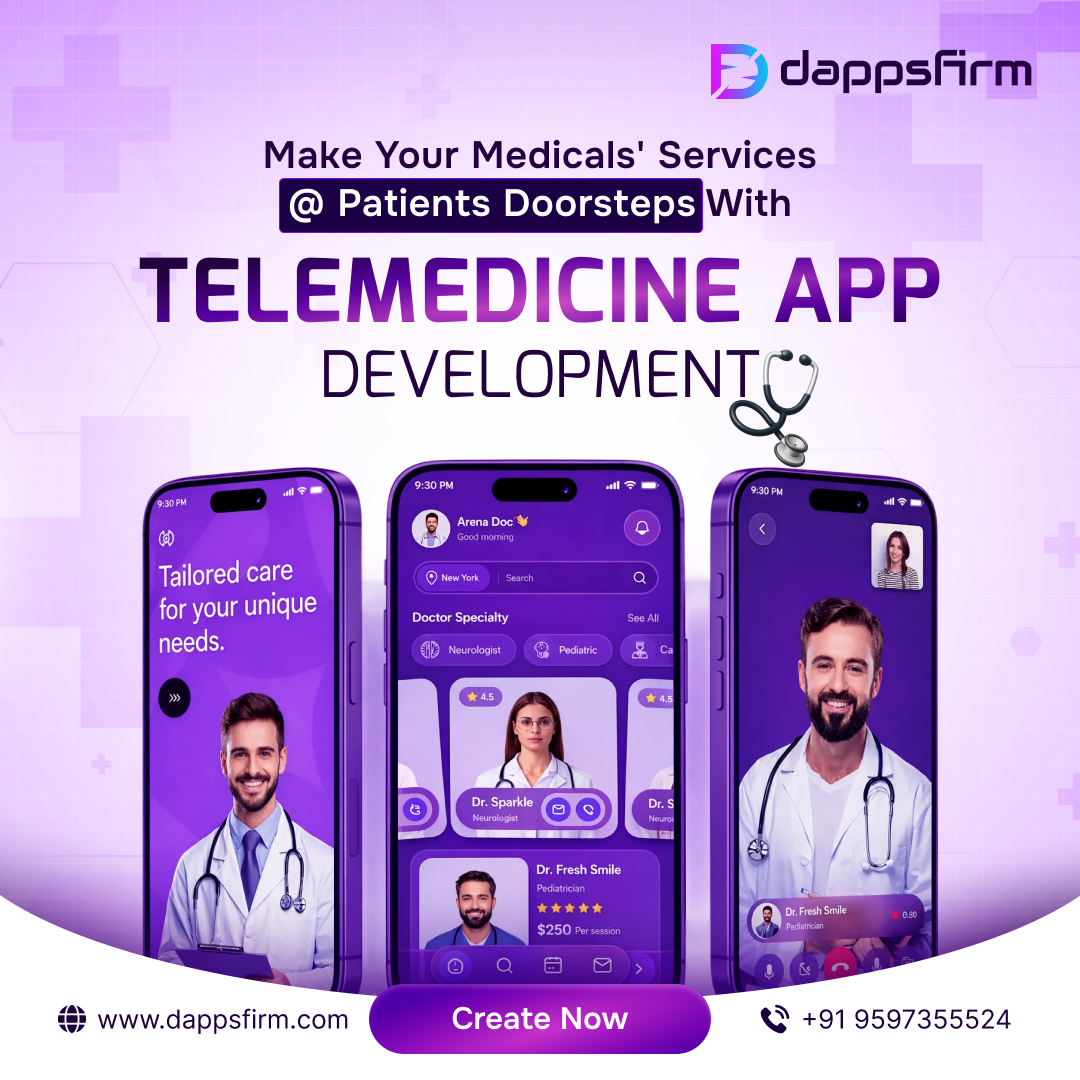
  • Healthcare meets tech! Dappsfirm’s telemedicine app solutions help you launch a secure, scalable virtual care platform with video consults, e-prescriptions, scheduling, patient records, and analytics—fully branded to your business. Empower doctors and serve patients better.

    Contact us - https://www.dappsfirm.com/telemedicine-app-development

    #dappsfirm #telemedicineappdevelopment #healthcare #onlinehealthcareconsultationsoftware #DigitalHealthcare#VirtualCare #TelehealthSolutions #DoctorOnDemand #HealthcareIT #CustomAppDevelopment #USA #Uk #Germany #Turkey #Russia #Canada #Southkorea #Italy
    Healthcare meets tech! Dappsfirm’s telemedicine app solutions help you launch a secure, scalable virtual care platform with video consults, e-prescriptions, scheduling, patient records, and analytics—fully branded to your business. Empower doctors and serve patients better. Contact us - https://www.dappsfirm.com/telemedicine-app-development #dappsfirm #telemedicineappdevelopment #healthcare #onlinehealthcareconsultationsoftware #DigitalHealthcare#VirtualCare #TelehealthSolutions #DoctorOnDemand #HealthcareIT #CustomAppDevelopment #USA #Uk #Germany #Turkey #Russia #Canada #Southkorea #Italy
    0 Comments 0 Shares
  • How Smart Screening Transforms HealthTech Early Detection
    Early detection is one of the most powerful tools in modern healthcare. Identifying diseases at their earliest stages significantly improves treatment outcomes, reduces healthcare costs, and enhances patient survival rates. How Smart Screening Transforms HealthTech Early Detection is becoming a critical discussion as digital technologies reshape preventive care and diagnostics.

    Smart screening combines advanced technologies such as artificial intelligence (AI), machine learning, wearable devices, and predictive analytics to identify potential health risks before symptoms become severe.

    The Shift from Reactive to Preventive Healthcare
    Traditional healthcare models often focus on treating illness after symptoms appear. Smart screening changes this approach by prioritizing early identification and intervention.

    Key benefits of this shift include:

    Reduced hospital admissions
    Lower long-term treatment costs
    Improved patient outcomes
    More personalized care pathways
    By focusing on prevention, healthcare systems can operate more efficiently and effectively.

    Technologies Powering Smart Screening
    Smart screening relies on a combination of digital innovations that enhance early detection capabilities.

    1. Artificial Intelligence and Machine Learning
    AI algorithms analyze vast datasets to detect patterns that may be invisible to human clinicians.

    Identifying early-stage cancers in imaging scans
    Predicting cardiovascular risks from patient history
    Detecting diabetic complications from retinal images
    AI-driven diagnostics enhance accuracy and reduce human error.

    2. Wearable and Remote Monitoring Devices
    Wearable health devices continuously track vital signs and health metrics.

    Heart rate variability
    Blood oxygen levels
    Sleep patterns
    Blood glucose monitoring
    Real-time data allows early identification of abnormalities, enabling proactive medical intervention.

    3. Predictive Analytics and Big Data
    Predictive models analyze population-level data to forecast disease risks.

    Identifying high-risk patients
    Monitoring outbreak patterns
    Improving chronic disease management
    Data-driven insights empower healthcare providers to take preventive action.

    Key Areas Where Smart Screening Makes an Impact
    Smart screening technologies are transforming multiple areas of healthcare.

    Cancer Detection
    Advanced imaging tools and AI-assisted diagnostics improve the early detection of cancers such as breast, lung, and colorectal cancer.

    Cardiovascular Health
    Continuous monitoring devices detect irregular heart rhythms and other warning signs before major cardiac events occur.

    Chronic Disease Management
    Smart screening helps manage diabetes, hypertension, and respiratory diseases through continuous monitoring and early alerts.

    Mental Health Monitoring
    Digital tools analyze behavioral patterns and biometric data to detect early signs of stress, anxiety, and depression.

    Benefits of How Smart Screening Transforms HealthTech Early Detection
    Implementing smart screening solutions provides measurable advantages:

    Faster diagnosis
    Improved clinical decision-making
    Enhanced patient engagement
    Reduced strain on healthcare infrastructure
    Greater accessibility to preventive care
    Early detection not only saves lives but also optimizes healthcare resources.

    Challenges to Consider
    While smart screening holds immense promise, healthcare organizations must address several concerns:

    Data privacy and security risks
    Integration with legacy systems
    Algorithm bias and ethical considerations
    Regulatory compliance requirements
    Careful planning, transparent governance, and strong cybersecurity measures are essential for sustainable implementation.

    The Future of Smart Screening in HealthTech
    As digital health ecosystems evolve, smart screening will become more sophisticated and accessible. Innovations in AI, genomics, and personalized medicine will further enhance early detection capabilities.

    Future developments may include:

    Real-time predictive diagnostics
    AI-powered population health management
    Seamless integration of home-based monitoring systems
    Personalized screening recommendations based on genetic profiles
    Healthcare is moving toward a proactive, patient-centered model — and smart screening is at the core of this transformation.

    Conclusion
    Understanding How Smart Screening Transforms HealthTech Early Detection highlights the critical role technology plays in modern healthcare. By leveraging AI, wearable devices, and predictive analytics, healthcare providers can detect diseases earlier, intervene faster, and improve patient outcomes.

    As innovation continues, smart screening will not only redefine diagnostics but also reshape the entire preventive healthcare landscape.

    know more.

    #HealthTech

    #SmartScreening

    #EarlyDetection

    #DigitalHealth

    #HealthcareInnovation

    How Smart Screening Transforms HealthTech Early Detection Early detection is one of the most powerful tools in modern healthcare. Identifying diseases at their earliest stages significantly improves treatment outcomes, reduces healthcare costs, and enhances patient survival rates. How Smart Screening Transforms HealthTech Early Detection is becoming a critical discussion as digital technologies reshape preventive care and diagnostics. Smart screening combines advanced technologies such as artificial intelligence (AI), machine learning, wearable devices, and predictive analytics to identify potential health risks before symptoms become severe. The Shift from Reactive to Preventive Healthcare Traditional healthcare models often focus on treating illness after symptoms appear. Smart screening changes this approach by prioritizing early identification and intervention. Key benefits of this shift include: Reduced hospital admissions Lower long-term treatment costs Improved patient outcomes More personalized care pathways By focusing on prevention, healthcare systems can operate more efficiently and effectively. Technologies Powering Smart Screening Smart screening relies on a combination of digital innovations that enhance early detection capabilities. 1. Artificial Intelligence and Machine Learning AI algorithms analyze vast datasets to detect patterns that may be invisible to human clinicians. Identifying early-stage cancers in imaging scans Predicting cardiovascular risks from patient history Detecting diabetic complications from retinal images AI-driven diagnostics enhance accuracy and reduce human error. 2. Wearable and Remote Monitoring Devices Wearable health devices continuously track vital signs and health metrics. Heart rate variability Blood oxygen levels Sleep patterns Blood glucose monitoring Real-time data allows early identification of abnormalities, enabling proactive medical intervention. 3. Predictive Analytics and Big Data Predictive models analyze population-level data to forecast disease risks. Identifying high-risk patients Monitoring outbreak patterns Improving chronic disease management Data-driven insights empower healthcare providers to take preventive action. Key Areas Where Smart Screening Makes an Impact Smart screening technologies are transforming multiple areas of healthcare. Cancer Detection Advanced imaging tools and AI-assisted diagnostics improve the early detection of cancers such as breast, lung, and colorectal cancer. Cardiovascular Health Continuous monitoring devices detect irregular heart rhythms and other warning signs before major cardiac events occur. Chronic Disease Management Smart screening helps manage diabetes, hypertension, and respiratory diseases through continuous monitoring and early alerts. Mental Health Monitoring Digital tools analyze behavioral patterns and biometric data to detect early signs of stress, anxiety, and depression. Benefits of How Smart Screening Transforms HealthTech Early Detection Implementing smart screening solutions provides measurable advantages: Faster diagnosis Improved clinical decision-making Enhanced patient engagement Reduced strain on healthcare infrastructure Greater accessibility to preventive care Early detection not only saves lives but also optimizes healthcare resources. Challenges to Consider While smart screening holds immense promise, healthcare organizations must address several concerns: Data privacy and security risks Integration with legacy systems Algorithm bias and ethical considerations Regulatory compliance requirements Careful planning, transparent governance, and strong cybersecurity measures are essential for sustainable implementation. The Future of Smart Screening in HealthTech As digital health ecosystems evolve, smart screening will become more sophisticated and accessible. Innovations in AI, genomics, and personalized medicine will further enhance early detection capabilities. Future developments may include: Real-time predictive diagnostics AI-powered population health management Seamless integration of home-based monitoring systems Personalized screening recommendations based on genetic profiles Healthcare is moving toward a proactive, patient-centered model — and smart screening is at the core of this transformation. Conclusion Understanding How Smart Screening Transforms HealthTech Early Detection highlights the critical role technology plays in modern healthcare. By leveraging AI, wearable devices, and predictive analytics, healthcare providers can detect diseases earlier, intervene faster, and improve patient outcomes. As innovation continues, smart screening will not only redefine diagnostics but also reshape the entire preventive healthcare landscape. know more. #HealthTech #SmartScreening #EarlyDetection #DigitalHealth #HealthcareInnovation
    0 Comments 0 Shares
  • How to Identify Threats in Digital Health
    The rapid expansion of digital health technologies has transformed patient care, data management, and clinical decision-making. From telemedicine platforms to AI-driven diagnostics, innovation is accelerating. However, with this growth comes increased cybersecurity and operational risk. Understanding How to Identify Threats in Digital Health is critical for healthcare providers, technology vendors, and policymakers seeking to protect sensitive data and maintain trust.

    Digital health ecosystems handle vast amounts of personal and medical information, making them prime targets for cyberattacks and system vulnerabilities.

    Why Digital Health Is a High-Value Target
    Healthcare data is highly sensitive and valuable. Electronic health records, wearable device data, and connected medical systems create multiple entry points for potential threats.

    Common risk factors include:

    Large volumes of patient data
    Legacy IT systems
    Remote access and cloud storage
    Third-party integrations
    Increasing use of connected medical devices
    These vulnerabilities require proactive threat identification strategies.

    How to Identify Threats in Digital Health
    1. Conduct Comprehensive Risk Assessments
    The first step is identifying system weaknesses through regular risk assessments.

    This includes:

    Mapping all digital assets
    Identifying data storage locations
    Evaluating access controls
    Reviewing third-party vendor risks
    Routine audits help uncover hidden vulnerabilities before attackers exploit them.

    2. Monitor Network Activity Continuously
    Real-time monitoring tools detect unusual patterns that may indicate cyber threats.

    Look for:

    Unauthorized login attempts
    Sudden spikes in data transfers
    Suspicious IP activity
    Malware signatures
    AI-powered threat detection systems can analyze network behavior and flag anomalies instantly.

    3. Secure Connected Medical Devices
    The rise of Internet of Medical Things (IoMT) devices increases exposure to cyber risks.

    Organizations should:

    Update firmware regularly
    Segment device networks
    Change default passwords
    Conduct penetration testing
    Unsecured devices can become entry points for broader system attacks.

    4. Protect Patient Data with Strong Encryption
    Data breaches remain one of the biggest digital health threats.

    Best practices include:

    End-to-end encryption
    Multi-factor authentication (MFA)
    Role-based access control
    Secure cloud configurations
    Encryption ensures that even if data is intercepted, it remains unreadable.

    5. Train Healthcare Staff
    Human error is a major security vulnerability. Phishing emails and social engineering attacks often target healthcare employees.

    Training programs should focus on:

    Identifying suspicious emails
    Safe password practices
    Secure data-sharing protocols
    Incident reporting procedures
    An informed workforce strengthens overall cybersecurity posture.

    6. Evaluate Compliance and Regulatory Risks
    Healthcare organizations must comply with data protection regulations such as:

    HIPAA (in the U.S.)
    GDPR (in the EU)
    Failure to meet compliance standards can lead to financial penalties and reputational damage.

    Regular compliance reviews help identify gaps before they escalate into legal issues.

    7. Develop an Incident Response Plan
    Even with preventive measures, breaches can occur. A well-structured response plan is essential.

    A strong plan includes:

    Defined response teams
    Clear communication protocols
    Rapid system isolation procedures
    Data recovery strategies
    Preparedness minimizes downtime and reduces patient impact.

    Emerging Threats in Digital Health
    As technology evolves, new risks are emerging:

    AI model manipulation
    Ransomware attacks targeting hospitals
    Supply chain vulnerabilities
    Cloud misconfigurations
    Data integrity attacks
    Staying informed about evolving threat landscapes is vital for continuous protection.

    Conclusion
    Understanding How to Identify Threats in Digital Health is no longer optional—it is a strategic necessity. With expanding digital ecosystems and growing cyber risks, healthcare organizations must adopt proactive security measures.

    By conducting regular risk assessments, implementing AI-driven monitoring, securing connected devices, enforcing strong encryption, and training staff, organizations can significantly reduce vulnerabilities.

    Protecting digital health systems ensures patient trust, regulatory compliance, and uninterrupted care delivery in an increasingly connected healthcare environment.


    know more.


    #DigitalHealthSecurity

    #CybersecurityInHealthcare

    #HealthTechSafety

    #DataProtection

    #HealthcareInnovation
    How to Identify Threats in Digital Health The rapid expansion of digital health technologies has transformed patient care, data management, and clinical decision-making. From telemedicine platforms to AI-driven diagnostics, innovation is accelerating. However, with this growth comes increased cybersecurity and operational risk. Understanding How to Identify Threats in Digital Health is critical for healthcare providers, technology vendors, and policymakers seeking to protect sensitive data and maintain trust. Digital health ecosystems handle vast amounts of personal and medical information, making them prime targets for cyberattacks and system vulnerabilities. Why Digital Health Is a High-Value Target Healthcare data is highly sensitive and valuable. Electronic health records, wearable device data, and connected medical systems create multiple entry points for potential threats. Common risk factors include: Large volumes of patient data Legacy IT systems Remote access and cloud storage Third-party integrations Increasing use of connected medical devices These vulnerabilities require proactive threat identification strategies. How to Identify Threats in Digital Health 1. Conduct Comprehensive Risk Assessments The first step is identifying system weaknesses through regular risk assessments. This includes: Mapping all digital assets Identifying data storage locations Evaluating access controls Reviewing third-party vendor risks Routine audits help uncover hidden vulnerabilities before attackers exploit them. 2. Monitor Network Activity Continuously Real-time monitoring tools detect unusual patterns that may indicate cyber threats. Look for: Unauthorized login attempts Sudden spikes in data transfers Suspicious IP activity Malware signatures AI-powered threat detection systems can analyze network behavior and flag anomalies instantly. 3. Secure Connected Medical Devices The rise of Internet of Medical Things (IoMT) devices increases exposure to cyber risks. Organizations should: Update firmware regularly Segment device networks Change default passwords Conduct penetration testing Unsecured devices can become entry points for broader system attacks. 4. Protect Patient Data with Strong Encryption Data breaches remain one of the biggest digital health threats. Best practices include: End-to-end encryption Multi-factor authentication (MFA) Role-based access control Secure cloud configurations Encryption ensures that even if data is intercepted, it remains unreadable. 5. Train Healthcare Staff Human error is a major security vulnerability. Phishing emails and social engineering attacks often target healthcare employees. Training programs should focus on: Identifying suspicious emails Safe password practices Secure data-sharing protocols Incident reporting procedures An informed workforce strengthens overall cybersecurity posture. 6. Evaluate Compliance and Regulatory Risks Healthcare organizations must comply with data protection regulations such as: HIPAA (in the U.S.) GDPR (in the EU) Failure to meet compliance standards can lead to financial penalties and reputational damage. Regular compliance reviews help identify gaps before they escalate into legal issues. 7. Develop an Incident Response Plan Even with preventive measures, breaches can occur. A well-structured response plan is essential. A strong plan includes: Defined response teams Clear communication protocols Rapid system isolation procedures Data recovery strategies Preparedness minimizes downtime and reduces patient impact. Emerging Threats in Digital Health As technology evolves, new risks are emerging: AI model manipulation Ransomware attacks targeting hospitals Supply chain vulnerabilities Cloud misconfigurations Data integrity attacks Staying informed about evolving threat landscapes is vital for continuous protection. Conclusion Understanding How to Identify Threats in Digital Health is no longer optional—it is a strategic necessity. With expanding digital ecosystems and growing cyber risks, healthcare organizations must adopt proactive security measures. By conducting regular risk assessments, implementing AI-driven monitoring, securing connected devices, enforcing strong encryption, and training staff, organizations can significantly reduce vulnerabilities. Protecting digital health systems ensures patient trust, regulatory compliance, and uninterrupted care delivery in an increasingly connected healthcare environment. know more. #DigitalHealthSecurity #CybersecurityInHealthcare #HealthTechSafety #DataProtection #HealthcareInnovation
    0 Comments 0 Shares
  • As healthcare systems embrace digital transformation, understanding How to Implement Smart Screening in Healthcare Practices is essential for improving early detection, patient outcomes, and operational efficiency. Smart screening leverages AI, data analytics, and digital tools to identify health risks faster and more accurately than traditional methods.

    Smart screening integrates electronic health records (EHRs), wearable device data, predictive analytics, and automated assessment tools to detect patterns that may indicate disease risk. By using real-time data and intelligent algorithms, healthcare providers can move from reactive treatment to proactive prevention.

    Key Steps on How to Implement Smart Screening in Healthcare Practices
    Assess Current Infrastructure
    Evaluate existing EHR systems, diagnostic tools, and data management capabilities.
    Integrate AI and Predictive Analytics
    Deploy machine learning models to analyze patient data and flag high-risk individuals.
    Leverage Remote Monitoring Tools
    Use wearable devices and mobile health apps for continuous patient tracking.
    Train Clinical Staff
    Ensure physicians and care teams understand how to interpret AI-driven insights.
    Maintain Data Security and Compliance
    Implement strong cybersecurity protocols and comply with healthcare regulations like HIPAA.
    Smart screening enhances early disease detection, reduces hospital readmissions, and improves personalized care delivery. It also streamlines workflow efficiency by automating routine assessments and prioritizing high-risk patients.

    By strategically implementing smart screening technologies, healthcare practices can improve patient engagement, lower costs, and deliver data-driven, preventive care that meets modern healthcare demands.

    know more.

    Hashtags
    #SmartHealthcare

    #HealthcareInnovation

    #AIinHealthcare

    #DigitalHealth

    #PatientCare

    As healthcare systems embrace digital transformation, understanding How to Implement Smart Screening in Healthcare Practices is essential for improving early detection, patient outcomes, and operational efficiency. Smart screening leverages AI, data analytics, and digital tools to identify health risks faster and more accurately than traditional methods. Smart screening integrates electronic health records (EHRs), wearable device data, predictive analytics, and automated assessment tools to detect patterns that may indicate disease risk. By using real-time data and intelligent algorithms, healthcare providers can move from reactive treatment to proactive prevention. Key Steps on How to Implement Smart Screening in Healthcare Practices Assess Current Infrastructure Evaluate existing EHR systems, diagnostic tools, and data management capabilities. Integrate AI and Predictive Analytics Deploy machine learning models to analyze patient data and flag high-risk individuals. Leverage Remote Monitoring Tools Use wearable devices and mobile health apps for continuous patient tracking. Train Clinical Staff Ensure physicians and care teams understand how to interpret AI-driven insights. Maintain Data Security and Compliance Implement strong cybersecurity protocols and comply with healthcare regulations like HIPAA. Smart screening enhances early disease detection, reduces hospital readmissions, and improves personalized care delivery. It also streamlines workflow efficiency by automating routine assessments and prioritizing high-risk patients. By strategically implementing smart screening technologies, healthcare practices can improve patient engagement, lower costs, and deliver data-driven, preventive care that meets modern healthcare demands. know more. Hashtags #SmartHealthcare #HealthcareInnovation #AIinHealthcare #DigitalHealth #PatientCare
    0 Comments 0 Shares
No data to show
No data to show
No data to show
No data to show
No data to show