• Security Automation in 2026: The Growing Impact of SOAR Platforms

    As cyber threats become more advanced and frequent, organizations need faster and smarter ways to detect and respond to incidents. This is where Security Orchestration, Automation, and Response (SOAR) platforms play a critical role. According to the latest SPARK Matrix™ report by QKS Group, the SOAR market is evolving rapidly, driven by automation, AI, and integrated security operations.

    Click Here For More: https://qksgroup.com/market-research/spark-matrix-security-orchestration-automation-and-response-soar-q1-2025-8370

    What is SOAR and Why It Matters

    SOAR platforms help security teams manage alerts, automate workflows, and respond to threats efficiently. Instead of handling incidents manually, SOAR solutions integrate multiple security tools into a single system and automate repetitive tasks.

    This reduces response time and improves accuracy. It also helps security teams focus on complex threats instead of routine operations.

    The QKS Group SPARK Matrix™ highlights that modern SOAR solutions go beyond basic automation. They now provide intelligent decision-making, real-time threat correlation, and seamless integration with other security systems.

    Key Trends in the SOAR Market (2025)

    The report identifies several important trends shaping the SOAR market:

    1. AI-Driven Automation
    Artificial Intelligence is becoming a core part of SOAR platforms. AI helps in analyzing large volumes of security data, identifying patterns, and suggesting automated responses. This reduces human effort and improves threat detection accuracy.

    2. Unified Security Operations
    Modern SOAR platforms are integrating capabilities like threat intelligence, vulnerability management, and user behavior analytics. This creates a unified security ecosystem that improves visibility and control.

    3. Low-Code and No-Code Capabilities
    Many vendors are offering low-code or no-code interfaces. This allows security teams to create workflows and automation playbooks without deep programming knowledge, making SOAR more accessible.

    4. Cloud-Native Deployment
    With the rise of cloud environments, SOAR solutions are increasingly designed to work in hybrid and multi-cloud infrastructures. This ensures scalability and flexibility for modern enterprises.

    Market Forecast Security Orchestration and Automation (SOAR): https://qksgroup.com/market-research/market-forecast-security-orchestration-and-automation-soar-2026-2030-usa-5971

    How SPARK Matrix™ Evaluates Security Orchestration, Automation, and Response Vendors

    The SPARK Matrix™ by QKS Group is a powerful framework used to evaluate and rank technology vendors. It analyzes vendors based on two main parameters:

    Technology Excellence
    Customer Impact

    This framework provides a detailed view of market trends, vendor capabilities, and competitive positioning. It helps businesses choose the right SOAR solution based on their specific needs.

    Vendors are categorized into Leaders, Contenders, and Aspirants, offering a clear comparison of their strengths and market presence.

    Benefits of SOAR for Businesses

    Organizations adopting Security Orchestration, Automation, and Response platforms can achieve several advantages:

    Faster Incident Response: Automated workflows reduce response time significantly.
    Improved Efficiency: Security teams can handle more alerts with fewer resources.
    Better Threat Visibility: Integrated systems provide a centralized view of threats.
    Reduced Human Error: Automation ensures consistent and accurate responses.
    Scalability: SOAR platforms can handle increasing volumes of security data.

    These benefits make SOAR an essential part of modern cybersecurity strategies.

    Challenges to Consider

    Despite its advantages, implementing SOAR comes with challenges:

    Integration with existing tools can be complex
    Initial setup and customization may require expertise
    Organizations need proper training to maximize value

    However, advancements in automation and user-friendly interfaces are helping overcome these challenges.

    Market Share Security Orchestration and Automation (SOAR): https://qksgroup.com/market-research/market-share-security-orchestration-and-automation-soar-2025-latin-america-6832

    The Future of SOAR

    The future of SOAR is closely linked with AI and advanced analytics. Platforms are moving toward predictive security, where threats can be identified and mitigated before they cause damage.

    Additionally, the integration of SOAR with broader security frameworks like XDR (Extended Detection and Response) is expected to grow. This will create a more proactive and intelligent security environment.

    Conclusion

    The QKS Group SPARK Matrix™ for Security Orchestration, Automation, and Response, Q1 2025, clearly shows that SOAR platforms are becoming a foundation of modern cybersecurity. With AI-driven automation, unified operations, and scalable architectures, SOAR is helping organizations stay ahead of evolving cyber threats.

    Businesses that invest in advanced SOAR solutions today will be better prepared to handle the complex security challenges of tomorrow.

    #SOAR #CyberSecurity #SecurityAutomation #ThreatIntelligence #IncidentResponse #SOC #security #business #informationtechnology #SecurityOperations #AIinCybersecurity #CyberDefense #InfoSec #SecurityAnalytics #Automation #CloudSecurity #XDR #DigitalSecurity #RiskManagement #CyberThreats #SecurityTools #TechTrends #EnterpriseSecurity #ManagedSecurity #SecurityPlatform #ThreatDetection #CyberResilience #ITSecurity #SecurityInnovation
    Security Automation in 2026: The Growing Impact of SOAR Platforms As cyber threats become more advanced and frequent, organizations need faster and smarter ways to detect and respond to incidents. This is where Security Orchestration, Automation, and Response (SOAR) platforms play a critical role. According to the latest SPARK Matrix™ report by QKS Group, the SOAR market is evolving rapidly, driven by automation, AI, and integrated security operations. Click Here For More: https://qksgroup.com/market-research/spark-matrix-security-orchestration-automation-and-response-soar-q1-2025-8370 What is SOAR and Why It Matters SOAR platforms help security teams manage alerts, automate workflows, and respond to threats efficiently. Instead of handling incidents manually, SOAR solutions integrate multiple security tools into a single system and automate repetitive tasks. This reduces response time and improves accuracy. It also helps security teams focus on complex threats instead of routine operations. The QKS Group SPARK Matrix™ highlights that modern SOAR solutions go beyond basic automation. They now provide intelligent decision-making, real-time threat correlation, and seamless integration with other security systems. Key Trends in the SOAR Market (2025) The report identifies several important trends shaping the SOAR market: 1. AI-Driven Automation Artificial Intelligence is becoming a core part of SOAR platforms. AI helps in analyzing large volumes of security data, identifying patterns, and suggesting automated responses. This reduces human effort and improves threat detection accuracy. 2. Unified Security Operations Modern SOAR platforms are integrating capabilities like threat intelligence, vulnerability management, and user behavior analytics. This creates a unified security ecosystem that improves visibility and control. 3. Low-Code and No-Code Capabilities Many vendors are offering low-code or no-code interfaces. This allows security teams to create workflows and automation playbooks without deep programming knowledge, making SOAR more accessible. 4. Cloud-Native Deployment With the rise of cloud environments, SOAR solutions are increasingly designed to work in hybrid and multi-cloud infrastructures. This ensures scalability and flexibility for modern enterprises. Market Forecast Security Orchestration and Automation (SOAR): https://qksgroup.com/market-research/market-forecast-security-orchestration-and-automation-soar-2026-2030-usa-5971 How SPARK Matrix™ Evaluates Security Orchestration, Automation, and Response Vendors The SPARK Matrix™ by QKS Group is a powerful framework used to evaluate and rank technology vendors. It analyzes vendors based on two main parameters: Technology Excellence Customer Impact This framework provides a detailed view of market trends, vendor capabilities, and competitive positioning. It helps businesses choose the right SOAR solution based on their specific needs. Vendors are categorized into Leaders, Contenders, and Aspirants, offering a clear comparison of their strengths and market presence. Benefits of SOAR for Businesses Organizations adopting Security Orchestration, Automation, and Response platforms can achieve several advantages: Faster Incident Response: Automated workflows reduce response time significantly. Improved Efficiency: Security teams can handle more alerts with fewer resources. Better Threat Visibility: Integrated systems provide a centralized view of threats. Reduced Human Error: Automation ensures consistent and accurate responses. Scalability: SOAR platforms can handle increasing volumes of security data. These benefits make SOAR an essential part of modern cybersecurity strategies. Challenges to Consider Despite its advantages, implementing SOAR comes with challenges: Integration with existing tools can be complex Initial setup and customization may require expertise Organizations need proper training to maximize value However, advancements in automation and user-friendly interfaces are helping overcome these challenges. Market Share Security Orchestration and Automation (SOAR): https://qksgroup.com/market-research/market-share-security-orchestration-and-automation-soar-2025-latin-america-6832 The Future of SOAR The future of SOAR is closely linked with AI and advanced analytics. Platforms are moving toward predictive security, where threats can be identified and mitigated before they cause damage. Additionally, the integration of SOAR with broader security frameworks like XDR (Extended Detection and Response) is expected to grow. This will create a more proactive and intelligent security environment. Conclusion The QKS Group SPARK Matrix™ for Security Orchestration, Automation, and Response, Q1 2025, clearly shows that SOAR platforms are becoming a foundation of modern cybersecurity. With AI-driven automation, unified operations, and scalable architectures, SOAR is helping organizations stay ahead of evolving cyber threats. Businesses that invest in advanced SOAR solutions today will be better prepared to handle the complex security challenges of tomorrow. #SOAR #CyberSecurity #SecurityAutomation #ThreatIntelligence #IncidentResponse #SOC #security #business #informationtechnology #SecurityOperations #AIinCybersecurity #CyberDefense #InfoSec #SecurityAnalytics #Automation #CloudSecurity #XDR #DigitalSecurity #RiskManagement #CyberThreats #SecurityTools #TechTrends #EnterpriseSecurity #ManagedSecurity #SecurityPlatform #ThreatDetection #CyberResilience #ITSecurity #SecurityInnovation
    QKSGROUP.COM
    SPARK Matrix?: Security Orchestration, Automation, and Response (SOAR), Q1 2025
    QKS Group's Security Orchestration, Automation, and Response (SOAR) market research includes a compr...
    0 Comments 0 Shares
  • How Distributed Denial of Service Attacks Are Evolving and What Businesses Must Do in 2026

    Distributed Denial of Service (DDoS) attacks continue to be one of the biggest threats in modern cybersecurity. These attacks overload websites, applications, or networks with huge volumes of traffic, making services unavailable to users. As digital transformation grows, businesses are becoming more dependent on online services, which makes DDoS protection more important than ever.

    Click here for more: https://qksgroup.com/market-research/spark-matrix-distributed-denial-of-service-ddos-mitigation-q3-2025-9242

    According to insights from QKS Group SPARK Matrix Q3 2025 report, the DDoS mitigation market is evolving rapidly. Organizations are now moving from traditional defense methods to more advanced, intelligent, and automated solutions.

    One of the key trends highlighted in the report is the increasing scale and complexity of attacks. Modern DDoS attacks are no longer simple traffic floods. Attackers are using multi-vector strategies, combining volumetric, protocol, and application-layer attacks to bypass traditional defenses. This makes detection and mitigation more difficult and requires more advanced security technologies.

    Another important insight is the growing use of botnets and IoT devices in launching attacks. Large networks of compromised devices are used to generate massive traffic, sometimes reaching terabits per second. Recent reports show that hyper-volumetric attacks above 1 Tbps are becoming more common, showing how serious the threat landscape has become.

    To handle these challenges, vendors in the SPARK Matrix are focusing on AI-driven and behavior-based detection techniques. These technologies help identify abnormal traffic patterns in real time. Instead of relying only on predefined rules, modern solutions use machine learning to detect unknown threats and automatically respond to them.

    Cloud-based DDoS mitigation is another major trend. As organizations move their workloads to cloud and hybrid environments, they need scalable security solutions that can handle sudden spikes in traffic. Cloud-native DDoS protection offers flexibility, faster response times, and global coverage, making it a preferred choice for enterprises.

    Market Share DDoS Mitigation Tools: https://qksgroup.com/market-research/market-share-ddos-mitigation-tools-2025-latin-america-6451

    The report also highlights the importance of integrated security platforms. Businesses are now looking for solutions that combine Distributed Denial of Service (DDoS) protection with web application security, API security, and bot management. This unified approach improves visibility and helps security teams respond more effectively to attacks.

    From a market perspective, the DDoS mitigation industry is experiencing strong growth. The increasing frequency of cyberattacks, strict regulatory requirements, and the need for business continuity are driving investments in advanced security solutions. Organizations across industries such as banking, healthcare, e-commerce, and telecom are prioritizing DDoS protection to avoid financial loss and reputational damage.

    Vendor differentiation in the SPARK Matrix is based on technology excellence and customer impact. Leading vendors are investing in automation, real-time analytics, and global threat intelligence. They are also improving their ability to detect zero-day attacks and provide faster mitigation with minimal human intervention.

    In addition, edge-based mitigation is gaining attention. By stopping malicious traffic closer to the source, organizations can reduce latency and improve performance. Technologies like edge computing and software-defined networking (SDN) are helping to strengthen DDoS defense strategies.

    Looking ahead, the future of DDoS mitigation will depend on innovation and adaptability. As attackers continue to evolve their methods, security solutions must become smarter, faster, and more scalable. AI, automation, and cloud-native architectures will play a key role in shaping the next generation of DDoS protection.

    Market Forecast DDoS Mitigation Tools: https://qksgroup.com/market-research/market-forecast-ddos-mitigation-tools-2026-2030-latin-america-6439

    In conclusion, the SPARK Matrix Q3 2025 report by QKS Group provides valuable insights into the changing Distributed Denial of Service (DDoS) mitigation landscape. Organizations must adopt advanced, integrated, and intelligent security solutions to stay protected. Investing in the right DDoS mitigation strategy is not just about security—it is about ensuring business continuity and digital trust in an increasingly connected world.

    #DDoS #DDoSProtection #DDoSMitigation #CyberSecurity #NetworkSecurity #CloudSecurity #WebSecurity #antibot #security #informationsecurity #APISecurity #ThreatDetection #CyberThreats #Botnet #AIinCyberSecurity #Automation #SecuritySolutions #DigitalSecurity #EnterpriseSecurity #InfoSec #CyberDefense #SecurityTechnology #TechTrends #SPARKMatrix #QKSGroup #ITSecurity #DataProtection #OnlineSecurity
    How Distributed Denial of Service Attacks Are Evolving and What Businesses Must Do in 2026 Distributed Denial of Service (DDoS) attacks continue to be one of the biggest threats in modern cybersecurity. These attacks overload websites, applications, or networks with huge volumes of traffic, making services unavailable to users. As digital transformation grows, businesses are becoming more dependent on online services, which makes DDoS protection more important than ever. Click here for more: https://qksgroup.com/market-research/spark-matrix-distributed-denial-of-service-ddos-mitigation-q3-2025-9242 According to insights from QKS Group SPARK Matrix Q3 2025 report, the DDoS mitigation market is evolving rapidly. Organizations are now moving from traditional defense methods to more advanced, intelligent, and automated solutions. One of the key trends highlighted in the report is the increasing scale and complexity of attacks. Modern DDoS attacks are no longer simple traffic floods. Attackers are using multi-vector strategies, combining volumetric, protocol, and application-layer attacks to bypass traditional defenses. This makes detection and mitigation more difficult and requires more advanced security technologies. Another important insight is the growing use of botnets and IoT devices in launching attacks. Large networks of compromised devices are used to generate massive traffic, sometimes reaching terabits per second. Recent reports show that hyper-volumetric attacks above 1 Tbps are becoming more common, showing how serious the threat landscape has become. To handle these challenges, vendors in the SPARK Matrix are focusing on AI-driven and behavior-based detection techniques. These technologies help identify abnormal traffic patterns in real time. Instead of relying only on predefined rules, modern solutions use machine learning to detect unknown threats and automatically respond to them. Cloud-based DDoS mitigation is another major trend. As organizations move their workloads to cloud and hybrid environments, they need scalable security solutions that can handle sudden spikes in traffic. Cloud-native DDoS protection offers flexibility, faster response times, and global coverage, making it a preferred choice for enterprises. Market Share DDoS Mitigation Tools: https://qksgroup.com/market-research/market-share-ddos-mitigation-tools-2025-latin-america-6451 The report also highlights the importance of integrated security platforms. Businesses are now looking for solutions that combine Distributed Denial of Service (DDoS) protection with web application security, API security, and bot management. This unified approach improves visibility and helps security teams respond more effectively to attacks. From a market perspective, the DDoS mitigation industry is experiencing strong growth. The increasing frequency of cyberattacks, strict regulatory requirements, and the need for business continuity are driving investments in advanced security solutions. Organizations across industries such as banking, healthcare, e-commerce, and telecom are prioritizing DDoS protection to avoid financial loss and reputational damage. Vendor differentiation in the SPARK Matrix is based on technology excellence and customer impact. Leading vendors are investing in automation, real-time analytics, and global threat intelligence. They are also improving their ability to detect zero-day attacks and provide faster mitigation with minimal human intervention. In addition, edge-based mitigation is gaining attention. By stopping malicious traffic closer to the source, organizations can reduce latency and improve performance. Technologies like edge computing and software-defined networking (SDN) are helping to strengthen DDoS defense strategies. Looking ahead, the future of DDoS mitigation will depend on innovation and adaptability. As attackers continue to evolve their methods, security solutions must become smarter, faster, and more scalable. AI, automation, and cloud-native architectures will play a key role in shaping the next generation of DDoS protection. Market Forecast DDoS Mitigation Tools: https://qksgroup.com/market-research/market-forecast-ddos-mitigation-tools-2026-2030-latin-america-6439 In conclusion, the SPARK Matrix Q3 2025 report by QKS Group provides valuable insights into the changing Distributed Denial of Service (DDoS) mitigation landscape. Organizations must adopt advanced, integrated, and intelligent security solutions to stay protected. Investing in the right DDoS mitigation strategy is not just about security—it is about ensuring business continuity and digital trust in an increasingly connected world. #DDoS #DDoSProtection #DDoSMitigation #CyberSecurity #NetworkSecurity #CloudSecurity #WebSecurity #antibot #security #informationsecurity #APISecurity #ThreatDetection #CyberThreats #Botnet #AIinCyberSecurity #Automation #SecuritySolutions #DigitalSecurity #EnterpriseSecurity #InfoSec #CyberDefense #SecurityTechnology #TechTrends #SPARKMatrix #QKSGroup #ITSecurity #DataProtection #OnlineSecurity
    QKSGROUP.COM
    SPARK Matrix?: Distributed Denial of Service (DDoS) Mitigation, Q3 2025
    QKS Group's Distributed Denial of Service (DDoS) Mitigation market research includes a comprehensive...
    0 Comments 0 Shares
  • SPARK Matrix™ API Security: Understanding Technology Excellence and Impact

    As organizations continue to adopt cloud-native applications and APIs, securing APIs has become a top priority. APIs are now the backbone of modern digital ecosystems, enabling communication between applications, services, and users. However, this increased usage also expands the attack surface, making API security a critical part of cybersecurity strategies.

    The SPARK Matrix™: API Security Q3 2025 report by QKS Group provides a detailed analysis of the global API security market. It evaluates leading vendors, highlights emerging trends, and helps organizations choose the right solutions based on performance and innovation.

    Click here for More: https://qksgroup.com/market-research/spark-matrix-api-security-q3-2025-9048

    Understanding the SPARK Matrix™ Framework

    The SPARK Matrix™ is a strategic evaluation model designed to assess technology vendors based on two major parameters: Technology Excellence and Customer Impact.

    Unlike traditional evaluation models, this framework uses a multi-dimensional approach to give a clearer picture of vendor capabilities. It categorizes vendors into leaders, contenders, and emerging players, helping businesses make informed decisions when selecting API security solutions.

    This structured analysis is especially useful in a fast-evolving market like API security, where innovation and real-world performance both matter.

    Why API Security is Critical in 2025

    With the rapid growth of digital transformation, APIs are increasingly targeted by cybercriminals. From data breaches to account takeovers, API vulnerabilities can lead to serious business risks.

    The report highlights that modern API environments are highly dynamic, often spanning multi-cloud and hybrid infrastructures. This complexity requires advanced security solutions that go beyond traditional web security tools.

    Key challenges include:

    Lack of visibility into API traffic
    Shadow and unmanaged APIs
    Increasing API-based attacks
    Complex authentication and authorization mechanisms

    To address these challenges, organizations are investing in dedicated API security platforms that offer real-time monitoring, threat detection, and automated response.

    Market Share API Security: https://qksgroup.com/market-research/market-share-api-security-2025-worldwide-8772

    Key Market Trends in API Security

    The SPARK Matrix™ API Security Q3 2025 report identifies several important trends shaping the market:

    1. Rise of AI-Driven Security

    Vendors are increasingly using artificial intelligence and machine learning to detect anomalies and identify threats in real time. These technologies improve accuracy and reduce false positives.

    2. Shift Toward Unified Security Platforms

    Organizations prefer platforms that integrate API security with broader application and cloud security. This unified approach improves visibility and simplifies security management.

    3. Focus on API Discovery and Inventory

    Many enterprises struggle with unknown or “shadow” APIs. Modern solutions now include automated discovery features to identify and track all APIs within an environment.

    4. Real-Time Threat Detection and Response

    Advanced API security tools provide continuous monitoring and instant response capabilities to stop attacks before they escalate.

    Vendor Landscape and Competitive Insights

    The report provides a comprehensive evaluation of leading API security vendors, ranking them based on innovation, market presence, and customer value.

    SPARK Matrix™ offers:

    Competitive benchmarking of vendors
    Deep insights into product capabilities
    Strategic guidance for technology buyers

    It enables organizations to compare vendors effectively and select solutions that align with their business goals and security requirements.

    Market Forecast API Security: https://qksgroup.com/market-research/market-forecast-api-security-2026-2030-worldwide-8771

    Conclusion

    API security is no longer optional—it is a critical component of modern cybersecurity strategies. As APIs continue to drive digital transformation, organizations must adopt advanced security solutions to protect their data and systems.

    The SPARK Matrix™ API Security Q3 2025 report serves as a valuable resource for understanding market trends, evaluating vendors, and making informed decisions. By leveraging insights from this report, businesses can strengthen their API security posture and stay ahead of evolving cyber threats.

    #APISecurity #SPARKMatrix #Cybersecurity #APIProtection #APISecuritySolutions #APIMonitoring #security #informationsecurity #CloudSecurity #AIinSecurity #ThreatDetection #ApplicationSecurity #APIThreatDetection #APISecurityTrends #CyberDefense #APISecurityTools #APIVulnerability #APIManagement #SecurityInnovation #DigitalSecurity #CyberRisk #TechTrends2025
    SPARK Matrix™ API Security: Understanding Technology Excellence and Impact As organizations continue to adopt cloud-native applications and APIs, securing APIs has become a top priority. APIs are now the backbone of modern digital ecosystems, enabling communication between applications, services, and users. However, this increased usage also expands the attack surface, making API security a critical part of cybersecurity strategies. The SPARK Matrix™: API Security Q3 2025 report by QKS Group provides a detailed analysis of the global API security market. It evaluates leading vendors, highlights emerging trends, and helps organizations choose the right solutions based on performance and innovation. Click here for More: https://qksgroup.com/market-research/spark-matrix-api-security-q3-2025-9048 Understanding the SPARK Matrix™ Framework The SPARK Matrix™ is a strategic evaluation model designed to assess technology vendors based on two major parameters: Technology Excellence and Customer Impact. Unlike traditional evaluation models, this framework uses a multi-dimensional approach to give a clearer picture of vendor capabilities. It categorizes vendors into leaders, contenders, and emerging players, helping businesses make informed decisions when selecting API security solutions. This structured analysis is especially useful in a fast-evolving market like API security, where innovation and real-world performance both matter. Why API Security is Critical in 2025 With the rapid growth of digital transformation, APIs are increasingly targeted by cybercriminals. From data breaches to account takeovers, API vulnerabilities can lead to serious business risks. The report highlights that modern API environments are highly dynamic, often spanning multi-cloud and hybrid infrastructures. This complexity requires advanced security solutions that go beyond traditional web security tools. Key challenges include: Lack of visibility into API traffic Shadow and unmanaged APIs Increasing API-based attacks Complex authentication and authorization mechanisms To address these challenges, organizations are investing in dedicated API security platforms that offer real-time monitoring, threat detection, and automated response. Market Share API Security: https://qksgroup.com/market-research/market-share-api-security-2025-worldwide-8772 Key Market Trends in API Security The SPARK Matrix™ API Security Q3 2025 report identifies several important trends shaping the market: 1. Rise of AI-Driven Security Vendors are increasingly using artificial intelligence and machine learning to detect anomalies and identify threats in real time. These technologies improve accuracy and reduce false positives. 2. Shift Toward Unified Security Platforms Organizations prefer platforms that integrate API security with broader application and cloud security. This unified approach improves visibility and simplifies security management. 3. Focus on API Discovery and Inventory Many enterprises struggle with unknown or “shadow” APIs. Modern solutions now include automated discovery features to identify and track all APIs within an environment. 4. Real-Time Threat Detection and Response Advanced API security tools provide continuous monitoring and instant response capabilities to stop attacks before they escalate. Vendor Landscape and Competitive Insights The report provides a comprehensive evaluation of leading API security vendors, ranking them based on innovation, market presence, and customer value. SPARK Matrix™ offers: Competitive benchmarking of vendors Deep insights into product capabilities Strategic guidance for technology buyers It enables organizations to compare vendors effectively and select solutions that align with their business goals and security requirements. Market Forecast API Security: https://qksgroup.com/market-research/market-forecast-api-security-2026-2030-worldwide-8771 Conclusion API security is no longer optional—it is a critical component of modern cybersecurity strategies. As APIs continue to drive digital transformation, organizations must adopt advanced security solutions to protect their data and systems. The SPARK Matrix™ API Security Q3 2025 report serves as a valuable resource for understanding market trends, evaluating vendors, and making informed decisions. By leveraging insights from this report, businesses can strengthen their API security posture and stay ahead of evolving cyber threats. #APISecurity #SPARKMatrix #Cybersecurity #APIProtection #APISecuritySolutions #APIMonitoring #security #informationsecurity #CloudSecurity #AIinSecurity #ThreatDetection #ApplicationSecurity #APIThreatDetection #APISecurityTrends #CyberDefense #APISecurityTools #APIVulnerability #APIManagement #SecurityInnovation #DigitalSecurity #CyberRisk #TechTrends2025
    QKSGROUP.COM
    SPARK Matrix?: API Security,Q3,2025
    QKS Group's API Security market research includes a comprehensive analysis of the global market in t...
    0 Comments 0 Shares
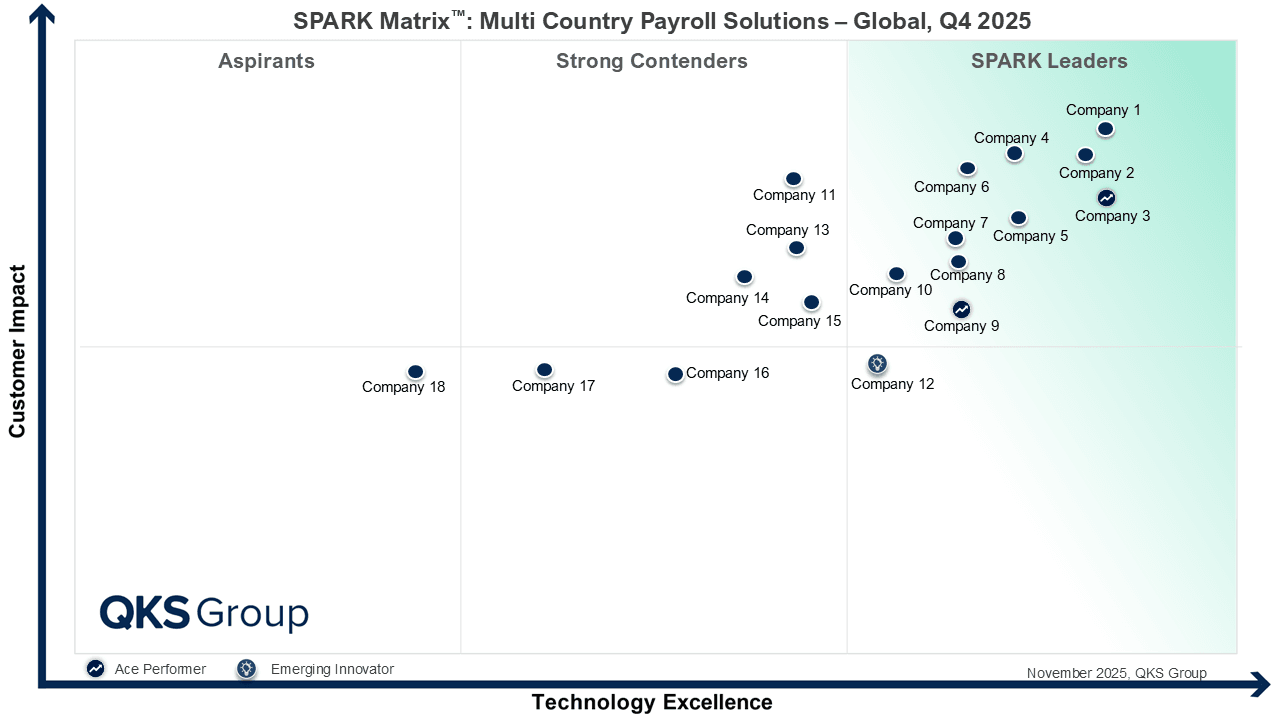
  • SPARK Matrix™: Multi Country Payroll Solutions for Global market, Q4 2025
    https://qksgroup.com/market-research/spark-matrix-multi-country-payroll-solutions-for-global-market-q4-2025-10238

    QKS Group's Multi Country Payroll Solutions for Global market, includes a comprehensive analysis of the global market in terms of emerging technology trends, market trends, and future market outlook.
    #GlobalPayroll #PayrollManagement #HRTech #SPARKMatrix #GlobalPayrollSolutions #InternationalPayroll #HRTechTrends #PayrollAutomation #CrossBorderPayroll #SPARKMatrix
    SPARK Matrix™: Multi Country Payroll Solutions for Global market, Q4 2025 https://qksgroup.com/market-research/spark-matrix-multi-country-payroll-solutions-for-global-market-q4-2025-10238 QKS Group's Multi Country Payroll Solutions for Global market, includes a comprehensive analysis of the global market in terms of emerging technology trends, market trends, and future market outlook. #GlobalPayroll #PayrollManagement #HRTech #SPARKMatrix #GlobalPayrollSolutions #InternationalPayroll #HRTechTrends #PayrollAutomation #CrossBorderPayroll #SPARKMatrix
    0 Comments 0 Shares
  • How Cloud-Native Application Development Services Are Driving Digital Transformation in 2026

    The rapid adoption of cloud technologies has changed how modern applications are built, deployed, and managed. The report from QKS Group, SPARK Matrix™: Cloud Native Application Development Services (CNADS), Q2 2025, highlights how enterprises are moving toward cloud-native architectures to improve agility, scalability, and innovation.

    Click Here for More: https://qksgroup.com/market-research/spark-matrix-cloud-native-application-development-services-cnads-q2-2025-8949

    Understanding Cloud-Native Application Development

    Cloud-native application development focuses on building applications using microservices, containers, Kubernetes, and DevOps practices. These applications are designed to run efficiently in dynamic cloud environments. Unlike traditional applications, cloud-native systems are highly scalable, resilient, and continuously updated.

    The SPARK Matrix™ evaluates vendors based on two key parameters: technology excellence and customer impact. This framework helps enterprises compare service providers and select the right partner for their cloud transformation journey.

    Key Market Trends in CNADS

    The CNADS market is evolving rapidly due to increasing demand for digital transformation. Enterprises are adopting cloud-native approaches to modernize legacy systems and improve time-to-market.

    One of the major trends highlighted in the report is the growing use of AI-driven development tools. These tools help automate coding, testing, and deployment processes, making development faster and more efficient. AI also enables better decision-making through predictive analytics and intelligent monitoring.

    Another important trend is the rise of containerization and Kubernetes orchestration. These technologies allow developers to package applications with all dependencies and deploy them consistently across environments. This improves portability and reduces operational complexity.

    Additionally, organizations are focusing on DevSecOps practices, where security is integrated into every stage of the development lifecycle. This ensures that applications are secure by design and compliant with industry standards.

    Market Share Cloud-Native Application Protection Platform: https://qksgroup.com/market-research/market-share-cloud-native-application-protection-platform-2025-worldwide-4212

    Importance of Runtime Intelligence and Observability

    Modern cloud-native environments are highly dynamic, making traditional monitoring methods less effective. The report emphasizes the importance of runtime intelligence, which provides real-time visibility into application behavior.

    Advanced platforms now use technologies like telemetry, cloud logs, and AI analytics to monitor workloads, detect anomalies, and respond to threats quickly. This approach improves system reliability and reduces downtime.

    For example, modern solutions analyze workload behavior, network traffic, and API interactions to identify security risks and performance issues in real time. This helps organizations maintain operational efficiency and ensure a seamless user experience.

    Vendor Differentiation in the SPARK Matrix™

    The SPARK Matrix™ highlights how leading vendors differentiate themselves through innovation and service capabilities. Key differentiators include:

    End-to-end cloud-native services (consulting, development, migration, and management)
    Strong Kubernetes and container expertise
    Integration of AI and automation
    Robust security and compliance frameworks
    Industry-specific solutions

    Vendors that combine these capabilities with strong customer support and global delivery models are positioned as leaders in the matrix.

    Market Forecast Cloud-Native Application Protection Platform: https://qksgroup.com/market-research/market-forecast-cloud-native-application-protection-platform-2026-2030-worldwide-4229

    Benefits for Enterprises

    Adopting Cloud Native Application Development Services (CNADS) offers several benefits:

    Faster innovation through continuous integration and delivery
    Improved scalability to handle changing workloads
    Better resilience with fault-tolerant architectures
    Enhanced security with integrated DevSecOps practices
    Cost optimization through efficient resource utilization

    These advantages help businesses stay competitive in a digital-first world.

    Conclusion

    The SPARK Matrix™: Cloud Native Application Development Services, Q2 2025 report clearly shows that cloud-native development is no longer optional—it is essential for modern enterprises. Organizations that invest in cloud-native technologies and choose the right service partners can achieve higher efficiency, faster innovation, and stronger security.

    As the market continues to evolve, the focus will shift toward AI-driven development, automation, and real-time observability. Enterprises must align their strategies with these trends to fully unlock the potential of cloud-native architectures.

    #CloudNative #CloudNativeDevelopment #CNADS #ApplicationDevelopment #CloudComputing #DigitalTransformation #Kubernetes #Microservices #DevOps #DevSecOps #AIinTech #SoftwareDevelopment #AppModernization #CloudMigration #ScalableApps #CloudSecurity #PlatformEngineering #HybridCloud #MultiCloud #TechTrends
    How Cloud-Native Application Development Services Are Driving Digital Transformation in 2026 The rapid adoption of cloud technologies has changed how modern applications are built, deployed, and managed. The report from QKS Group, SPARK Matrix™: Cloud Native Application Development Services (CNADS), Q2 2025, highlights how enterprises are moving toward cloud-native architectures to improve agility, scalability, and innovation. Click Here for More: https://qksgroup.com/market-research/spark-matrix-cloud-native-application-development-services-cnads-q2-2025-8949 Understanding Cloud-Native Application Development Cloud-native application development focuses on building applications using microservices, containers, Kubernetes, and DevOps practices. These applications are designed to run efficiently in dynamic cloud environments. Unlike traditional applications, cloud-native systems are highly scalable, resilient, and continuously updated. The SPARK Matrix™ evaluates vendors based on two key parameters: technology excellence and customer impact. This framework helps enterprises compare service providers and select the right partner for their cloud transformation journey. Key Market Trends in CNADS The CNADS market is evolving rapidly due to increasing demand for digital transformation. Enterprises are adopting cloud-native approaches to modernize legacy systems and improve time-to-market. One of the major trends highlighted in the report is the growing use of AI-driven development tools. These tools help automate coding, testing, and deployment processes, making development faster and more efficient. AI also enables better decision-making through predictive analytics and intelligent monitoring. Another important trend is the rise of containerization and Kubernetes orchestration. These technologies allow developers to package applications with all dependencies and deploy them consistently across environments. This improves portability and reduces operational complexity. Additionally, organizations are focusing on DevSecOps practices, where security is integrated into every stage of the development lifecycle. This ensures that applications are secure by design and compliant with industry standards. Market Share Cloud-Native Application Protection Platform: https://qksgroup.com/market-research/market-share-cloud-native-application-protection-platform-2025-worldwide-4212 Importance of Runtime Intelligence and Observability Modern cloud-native environments are highly dynamic, making traditional monitoring methods less effective. The report emphasizes the importance of runtime intelligence, which provides real-time visibility into application behavior. Advanced platforms now use technologies like telemetry, cloud logs, and AI analytics to monitor workloads, detect anomalies, and respond to threats quickly. This approach improves system reliability and reduces downtime. For example, modern solutions analyze workload behavior, network traffic, and API interactions to identify security risks and performance issues in real time. This helps organizations maintain operational efficiency and ensure a seamless user experience. Vendor Differentiation in the SPARK Matrix™ The SPARK Matrix™ highlights how leading vendors differentiate themselves through innovation and service capabilities. Key differentiators include: End-to-end cloud-native services (consulting, development, migration, and management) Strong Kubernetes and container expertise Integration of AI and automation Robust security and compliance frameworks Industry-specific solutions Vendors that combine these capabilities with strong customer support and global delivery models are positioned as leaders in the matrix. Market Forecast Cloud-Native Application Protection Platform: https://qksgroup.com/market-research/market-forecast-cloud-native-application-protection-platform-2026-2030-worldwide-4229 Benefits for Enterprises Adopting Cloud Native Application Development Services (CNADS) offers several benefits: Faster innovation through continuous integration and delivery Improved scalability to handle changing workloads Better resilience with fault-tolerant architectures Enhanced security with integrated DevSecOps practices Cost optimization through efficient resource utilization These advantages help businesses stay competitive in a digital-first world. Conclusion The SPARK Matrix™: Cloud Native Application Development Services, Q2 2025 report clearly shows that cloud-native development is no longer optional—it is essential for modern enterprises. Organizations that invest in cloud-native technologies and choose the right service partners can achieve higher efficiency, faster innovation, and stronger security. As the market continues to evolve, the focus will shift toward AI-driven development, automation, and real-time observability. Enterprises must align their strategies with these trends to fully unlock the potential of cloud-native architectures. #CloudNative #CloudNativeDevelopment #CNADS #ApplicationDevelopment #CloudComputing #DigitalTransformation #Kubernetes #Microservices #DevOps #DevSecOps #AIinTech #SoftwareDevelopment #AppModernization #CloudMigration #ScalableApps #CloudSecurity #PlatformEngineering #HybridCloud #MultiCloud #TechTrends
    QKSGROUP.COM
    SPARK Matrix?: Cloud-Native Application Development Services (CNADS), Q2 2025
    QKS Group defines Cloud-Native Application Development Services (CNADS) as "a suite of services that...
    0 Comments 0 Shares
  • Insider Risk Management: From Detection to Prevention

    The growing complexity of cybersecurity threats has made Insider Risk Management (IRM) a top priority for organizations worldwide. According to the latest insights from QKS Group, the SPARK Matrix™: Insider Risk Management, Q2 2025 highlights how businesses are evolving their strategies to detect and mitigate risks originating from within.

    Click Here for More: https://qksgroup.com/market-research/spark-matrix-insider-risk-management-q2-2025-8514

    Understanding Insider Risk Management

    Insider risks come from employees, contractors, or partners who have authorized access to systems but may misuse it—either intentionally or accidentally. With the rise of hybrid work, cloud adoption, and digital transformation, monitoring insider activity has become more challenging and critical.

    Organizations now need advanced tools that go beyond traditional security approaches. Modern IRM solutions focus on identifying unusual user behavior, monitoring data access patterns, and detecting anomalies in real time.

    What is the SPARK Matrix™?

    The SPARK Matrix™ is a powerful benchmarking framework that evaluates vendors based on two key dimensions: Technology Excellence and Customer Impact. It provides a clear comparison of leading IRM providers, helping businesses choose the right solution based on their needs.

    This framework also highlights vendor strengths, innovation capabilities, and market positioning, making it a valuable tool for decision-makers.

    Key Trends in Insider Risk Management

    The 2025 report outlines several important trends shaping the Insider Risk Management market:

    1. Rise of AI and Behavioral Analytics
    Modern IRM platforms are increasingly powered by artificial intelligence and machine learning. These technologies analyze user behavior patterns to detect subtle anomalies that may indicate insider threats.

    2. Real-Time Monitoring and Response
    Organizations are shifting toward real-time monitoring of user sessions and activities. This enables faster detection and response to suspicious actions before they escalate into major incidents.

    3. Integration with Security Ecosystems
    IRM solutions are no longer standalone tools. They are now integrated with broader cybersecurity systems such as SIEM, DLP, and identity management platforms for a unified security approach.

    4. Focus on Compliance and Privacy
    With stricter data protection regulations, companies must balance security with employee privacy. Advanced Insider Risk Management tools provide non-invasive monitoring techniques while ensuring compliance.

    Market Forecast: Insider Risk Management: https://qksgroup.com/market-research/market-forecast-insider-risk-management-2026-2030-worldwide-2740

    Vendor Landscape and Innovation

    The SPARK Matrix™ also provides a detailed view of the competitive landscape. Vendors are focusing on innovation by offering features such as:

    Real-time session monitoring
    Machine learning-based anomaly detection
    Cross-platform activity tracking
    Automated incident response

    Some leading solutions are recognized for their ability to combine advanced analytics with seamless integration into existing security environments.

    Why IRM Matters More Than Ever

    Insider threats are often harder to detect than external attacks because they involve trusted users. A single incident can lead to data breaches, financial losses, and reputational damage.

    By adopting advanced IRM solutions, organizations can proactively identify risks, reduce response time, and strengthen their overall security posture.

    Conclusion

    The SPARK Matrix™: Insider Risk Management, Q2 2025 clearly shows that Insider Risk Management is no longer optional—it is essential. As threats continue to evolve, organizations must invest in intelligent, integrated, and proactive IRM solutions.

    Businesses that leverage these advanced capabilities will be better positioned to protect sensitive data, ensure compliance, and maintain trust in an increasingly digital world.

    Market Share: Insider Risk Management: https://qksgroup.com/market-research/market-share-insider-risk-management-2025-worldwide-2802


    #InsiderRiskManagement #InsiderThreats #CyberSecurity #DataProtection #RiskManagement #SPARKMatrix #IRM #UserBehaviorAnalytics #ThreatDetection #DataLossPrevention #CyberRisk #InformationSecurity #AIinCyberSecurity #SecurityAnalytics #CloudSecurity #IdentityAccessManagement #EnterpriseSecurity #CyberDefense #RiskMitigation #TechTrends
    Insider Risk Management: From Detection to Prevention The growing complexity of cybersecurity threats has made Insider Risk Management (IRM) a top priority for organizations worldwide. According to the latest insights from QKS Group, the SPARK Matrix™: Insider Risk Management, Q2 2025 highlights how businesses are evolving their strategies to detect and mitigate risks originating from within. Click Here for More: https://qksgroup.com/market-research/spark-matrix-insider-risk-management-q2-2025-8514 Understanding Insider Risk Management Insider risks come from employees, contractors, or partners who have authorized access to systems but may misuse it—either intentionally or accidentally. With the rise of hybrid work, cloud adoption, and digital transformation, monitoring insider activity has become more challenging and critical. Organizations now need advanced tools that go beyond traditional security approaches. Modern IRM solutions focus on identifying unusual user behavior, monitoring data access patterns, and detecting anomalies in real time. What is the SPARK Matrix™? The SPARK Matrix™ is a powerful benchmarking framework that evaluates vendors based on two key dimensions: Technology Excellence and Customer Impact. It provides a clear comparison of leading IRM providers, helping businesses choose the right solution based on their needs. This framework also highlights vendor strengths, innovation capabilities, and market positioning, making it a valuable tool for decision-makers. Key Trends in Insider Risk Management The 2025 report outlines several important trends shaping the Insider Risk Management market: 1. Rise of AI and Behavioral Analytics Modern IRM platforms are increasingly powered by artificial intelligence and machine learning. These technologies analyze user behavior patterns to detect subtle anomalies that may indicate insider threats. 2. Real-Time Monitoring and Response Organizations are shifting toward real-time monitoring of user sessions and activities. This enables faster detection and response to suspicious actions before they escalate into major incidents. 3. Integration with Security Ecosystems IRM solutions are no longer standalone tools. They are now integrated with broader cybersecurity systems such as SIEM, DLP, and identity management platforms for a unified security approach. 4. Focus on Compliance and Privacy With stricter data protection regulations, companies must balance security with employee privacy. Advanced Insider Risk Management tools provide non-invasive monitoring techniques while ensuring compliance. Market Forecast: Insider Risk Management: https://qksgroup.com/market-research/market-forecast-insider-risk-management-2026-2030-worldwide-2740 Vendor Landscape and Innovation The SPARK Matrix™ also provides a detailed view of the competitive landscape. Vendors are focusing on innovation by offering features such as: Real-time session monitoring Machine learning-based anomaly detection Cross-platform activity tracking Automated incident response Some leading solutions are recognized for their ability to combine advanced analytics with seamless integration into existing security environments. Why IRM Matters More Than Ever Insider threats are often harder to detect than external attacks because they involve trusted users. A single incident can lead to data breaches, financial losses, and reputational damage. By adopting advanced IRM solutions, organizations can proactively identify risks, reduce response time, and strengthen their overall security posture. Conclusion The SPARK Matrix™: Insider Risk Management, Q2 2025 clearly shows that Insider Risk Management is no longer optional—it is essential. As threats continue to evolve, organizations must invest in intelligent, integrated, and proactive IRM solutions. Businesses that leverage these advanced capabilities will be better positioned to protect sensitive data, ensure compliance, and maintain trust in an increasingly digital world. Market Share: Insider Risk Management: https://qksgroup.com/market-research/market-share-insider-risk-management-2025-worldwide-2802 #InsiderRiskManagement #InsiderThreats #CyberSecurity #DataProtection #RiskManagement #SPARKMatrix #IRM #UserBehaviorAnalytics #ThreatDetection #DataLossPrevention #CyberRisk #InformationSecurity #AIinCyberSecurity #SecurityAnalytics #CloudSecurity #IdentityAccessManagement #EnterpriseSecurity #CyberDefense #RiskMitigation #TechTrends
    QKSGROUP.COM
    SPARK Matrix?: Insider Risk Management, Q2 2025
    QKS Group's Insider Risk Management (IRM) market research includes a comprehensive analysis of the g...
    0 Comments 0 Shares
  • SPARK Matrix™: Access Management

    The Access Management market is undergoing rapid transformation as enterprises prioritize secure, seamless, and intelligent identity verification systems. With the rise of hybrid work, cloud adoption, and increasing cyber threats, organizations are investing in advanced access management solutions to strengthen security while maintaining user convenience.

    According to QKS Group, the global Access Management market is witnessing significant growth driven by AI-powered authentication, zero trust frameworks, and identity-centric security strategies. This research provides a comprehensive view of market trends, emerging technologies, and future outlook, helping both vendors and enterprises make informed decisions.

    Click here for more information : https://qksgroup.com/market-research/spark-matrix-access-management-q1-2025-8624

    Key Market Overview
    QKS Group’s Access Management market research delivers deep insights into:
    • Emerging technology trends in identity and access management (IAM)
    • Evolving enterprise security requirements
    • Market dynamics and future growth opportunities
    • Vendor positioning and competitive differentiation

    1. AI-Driven Authentication and Analytics
    Modern access management solutions are increasingly leveraging Artificial Intelligence (AI) and Machine Learning (ML) to enhance security. These technologies enable:
    • Behavioral analysis for anomaly detection
    • Risk-based authentication
    • Predictive threat intelligence

    2. Rise of Zero Trust Architecture
    The adoption of Zero Trust Security is becoming a cornerstone of access management strategies. This model operates on the principle of “never trust, always verify.”
    Key benefits include:
    • Continuous authentication and authorization
    • Reduced attack surface
    • Improved data protection across distributed environments

    3. Integration with Identity Governance and Administration (IGA)
    Access management platforms are increasingly integrating with Identity Governance and Administration (IGA) solutions to provide unified identity control.
    This integration enables:
    • Automated provisioning and deprovisioning
    • Compliance management
    • Role-based access control (RBAC)

    4. Passwordless Authentication and Biometrics
    The shift toward passwordless authentication is accelerating as enterprises seek to eliminate password-related vulnerabilities.
    Technologies driving this trend include:
    • Biometrics (fingerprint, facial recognition)
    • Hardware tokens
    • Mobile-based authentication

    5. Decentralized Identity and Blockchain
    Emerging decentralized identity frameworks are gaining traction, enabling users to control their digital identities without relying on centralized authorities.
    Benefits include:
    • Enhanced privacy
    • Reduced identity fraud
    • Improved interoperability

    Competitive Landscape: SPARK Matrix Analysis
    QKS Group’s proprietary SPARK Matrix provides a detailed competitive analysis of leading Access Management vendors. The matrix evaluates vendors based on:
    • Technology excellence
    • Customer impact
    • Innovation capabilities

    Leading Vendors in the Access Management Market
    The SPARK Matrix includes global leaders such as: 1Kosmos, CyberArk, Entrust, Eviden, Exostar, Fortinet, IBM, LastPass, Microsoft, Okta, One Identity, OpenText, Oracle, Ping Identity, RSA, SecureAuth, Simeio, Thales and TrustBuilder.

    These vendors are shaping the future of access management by delivering advanced solutions tailored to enterprise needs.

    Expert Insight
    According to an Analyst at QKS Group, Modern Access Management solutions empower organizations with seamless authentication, adaptive security, and intelligent identity governance. With the integration of AI-driven analytics, risk-based authentication, and contextual intelligence, enterprises can achieve real-time risk assessment and automated access control.

    Download Sample Report : https://qksgroup.com/download-sample-form/spark-matrix-access-management-q1-2025-8624

    Future Outlook of Access Management Market
    The future of access management will be defined by:
    • Continuous authentication models
    • AI-driven identity intelligence
    • Cloud-native IAM solutions

    Conclusion
    The Access Management market is evolving into a critical pillar of enterprise cybersecurity strategies. With advancements in AI, zero trust, and identity governance, organizations can achieve a balance between security and user experience.

    QKS Group’s comprehensive research and SPARK Matrix analysis provide valuable insights for both vendors and enterprises to navigate this dynamic landscape and stay ahead in the competitive market.

    #AccessManagement #IAM #CyberSecurity #ZeroTrust #AI #IdentityGovernance #SPARKMatrix #DigitalSecurity #Authentication #TechTrends2026
    SPARK Matrix™: Access Management The Access Management market is undergoing rapid transformation as enterprises prioritize secure, seamless, and intelligent identity verification systems. With the rise of hybrid work, cloud adoption, and increasing cyber threats, organizations are investing in advanced access management solutions to strengthen security while maintaining user convenience. According to QKS Group, the global Access Management market is witnessing significant growth driven by AI-powered authentication, zero trust frameworks, and identity-centric security strategies. This research provides a comprehensive view of market trends, emerging technologies, and future outlook, helping both vendors and enterprises make informed decisions. Click here for more information : https://qksgroup.com/market-research/spark-matrix-access-management-q1-2025-8624 Key Market Overview QKS Group’s Access Management market research delivers deep insights into: • Emerging technology trends in identity and access management (IAM) • Evolving enterprise security requirements • Market dynamics and future growth opportunities • Vendor positioning and competitive differentiation 1. AI-Driven Authentication and Analytics Modern access management solutions are increasingly leveraging Artificial Intelligence (AI) and Machine Learning (ML) to enhance security. These technologies enable: • Behavioral analysis for anomaly detection • Risk-based authentication • Predictive threat intelligence 2. Rise of Zero Trust Architecture The adoption of Zero Trust Security is becoming a cornerstone of access management strategies. This model operates on the principle of “never trust, always verify.” Key benefits include: • Continuous authentication and authorization • Reduced attack surface • Improved data protection across distributed environments 3. Integration with Identity Governance and Administration (IGA) Access management platforms are increasingly integrating with Identity Governance and Administration (IGA) solutions to provide unified identity control. This integration enables: • Automated provisioning and deprovisioning • Compliance management • Role-based access control (RBAC) 4. Passwordless Authentication and Biometrics The shift toward passwordless authentication is accelerating as enterprises seek to eliminate password-related vulnerabilities. Technologies driving this trend include: • Biometrics (fingerprint, facial recognition) • Hardware tokens • Mobile-based authentication 5. Decentralized Identity and Blockchain Emerging decentralized identity frameworks are gaining traction, enabling users to control their digital identities without relying on centralized authorities. Benefits include: • Enhanced privacy • Reduced identity fraud • Improved interoperability Competitive Landscape: SPARK Matrix Analysis QKS Group’s proprietary SPARK Matrix provides a detailed competitive analysis of leading Access Management vendors. The matrix evaluates vendors based on: • Technology excellence • Customer impact • Innovation capabilities Leading Vendors in the Access Management Market The SPARK Matrix includes global leaders such as: 1Kosmos, CyberArk, Entrust, Eviden, Exostar, Fortinet, IBM, LastPass, Microsoft, Okta, One Identity, OpenText, Oracle, Ping Identity, RSA, SecureAuth, Simeio, Thales and TrustBuilder. These vendors are shaping the future of access management by delivering advanced solutions tailored to enterprise needs. Expert Insight According to an Analyst at QKS Group, Modern Access Management solutions empower organizations with seamless authentication, adaptive security, and intelligent identity governance. With the integration of AI-driven analytics, risk-based authentication, and contextual intelligence, enterprises can achieve real-time risk assessment and automated access control. Download Sample Report : https://qksgroup.com/download-sample-form/spark-matrix-access-management-q1-2025-8624 Future Outlook of Access Management Market The future of access management will be defined by: • Continuous authentication models • AI-driven identity intelligence • Cloud-native IAM solutions Conclusion The Access Management market is evolving into a critical pillar of enterprise cybersecurity strategies. With advancements in AI, zero trust, and identity governance, organizations can achieve a balance between security and user experience. QKS Group’s comprehensive research and SPARK Matrix analysis provide valuable insights for both vendors and enterprises to navigate this dynamic landscape and stay ahead in the competitive market. #AccessManagement #IAM #CyberSecurity #ZeroTrust #AI #IdentityGovernance #SPARKMatrix #DigitalSecurity #Authentication #TechTrends2026

    QKSGROUP.COM
    SPARK Matrix?: Access Management, Q1 2025
    QKS Group’s Access Management market research includes a detailed analysis of the global market rega...
    1
    0 Comments 0 Shares
  • equity management software market Innovations in AI and Semiconductors for Next-Gen Financial Services

    https://www.marketresearchfuture.com/reports/equity-management-software-market-33003

    #AI #MachineLearning #FinTech #Finance #Banking #DigitalBanking #Semiconductor #Technology #Innovation #Blockchain #Automation #ArtificialIntelligence #Microelectronics #DigitalTransformation #FinTechAI #Business #Investing #WealthTech #FinancialServices #CyberSecurity #FutureTech #TechTrends #Startup #Crypto #BigData #DeepLearning #TechFinance #BankingTech #Neobanks #Payments #SmartFinance #ChipTechnology
    equity management software market Innovations in AI and Semiconductors for Next-Gen Financial Services https://www.marketresearchfuture.com/reports/equity-management-software-market-33003 #AI #MachineLearning #FinTech #Finance #Banking #DigitalBanking #Semiconductor #Technology #Innovation #Blockchain #Automation #ArtificialIntelligence #Microelectronics #DigitalTransformation #FinTechAI #Business #Investing #WealthTech #FinancialServices #CyberSecurity #FutureTech #TechTrends #Startup #Crypto #BigData #DeepLearning #TechFinance #BankingTech #Neobanks #Payments #SmartFinance #ChipTechnology
    WWW.MARKETRESEARCHFUTURE.COM
    Equity Management Software Market Size, Share | Industry Report 2035
    Equity Management Software Market is predicted to reach USD 3812.38 Million at a CAGR of 14.30% by 2035, Global Equity Management Software Industry Growth by Deployment Model, End User, Software Type, Features, Regional
    0 Comments 0 Shares
  • crypto wallet market Smart Chips, Smart Bots: Transforming the Banking Ecosystem
    https://www.marketresearchfuture.com/reports/crypto-wallet-market-24727

    #AI #MachineLearning #FinTech #Finance #Banking #DigitalBanking #Semiconductor #Technology #Innovation #Blockchain #Automation #ArtificialIntelligence #Microelectronics #DigitalTransformation #FinTechAI #Business #Investing #WealthTech #FinancialServices #CyberSecurity #FutureTech #TechTrends #Startup #Crypto #BigData #DeepLearning #TechFinance #BankingTech #Neobanks #Payments #SmartFinance #ChipTechnology
    crypto wallet market Smart Chips, Smart Bots: Transforming the Banking Ecosystem https://www.marketresearchfuture.com/reports/crypto-wallet-market-24727 #AI #MachineLearning #FinTech #Finance #Banking #DigitalBanking #Semiconductor #Technology #Innovation #Blockchain #Automation #ArtificialIntelligence #Microelectronics #DigitalTransformation #FinTechAI #Business #Investing #WealthTech #FinancialServices #CyberSecurity #FutureTech #TechTrends #Startup #Crypto #BigData #DeepLearning #TechFinance #BankingTech #Neobanks #Payments #SmartFinance #ChipTechnology
    WWW.MARKETRESEARCHFUTURE.COM
    Crypto Wallet Market Size, Share | Industry Report 2035
    Crypto Wallet Market is projected to reach USD 135.98 Billion at a CAGR of 23.1% by 2035, Global Crypto Wallet Industry Analysis by Storage Type, Coin Support, Key Management, Deployment Type, Region
    0 Comments 0 Shares
  • burial insurance market The Convergence of Semiconductor Tech and AI in Finance

    https://www.marketresearchfuture.com/reports/burial-insurance-market-27000

    #AI #MachineLearning #FinTech #Finance #Banking #DigitalBanking #Semiconductor #Technology #Innovation #Blockchain #Automation #ArtificialIntelligence #Microelectronics #DigitalTransformation #FinTechAI #Business #Investing #WealthTech #FinancialServices #CyberSecurity #FutureTech #TechTrends #Startup #Crypto #BigData #DeepLearning #TechFinance #BankingTech #Neobanks #Payments #SmartFinance #ChipTechnology
    burial insurance market The Convergence of Semiconductor Tech and AI in Finance https://www.marketresearchfuture.com/reports/burial-insurance-market-27000 #AI #MachineLearning #FinTech #Finance #Banking #DigitalBanking #Semiconductor #Technology #Innovation #Blockchain #Automation #ArtificialIntelligence #Microelectronics #DigitalTransformation #FinTechAI #Business #Investing #WealthTech #FinancialServices #CyberSecurity #FutureTech #TechTrends #Startup #Crypto #BigData #DeepLearning #TechFinance #BankingTech #Neobanks #Payments #SmartFinance #ChipTechnology
    WWW.MARKETRESEARCHFUTURE.COM
    Burial Insurance Market Size, Growth Analysis, Report 2035
    Burial insurance market growth is projected to reach USD 0.55 Billion, at a 5.36% CAGR by driving industry size, share, top company analysis, segments research, trends and forecast report 2025 to 2035
    0 Comments 0 Shares
No data to show
No data to show
No data to show
No data to show
No data to show