• GPU Infrastructure: The Hidden Cost of Enterprise AI
    Enterprise artificial intelligence is transforming how organizations automate operations, analyze data, and develop innovative products. From generative AI applications to advanced machine learning models, businesses are investing heavily in AI capabilities to remain competitive. However, behind these advancements lies a significant financial challenge: GPU infrastructure. While companies often focus on AI software, model performance, and business outcomes, the underlying infrastructure can introduce substantial costs that are difficult to predict and manage.

    Why GPU Infrastructure Matters for Enterprise AI
    Graphics processing units (GPUs) are specialized processors designed to handle large numbers of computations simultaneously. They are essential for training complex AI models, running inference workloads, and supporting applications such as large language models, computer vision, and predictive analytics.

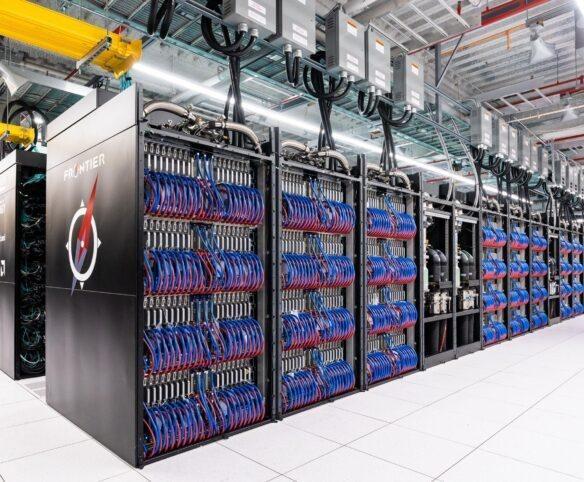
    Unlike traditional computing infrastructure, AI workloads can require substantial processing power, high-speed memory, and rapid data movement. Enterprises may deploy GPUs in their own data centers, rent capacity from cloud providers, or adopt a hybrid infrastructure model. Each approach has different financial and operational implications.

    As AI adoption grows, organizations must look beyond the initial cost of acquiring or renting GPUs and evaluate the total cost of ownership.

    The Major Hidden Costs of GPU Infrastructure
    1. High Hardware Acquisition Costs
    Enterprise-grade GPUs can require significant upfront investment, particularly when organizations need multiple accelerators for large-scale AI workloads. The total expense extends beyond the GPUs themselves to servers, networking equipment, storage systems, and compatible components.

    Businesses must also account for hardware replacement cycles and the possibility that newer GPU generations may deliver better performance or energy efficiency. Purchasing infrastructure without a clear workload strategy can result in expensive resources that deliver limited business value.

    2. Energy Consumption and Cooling
    GPUs consume substantial electricity when operating at high utilization. Large AI clusters can significantly increase data center power requirements, while cooling systems add another layer of operational expense.

    Organizations running their own infrastructure must consider electricity prices, cooling efficiency, power availability, and facility capacity. These expenses can become particularly challenging as AI workloads expand.

    Improving workload scheduling, consolidating infrastructure, and monitoring power consumption can help businesses reduce unnecessary energy expenditure.

    3. Cloud GPU Rental Expenses
    Cloud platforms allow companies to access GPU resources without purchasing physical hardware. This flexibility can accelerate experimentation and reduce initial capital requirements. However, hourly GPU charges, data transfer fees, storage costs, and managed service expenses can accumulate quickly.

    Unused instances, oversized configurations, and poorly optimized workloads may increase cloud bills without improving results. Enterprises should regularly review GPU utilization and select appropriate pricing models for predictable and variable workloads.

    4. Underutilization and Resource Waste
    GPU infrastructure is expensive even when it is not being used effectively. Some organizations reserve more capacity than necessary, while others experience bottlenecks caused by insufficient memory, slow data pipelines, or inefficient model configurations.

    Low utilization increases the cost per completed training job or AI prediction. Workload profiling, resource monitoring, and intelligent scheduling can help organizations maximize the value of their existing infrastructure.

    5. Software, Networking, and Engineering Costs
    GPU infrastructure also depends on software frameworks, orchestration tools, high-speed networking, and specialized engineering expertise. Teams may need to manage distributed training, optimize inference workloads, maintain drivers, and troubleshoot performance issues.

    These indirect expenses are often overlooked during initial budgeting, even though they influence long-term operating costs and deployment timelines.

    Strategies to Control GPU Infrastructure Costs
    Enterprises can improve cost efficiency by matching GPU capacity to specific business requirements. Smaller models, quantization, caching, and optimized inference pipelines may reduce the computing power required for certain applications.

    Organizations should also establish FinOps practices for AI infrastructure, combining financial accountability with engineering performance data. Tracking cost per training run, cost per inference request, GPU utilization, and application-level business outcomes helps decision-makers evaluate spending more accurately.

    A hybrid infrastructure strategy may also be beneficial. Predictable workloads can run on reserved or owned capacity, while temporary experimentation and demand spikes can use cloud-based resources.

    Conclusion
    GPU infrastructure is a critical foundation for enterprise AI, but its true cost extends far beyond hardware or cloud rental fees. Energy consumption, cooling, underutilization, networking, software, and engineering requirements all influence the economics of AI deployment.

    Businesses that evaluate total cost of ownership and continuously optimize infrastructure can reduce waste while maintaining performance. As enterprise AI adoption accelerates, effective GPU cost management will become an essential part of building scalable, reliable, and financially sustainable AI operations.

    Read More: https://theinfotech.info/
    GPU Infrastructure: The Hidden Cost of Enterprise AI Enterprise artificial intelligence is transforming how organizations automate operations, analyze data, and develop innovative products. From generative AI applications to advanced machine learning models, businesses are investing heavily in AI capabilities to remain competitive. However, behind these advancements lies a significant financial challenge: GPU infrastructure. While companies often focus on AI software, model performance, and business outcomes, the underlying infrastructure can introduce substantial costs that are difficult to predict and manage. Why GPU Infrastructure Matters for Enterprise AI Graphics processing units (GPUs) are specialized processors designed to handle large numbers of computations simultaneously. They are essential for training complex AI models, running inference workloads, and supporting applications such as large language models, computer vision, and predictive analytics. Unlike traditional computing infrastructure, AI workloads can require substantial processing power, high-speed memory, and rapid data movement. Enterprises may deploy GPUs in their own data centers, rent capacity from cloud providers, or adopt a hybrid infrastructure model. Each approach has different financial and operational implications. As AI adoption grows, organizations must look beyond the initial cost of acquiring or renting GPUs and evaluate the total cost of ownership. The Major Hidden Costs of GPU Infrastructure 1. High Hardware Acquisition Costs Enterprise-grade GPUs can require significant upfront investment, particularly when organizations need multiple accelerators for large-scale AI workloads. The total expense extends beyond the GPUs themselves to servers, networking equipment, storage systems, and compatible components. Businesses must also account for hardware replacement cycles and the possibility that newer GPU generations may deliver better performance or energy efficiency. Purchasing infrastructure without a clear workload strategy can result in expensive resources that deliver limited business value. 2. Energy Consumption and Cooling GPUs consume substantial electricity when operating at high utilization. Large AI clusters can significantly increase data center power requirements, while cooling systems add another layer of operational expense. Organizations running their own infrastructure must consider electricity prices, cooling efficiency, power availability, and facility capacity. These expenses can become particularly challenging as AI workloads expand. Improving workload scheduling, consolidating infrastructure, and monitoring power consumption can help businesses reduce unnecessary energy expenditure. 3. Cloud GPU Rental Expenses Cloud platforms allow companies to access GPU resources without purchasing physical hardware. This flexibility can accelerate experimentation and reduce initial capital requirements. However, hourly GPU charges, data transfer fees, storage costs, and managed service expenses can accumulate quickly. Unused instances, oversized configurations, and poorly optimized workloads may increase cloud bills without improving results. Enterprises should regularly review GPU utilization and select appropriate pricing models for predictable and variable workloads. 4. Underutilization and Resource Waste GPU infrastructure is expensive even when it is not being used effectively. Some organizations reserve more capacity than necessary, while others experience bottlenecks caused by insufficient memory, slow data pipelines, or inefficient model configurations. Low utilization increases the cost per completed training job or AI prediction. Workload profiling, resource monitoring, and intelligent scheduling can help organizations maximize the value of their existing infrastructure. 5. Software, Networking, and Engineering Costs GPU infrastructure also depends on software frameworks, orchestration tools, high-speed networking, and specialized engineering expertise. Teams may need to manage distributed training, optimize inference workloads, maintain drivers, and troubleshoot performance issues. These indirect expenses are often overlooked during initial budgeting, even though they influence long-term operating costs and deployment timelines. Strategies to Control GPU Infrastructure Costs Enterprises can improve cost efficiency by matching GPU capacity to specific business requirements. Smaller models, quantization, caching, and optimized inference pipelines may reduce the computing power required for certain applications. Organizations should also establish FinOps practices for AI infrastructure, combining financial accountability with engineering performance data. Tracking cost per training run, cost per inference request, GPU utilization, and application-level business outcomes helps decision-makers evaluate spending more accurately. A hybrid infrastructure strategy may also be beneficial. Predictable workloads can run on reserved or owned capacity, while temporary experimentation and demand spikes can use cloud-based resources. Conclusion GPU infrastructure is a critical foundation for enterprise AI, but its true cost extends far beyond hardware or cloud rental fees. Energy consumption, cooling, underutilization, networking, software, and engineering requirements all influence the economics of AI deployment. Businesses that evaluate total cost of ownership and continuously optimize infrastructure can reduce waste while maintaining performance. As enterprise AI adoption accelerates, effective GPU cost management will become an essential part of building scalable, reliable, and financially sustainable AI operations. Read More: https://theinfotech.info/
    0 Comments 0 Shares

  • Understanding Refrigerant Loss and Cooling Efficiency in Modern Vehicle Climate Systems
    https://markitajackson.wordpress.com/2026/09/22/understanding-refrigerant-loss-and-cooling-efficiency-in-modern-vehicle-climate-systems/
    Recognising the technical realities of refrigerant permeation and pressure dynamics reframes servicing as preventative engineering rather than reactive repair.
    Understanding Refrigerant Loss and Cooling Efficiency in Modern Vehicle Climate Systems https://markitajackson.wordpress.com/2026/09/22/understanding-refrigerant-loss-and-cooling-efficiency-in-modern-vehicle-climate-systems/ Recognising the technical realities of refrigerant permeation and pressure dynamics reframes servicing as preventative engineering rather than reactive repair.
    Understanding Refrigerant Loss and Cooling Efficiency in Modern Vehicle Climate Systems
    0 Comments 0 Shares
  • Why More Homeowners Choose Heat Pump Installation in Kelowna

    Homeowners in the Okanagan are increasingly looking for energy-efficient ways to maintain #indoor_comfort throughout the year. Modern heating and cooling solutions help create a balanced home environment while supporting better energy management. This is why heat pump installation is gaining attention among residents planning home upgrades.

    Heat pumps transfer heat instead of generating it through traditional methods, helping provide both heating and cooling from one system for smart #system_evaluation. With Kelowna’s changing seasons, this technology can offer a practical solution for maintaining comfortable indoor temperatures throughout the year. Choosing the right system requires understanding the home’s size, insulation, current equipment, and comfort needs. Experience Better Home Efficiency With a Heat Pump: https://ecocentricblog.org/is-heat-pump-installation-in-kelowna-worth-the-investment/

    An experienced HVAC contractor in Kelowna can evaluate these factors and offer tailored #hvac_guidance to recommend suitable options for efficient system performance. Greenfoot Energy Solutions ( https://www.trueplumber.net/plumbers/greenfoot-energy-solutions/TP003541 ) provides energy-focused solutions that help homeowners improve comfort while considering modern heating, cooling, and renewable energy options suited to local conditions.

    Many homeowners also consider heat pump systems when upgrading their cooling systems to enhance #climate_efficiency. Compared with traditional options for air conditioning in Kelowna, heat pumps can provide cooling during warmer months while supporting efficient year-round temperature control.

    Professional setup, accurate system selection, and regular maintenance ensure quality #installation_services that contribute to better performance and improved indoor comfort. Proper heat pump installation in Kelowna is essential for achieving the best results from any HVAC upgrade. Explore Solar and Heat Pump Solutions in Kelowna: https://www.greenfootenergy.ca/locations/british-columbia/kelowna

    As energy costs and environmental awareness continue to influence home improvement decisions, more residents are exploring #energy_savings options that provide lasting value. Researching available solutions can help homeowners make informed choices for their properties.

    Thinking about improving your home’s heating and cooling efficiency? Locate Greenfoot Energy Solutions in Kelowna on Google Maps ( https://maps.app.goo.gl/b5MDbewut6kxyoDW8 ) to discover professional #energy_solutions and learn how modern HVAC upgrades can support year-round comfort.
    Why More Homeowners Choose Heat Pump Installation in Kelowna Homeowners in the Okanagan are increasingly looking for energy-efficient ways to maintain #indoor_comfort throughout the year. Modern heating and cooling solutions help create a balanced home environment while supporting better energy management. This is why heat pump installation is gaining attention among residents planning home upgrades. Heat pumps transfer heat instead of generating it through traditional methods, helping provide both heating and cooling from one system for smart #system_evaluation. With Kelowna’s changing seasons, this technology can offer a practical solution for maintaining comfortable indoor temperatures throughout the year. Choosing the right system requires understanding the home’s size, insulation, current equipment, and comfort needs. Experience Better Home Efficiency With a Heat Pump: https://ecocentricblog.org/is-heat-pump-installation-in-kelowna-worth-the-investment/ An experienced HVAC contractor in Kelowna can evaluate these factors and offer tailored #hvac_guidance to recommend suitable options for efficient system performance. Greenfoot Energy Solutions ( https://www.trueplumber.net/plumbers/greenfoot-energy-solutions/TP003541 ) provides energy-focused solutions that help homeowners improve comfort while considering modern heating, cooling, and renewable energy options suited to local conditions. Many homeowners also consider heat pump systems when upgrading their cooling systems to enhance #climate_efficiency. Compared with traditional options for air conditioning in Kelowna, heat pumps can provide cooling during warmer months while supporting efficient year-round temperature control. Professional setup, accurate system selection, and regular maintenance ensure quality #installation_services that contribute to better performance and improved indoor comfort. Proper heat pump installation in Kelowna is essential for achieving the best results from any HVAC upgrade. Explore Solar and Heat Pump Solutions in Kelowna: https://www.greenfootenergy.ca/locations/british-columbia/kelowna As energy costs and environmental awareness continue to influence home improvement decisions, more residents are exploring #energy_savings options that provide lasting value. Researching available solutions can help homeowners make informed choices for their properties. Thinking about improving your home’s heating and cooling efficiency? Locate Greenfoot Energy Solutions in Kelowna on Google Maps ( https://maps.app.goo.gl/b5MDbewut6kxyoDW8 ) to discover professional #energy_solutions and learn how modern HVAC upgrades can support year-round comfort.
    0 Comments 0 Shares
  • How Direct Liquid-Cooled Servers Improve Performance and Energy Efficiency

    As computing workloads become more demanding, keeping server temperatures under control has become increasingly important. Direct liquid-cooled servers provide a more efficient way to manage heat by transferring thermal energy directly from high-performance components. This helps maintain stable operation while supporting the growing needs of modern data center environments through #thermal_management and #high_performance_computing.

    Unlike traditional air-based approaches, DLC servers can move heat away from processors more effectively. ( https://www.coolitsystems.com/products-services/data-center-products/direct-liquid-cooled-servers/ ) Heat is transferred into a liquid circuit, where it can be managed and removed efficiently. CoolIT Systems develops advanced liquid cooling systems designed to help manage demanding computing environments with #direct_heat_transfer.

    Another advantage is improved energy efficiency. Direct liquid cooling technology reduces the reliance on large volumes of conditioned air for heat management. By targeting heat closer to its source, facilities can create a more focused thermal management strategy while making better use of available energy through #cooling_efficiency and #energy_optimization.

    A well-designed cooling approach can help create a more stable and scalable infrastructure. Modern liquid loop cooling systems can also support higher computing density without relying solely on increasing airflow. This makes them well suited to demanding AI, HPC, and advanced computing environments where thermal loads can rise quickly. Discover how DLC servers can support more efficient data-center cooling: https://myinspirationalquotes.net/how-do-dlc-servers-support-future-data-center-cooling-needs/ with #high_density_infrastructure.

    For organizations exploring trusted DLC server solutions, selecting the right thermal architecture is an important step toward long-term efficiency. Its cooling approach supports performance, efficiency, and the evolving requirements of high-density infrastructure through #future_ready_data_centers.

    CoolIT Systems can help businesses explore modern cooling systems designed around the thermal demands of next-generation computing. Discover the location on the map and explore advanced liquid-cooling solutions for your infrastructure needs with #advanced_thermal_solutions: https://maps.app.goo.gl/22chXYAq3H29H2rv6
    How Direct Liquid-Cooled Servers Improve Performance and Energy Efficiency As computing workloads become more demanding, keeping server temperatures under control has become increasingly important. Direct liquid-cooled servers provide a more efficient way to manage heat by transferring thermal energy directly from high-performance components. This helps maintain stable operation while supporting the growing needs of modern data center environments through #thermal_management and #high_performance_computing. Unlike traditional air-based approaches, DLC servers can move heat away from processors more effectively. ( https://www.coolitsystems.com/products-services/data-center-products/direct-liquid-cooled-servers/ ) Heat is transferred into a liquid circuit, where it can be managed and removed efficiently. CoolIT Systems develops advanced liquid cooling systems designed to help manage demanding computing environments with #direct_heat_transfer. Another advantage is improved energy efficiency. Direct liquid cooling technology reduces the reliance on large volumes of conditioned air for heat management. By targeting heat closer to its source, facilities can create a more focused thermal management strategy while making better use of available energy through #cooling_efficiency and #energy_optimization. A well-designed cooling approach can help create a more stable and scalable infrastructure. Modern liquid loop cooling systems can also support higher computing density without relying solely on increasing airflow. This makes them well suited to demanding AI, HPC, and advanced computing environments where thermal loads can rise quickly. Discover how DLC servers can support more efficient data-center cooling: https://myinspirationalquotes.net/how-do-dlc-servers-support-future-data-center-cooling-needs/ with #high_density_infrastructure. For organizations exploring trusted DLC server solutions, selecting the right thermal architecture is an important step toward long-term efficiency. Its cooling approach supports performance, efficiency, and the evolving requirements of high-density infrastructure through #future_ready_data_centers. CoolIT Systems can help businesses explore modern cooling systems designed around the thermal demands of next-generation computing. Discover the location on the map and explore advanced liquid-cooling solutions for your infrastructure needs with #advanced_thermal_solutions: https://maps.app.goo.gl/22chXYAq3H29H2rv6
    0 Comments 0 Shares
  • Coolant Distribution Unit: The Ultimate Guide for AI Data Center Cooling

    The rapid growth of AI applications has changed the way modern data centres are designed. Higher #rack_densities generate more heat, making advanced liquid cooling an essential part of reliable infrastructure. A high-quality cooling distribution unit helps regulate coolant flow, keeping critical #hardware operating within safe temperature ranges while supporting continuous uptime.

    Unlike conventional cooling methods, a #CDU_data_center solution transfers heat directly from liquid-cooled servers with greater precision. This process reduces thermal #hotspots and improves cooling consistency across high-performance computing environments. As a result, facilities can achieve greater efficiency while preparing for future AI expansion.

    When space efficiency and cooling performance are equally important, an #in_rack_CDU provides a practical solution. Positioned close to the computing equipment, it reduces the coolant travel distance, improves heat removal, supports flexible #deployment, and simplifies thermal management for demanding AI workloads.

    Operators should evaluate reliability, scalability, redundancy, and ease of maintenance. Choosing the right #data_center_CDU involves more than matching cooling capacity. A carefully selected system can lower operating costs, improve infrastructure resilience, and extend the lifespan of valuable computing equipment. Discover coolant distribution unit solutions for AI cooling: https://www.coolitsystems.com/products-services/data-center-products/cooling-distribution-units/

    Across the industry, #CoolIT_Systems is recognised for delivering innovative liquid cooling technologies that meet the needs of advanced AI and HPC deployments. Its engineering expertise supports organisations looking to improve cooling efficiency while maintaining dependable performance in high-density #environments.
    As AI computing continues to expand, efficient thermal management is becoming a strategic investment rather than an optional upgrade. Explore in-rack CDU benefits for high-density data centers: https://hrcip.org/7-things-to-know-before-choosing-a-coolant-distribution-unit/

    Solutions developed by CoolIT Systems help organisations build future-ready data centres capable of supporting increasing workloads, improved #energy_efficiency, and long-term operational reliability.

    Discover smarter liquid cooling solutions for high-density AI computing. Explore advanced cooling technologies ( https://maps.app.goo.gl/22chXYAq3H29H2rv6 ) that help improve thermal efficiency, support reliable AI infrastructure, and prepare data centers for future growth.
    Coolant Distribution Unit: The Ultimate Guide for AI Data Center Cooling The rapid growth of AI applications has changed the way modern data centres are designed. Higher #rack_densities generate more heat, making advanced liquid cooling an essential part of reliable infrastructure. A high-quality cooling distribution unit helps regulate coolant flow, keeping critical #hardware operating within safe temperature ranges while supporting continuous uptime. Unlike conventional cooling methods, a #CDU_data_center solution transfers heat directly from liquid-cooled servers with greater precision. This process reduces thermal #hotspots and improves cooling consistency across high-performance computing environments. As a result, facilities can achieve greater efficiency while preparing for future AI expansion. When space efficiency and cooling performance are equally important, an #in_rack_CDU provides a practical solution. Positioned close to the computing equipment, it reduces the coolant travel distance, improves heat removal, supports flexible #deployment, and simplifies thermal management for demanding AI workloads. Operators should evaluate reliability, scalability, redundancy, and ease of maintenance. Choosing the right #data_center_CDU involves more than matching cooling capacity. A carefully selected system can lower operating costs, improve infrastructure resilience, and extend the lifespan of valuable computing equipment. Discover coolant distribution unit solutions for AI cooling: https://www.coolitsystems.com/products-services/data-center-products/cooling-distribution-units/ Across the industry, #CoolIT_Systems is recognised for delivering innovative liquid cooling technologies that meet the needs of advanced AI and HPC deployments. Its engineering expertise supports organisations looking to improve cooling efficiency while maintaining dependable performance in high-density #environments. As AI computing continues to expand, efficient thermal management is becoming a strategic investment rather than an optional upgrade. Explore in-rack CDU benefits for high-density data centers: https://hrcip.org/7-things-to-know-before-choosing-a-coolant-distribution-unit/ Solutions developed by CoolIT Systems help organisations build future-ready data centres capable of supporting increasing workloads, improved #energy_efficiency, and long-term operational reliability. Discover smarter liquid cooling solutions for high-density AI computing. Explore advanced cooling technologies ( https://maps.app.goo.gl/22chXYAq3H29H2rv6 ) that help improve thermal efficiency, support reliable AI infrastructure, and prepare data centers for future growth.
    0 Comments 0 Shares
  • How Cooling Distribution Units Work in Modern Data Center Environments

    At the center of these solutions are cooling distribution units, which help regulate and deliver coolant throughout the cooling network while maintaining optimal operating conditions. As data centers continue to support #AI, cloud computing, and high-performance workloads, thermal management has become a critical part of infrastructure planning. Traditional air-based methods often struggle to keep pace with increasing #rack_densities, leading organizations to adopt advanced liquid cooling systems.

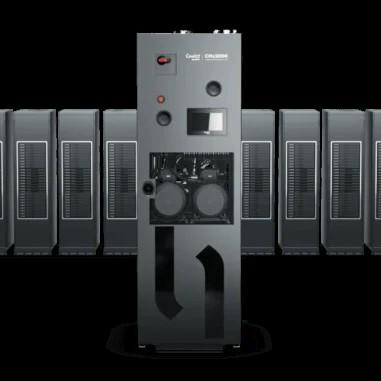
    A coolant distribution unit acts as the control hub of a liquid cooling environment. It manages the flow, pressure, #temperature, and quality of coolant circulating through servers and other heat-generating equipment. By precisely controlling coolant delivery, CDUs ensure that heat is efficiently removed from processors, #GPUs, and other high-performance components. This targeted approach improves thermal efficiency while reducing the energy required to cool modern computing environments.

    In today's advanced cooling systems, #CDU units operate by transferring heat from the facility water supply to a closed-loop coolant circuit. The unit continuously circulates coolant through cold plates or other liquid cooling components, absorbing heat directly from electronic equipment. Once the #coolant returns to the unit, heat is exchanged and removed before the cooled liquid is recirculated. This process enables consistent temperature control, even in high-density deployments where traditional cooling methods may be insufficient.

    The growing adoption of AI and machine learning workloads has further increased the importance of reliable #cooling_distribution_units. As computing power rises, so does heat generation. Efficient CDUs help maintain stable operating temperatures, reduce thermal stress on hardware, and support higher rack densities without sacrificing performance. This allows data center operators to maximize infrastructure utilization while improving energy efficiency and reducing operational costs. Boost Cooling Efficiency with Data Center CDUs: https://www.coolitsystems.com/products-services/data-center-products/cooling-distribution-units/

    Modern liquid cooling systems also provide significant scalability advantages. Organizations can deploy additional servers, accelerators, and AI #hardware without requiring extensive modifications to existing cooling infrastructure. By integrating advanced monitoring capabilities, cooling distribution units provide real-time visibility into system performance, enabling operators to optimize cooling effectiveness and identify potential issues before they impact operations.

    As a leader in advanced liquid cooling technology, #CoolIT_Systems continues to develop innovative thermal management solutions that help organizations meet the challenges of next-generation computing. By leveraging high-performance cooling systems and intelligent coolant management technologies, data centers can improve efficiency, enhance reliability, and prepare for future #growth with confidence. Discover cooling distribution units benefits and best practices today: https://spicewebs.com/cooling-distribution-units-explained-benefits-risks-and-best-practices/

    Whether you're supporting AI workloads, expanding capacity, or improving #energy efficiency, we can help you identify solutions that enhance performance, maximize uptime, and support long-term scalability. Find our location on the map ( https://maps.app.goo.gl/22chXYAq3H29H2rv6 ) and meet with our specialists to discover advanced cooling strategies designed to improve operational efficiency and prepare your infrastructure for future growth.

    How Cooling Distribution Units Work in Modern Data Center Environments At the center of these solutions are cooling distribution units, which help regulate and deliver coolant throughout the cooling network while maintaining optimal operating conditions. As data centers continue to support #AI, cloud computing, and high-performance workloads, thermal management has become a critical part of infrastructure planning. Traditional air-based methods often struggle to keep pace with increasing #rack_densities, leading organizations to adopt advanced liquid cooling systems. A coolant distribution unit acts as the control hub of a liquid cooling environment. It manages the flow, pressure, #temperature, and quality of coolant circulating through servers and other heat-generating equipment. By precisely controlling coolant delivery, CDUs ensure that heat is efficiently removed from processors, #GPUs, and other high-performance components. This targeted approach improves thermal efficiency while reducing the energy required to cool modern computing environments. In today's advanced cooling systems, #CDU units operate by transferring heat from the facility water supply to a closed-loop coolant circuit. The unit continuously circulates coolant through cold plates or other liquid cooling components, absorbing heat directly from electronic equipment. Once the #coolant returns to the unit, heat is exchanged and removed before the cooled liquid is recirculated. This process enables consistent temperature control, even in high-density deployments where traditional cooling methods may be insufficient. The growing adoption of AI and machine learning workloads has further increased the importance of reliable #cooling_distribution_units. As computing power rises, so does heat generation. Efficient CDUs help maintain stable operating temperatures, reduce thermal stress on hardware, and support higher rack densities without sacrificing performance. This allows data center operators to maximize infrastructure utilization while improving energy efficiency and reducing operational costs. Boost Cooling Efficiency with Data Center CDUs: https://www.coolitsystems.com/products-services/data-center-products/cooling-distribution-units/ Modern liquid cooling systems also provide significant scalability advantages. Organizations can deploy additional servers, accelerators, and AI #hardware without requiring extensive modifications to existing cooling infrastructure. By integrating advanced monitoring capabilities, cooling distribution units provide real-time visibility into system performance, enabling operators to optimize cooling effectiveness and identify potential issues before they impact operations. As a leader in advanced liquid cooling technology, #CoolIT_Systems continues to develop innovative thermal management solutions that help organizations meet the challenges of next-generation computing. By leveraging high-performance cooling systems and intelligent coolant management technologies, data centers can improve efficiency, enhance reliability, and prepare for future #growth with confidence. Discover cooling distribution units benefits and best practices today: https://spicewebs.com/cooling-distribution-units-explained-benefits-risks-and-best-practices/ Whether you're supporting AI workloads, expanding capacity, or improving #energy efficiency, we can help you identify solutions that enhance performance, maximize uptime, and support long-term scalability. Find our location on the map ( https://maps.app.goo.gl/22chXYAq3H29H2rv6 ) and meet with our specialists to discover advanced cooling strategies designed to improve operational efficiency and prepare your infrastructure for future growth.
    0 Comments 0 Shares
  • Rack Manifold Systems for Efficient Data Center Cooling Infrastructure

    Modern data centers require advanced cooling strategies to handle the increasing heat generated by #high_density_computing_environments. A rack manifold plays a crucial role in improving cooling efficiency by distributing coolant precisely to each rack. Instead of relying solely on traditional air cooling, many facilities now use liquid cooling systems that can manage higher thermal loads while consuming less energy. By integrating a well-designed rack manifold system, #data_centers can maintain stable temperatures, reduce operational costs, and support the performance demands of modern IT equipment.

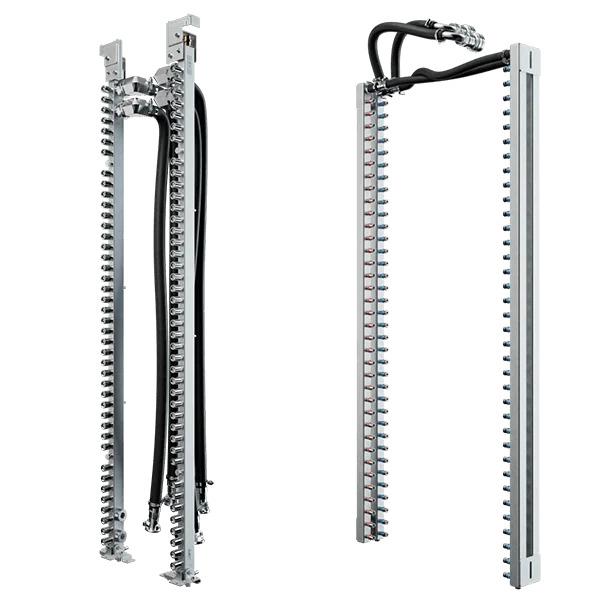
    As computing density continues to grow, the rack manifold becomes an essential component in #maintaining_reliability and preventing overheating in high-performance environments. A server rack manifold acts as a central distribution point for coolant flowing through liquid-cooled racks. It connects supply and return lines, ensuring that each rack receives the correct amount of coolant for optimal heat removal. This design #improves_scalability because additional racks can be connected without major infrastructure changes. Discover Reliable Direct Liquid Cooling Manifolds: https://www.coolitsystems.com/products-services/sercver-products/rack-manifolds/

    The use of a direct liquid cooling manifold further enhances efficiency by delivering coolant directly to cold plates or other liquid-cooled components inside the server racks. This approach removes heat closer to its source compared to #air_based_cooling methods. When implemented within a rack manifold system, the coolant flow can be carefully monitored and controlled, providing consistent thermal management across the entire data center. This level of precision helps operators achieve better #energy_efficiency and long-term equipment reliability. Explore our location: https://maps.app.goo.gl/22chXYAq3H29H2rv6

    Advanced cooling providers such as #CoolIT_Systems support data centers with innovative liquid cooling technologies that integrate seamlessly with modern infrastructure. For organizations planning to upgrade their #cooling_infrastructure, implementing a well-engineered direct liquid cooling manifold combined with a scalable rack manifold system can significantly improve overall performance. With the right design and implementation, facility teams can also locate us easily for consultation, support, and guidance in building efficient and future-ready cooling solutions.
    Rack Manifold Systems for Efficient Data Center Cooling Infrastructure Modern data centers require advanced cooling strategies to handle the increasing heat generated by #high_density_computing_environments. A rack manifold plays a crucial role in improving cooling efficiency by distributing coolant precisely to each rack. Instead of relying solely on traditional air cooling, many facilities now use liquid cooling systems that can manage higher thermal loads while consuming less energy. By integrating a well-designed rack manifold system, #data_centers can maintain stable temperatures, reduce operational costs, and support the performance demands of modern IT equipment. As computing density continues to grow, the rack manifold becomes an essential component in #maintaining_reliability and preventing overheating in high-performance environments. A server rack manifold acts as a central distribution point for coolant flowing through liquid-cooled racks. It connects supply and return lines, ensuring that each rack receives the correct amount of coolant for optimal heat removal. This design #improves_scalability because additional racks can be connected without major infrastructure changes. Discover Reliable Direct Liquid Cooling Manifolds: https://www.coolitsystems.com/products-services/sercver-products/rack-manifolds/ The use of a direct liquid cooling manifold further enhances efficiency by delivering coolant directly to cold plates or other liquid-cooled components inside the server racks. This approach removes heat closer to its source compared to #air_based_cooling methods. When implemented within a rack manifold system, the coolant flow can be carefully monitored and controlled, providing consistent thermal management across the entire data center. This level of precision helps operators achieve better #energy_efficiency and long-term equipment reliability. Explore our location: https://maps.app.goo.gl/22chXYAq3H29H2rv6 Advanced cooling providers such as #CoolIT_Systems support data centers with innovative liquid cooling technologies that integrate seamlessly with modern infrastructure. For organizations planning to upgrade their #cooling_infrastructure, implementing a well-engineered direct liquid cooling manifold combined with a scalable rack manifold system can significantly improve overall performance. With the right design and implementation, facility teams can also locate us easily for consultation, support, and guidance in building efficient and future-ready cooling solutions.
    0 Comments 0 Shares
  • Next-Gen Cold Plates for Efficient Data Center Liquid Cooling Solutions

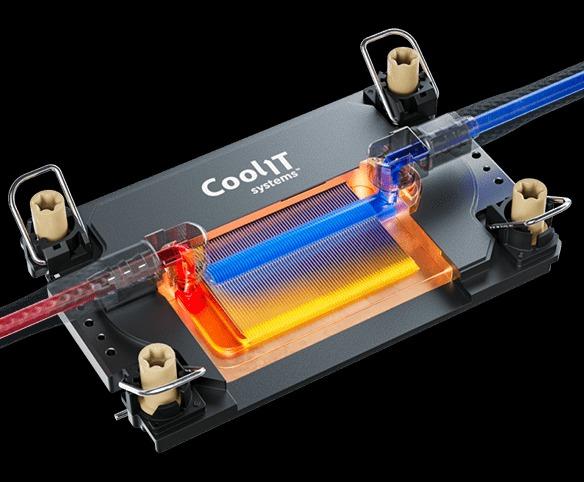
    Next-generation cold plates are redefining how modern #data_centers manage heat, especially as computing densities continue to rise with AI, HPC, and cloud workloads. Unlike traditional air cooling, advanced liquid cold plates deliver targeted thermal management directly at the source, ensuring faster heat dissipation and improved #system reliability. These precision-engineered solutions are designed to handle extreme heat loads while maintaining optimal performance, making them essential components of high-efficiency infrastructure.

    Modern coldplate #technology focuses on maximizing surface contact and fluid dynamics to enhance cooling efficiency. By circulating liquid through finely tuned channels, these systems remove heat more effectively than legacy methods. This not only reduces energy consumption but also supports higher processing power in compact environments. As sustainability becomes a priority, adopting liquid cold plates helps data centers significantly lower their #carbon_footprint while improving operational uptime. Find the right cold plate for your system: https://www.coolitsystems.com/products-services/server-products/coldplates/

    Innovations in cold plates now include modular designs, customizable configurations, and compatibility with a wide range of hardware components. These features allow seamless integration into existing systems while enabling scalability for future growth. Companies like #CoolIT_Systems are driving advancements by delivering high-performance #coldplate_solutions tailored for next-gen computing demands, ensuring both flexibility and efficiency for evolving data center needs. Visit our location: https://maps.app.goo.gl/22chXYAq3H29H2rv6

    Another key advantage of liquid cold plates is their ability to enable silent operation and reduce dependence on large cooling infrastructure. By minimizing the need for fans and #air_based_cooling_systems, data centers can achieve quieter environments and #lower_maintenance_costs. This makes cold plates an ideal solution not only for hyperscale facilities but also for edge computing and enterprise-level deployments where space and efficiency are critical.

    To explore how advanced coldplate solutions can transform your data center #cooling_strategy, connect with experts and learn more about innovative implementations. Whether you’re planning an upgrade or building new infrastructure, you can visit our location to discover cutting-edge #liquid_cooling technologies tailored to your needs.
    Next-Gen Cold Plates for Efficient Data Center Liquid Cooling Solutions Next-generation cold plates are redefining how modern #data_centers manage heat, especially as computing densities continue to rise with AI, HPC, and cloud workloads. Unlike traditional air cooling, advanced liquid cold plates deliver targeted thermal management directly at the source, ensuring faster heat dissipation and improved #system reliability. These precision-engineered solutions are designed to handle extreme heat loads while maintaining optimal performance, making them essential components of high-efficiency infrastructure. Modern coldplate #technology focuses on maximizing surface contact and fluid dynamics to enhance cooling efficiency. By circulating liquid through finely tuned channels, these systems remove heat more effectively than legacy methods. This not only reduces energy consumption but also supports higher processing power in compact environments. As sustainability becomes a priority, adopting liquid cold plates helps data centers significantly lower their #carbon_footprint while improving operational uptime. Find the right cold plate for your system: https://www.coolitsystems.com/products-services/server-products/coldplates/ Innovations in cold plates now include modular designs, customizable configurations, and compatibility with a wide range of hardware components. These features allow seamless integration into existing systems while enabling scalability for future growth. Companies like #CoolIT_Systems are driving advancements by delivering high-performance #coldplate_solutions tailored for next-gen computing demands, ensuring both flexibility and efficiency for evolving data center needs. Visit our location: https://maps.app.goo.gl/22chXYAq3H29H2rv6 Another key advantage of liquid cold plates is their ability to enable silent operation and reduce dependence on large cooling infrastructure. By minimizing the need for fans and #air_based_cooling_systems, data centers can achieve quieter environments and #lower_maintenance_costs. This makes cold plates an ideal solution not only for hyperscale facilities but also for edge computing and enterprise-level deployments where space and efficiency are critical. To explore how advanced coldplate solutions can transform your data center #cooling_strategy, connect with experts and learn more about innovative implementations. Whether you’re planning an upgrade or building new infrastructure, you can visit our location to discover cutting-edge #liquid_cooling technologies tailored to your needs.
    Coldplate Technology
    0 Comments 0 Shares
  • Cooling Efficiency in the Automotive Radiator Fan Market
    The Automotive Radiator Fan Market accelerates as vehicles adopt advanced engines and EV systems requiring efficient thermal management to maintain optimal engine performance.
    🔗 Download the Report: https://www.marketresearchfuture.com/reports/automotive-radiator-fan-market-10369
    Key drivers:
    • Rising vehicle production and engine performance requirements
    • Shift towards electric and hybrid vehicles
    • Adoption of smart cooling and energy-efficient fans
    #RadiatorFan #AutomotiveCooling #EVComponents #EngineEfficiency #SmartVehicles
    Cooling Efficiency in the Automotive Radiator Fan Market The Automotive Radiator Fan Market accelerates as vehicles adopt advanced engines and EV systems requiring efficient thermal management to maintain optimal engine performance. 🔗 Download the Report: https://www.marketresearchfuture.com/reports/automotive-radiator-fan-market-10369 Key drivers: • Rising vehicle production and engine performance requirements • Shift towards electric and hybrid vehicles • Adoption of smart cooling and energy-efficient fans #RadiatorFan #AutomotiveCooling #EVComponents #EngineEfficiency #SmartVehicles
    WWW.MARKETRESEARCHFUTURE.COM
    Automotive Radiator Fan Market Size, Share, Growth | Report, 2032
    Automotive Radiator Fan Market Globally Dominates North America Regions to grow at a CAGR of 5.5% through 2032. Industry analysis by Fan Type, Fit Type, Material Type, Vehicle Type, Sales Channel, Size, Share and region with forecast | Rise in vehicle production to drive the market.
    0 Comments 0 Shares
  • Get Reliable Window AC Gas Refill in Madiyanva Lucknow – Choose Galaxy AC Service

    As summer temperatures soar in Lucknow, a properly functioning air conditioner is not just a luxury—it’s a necessity. If your window AC isn’t cooling as effectively as before, it might be time for a gas refill. If you’re searching for window AC gas refill in Madiyanva Lucknow, Galaxy AC Service is your trusted local expert.

    Why Does Your Window AC Need a Gas Refill?
    Over time, even the best window AC units may lose refrigerant due to leaks or wear and tear. Low refrigerant levels reduce cooling efficiency and increase electricity consumption. Timely gas refilling helps restore your AC’s performance, improves air quality, and prolongs the unit's lifespan.

    Signs Your AC Needs a Gas Refill
    AC is blowing warm or less cool air

    Ice formation on the coils

    Hissing or bubbling sounds

    Higher electricity bills

    AC takes longer to cool the room

    If you notice any of these symptoms, it’s best to schedule a window AC gas refill in Madiyanva Lucknow right away.

    Why Choose Galaxy AC Service?
    Galaxy AC Service has built a strong reputation in Lucknow for delivering high-quality air conditioning solutions, including gas refilling services. Here's why customers trust us:

    Certified Technicians: Our experts are trained to handle all types of ACs with precision and care.

    Prompt Service: We offer quick response times, especially in Madiyanva and nearby localities.

    High-Quality Gas: We use genuine refrigerants for optimal performance and safety.

    Affordable Pricing: Get top-tier service without burning a hole in your pocket.

    Transparent Process: No hidden charges—just honest, reliable service.

    Book Your AC Gas Refill Today!
    Don’t wait for your comfort to be compromised. If your AC is underperforming, contact Galaxy AC Service for a professional window AC gas refill in Madiyanva Lucknow. We’re here to keep your summers cool and stress-free.

    📞 Call now or book online with Galaxy AC Service—your local AC expert in Lucknow.
    https://galaxyacservice.in/ac-services
    Get Reliable Window AC Gas Refill in Madiyanva Lucknow – Choose Galaxy AC Service As summer temperatures soar in Lucknow, a properly functioning air conditioner is not just a luxury—it’s a necessity. If your window AC isn’t cooling as effectively as before, it might be time for a gas refill. If you’re searching for window AC gas refill in Madiyanva Lucknow, Galaxy AC Service is your trusted local expert. Why Does Your Window AC Need a Gas Refill? Over time, even the best window AC units may lose refrigerant due to leaks or wear and tear. Low refrigerant levels reduce cooling efficiency and increase electricity consumption. Timely gas refilling helps restore your AC’s performance, improves air quality, and prolongs the unit's lifespan. Signs Your AC Needs a Gas Refill AC is blowing warm or less cool air Ice formation on the coils Hissing or bubbling sounds Higher electricity bills AC takes longer to cool the room If you notice any of these symptoms, it’s best to schedule a window AC gas refill in Madiyanva Lucknow right away. Why Choose Galaxy AC Service? Galaxy AC Service has built a strong reputation in Lucknow for delivering high-quality air conditioning solutions, including gas refilling services. Here's why customers trust us: Certified Technicians: Our experts are trained to handle all types of ACs with precision and care. Prompt Service: We offer quick response times, especially in Madiyanva and nearby localities. High-Quality Gas: We use genuine refrigerants for optimal performance and safety. Affordable Pricing: Get top-tier service without burning a hole in your pocket. Transparent Process: No hidden charges—just honest, reliable service. Book Your AC Gas Refill Today! Don’t wait for your comfort to be compromised. If your AC is underperforming, contact Galaxy AC Service for a professional window AC gas refill in Madiyanva Lucknow. We’re here to keep your summers cool and stress-free. 📞 Call now or book online with Galaxy AC Service—your local AC expert in Lucknow. https://galaxyacservice.in/ac-services
    AC Services
    0 Comments 0 Shares
No data to show
No data to show
No data to show
No data to show
No data to show