FinTech Cybersecurity: Protecting AI-Driven Financial Systems
Financial technology is transforming how banks, payment providers, insurance companies, and digital lenders deliver services. Artificial intelligence (AI) is enabling faster fraud detection, automated credit assessments, personalized financial recommendations, and real-time transaction monitoring. However, as financial institutions become increasingly dependent on AI-driven systems, cybersecurity risks are also growing. Protecting sensitive financial information, preventing unauthorized access, and maintaining customer trust have become essential priorities for the FinTech industry.
The Growing Role of AI in Financial Services
AI is becoming an important component of modern financial infrastructure. Machine learning models analyze transaction patterns to identify suspicious activities, while intelligent automation helps institutions process payments and assess financial risks more efficiently.
Generative AI and AI-powered assistants are also supporting customer service, compliance workflows, and financial data analysis. These applications can improve operational efficiency and help organizations respond to customer needs more quickly.
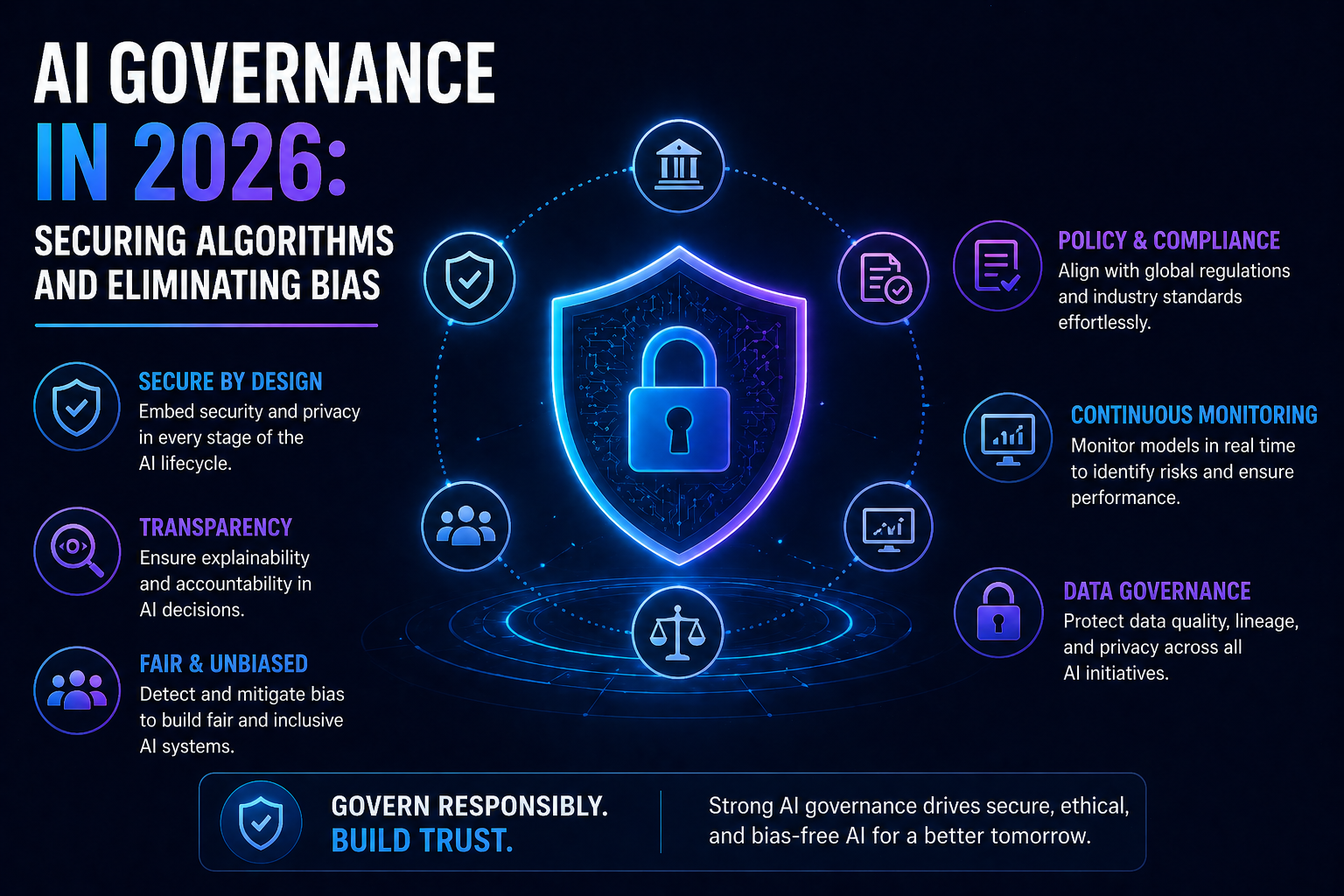
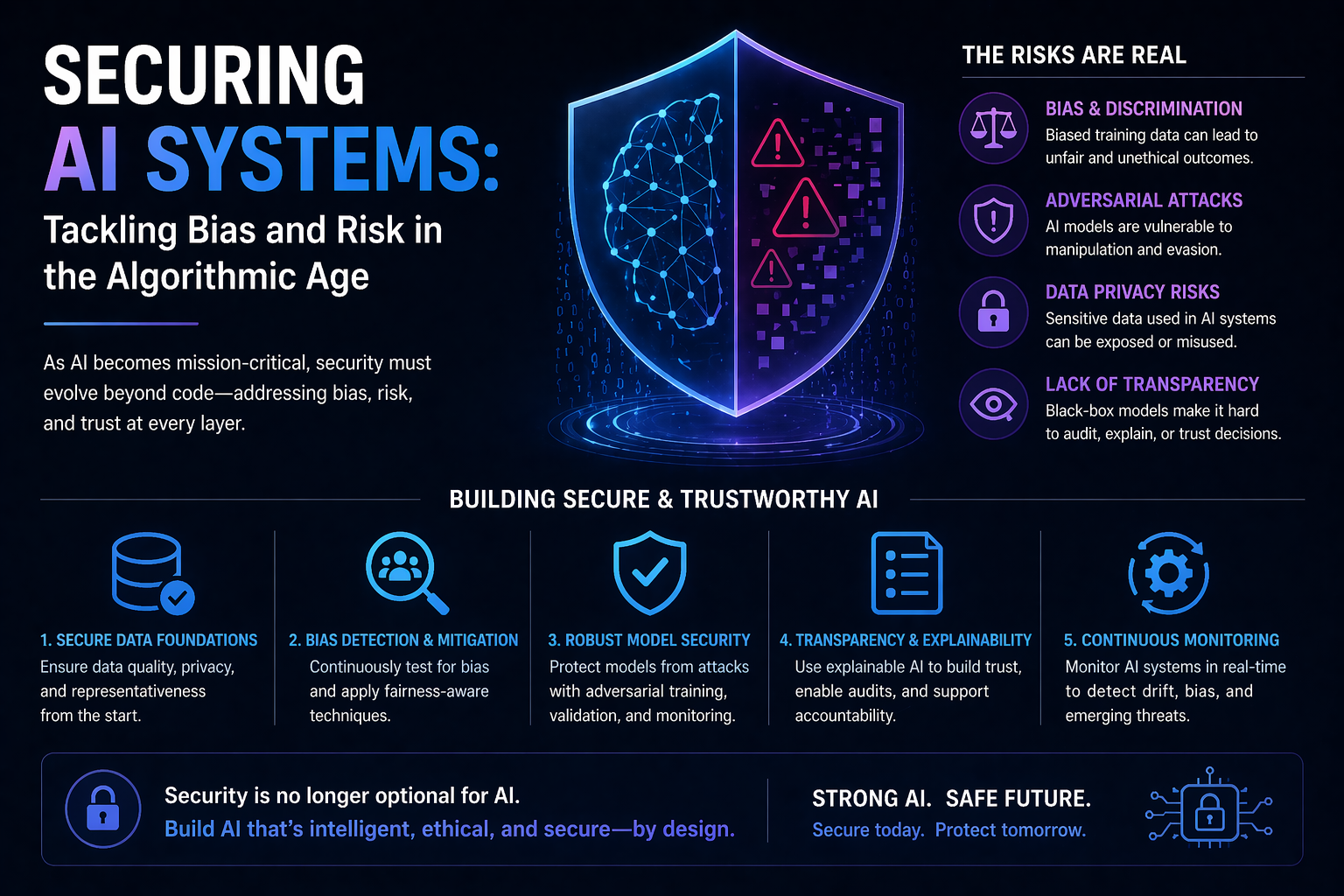
However, integrating AI into financial systems introduces additional security challenges. Financial institutions must protect not only their traditional networks and databases but also the data, models, applications, and automated processes that support AI operations.
Major Cybersecurity Threats Facing AI-Driven FinTech
1. AI-Powered Fraud and Social Engineering
Cybercriminals are using AI tools to create convincing phishing emails, impersonate executives, and generate synthetic voices or identities. These techniques can make fraudulent payment requests and account takeover attempts more difficult to detect.
Financial institutions must strengthen identity verification, implement multifactor authentication, and use behavioral analytics to identify unusual activities. Combining automated detection with human oversight can help reduce the risk of sophisticated financial fraud.
2. Data Privacy and Model Security
AI systems often process sensitive information, including transaction histories, personal identifiers, income details, and credit records. If this information is exposed through insecure integrations, excessive access permissions, or poorly managed AI applications, the consequences can be significant.
Organizations should apply encryption, data minimization, role-based access controls, and secure data handling policies. They should also evaluate whether AI systems retain sensitive information or expose confidential data through generated responses.
3. Adversarial Attacks and Data Manipulation
Machine learning models can be targeted through manipulated inputs or corrupted training data. These attacks may influence fraud detection, credit risk assessments, or transaction monitoring systems.
For example, manipulated data could cause a model to misclassify suspicious transactions as legitimate. Regular model testing, data validation, anomaly monitoring, and adversarial security assessments can help identify weaknesses before attackers exploit them.
4. Third-Party and API Vulnerabilities
FinTech platforms frequently integrate with payment gateways, banking systems, cloud services, identity providers, and external AI tools. Each connection can introduce additional security risks.
A vulnerability in a third-party service or poorly secured application programming interface (API) may expose sensitive financial data or enable unauthorized transactions. Organizations should conduct vendor risk assessments, enforce strong API authentication, monitor integrations, and review third-party access regularly.
Strategies to Strengthen FinTech Cybersecurity
Effective cybersecurity requires a comprehensive approach that combines technology, governance, and employee awareness.
First, financial institutions should adopt a zero-trust security model that continuously verifies users, devices, and applications before granting access. Strong authentication, least-privilege permissions, and network segmentation can limit the impact of compromised accounts.
Second, organizations should continuously monitor AI systems for unusual behavior, unexpected model outputs, data leakage, and changes in performance. Security teams must establish clear procedures for investigating alerts and responding to incidents.
Third, financial institutions should maintain regular security testing, incident response exercises, and recovery plans. AI models and supporting infrastructure should be assessed throughout their lifecycle, from development and deployment to updates and retirement.
Finally, companies should provide cybersecurity training to employees and establish clear governance for the use of AI tools. Staff must understand the risks of sharing confidential information with unauthorized applications and recognize emerging fraud techniques.
The Importance of Compliance and Customer Trust
Financial institutions operate under strict data protection, cybersecurity, and financial regulatory requirements that vary by jurisdiction. Integrating AI requires organizations to evaluate how existing obligations apply to automated decisions, sensitive information, model accountability, and third-party services.
Transparent security practices and responsible AI governance can strengthen customer confidence while helping institutions manage operational and regulatory risks.
Conclusion
AI-driven financial systems offer significant opportunities to improve fraud prevention, customer service, and operational efficiency. However, these benefits depend on the ability to protect financial data, secure AI models, and prevent increasingly sophisticated cyberattacks.
By combining robust access controls, continuous monitoring, secure integrations, regular testing, and responsible AI governance, FinTech organizations can build more resilient financial systems. As AI adoption expands, cybersecurity will remain fundamental to protecting digital transactions, maintaining regulatory compliance, and sustaining trust in financial innovation.
Read More: https://thefintech.info/
Financial technology is transforming how banks, payment providers, insurance companies, and digital lenders deliver services. Artificial intelligence (AI) is enabling faster fraud detection, automated credit assessments, personalized financial recommendations, and real-time transaction monitoring. However, as financial institutions become increasingly dependent on AI-driven systems, cybersecurity risks are also growing. Protecting sensitive financial information, preventing unauthorized access, and maintaining customer trust have become essential priorities for the FinTech industry.
The Growing Role of AI in Financial Services
AI is becoming an important component of modern financial infrastructure. Machine learning models analyze transaction patterns to identify suspicious activities, while intelligent automation helps institutions process payments and assess financial risks more efficiently.
Generative AI and AI-powered assistants are also supporting customer service, compliance workflows, and financial data analysis. These applications can improve operational efficiency and help organizations respond to customer needs more quickly.
However, integrating AI into financial systems introduces additional security challenges. Financial institutions must protect not only their traditional networks and databases but also the data, models, applications, and automated processes that support AI operations.
Major Cybersecurity Threats Facing AI-Driven FinTech
1. AI-Powered Fraud and Social Engineering
Cybercriminals are using AI tools to create convincing phishing emails, impersonate executives, and generate synthetic voices or identities. These techniques can make fraudulent payment requests and account takeover attempts more difficult to detect.
Financial institutions must strengthen identity verification, implement multifactor authentication, and use behavioral analytics to identify unusual activities. Combining automated detection with human oversight can help reduce the risk of sophisticated financial fraud.
2. Data Privacy and Model Security
AI systems often process sensitive information, including transaction histories, personal identifiers, income details, and credit records. If this information is exposed through insecure integrations, excessive access permissions, or poorly managed AI applications, the consequences can be significant.
Organizations should apply encryption, data minimization, role-based access controls, and secure data handling policies. They should also evaluate whether AI systems retain sensitive information or expose confidential data through generated responses.
3. Adversarial Attacks and Data Manipulation
Machine learning models can be targeted through manipulated inputs or corrupted training data. These attacks may influence fraud detection, credit risk assessments, or transaction monitoring systems.
For example, manipulated data could cause a model to misclassify suspicious transactions as legitimate. Regular model testing, data validation, anomaly monitoring, and adversarial security assessments can help identify weaknesses before attackers exploit them.
4. Third-Party and API Vulnerabilities
FinTech platforms frequently integrate with payment gateways, banking systems, cloud services, identity providers, and external AI tools. Each connection can introduce additional security risks.
A vulnerability in a third-party service or poorly secured application programming interface (API) may expose sensitive financial data or enable unauthorized transactions. Organizations should conduct vendor risk assessments, enforce strong API authentication, monitor integrations, and review third-party access regularly.
Strategies to Strengthen FinTech Cybersecurity
Effective cybersecurity requires a comprehensive approach that combines technology, governance, and employee awareness.
First, financial institutions should adopt a zero-trust security model that continuously verifies users, devices, and applications before granting access. Strong authentication, least-privilege permissions, and network segmentation can limit the impact of compromised accounts.
Second, organizations should continuously monitor AI systems for unusual behavior, unexpected model outputs, data leakage, and changes in performance. Security teams must establish clear procedures for investigating alerts and responding to incidents.
Third, financial institutions should maintain regular security testing, incident response exercises, and recovery plans. AI models and supporting infrastructure should be assessed throughout their lifecycle, from development and deployment to updates and retirement.
Finally, companies should provide cybersecurity training to employees and establish clear governance for the use of AI tools. Staff must understand the risks of sharing confidential information with unauthorized applications and recognize emerging fraud techniques.
The Importance of Compliance and Customer Trust
Financial institutions operate under strict data protection, cybersecurity, and financial regulatory requirements that vary by jurisdiction. Integrating AI requires organizations to evaluate how existing obligations apply to automated decisions, sensitive information, model accountability, and third-party services.
Transparent security practices and responsible AI governance can strengthen customer confidence while helping institutions manage operational and regulatory risks.
Conclusion
AI-driven financial systems offer significant opportunities to improve fraud prevention, customer service, and operational efficiency. However, these benefits depend on the ability to protect financial data, secure AI models, and prevent increasingly sophisticated cyberattacks.
By combining robust access controls, continuous monitoring, secure integrations, regular testing, and responsible AI governance, FinTech organizations can build more resilient financial systems. As AI adoption expands, cybersecurity will remain fundamental to protecting digital transactions, maintaining regulatory compliance, and sustaining trust in financial innovation.
Read More: https://thefintech.info/
FinTech Cybersecurity: Protecting AI-Driven Financial Systems
Financial technology is transforming how banks, payment providers, insurance companies, and digital lenders deliver services. Artificial intelligence (AI) is enabling faster fraud detection, automated credit assessments, personalized financial recommendations, and real-time transaction monitoring. However, as financial institutions become increasingly dependent on AI-driven systems, cybersecurity risks are also growing. Protecting sensitive financial information, preventing unauthorized access, and maintaining customer trust have become essential priorities for the FinTech industry.
The Growing Role of AI in Financial Services
AI is becoming an important component of modern financial infrastructure. Machine learning models analyze transaction patterns to identify suspicious activities, while intelligent automation helps institutions process payments and assess financial risks more efficiently.
Generative AI and AI-powered assistants are also supporting customer service, compliance workflows, and financial data analysis. These applications can improve operational efficiency and help organizations respond to customer needs more quickly.
However, integrating AI into financial systems introduces additional security challenges. Financial institutions must protect not only their traditional networks and databases but also the data, models, applications, and automated processes that support AI operations.
Major Cybersecurity Threats Facing AI-Driven FinTech
1. AI-Powered Fraud and Social Engineering
Cybercriminals are using AI tools to create convincing phishing emails, impersonate executives, and generate synthetic voices or identities. These techniques can make fraudulent payment requests and account takeover attempts more difficult to detect.
Financial institutions must strengthen identity verification, implement multifactor authentication, and use behavioral analytics to identify unusual activities. Combining automated detection with human oversight can help reduce the risk of sophisticated financial fraud.
2. Data Privacy and Model Security
AI systems often process sensitive information, including transaction histories, personal identifiers, income details, and credit records. If this information is exposed through insecure integrations, excessive access permissions, or poorly managed AI applications, the consequences can be significant.
Organizations should apply encryption, data minimization, role-based access controls, and secure data handling policies. They should also evaluate whether AI systems retain sensitive information or expose confidential data through generated responses.
3. Adversarial Attacks and Data Manipulation
Machine learning models can be targeted through manipulated inputs or corrupted training data. These attacks may influence fraud detection, credit risk assessments, or transaction monitoring systems.
For example, manipulated data could cause a model to misclassify suspicious transactions as legitimate. Regular model testing, data validation, anomaly monitoring, and adversarial security assessments can help identify weaknesses before attackers exploit them.
4. Third-Party and API Vulnerabilities
FinTech platforms frequently integrate with payment gateways, banking systems, cloud services, identity providers, and external AI tools. Each connection can introduce additional security risks.
A vulnerability in a third-party service or poorly secured application programming interface (API) may expose sensitive financial data or enable unauthorized transactions. Organizations should conduct vendor risk assessments, enforce strong API authentication, monitor integrations, and review third-party access regularly.
Strategies to Strengthen FinTech Cybersecurity
Effective cybersecurity requires a comprehensive approach that combines technology, governance, and employee awareness.
First, financial institutions should adopt a zero-trust security model that continuously verifies users, devices, and applications before granting access. Strong authentication, least-privilege permissions, and network segmentation can limit the impact of compromised accounts.
Second, organizations should continuously monitor AI systems for unusual behavior, unexpected model outputs, data leakage, and changes in performance. Security teams must establish clear procedures for investigating alerts and responding to incidents.
Third, financial institutions should maintain regular security testing, incident response exercises, and recovery plans. AI models and supporting infrastructure should be assessed throughout their lifecycle, from development and deployment to updates and retirement.
Finally, companies should provide cybersecurity training to employees and establish clear governance for the use of AI tools. Staff must understand the risks of sharing confidential information with unauthorized applications and recognize emerging fraud techniques.
The Importance of Compliance and Customer Trust
Financial institutions operate under strict data protection, cybersecurity, and financial regulatory requirements that vary by jurisdiction. Integrating AI requires organizations to evaluate how existing obligations apply to automated decisions, sensitive information, model accountability, and third-party services.
Transparent security practices and responsible AI governance can strengthen customer confidence while helping institutions manage operational and regulatory risks.
Conclusion
AI-driven financial systems offer significant opportunities to improve fraud prevention, customer service, and operational efficiency. However, these benefits depend on the ability to protect financial data, secure AI models, and prevent increasingly sophisticated cyberattacks.
By combining robust access controls, continuous monitoring, secure integrations, regular testing, and responsible AI governance, FinTech organizations can build more resilient financial systems. As AI adoption expands, cybersecurity will remain fundamental to protecting digital transactions, maintaining regulatory compliance, and sustaining trust in financial innovation.
Read More: https://thefintech.info/
0 Comments
0 Shares