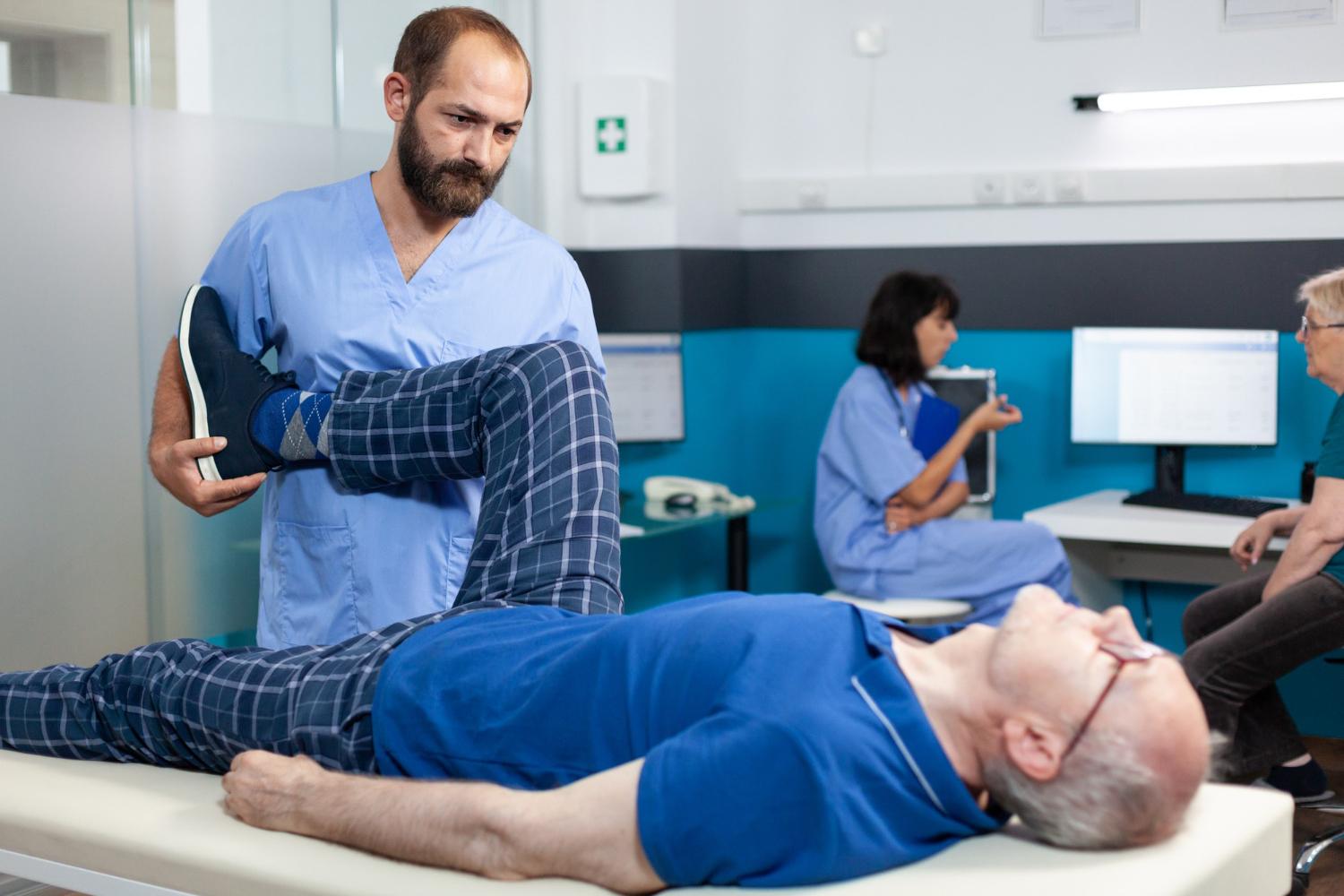
• Precision Medicine: Transforming Healthcare Through Personalized Treatment
    Precision medicine is emerging as one of the most important developments in modern healthcare, changing the way diseases are diagnosed, treated, and prevented. Instead of applying the same treatment approach to every patient with a particular condition, precision medicine considers individual differences in genetics, lifestyle, environment, and health history. This approach enables healthcare professionals to develop more targeted and personalized strategies for patient care.

    What Is Precision Medicine?
    Precision medicine is a healthcare approach that uses patient-specific information to understand disease risk and determine the most appropriate treatment. Genetic information, molecular data, medical records, imaging, and other health information can be analyzed to identify characteristics that influence how a person develops a disease or responds to a particular therapy.

    Traditional medicine often follows a standardized treatment model. Precision medicine, by comparison, aims to answer a more specific question: Which treatment is most likely to work for this individual patient?

    Advances in genomics, artificial intelligence (AI), data analytics, and biotechnology are making this approach increasingly practical across different areas of healthcare.

    The Role of Genomics in Precision Medicine
    Genomic information is one of the foundations of precision medicine. By analyzing a patient's DNA, clinicians and researchers can identify genetic variations associated with certain diseases or treatment responses.

    This is particularly valuable in oncology. Cancer patients may have tumors with specific genetic mutations that influence how the cancer grows and which therapies are likely to be effective. Molecular testing can help identify these characteristics and support the selection of targeted treatments.

    Pharmacogenomics is another important application. It examines how genetic differences affect a person's response to medications. This information can potentially help healthcare professionals select medications and dosages while reducing the risk of adverse reactions.

    Artificial Intelligence and Data Analytics
    The growing volume of healthcare data is creating new opportunities for precision medicine. AI and machine learning can analyze large datasets containing genomic information, clinical records, medical images, and laboratory results.

    These technologies can help researchers identify patterns that may be difficult to detect using traditional methods. AI-driven systems can support disease-risk prediction, patient stratification, drug discovery, and treatment-response analysis.

    For example, machine learning models can combine genetic and clinical information to identify patient groups that may benefit from particular therapies. As these technologies mature, data-driven approaches could become increasingly integrated into clinical decision-making.

    Applications Beyond Cancer
    Although cancer care has been a major area of precision medicine research, its potential extends across numerous medical fields. Researchers are exploring personalized approaches for cardiovascular diseases, neurological disorders, diabetes, rare diseases, and infectious diseases.

    In rare diseases, genomic sequencing can help identify previously unknown genetic causes and potentially shorten the diagnostic journey. In cardiovascular care, individual genetic and clinical characteristics may help assess disease risk and guide prevention strategies.

    Precision medicine may also contribute to preventive healthcare by identifying individuals who have elevated risks for certain conditions before symptoms develop.

    Challenges and Considerations
    Despite its potential, precision medicine faces several challenges. Genomic testing and advanced diagnostics can be expensive, and access to these technologies remains unequal across healthcare systems.

    Data privacy and security are also major concerns because genomic information is highly sensitive. Healthcare organizations must implement strong safeguards to protect patient information and ensure that data is used responsibly.

    Another challenge is interpreting complex biological data. Not every genetic variation has a clearly understood clinical meaning, and researchers continue to discover how genes interact with environmental and lifestyle factors.

    The Future of Precision Medicine
    The future of precision medicine will likely depend on the convergence of genomics, AI, biotechnology, cloud computing, and healthcare data platforms. As genomic sequencing becomes more accessible and analytical technologies become more sophisticated, personalized treatment could become increasingly common.

    Ultimately, precision medicine represents a shift from a one-size-fits-all model toward more individualized healthcare. By combining biological, clinical, and environmental information, it has the potential to improve diagnosis, support more targeted treatments, reduce unnecessary therapies, and strengthen preventive care.

    As research and technology continue to advance, precision medicine could become a fundamental component of the next generation of healthcare.

    Read More: https://thehealthco.info/
    Precision Medicine: Transforming Healthcare Through Personalized Treatment Precision medicine is emerging as one of the most important developments in modern healthcare, changing the way diseases are diagnosed, treated, and prevented. Instead of applying the same treatment approach to every patient with a particular condition, precision medicine considers individual differences in genetics, lifestyle, environment, and health history. This approach enables healthcare professionals to develop more targeted and personalized strategies for patient care. What Is Precision Medicine? Precision medicine is a healthcare approach that uses patient-specific information to understand disease risk and determine the most appropriate treatment. Genetic information, molecular data, medical records, imaging, and other health information can be analyzed to identify characteristics that influence how a person develops a disease or responds to a particular therapy. Traditional medicine often follows a standardized treatment model. Precision medicine, by comparison, aims to answer a more specific question: Which treatment is most likely to work for this individual patient? Advances in genomics, artificial intelligence (AI), data analytics, and biotechnology are making this approach increasingly practical across different areas of healthcare. The Role of Genomics in Precision Medicine Genomic information is one of the foundations of precision medicine. By analyzing a patient's DNA, clinicians and researchers can identify genetic variations associated with certain diseases or treatment responses. This is particularly valuable in oncology. Cancer patients may have tumors with specific genetic mutations that influence how the cancer grows and which therapies are likely to be effective. Molecular testing can help identify these characteristics and support the selection of targeted treatments. Pharmacogenomics is another important application. It examines how genetic differences affect a person's response to medications. This information can potentially help healthcare professionals select medications and dosages while reducing the risk of adverse reactions. Artificial Intelligence and Data Analytics The growing volume of healthcare data is creating new opportunities for precision medicine. AI and machine learning can analyze large datasets containing genomic information, clinical records, medical images, and laboratory results. These technologies can help researchers identify patterns that may be difficult to detect using traditional methods. AI-driven systems can support disease-risk prediction, patient stratification, drug discovery, and treatment-response analysis. For example, machine learning models can combine genetic and clinical information to identify patient groups that may benefit from particular therapies. As these technologies mature, data-driven approaches could become increasingly integrated into clinical decision-making. Applications Beyond Cancer Although cancer care has been a major area of precision medicine research, its potential extends across numerous medical fields. Researchers are exploring personalized approaches for cardiovascular diseases, neurological disorders, diabetes, rare diseases, and infectious diseases. In rare diseases, genomic sequencing can help identify previously unknown genetic causes and potentially shorten the diagnostic journey. In cardiovascular care, individual genetic and clinical characteristics may help assess disease risk and guide prevention strategies. Precision medicine may also contribute to preventive healthcare by identifying individuals who have elevated risks for certain conditions before symptoms develop. Challenges and Considerations Despite its potential, precision medicine faces several challenges. Genomic testing and advanced diagnostics can be expensive, and access to these technologies remains unequal across healthcare systems. Data privacy and security are also major concerns because genomic information is highly sensitive. Healthcare organizations must implement strong safeguards to protect patient information and ensure that data is used responsibly. Another challenge is interpreting complex biological data. Not every genetic variation has a clearly understood clinical meaning, and researchers continue to discover how genes interact with environmental and lifestyle factors. The Future of Precision Medicine The future of precision medicine will likely depend on the convergence of genomics, AI, biotechnology, cloud computing, and healthcare data platforms. As genomic sequencing becomes more accessible and analytical technologies become more sophisticated, personalized treatment could become increasingly common. Ultimately, precision medicine represents a shift from a one-size-fits-all model toward more individualized healthcare. By combining biological, clinical, and environmental information, it has the potential to improve diagnosis, support more targeted treatments, reduce unnecessary therapies, and strengthen preventive care. As research and technology continue to advance, precision medicine could become a fundamental component of the next generation of healthcare. Read More: https://thehealthco.info/
    Latest HealthTech News, AI & Insights | The HealthCo
    The HealthCo shares healthcare news, AI insights, biotech trends, and medical innovations to help professionals stay updated on global healthcare technology.
    0 Comments 0 Shares
  • Wearable Health Technology: Revolutionizing Personalized Healthcare
    Wearable health technology has transformed the way individuals monitor, manage, and improve their well-being. From smartwatches and fitness trackers to advanced medical wearables, these devices provide real-time insights into vital health metrics, empowering users to make informed lifestyle decisions. As healthcare shifts toward preventive and personalized care, wearable technology is becoming an essential tool for patients, healthcare providers, and fitness enthusiasts alike.

    What Is Wearable Health Technology?
    Wearable health technology refers to electronic devices that users wear on their bodies to collect, analyze, and transmit health-related data. These devices utilize sensors, artificial intelligence (AI), and cloud connectivity to monitor various physiological parameters such as heart rate, blood oxygen levels, sleep quality, physical activity, and even stress levels.

    Unlike traditional healthcare methods that rely on periodic medical checkups, wearable devices provide continuous health monitoring, allowing users to detect potential health issues before they become serious.

    Types of Wearable Health Devices
    The wearable health technology market includes a wide range of devices designed for different healthcare needs:

    Smartwatches: Track heart rate, ECG, sleep patterns, calorie burn, and physical activity.
    Fitness Bands: Monitor daily steps, exercise routines, and overall fitness goals.
    Smart Rings: Offer discreet tracking of sleep quality, heart rate variability, and body temperature.
    Continuous Glucose Monitors (CGMs): Help diabetes patients monitor blood sugar levels without frequent finger-prick tests.
    Wearable ECG Monitors: Detect irregular heart rhythms and assist in early diagnosis of cardiovascular conditions.
    Smart Clothing: Embedded sensors monitor posture, muscle activity, and athletic performance.
    These innovations are making healthcare more accessible and data-driven than ever before.

    Key Benefits of Wearable Health Technology
    1. Real-Time Health Monitoring
    Wearables continuously collect health data throughout the day. This enables users to identify abnormal changes in heart rate, oxygen saturation, or sleep patterns and seek medical advice when necessary.

    2. Early Disease Detection
    Many wearable devices can identify warning signs of conditions such as atrial fibrillation, hypertension, or sleep apnea before symptoms become severe. Early detection significantly improves treatment outcomes.

    3. Improved Fitness and Wellness
    Fitness wearables encourage healthier lifestyles by tracking workouts, calories burned, hydration, and daily activity goals. Personalized recommendations help users stay motivated and achieve long-term wellness objectives.

    4. Better Chronic Disease Management
    Patients with diabetes, heart disease, or respiratory conditions benefit from continuous monitoring, enabling healthcare providers to make informed treatment decisions based on real-time data.

    5. Remote Patient Monitoring
    Healthcare professionals can remotely monitor patients using connected wearable devices. This reduces unnecessary hospital visits while improving patient care, especially for elderly individuals and those living in remote areas.

    The Role of Artificial Intelligence
    Artificial intelligence plays a crucial role in wearable health technology by analyzing massive volumes of biometric data. AI algorithms can identify patterns, predict potential health risks, and provide personalized recommendations based on an individual's health history and lifestyle.

    For example, AI-powered wearables can alert users about irregular heart rhythms, predict stress levels, or recommend exercise adjustments based on recovery data.

    Challenges Facing Wearable Health Technology
    Despite rapid adoption, wearable health devices face several challenges:

    Privacy and security concerns regarding sensitive health data.
    Battery life limitations for continuous monitoring.
    Data accuracy differences across manufacturers.
    High costs for advanced medical-grade wearables.
    Integration challenges with hospital electronic health record systems.
    Addressing these issues will be essential for wider adoption in clinical settings.

    Future Trends
    The future of wearable health technology is expected to include more advanced biosensors, non-invasive health monitoring, AI-powered predictive analytics, and deeper integration with telemedicine platforms. Future devices may continuously monitor blood pressure, hydration, stress hormones, and even detect early signs of infectious diseases.

    Healthcare providers are increasingly adopting wearable-generated data to personalize treatments and improve patient outcomes. Combined with machine learning and cloud computing, wearable technology will play a central role in preventive healthcare.

    Conclusion
    Wearable health technology is reshaping modern healthcare by providing continuous monitoring, early disease detection, and personalized wellness insights. As sensor technology, artificial intelligence, and digital health platforms continue to evolve, wearable devices will become even more accurate, affordable, and integrated into everyday life. By empowering individuals to actively manage their health, wearable technology is helping build a future where healthcare is more proactive, connected, and patient-centered.

    Read More: https://thehealthco.info/


    Wearable Health Technology: Revolutionizing Personalized Healthcare Wearable health technology has transformed the way individuals monitor, manage, and improve their well-being. From smartwatches and fitness trackers to advanced medical wearables, these devices provide real-time insights into vital health metrics, empowering users to make informed lifestyle decisions. As healthcare shifts toward preventive and personalized care, wearable technology is becoming an essential tool for patients, healthcare providers, and fitness enthusiasts alike. What Is Wearable Health Technology? Wearable health technology refers to electronic devices that users wear on their bodies to collect, analyze, and transmit health-related data. These devices utilize sensors, artificial intelligence (AI), and cloud connectivity to monitor various physiological parameters such as heart rate, blood oxygen levels, sleep quality, physical activity, and even stress levels. Unlike traditional healthcare methods that rely on periodic medical checkups, wearable devices provide continuous health monitoring, allowing users to detect potential health issues before they become serious. Types of Wearable Health Devices The wearable health technology market includes a wide range of devices designed for different healthcare needs: Smartwatches: Track heart rate, ECG, sleep patterns, calorie burn, and physical activity. Fitness Bands: Monitor daily steps, exercise routines, and overall fitness goals. Smart Rings: Offer discreet tracking of sleep quality, heart rate variability, and body temperature. Continuous Glucose Monitors (CGMs): Help diabetes patients monitor blood sugar levels without frequent finger-prick tests. Wearable ECG Monitors: Detect irregular heart rhythms and assist in early diagnosis of cardiovascular conditions. Smart Clothing: Embedded sensors monitor posture, muscle activity, and athletic performance. These innovations are making healthcare more accessible and data-driven than ever before. Key Benefits of Wearable Health Technology 1. Real-Time Health Monitoring Wearables continuously collect health data throughout the day. This enables users to identify abnormal changes in heart rate, oxygen saturation, or sleep patterns and seek medical advice when necessary. 2. Early Disease Detection Many wearable devices can identify warning signs of conditions such as atrial fibrillation, hypertension, or sleep apnea before symptoms become severe. Early detection significantly improves treatment outcomes. 3. Improved Fitness and Wellness Fitness wearables encourage healthier lifestyles by tracking workouts, calories burned, hydration, and daily activity goals. Personalized recommendations help users stay motivated and achieve long-term wellness objectives. 4. Better Chronic Disease Management Patients with diabetes, heart disease, or respiratory conditions benefit from continuous monitoring, enabling healthcare providers to make informed treatment decisions based on real-time data. 5. Remote Patient Monitoring Healthcare professionals can remotely monitor patients using connected wearable devices. This reduces unnecessary hospital visits while improving patient care, especially for elderly individuals and those living in remote areas. The Role of Artificial Intelligence Artificial intelligence plays a crucial role in wearable health technology by analyzing massive volumes of biometric data. AI algorithms can identify patterns, predict potential health risks, and provide personalized recommendations based on an individual's health history and lifestyle. For example, AI-powered wearables can alert users about irregular heart rhythms, predict stress levels, or recommend exercise adjustments based on recovery data. Challenges Facing Wearable Health Technology Despite rapid adoption, wearable health devices face several challenges: Privacy and security concerns regarding sensitive health data. Battery life limitations for continuous monitoring. Data accuracy differences across manufacturers. High costs for advanced medical-grade wearables. Integration challenges with hospital electronic health record systems. Addressing these issues will be essential for wider adoption in clinical settings. Future Trends The future of wearable health technology is expected to include more advanced biosensors, non-invasive health monitoring, AI-powered predictive analytics, and deeper integration with telemedicine platforms. Future devices may continuously monitor blood pressure, hydration, stress hormones, and even detect early signs of infectious diseases. Healthcare providers are increasingly adopting wearable-generated data to personalize treatments and improve patient outcomes. Combined with machine learning and cloud computing, wearable technology will play a central role in preventive healthcare. Conclusion Wearable health technology is reshaping modern healthcare by providing continuous monitoring, early disease detection, and personalized wellness insights. As sensor technology, artificial intelligence, and digital health platforms continue to evolve, wearable devices will become even more accurate, affordable, and integrated into everyday life. By empowering individuals to actively manage their health, wearable technology is helping build a future where healthcare is more proactive, connected, and patient-centered. Read More: https://thehealthco.info/
    Latest HealthTech News, AI & Insights | The HealthCo
    The HealthCo shares healthcare news, AI insights, biotech trends, and medical innovations to help professionals stay updated on global healthcare technology.
    0 Comments 0 Shares
  • Many individuals struggle to maintain a healthy weight without the right guidance. If you are searching for professional help with weight loss in Hyattsville, Right Weight Center provides medically supervised programs focused on long-term success. At Right Weight Center, the weight loss process begins with a comprehensive evaluation to understand your health history, lifestyle, and goals. This information helps create a personalized program designed to encourage safe fat loss while improving overall wellness. Our team monitors your progress regularly and makes adjustments to keep you on track. People seeking reliable weight loss Hyattsville services trust Right Weight Center for its patient-focused approach and commitment to sustainable results. By combining professional guidance with healthy lifestyle changes, we help clients achieve lasting improvements in both their weight and overall health. https://www.rightweightcenter.com/medical-weight-loss-hyattsville-md
    Many individuals struggle to maintain a healthy weight without the right guidance. If you are searching for professional help with weight loss in Hyattsville, Right Weight Center provides medically supervised programs focused on long-term success. At Right Weight Center, the weight loss process begins with a comprehensive evaluation to understand your health history, lifestyle, and goals. This information helps create a personalized program designed to encourage safe fat loss while improving overall wellness. Our team monitors your progress regularly and makes adjustments to keep you on track. People seeking reliable weight loss Hyattsville services trust Right Weight Center for its patient-focused approach and commitment to sustainable results. By combining professional guidance with healthy lifestyle changes, we help clients achieve lasting improvements in both their weight and overall health. https://www.rightweightcenter.com/medical-weight-loss-hyattsville-md
    WWW.RIGHTWEIGHTCENTER.COM
    Medical Weight Loss Hyattsville, MD  | Right Weight Center
    Do you need a weight loss clinic in Hyattsville area? We offer reliable medical weight loss solutions in Hyattsville, MD. Schedule an appointment for medical weight loss today.
    0 Comments 0 Shares
  • If you are searching for effective weight loss in College Park, choosing a medically guided program can help you achieve long-term success. At Right Weight Center, we provide personalized weight loss plans designed to meet your unique health needs and lifestyle. Our approach focuses on safe, steady progress rather than quick fixes that don’t last. At Right Weight Center, every journey begins with a detailed consultation. We assess your health history, weight-loss goals, and daily habits to create a customised strategy for you. This structured approach ensures that your weight loss College Park experience is both effective and sustainable. https://www.rightweightcenter.com/medical-weight-loss-college-park-md
    If you are searching for effective weight loss in College Park, choosing a medically guided program can help you achieve long-term success. At Right Weight Center, we provide personalized weight loss plans designed to meet your unique health needs and lifestyle. Our approach focuses on safe, steady progress rather than quick fixes that don’t last. At Right Weight Center, every journey begins with a detailed consultation. We assess your health history, weight-loss goals, and daily habits to create a customised strategy for you. This structured approach ensures that your weight loss College Park experience is both effective and sustainable. https://www.rightweightcenter.com/medical-weight-loss-college-park-md
    WWW.RIGHTWEIGHTCENTER.COM
    Medical Weight Loss College Park, MD | Right Weight Center
    Looking for weight loss clinic in College Park area? We provide reliable medical weight loss solutions in College Park, MD area. Schedule a weight loss session today.
    0 Comments 0 Shares
  • At Right Weight Center, every client starts with a comprehensive consultation to assess their goals and health history. This allows us to develop a personalised strategy that caters to each individual's unique needs. Rather than relying on quick fixes or fad diets, our programs emphasise healthy lifestyle changes that promote sustainable weight loss and enhanced well-being. Residents seeking trusted weight loss solutions in Hyattsville rely on Right Weight Center for professional care and ongoing support. With regular progress monitoring and expert guidance, clients stay motivated throughout their journey. Start your path toward a healthier lifestyle today with the experienced team at Right Weight Center. visit now: https://www.rightweightcenter.com/medical-weight-loss-hyattsville-md
    At Right Weight Center, every client starts with a comprehensive consultation to assess their goals and health history. This allows us to develop a personalised strategy that caters to each individual's unique needs. Rather than relying on quick fixes or fad diets, our programs emphasise healthy lifestyle changes that promote sustainable weight loss and enhanced well-being. Residents seeking trusted weight loss solutions in Hyattsville rely on Right Weight Center for professional care and ongoing support. With regular progress monitoring and expert guidance, clients stay motivated throughout their journey. Start your path toward a healthier lifestyle today with the experienced team at Right Weight Center. visit now: https://www.rightweightcenter.com/medical-weight-loss-hyattsville-md
    WWW.RIGHTWEIGHTCENTER.COM
    Medical Weight Loss Hyattsville, MD  | Right Weight Center
    Do you need a weight loss clinic in Hyattsville area? We offer reliable medical weight loss solutions in Hyattsville, MD. Schedule an appointment for medical weight loss today.
    0 Comments 0 Shares
  • Comprehensive Chiropractic Care at a Modern Calgary Chiropractic Clinic

    A modern Calgary chiropractic clinic focuses on delivering patient-centred care that supports long-term #spinal_health and overall wellness. By combining evidence-based techniques with up-to-date clinical knowledge, chiropractors aim to address the root causes of discomfort rather than only temporary symptoms. This approach aligns with current healthcare standards and emphasizes safety, #transparency, and professional expertise.

    Working with an experienced Calgary chiropractor allows individuals to receive personalized treatment plans based on their #health_history, posture, lifestyle, and specific concerns ( https://maps.app.goo.gl/ehcGdSnte7SVFPw46 ). Services often include spinal adjustments, soft tissue techniques, posture correction strategies, and rehabilitative exercises. These methods support mobility, #reduce_tension, and promote proper nervous system function, which is essential for everyday activities.

    Many households benefit from the care provided by a qualified family chiropractor, as treatment options are adapted for adults, seniors, and children. From managing work-related strain to #supporting_active_lifestyles, chiropractic care is tailored to meet changing needs at every stage of life. A focus on education helps patients understand their condition and participate actively in their recovery process.

    Professional chiropractic in Calgary follows regulated clinical standards and ethical practices. Clinics prioritize clear communication, #informed_consent, and ongoing assessment to ensure appropriate care. A skilled Calgary chiro integrates manual therapy with ergonomic guidance and #wellness_recommendations, creating a balanced approach to musculoskeletal health.

    Comprehensive chiropractic care is not limited to pain management alone ( https://myolab.ca/chiropractic/ ). It also supports injury prevention, improved posture, and functional movement. Choosing a clinic that values experience, continuing education, and patient-focused outcomes helps ensure care that is #reliable, responsible, and aligned with modern healthcare expectations.

    Explore Our Website : https://paulasplate.net/discover-the-best-chiropractic-for-optimal-health/

    Comprehensive Chiropractic Care at a Modern Calgary Chiropractic Clinic A modern Calgary chiropractic clinic focuses on delivering patient-centred care that supports long-term #spinal_health and overall wellness. By combining evidence-based techniques with up-to-date clinical knowledge, chiropractors aim to address the root causes of discomfort rather than only temporary symptoms. This approach aligns with current healthcare standards and emphasizes safety, #transparency, and professional expertise. Working with an experienced Calgary chiropractor allows individuals to receive personalized treatment plans based on their #health_history, posture, lifestyle, and specific concerns ( https://maps.app.goo.gl/ehcGdSnte7SVFPw46 ). Services often include spinal adjustments, soft tissue techniques, posture correction strategies, and rehabilitative exercises. These methods support mobility, #reduce_tension, and promote proper nervous system function, which is essential for everyday activities. Many households benefit from the care provided by a qualified family chiropractor, as treatment options are adapted for adults, seniors, and children. From managing work-related strain to #supporting_active_lifestyles, chiropractic care is tailored to meet changing needs at every stage of life. A focus on education helps patients understand their condition and participate actively in their recovery process. Professional chiropractic in Calgary follows regulated clinical standards and ethical practices. Clinics prioritize clear communication, #informed_consent, and ongoing assessment to ensure appropriate care. A skilled Calgary chiro integrates manual therapy with ergonomic guidance and #wellness_recommendations, creating a balanced approach to musculoskeletal health. Comprehensive chiropractic care is not limited to pain management alone ( https://myolab.ca/chiropractic/ ). It also supports injury prevention, improved posture, and functional movement. Choosing a clinic that values experience, continuing education, and patient-focused outcomes helps ensure care that is #reliable, responsible, and aligned with modern healthcare expectations. Explore Our Website : https://paulasplate.net/discover-the-best-chiropractic-for-optimal-health/
    0 Comments 0 Shares
  • Achieving successful weight loss in Upper Marlboro starts with expert guidance and a personalized plan. At Right Weight Center, we specialize in medically supervised weight loss programs designed to help individuals lose weight safely while improving overall health and confidence. We understand that every body is different, which is why our approach is never one-size-fits-all. Our comprehensive programs combine medical expertise, nutritional guidance, and lifestyle support to address the root causes of weight gain. From your initial consultation, our experienced medical professionals evaluate your health history, metabolism, and personal goals to create a customized plan tailored just for you. This personalised care helps ensure long-term success rather than temporary results. https://www.rightweightcenter.com/medical-weight-loss-upper-marlboro-md
    Achieving successful weight loss in Upper Marlboro starts with expert guidance and a personalized plan. At Right Weight Center, we specialize in medically supervised weight loss programs designed to help individuals lose weight safely while improving overall health and confidence. We understand that every body is different, which is why our approach is never one-size-fits-all. Our comprehensive programs combine medical expertise, nutritional guidance, and lifestyle support to address the root causes of weight gain. From your initial consultation, our experienced medical professionals evaluate your health history, metabolism, and personal goals to create a customized plan tailored just for you. This personalised care helps ensure long-term success rather than temporary results. https://www.rightweightcenter.com/medical-weight-loss-upper-marlboro-md
    WWW.RIGHTWEIGHTCENTER.COM
    Medical Weight Loss Upper Marlboro, MD | Right Weight Center
    Talk to a weight loss doctor in Upper Marlboro now. We offer reliable medical weight loss programs in Upper Marlboro, MD. Start losing a weight in Upper Marlboro today.
    0 Comments 0 Shares
  • Rediscover Pain-Free Living with Ayurvedic Slip Disc Relief in Rohini Sector 6

    Slip disc, also known as herniated or prolapsed disc, is a condition where the cushioning disc between the spinal vertebrae moves out of place or ruptures. This can compress nearby nerves and cause intense pain, numbness, tingling sensations, or even weakness in the limbs. For many people, a slip disc makes everyday activities—from walking to sitting—difficult and distressing.

    While conventional treatments often involve strong painkillers, muscle relaxants, or even surgery, Ayurveda offers a safe, non-invasive path to recovery. If you are searching for Ayurvedic slip disc relief in Rohini Sector 6, you can benefit from holistic therapies that not only ease your pain but also restore strength and mobility naturally.

    Understanding Slip Disc in Ayurveda
    In Ayurveda, slip disc is classified under Kati Shoola or Gridhrasi if sciatica symptoms are involved. The primary cause is an aggravation of Vata dosha, which controls movement and nerve function in the body. When Vata becomes imbalanced—due to aging, poor posture, injury, or strain—it leads to dryness and degeneration of the spinal discs, resulting in pain and inflammation.

    Ayurveda focuses on rebalancing Vata, lubricating and nourishing the spine, and strengthening the supporting muscles to prevent recurrences.

    How Ayurveda Helps Relieve Slip Disc Pain
    When you visit a trusted Ayurvedic practitioner for Ayurvedic slip disc relief in Rohini Sector 6, treatment begins with a detailed assessment of your health history, lifestyle, diet, and symptoms. Based on this evaluation, a personalized treatment plan is designed to target the root cause of your pain.

    Herbal Medicines
    Ayurvedic herbs have powerful anti-inflammatory and regenerative properties:

    Rasna: Helps reduce stiffness and pain in the spine and joints.

    Ashwagandha: Strengthens muscles and supports nerve health.

    Guggulu: Acts as a natural anti-inflammatory to reduce swelling.

    Shallaki (Boswellia): Improves circulation and reduces inflammation in affected areas.

    Dashmool: A combination of ten herbs to balance Vata and relieve chronic pain.

    These herbs are prescribed in various forms—decoctions, tablets, or medicated oils—based on individual needs.

    Panchakarma Therapies
    Panchakarma is Ayurveda’s signature detox and rejuvenation therapy. For slip disc, specific treatments include:

    Kati Basti: Warm medicated oil is pooled over the lower back to nourish discs and relieve pain.

    Abhyanga: Therapeutic massage improves circulation and eases muscle tension.

    Swedana: Herbal steam therapy that reduces stiffness and inflammation.

    Basti: Medicated enema therapy to balance Vata and remove toxins.

    These therapies are safe, natural, and deliver lasting results under expert supervision.

    Diet and Lifestyle Support
    Your Ayurvedic doctor will also recommend lifestyle and dietary adjustments:

    Eat warm, nourishing foods that pacify Vata, such as cooked grains, soups, and ghee.

    Avoid cold, dry, and processed foods.

    Maintain proper posture during work and sleep.

    Practice gentle yoga and stretching exercises under guidance.

    Why Choose Ayurveda for Slip Disc Relief?
    Ayurveda offers several benefits over conventional treatments:

    Non-invasive, drug-free approach.

    Addresses root causes, not just symptoms.

    Personalized care based on your unique constitution.

    Long-term prevention of recurrence.

    Where to Find Authentic Ayurvedic Care
    If you are ready to experience safe and effective healing, Premadhar Ayurvedic Hospital offers specialized care for slip disc and other spinal disorders with a team of experienced Ayurvedic doctors.

    Conclusion
    You don’t have to let a slip disc control your life. With Ayurvedic slip disc relief in Rohini Sector 6, you can regain strength, flexibility, and confidence naturally.

    Book your consultation today and discover the power of Ayurveda to restore a pain-free, active life.

    https://premadharayurveda.com/ayurvedic-slip-disc-treatment-rohini
    Rediscover Pain-Free Living with Ayurvedic Slip Disc Relief in Rohini Sector 6 Slip disc, also known as herniated or prolapsed disc, is a condition where the cushioning disc between the spinal vertebrae moves out of place or ruptures. This can compress nearby nerves and cause intense pain, numbness, tingling sensations, or even weakness in the limbs. For many people, a slip disc makes everyday activities—from walking to sitting—difficult and distressing. While conventional treatments often involve strong painkillers, muscle relaxants, or even surgery, Ayurveda offers a safe, non-invasive path to recovery. If you are searching for Ayurvedic slip disc relief in Rohini Sector 6, you can benefit from holistic therapies that not only ease your pain but also restore strength and mobility naturally. Understanding Slip Disc in Ayurveda In Ayurveda, slip disc is classified under Kati Shoola or Gridhrasi if sciatica symptoms are involved. The primary cause is an aggravation of Vata dosha, which controls movement and nerve function in the body. When Vata becomes imbalanced—due to aging, poor posture, injury, or strain—it leads to dryness and degeneration of the spinal discs, resulting in pain and inflammation. Ayurveda focuses on rebalancing Vata, lubricating and nourishing the spine, and strengthening the supporting muscles to prevent recurrences. How Ayurveda Helps Relieve Slip Disc Pain When you visit a trusted Ayurvedic practitioner for Ayurvedic slip disc relief in Rohini Sector 6, treatment begins with a detailed assessment of your health history, lifestyle, diet, and symptoms. Based on this evaluation, a personalized treatment plan is designed to target the root cause of your pain. Herbal Medicines Ayurvedic herbs have powerful anti-inflammatory and regenerative properties: Rasna: Helps reduce stiffness and pain in the spine and joints. Ashwagandha: Strengthens muscles and supports nerve health. Guggulu: Acts as a natural anti-inflammatory to reduce swelling. Shallaki (Boswellia): Improves circulation and reduces inflammation in affected areas. Dashmool: A combination of ten herbs to balance Vata and relieve chronic pain. These herbs are prescribed in various forms—decoctions, tablets, or medicated oils—based on individual needs. Panchakarma Therapies Panchakarma is Ayurveda’s signature detox and rejuvenation therapy. For slip disc, specific treatments include: Kati Basti: Warm medicated oil is pooled over the lower back to nourish discs and relieve pain. Abhyanga: Therapeutic massage improves circulation and eases muscle tension. Swedana: Herbal steam therapy that reduces stiffness and inflammation. Basti: Medicated enema therapy to balance Vata and remove toxins. These therapies are safe, natural, and deliver lasting results under expert supervision. Diet and Lifestyle Support Your Ayurvedic doctor will also recommend lifestyle and dietary adjustments: Eat warm, nourishing foods that pacify Vata, such as cooked grains, soups, and ghee. Avoid cold, dry, and processed foods. Maintain proper posture during work and sleep. Practice gentle yoga and stretching exercises under guidance. Why Choose Ayurveda for Slip Disc Relief? Ayurveda offers several benefits over conventional treatments: Non-invasive, drug-free approach. Addresses root causes, not just symptoms. Personalized care based on your unique constitution. Long-term prevention of recurrence. Where to Find Authentic Ayurvedic Care If you are ready to experience safe and effective healing, Premadhar Ayurvedic Hospital offers specialized care for slip disc and other spinal disorders with a team of experienced Ayurvedic doctors. Conclusion You don’t have to let a slip disc control your life. With Ayurvedic slip disc relief in Rohini Sector 6, you can regain strength, flexibility, and confidence naturally. Book your consultation today and discover the power of Ayurveda to restore a pain-free, active life. https://premadharayurveda.com/ayurvedic-slip-disc-treatment-rohini
    Ayurvedic Slip Disc Treatment Rohini
    0 Comments 0 Shares
  • Rediscover Pain-Free Living with Ayurvedic Slip Disc Relief in Rohini Sector 6

    Slip disc, also known as herniated or prolapsed disc, is a condition where the cushioning disc between the spinal vertebrae moves out of place or ruptures. This can compress nearby nerves and cause intense pain, numbness, tingling sensations, or even weakness in the limbs. For many people, a slip disc makes everyday activities—from walking to sitting—difficult and distressing.

    While conventional treatments often involve strong painkillers, muscle relaxants, or even surgery, Ayurveda offers a safe, non-invasive path to recovery. If you are searching for Ayurvedic slip disc relief in Rohini Sector 6, you can benefit from holistic therapies that not only ease your pain but also restore strength and mobility naturally.

    Understanding Slip Disc in Ayurveda
    In Ayurveda, slip disc is classified under Kati Shoola or Gridhrasi if sciatica symptoms are involved. The primary cause is an aggravation of Vata dosha, which controls movement and nerve function in the body. When Vata becomes imbalanced—due to aging, poor posture, injury, or strain—it leads to dryness and degeneration of the spinal discs, resulting in pain and inflammation.

    Ayurveda focuses on rebalancing Vata, lubricating and nourishing the spine, and strengthening the supporting muscles to prevent recurrences.

    How Ayurveda Helps Relieve Slip Disc Pain
    When you visit a trusted Ayurvedic practitioner for Ayurvedic slip disc relief in Rohini Sector 6, treatment begins with a detailed assessment of your health history, lifestyle, diet, and symptoms. Based on this evaluation, a personalized treatment plan is designed to target the root cause of your pain.

    Herbal Medicines
    Ayurvedic herbs have powerful anti-inflammatory and regenerative properties:

    Rasna: Helps reduce stiffness and pain in the spine and joints.

    Ashwagandha: Strengthens muscles and supports nerve health.

    Guggulu: Acts as a natural anti-inflammatory to reduce swelling.

    Shallaki (Boswellia): Improves circulation and reduces inflammation in affected areas.

    Dashmool: A combination of ten herbs to balance Vata and relieve chronic pain.

    These herbs are prescribed in various forms—decoctions, tablets, or medicated oils—based on individual needs.

    Panchakarma Therapies
    Panchakarma is Ayurveda’s signature detox and rejuvenation therapy. For slip disc, specific treatments include:

    Kati Basti: Warm medicated oil is pooled over the lower back to nourish discs and relieve pain.

    Abhyanga: Therapeutic massage improves circulation and eases muscle tension.

    Swedana: Herbal steam therapy that reduces stiffness and inflammation.

    Basti: Medicated enema therapy to balance Vata and remove toxins.

    These therapies are safe, natural, and deliver lasting results under expert supervision.

    Diet and Lifestyle Support
    Your Ayurvedic doctor will also recommend lifestyle and dietary adjustments:

    Eat warm, nourishing foods that pacify Vata, such as cooked grains, soups, and ghee.

    Avoid cold, dry, and processed foods.

    Maintain proper posture during work and sleep.

    Practice gentle yoga and stretching exercises under guidance.

    Why Choose Ayurveda for Slip Disc Relief?
    Ayurveda offers several benefits over conventional treatments:

    Non-invasive, drug-free approach.

    Addresses root causes, not just symptoms.

    Personalized care based on your unique constitution.

    Long-term prevention of recurrence.

    Where to Find Authentic Ayurvedic Care
    If you are ready to experience safe and effective healing, Premadhar Ayurvedic Hospital offers specialized care for slip disc and other spinal disorders with a team of experienced Ayurvedic doctors.

    Conclusion
    You don’t have to let a slip disc control your life. With Ayurvedic slip disc relief in Rohini Sector 6, you can regain strength, flexibility, and confidence naturally.

    Book your consultation today and discover the power of Ayurveda to restore a pain-free, active life.

    https://premadharayurveda.com/ayurvedic-slip-disc-treatment-rohini
    Rediscover Pain-Free Living with Ayurvedic Slip Disc Relief in Rohini Sector 6 Slip disc, also known as herniated or prolapsed disc, is a condition where the cushioning disc between the spinal vertebrae moves out of place or ruptures. This can compress nearby nerves and cause intense pain, numbness, tingling sensations, or even weakness in the limbs. For many people, a slip disc makes everyday activities—from walking to sitting—difficult and distressing. While conventional treatments often involve strong painkillers, muscle relaxants, or even surgery, Ayurveda offers a safe, non-invasive path to recovery. If you are searching for Ayurvedic slip disc relief in Rohini Sector 6, you can benefit from holistic therapies that not only ease your pain but also restore strength and mobility naturally. Understanding Slip Disc in Ayurveda In Ayurveda, slip disc is classified under Kati Shoola or Gridhrasi if sciatica symptoms are involved. The primary cause is an aggravation of Vata dosha, which controls movement and nerve function in the body. When Vata becomes imbalanced—due to aging, poor posture, injury, or strain—it leads to dryness and degeneration of the spinal discs, resulting in pain and inflammation. Ayurveda focuses on rebalancing Vata, lubricating and nourishing the spine, and strengthening the supporting muscles to prevent recurrences. How Ayurveda Helps Relieve Slip Disc Pain When you visit a trusted Ayurvedic practitioner for Ayurvedic slip disc relief in Rohini Sector 6, treatment begins with a detailed assessment of your health history, lifestyle, diet, and symptoms. Based on this evaluation, a personalized treatment plan is designed to target the root cause of your pain. Herbal Medicines Ayurvedic herbs have powerful anti-inflammatory and regenerative properties: Rasna: Helps reduce stiffness and pain in the spine and joints. Ashwagandha: Strengthens muscles and supports nerve health. Guggulu: Acts as a natural anti-inflammatory to reduce swelling. Shallaki (Boswellia): Improves circulation and reduces inflammation in affected areas. Dashmool: A combination of ten herbs to balance Vata and relieve chronic pain. These herbs are prescribed in various forms—decoctions, tablets, or medicated oils—based on individual needs. Panchakarma Therapies Panchakarma is Ayurveda’s signature detox and rejuvenation therapy. For slip disc, specific treatments include: Kati Basti: Warm medicated oil is pooled over the lower back to nourish discs and relieve pain. Abhyanga: Therapeutic massage improves circulation and eases muscle tension. Swedana: Herbal steam therapy that reduces stiffness and inflammation. Basti: Medicated enema therapy to balance Vata and remove toxins. These therapies are safe, natural, and deliver lasting results under expert supervision. Diet and Lifestyle Support Your Ayurvedic doctor will also recommend lifestyle and dietary adjustments: Eat warm, nourishing foods that pacify Vata, such as cooked grains, soups, and ghee. Avoid cold, dry, and processed foods. Maintain proper posture during work and sleep. Practice gentle yoga and stretching exercises under guidance. Why Choose Ayurveda for Slip Disc Relief? Ayurveda offers several benefits over conventional treatments: Non-invasive, drug-free approach. Addresses root causes, not just symptoms. Personalized care based on your unique constitution. Long-term prevention of recurrence. Where to Find Authentic Ayurvedic Care If you are ready to experience safe and effective healing, Premadhar Ayurvedic Hospital offers specialized care for slip disc and other spinal disorders with a team of experienced Ayurvedic doctors. Conclusion You don’t have to let a slip disc control your life. With Ayurvedic slip disc relief in Rohini Sector 6, you can regain strength, flexibility, and confidence naturally. Book your consultation today and discover the power of Ayurveda to restore a pain-free, active life. https://premadharayurveda.com/ayurvedic-slip-disc-treatment-rohini
    Ayurvedic Slip Disc Treatment Rohini
    0 Comments 0 Shares
  • Say Goodbye to Hot Flashes: Your Guide to the Latest VMS Relief.

    For many women navigating the menopausal transition, hot flashes can feel like an unwelcome and disruptive force. These sudden sensations of intense heat, often accompanied by sweating, flushing, and an increased heart rate, can interrupt daily activities, disturb sleep, and significantly impact overall quality of life. If you're longing to say goodbye to these uncomfortable episodes, you're not alone. Fortunately, the landscape of vasomotor menopausal symptom (VMS) relief is continually evolving, offering a range of the latest strategies and treatments designed to help you find lasting comfort and reclaim your well-being.

    https://www.marketresearchfuture.com/reports/vasomotor-menopausal-symptoms-treatment-market-39843

    Understanding the underlying mechanisms of hot flashes is key to appreciating the advancements in their management. While the exact cause isn't fully elucidated, the leading theory centers around the fluctuating and declining levels of estrogen during menopause affecting the brain's thermoregulatory center, the hypothalamus. This can lead to a narrowing of the body's thermal comfort zone, making it more sensitive to slight changes in core body temperature and triggering a cascade of events that result in a hot flash.

    The good news is that relief is within reach, and it extends far beyond simply enduring these episodes. The latest approaches to VMS management encompass a spectrum of options, from lifestyle adjustments and complementary therapies to innovative hormonal and non-hormonal treatments.

    For many women, making strategic lifestyle adjustments can provide a significant degree of relief. Identifying and avoiding personal triggers is often the first step. Common triggers include stress, caffeine, alcohol, spicy foods, and warm environments. Dressing in layers allows for quick adjustments to body temperature, and keeping cool with fans or cool cloths can help mitigate the intensity of a hot flash when it occurs. Regular exercise, while beneficial for overall health, should be timed carefully to avoid triggering hot flashes. Mindfulness and relaxation techniques, such as deep breathing exercises and meditation, can help manage the stress that can exacerbate VMS.

    Complementary therapies are also gaining traction in VMS management. While scientific evidence varies, some women find relief through practices like acupuncture, yoga, and herbal supplements. However, it's crucial to discuss any complementary therapies with your healthcare provider to ensure safety and avoid potential interactions with other medications.

    The cornerstone of medical treatment for moderate to severe VMS remains hormone therapy (HT), often referred to as menopausal hormone therapy (MHT). Estrogen, with or without progestogen (depending on whether a woman still has a uterus), can effectively replenish declining hormone levels and stabilize the thermoregulatory center, significantly reducing the frequency and severity of hot flashes and night sweats. Modern HT options come in various forms, including pills, patches, gels, and sprays, allowing for individualized approaches based on a woman's health history and preferences. The latest research continues to refine our understanding of the risks and benefits of HT, emphasizing personalized prescribing and the use of the lowest effective dose for the shortest duration needed.

    For women who cannot or choose not to take hormone therapy, effective non-hormonal prescription medications are now available. Selective serotonin reuptake inhibitors (SSRIs) and serotonin-norepinephrine reuptake inhibitors (SNRIs), typically used as antidepressants, have been shown to reduce hot flash frequency and severity in some women. Another class of non-hormonal medications, neurokinin B (NK3) receptor antagonists, specifically target the brain pathways involved in hot flash generation and have demonstrated significant efficacy in clinical trials, offering a promising new avenue for VMS relief.

    Emerging research is also exploring other potential treatments for hot flashes, including novel non-hormonal agents and innovative delivery methods for existing therapies. The focus is on developing safe and effective options that cater to the diverse needs and preferences of women experiencing VMS.

    Saying goodbye to hot flashes is no longer just a wishful thought. With a comprehensive understanding of the underlying mechanisms and the availability of the latest lifestyle strategies, complementary therapies, and cutting-edge hormonal and non-hormonal treatments, women navigating menopause have more options than ever before to find relief and significantly improve their quality of life. By working closely with your healthcare provider, you can explore these latest advancements and develop a personalized plan to effectively manage your VMS and embrace this new chapter with greater comfort and well-being.
    Say Goodbye to Hot Flashes: Your Guide to the Latest VMS Relief. For many women navigating the menopausal transition, hot flashes can feel like an unwelcome and disruptive force. These sudden sensations of intense heat, often accompanied by sweating, flushing, and an increased heart rate, can interrupt daily activities, disturb sleep, and significantly impact overall quality of life. If you're longing to say goodbye to these uncomfortable episodes, you're not alone. Fortunately, the landscape of vasomotor menopausal symptom (VMS) relief is continually evolving, offering a range of the latest strategies and treatments designed to help you find lasting comfort and reclaim your well-being. https://www.marketresearchfuture.com/reports/vasomotor-menopausal-symptoms-treatment-market-39843 Understanding the underlying mechanisms of hot flashes is key to appreciating the advancements in their management. While the exact cause isn't fully elucidated, the leading theory centers around the fluctuating and declining levels of estrogen during menopause affecting the brain's thermoregulatory center, the hypothalamus. This can lead to a narrowing of the body's thermal comfort zone, making it more sensitive to slight changes in core body temperature and triggering a cascade of events that result in a hot flash. The good news is that relief is within reach, and it extends far beyond simply enduring these episodes. The latest approaches to VMS management encompass a spectrum of options, from lifestyle adjustments and complementary therapies to innovative hormonal and non-hormonal treatments. For many women, making strategic lifestyle adjustments can provide a significant degree of relief. Identifying and avoiding personal triggers is often the first step. Common triggers include stress, caffeine, alcohol, spicy foods, and warm environments. Dressing in layers allows for quick adjustments to body temperature, and keeping cool with fans or cool cloths can help mitigate the intensity of a hot flash when it occurs. Regular exercise, while beneficial for overall health, should be timed carefully to avoid triggering hot flashes. Mindfulness and relaxation techniques, such as deep breathing exercises and meditation, can help manage the stress that can exacerbate VMS. Complementary therapies are also gaining traction in VMS management. While scientific evidence varies, some women find relief through practices like acupuncture, yoga, and herbal supplements. However, it's crucial to discuss any complementary therapies with your healthcare provider to ensure safety and avoid potential interactions with other medications. The cornerstone of medical treatment for moderate to severe VMS remains hormone therapy (HT), often referred to as menopausal hormone therapy (MHT). Estrogen, with or without progestogen (depending on whether a woman still has a uterus), can effectively replenish declining hormone levels and stabilize the thermoregulatory center, significantly reducing the frequency and severity of hot flashes and night sweats. Modern HT options come in various forms, including pills, patches, gels, and sprays, allowing for individualized approaches based on a woman's health history and preferences. The latest research continues to refine our understanding of the risks and benefits of HT, emphasizing personalized prescribing and the use of the lowest effective dose for the shortest duration needed. For women who cannot or choose not to take hormone therapy, effective non-hormonal prescription medications are now available. Selective serotonin reuptake inhibitors (SSRIs) and serotonin-norepinephrine reuptake inhibitors (SNRIs), typically used as antidepressants, have been shown to reduce hot flash frequency and severity in some women. Another class of non-hormonal medications, neurokinin B (NK3) receptor antagonists, specifically target the brain pathways involved in hot flash generation and have demonstrated significant efficacy in clinical trials, offering a promising new avenue for VMS relief. Emerging research is also exploring other potential treatments for hot flashes, including novel non-hormonal agents and innovative delivery methods for existing therapies. The focus is on developing safe and effective options that cater to the diverse needs and preferences of women experiencing VMS. Saying goodbye to hot flashes is no longer just a wishful thought. With a comprehensive understanding of the underlying mechanisms and the availability of the latest lifestyle strategies, complementary therapies, and cutting-edge hormonal and non-hormonal treatments, women navigating menopause have more options than ever before to find relief and significantly improve their quality of life. By working closely with your healthcare provider, you can explore these latest advancements and develop a personalized plan to effectively manage your VMS and embrace this new chapter with greater comfort and well-being.
    WWW.MARKETRESEARCHFUTURE.COM
    Vasomotor Menopausal Symptoms Treatment Market Report 2034
    Vasomotor Menopausal Symptoms (VMS) Treatment Market growth is projected to reach USD 6.29 Billion, at a 5.18% CAGR by driving industry size, share, top company analysis, segments research, trends and forecast report 2025 to 2034
    0 Comments 0 Shares
No data to show
No data to show
No data to show
No data to show
No data to show