• Why Migrate to Microsoft Dynamics 365

    Learn how businesses can modernize legacy systems, improve visibility, streamline operations, automate processes, and build a scalable technology foundation for future growth by migrating to Microsoft Dynamics 365.

    Introduction
    Businesses today rely heavily on technology to manage finance, sales, customer relationships, supply chains, projects, and day-to-day operations. However, keeping up with evolving business needs can be challenging when relying on traditional ERP and business applications. Older systems may make it difficult for teams to access real-time information, require extensive maintenance, offer limited integration capabilities, and rely heavily on manual processes. These limitations can affect decision-making, productivity, and scalability as businesses grow.

    Microsoft Dynamics 365 is a modern business application ecosystem that brings together ERP, CRM, analytics, automation, and productivity capabilities. By migrating to Dynamics 365, organizations can replace outdated systems with flexible, connected, and scalable solutions that adapt to changing business requirements.

    What Is Dynamics 365 Migration?
    Dynamics 365 migration is the process of transferring business applications, data, configurations, customizations, and integrations from an existing ERP or CRM system to Microsoft Dynamics 365.

    Depending on their current environment, businesses may migrate from:

    Legacy ERP systems
    Microsoft Dynamics GP
    Microsoft Dynamics NAV
    Previous versions of Dynamics AX
    Other ERP systems
    On-premises business applications
    Legacy CRM systems
    Why Do Companies Switch to Dynamics 365?
    1. Modernize Outdated Business Systems
    As technology and business requirements evolve, maintaining legacy systems can become challenging and costly. Dynamics 365 helps organizations replace outdated infrastructure with a more flexible technology environment through modern cloud-based business applications.

    2. Improve Operational Efficiency
    Manual processes can be time-consuming and more prone to errors. Dynamics 365 helps businesses automate processes across areas such as:

    Finance, sales, purchasing, and inventory
    Customer service
    Field operations
    Human resources and project management
    Automation allows employees to spend less time on repetitive administrative tasks and more time on business-critical activities.

    3. Access Up-to-Date Business Data
    Businesses need accurate and timely information to make informed decisions. Dynamics 365 provides centralized access to business data and integrates with Microsoft analytics tools, helping organizations gain better visibility into financial, operational, customer, and sales performance.

    With real-time information, teams can monitor performance, identify trends, and respond quickly to changing business conditions.

    4. Connect Business Applications
    Disconnected applications can create information gaps between departments. Through an integrated Microsoft environment, Dynamics 365 helps connect business operations and improve data flow across the organization.

    Businesses can integrate Dynamics 365 with:

    Microsoft 365
    Power Apps
    Power BI
    Power Automate
    Microsoft Teams
    SharePoint
    Azure
    This connected environment supports better collaboration and improves the flow of information across the business.

    Key Benefits of Dynamics 365 Migration
    Increased Scalability
    Cloud-based applications can adapt to changing operational requirements and support business growth.

    Improved Efficiency
    Automate repetitive tasks and simplify business processes.

    Better Data Visibility
    Bring business data together to generate clearer financial and operational insights.

    Reduced IT Maintenance
    Reduce the need for on-premises infrastructure and simplify system administration.

    Improved Integration
    Connect ERP, CRM, productivity, analytics, and automation tools through the Microsoft ecosystem.

    Enhanced Security
    Leverage Microsoft’s cloud security features, governance tools, and continuous platform updates.

    Flexible Remote Access
    Allow authorized users to securely access business applications and data from different locations.

    When Should You Consider a Dynamics 365 Migration?
    Not every organization needs to migrate immediately, but certain situations may indicate that it is time to consider modernization.

    Your Current System Is Outdated
    If your ERP or CRM system is no longer receiving significant updates or support, it may be time to consider migration.

    Your Business Is Growing
    Legacy systems can become difficult to manage as business units, markets, products, or locations expand.

    Your Processes Are Mostly Manual
    Heavy reliance on emails, spreadsheets, and manual data entry may indicate a need for greater automation.

    Your Systems Are Not Connected
    If operations, finance, sales, inventory, and customer data are managed in separate systems, an integrated platform can improve visibility and coordination.

    Reporting Is Difficult
    If management spends significant time collecting and consolidating data, modern reporting and analytics tools can provide a more efficient approach.

    Common Challenges During Dynamics 365 Migration
    While migration offers many benefits, inadequate preparation can create unnecessary risks.

    Data Quality Issues
    Inconsistent, outdated, duplicate, or incomplete data can make migration more challenging.

    Legacy Customizations
    Customizations in older systems may not be compatible with the new Dynamics 365 environment.

    Integration Complexity
    Existing third-party applications may require new integration approaches.

    User Adoption
    Employees may need time and training to adapt to new processes and software.

    Business Disruption
    Poorly planned migration activities can affect day-to-day business operations. An organized migration strategy can help businesses identify these challenges early and reduce implementation risks.

    How Attaya Helps with Dynamics 365 Migration
    Attaya provides structured Dynamics 365 migration and implementation services to help businesses modernize their business applications.

    Our approach focuses on understanding your existing environment, business requirements, and future goals before determining the right migration strategy.

    Business Assessment
    We assess your existing processes, systems, challenges, and business objectives.

    Migration Planning
    Our team develops a structured migration roadmap covering data, applications, integrations, customizations, testing, and deployment.

    Data Migration
    We assist with preparing, transforming, validating, and migrating business data while maintaining data integrity.

    Dynamics 365 Implementation
    We configure and deploy the required Dynamics 365 applications based on your business processes.

    Integration
    We integrate Dynamics 365 with Microsoft technologies and existing business applications to create a connected digital environment.

    Testing and Deployment
    We conduct comprehensive testing and support the transition to the new environment while minimizing business disruption.

    Post-Migration Support
    Our support services help businesses resolve issues, optimize system performance, and continuously improve their Dynamics 365 environment.

    Conclusion
    Businesses using legacy systems may find it challenging to respond quickly to changing market conditions, growing operational requirements, and increasing customer expectations.

    Migrating to Microsoft Dynamics 365 can help modernize business applications, improve automation, connect departments, enhance insights, and establish a scalable technology environment. However, successful migration requires careful planning, accurate data preparation, appropriate solution design, comprehensive testing, and effective user adoption.

    With the right migration strategy and an experienced implementation partner, businesses can transition to Dynamics 365 with greater confidence and build a technology foundation for future growth. Attaya helps businesses design, implement, migrate, integrate, and maintain Microsoft Dynamics 365 solutions tailored to their specific requirements.

    Source: https://attaya.co/blog/why-migrate-to-microsoft-dynamics-365
    Why Migrate to Microsoft Dynamics 365 Learn how businesses can modernize legacy systems, improve visibility, streamline operations, automate processes, and build a scalable technology foundation for future growth by migrating to Microsoft Dynamics 365. Introduction Businesses today rely heavily on technology to manage finance, sales, customer relationships, supply chains, projects, and day-to-day operations. However, keeping up with evolving business needs can be challenging when relying on traditional ERP and business applications. Older systems may make it difficult for teams to access real-time information, require extensive maintenance, offer limited integration capabilities, and rely heavily on manual processes. These limitations can affect decision-making, productivity, and scalability as businesses grow. Microsoft Dynamics 365 is a modern business application ecosystem that brings together ERP, CRM, analytics, automation, and productivity capabilities. By migrating to Dynamics 365, organizations can replace outdated systems with flexible, connected, and scalable solutions that adapt to changing business requirements. What Is Dynamics 365 Migration? Dynamics 365 migration is the process of transferring business applications, data, configurations, customizations, and integrations from an existing ERP or CRM system to Microsoft Dynamics 365. Depending on their current environment, businesses may migrate from: Legacy ERP systems Microsoft Dynamics GP Microsoft Dynamics NAV Previous versions of Dynamics AX Other ERP systems On-premises business applications Legacy CRM systems Why Do Companies Switch to Dynamics 365? 1. Modernize Outdated Business Systems As technology and business requirements evolve, maintaining legacy systems can become challenging and costly. Dynamics 365 helps organizations replace outdated infrastructure with a more flexible technology environment through modern cloud-based business applications. 2. Improve Operational Efficiency Manual processes can be time-consuming and more prone to errors. Dynamics 365 helps businesses automate processes across areas such as: Finance, sales, purchasing, and inventory Customer service Field operations Human resources and project management Automation allows employees to spend less time on repetitive administrative tasks and more time on business-critical activities. 3. Access Up-to-Date Business Data Businesses need accurate and timely information to make informed decisions. Dynamics 365 provides centralized access to business data and integrates with Microsoft analytics tools, helping organizations gain better visibility into financial, operational, customer, and sales performance. With real-time information, teams can monitor performance, identify trends, and respond quickly to changing business conditions. 4. Connect Business Applications Disconnected applications can create information gaps between departments. Through an integrated Microsoft environment, Dynamics 365 helps connect business operations and improve data flow across the organization. Businesses can integrate Dynamics 365 with: Microsoft 365 Power Apps Power BI Power Automate Microsoft Teams SharePoint Azure This connected environment supports better collaboration and improves the flow of information across the business. Key Benefits of Dynamics 365 Migration Increased Scalability Cloud-based applications can adapt to changing operational requirements and support business growth. Improved Efficiency Automate repetitive tasks and simplify business processes. Better Data Visibility Bring business data together to generate clearer financial and operational insights. Reduced IT Maintenance Reduce the need for on-premises infrastructure and simplify system administration. Improved Integration Connect ERP, CRM, productivity, analytics, and automation tools through the Microsoft ecosystem. Enhanced Security Leverage Microsoft’s cloud security features, governance tools, and continuous platform updates. Flexible Remote Access Allow authorized users to securely access business applications and data from different locations. When Should You Consider a Dynamics 365 Migration? Not every organization needs to migrate immediately, but certain situations may indicate that it is time to consider modernization. Your Current System Is Outdated If your ERP or CRM system is no longer receiving significant updates or support, it may be time to consider migration. Your Business Is Growing Legacy systems can become difficult to manage as business units, markets, products, or locations expand. Your Processes Are Mostly Manual Heavy reliance on emails, spreadsheets, and manual data entry may indicate a need for greater automation. Your Systems Are Not Connected If operations, finance, sales, inventory, and customer data are managed in separate systems, an integrated platform can improve visibility and coordination. Reporting Is Difficult If management spends significant time collecting and consolidating data, modern reporting and analytics tools can provide a more efficient approach. Common Challenges During Dynamics 365 Migration While migration offers many benefits, inadequate preparation can create unnecessary risks. Data Quality Issues Inconsistent, outdated, duplicate, or incomplete data can make migration more challenging. Legacy Customizations Customizations in older systems may not be compatible with the new Dynamics 365 environment. Integration Complexity Existing third-party applications may require new integration approaches. User Adoption Employees may need time and training to adapt to new processes and software. Business Disruption Poorly planned migration activities can affect day-to-day business operations. An organized migration strategy can help businesses identify these challenges early and reduce implementation risks. How Attaya Helps with Dynamics 365 Migration Attaya provides structured Dynamics 365 migration and implementation services to help businesses modernize their business applications. Our approach focuses on understanding your existing environment, business requirements, and future goals before determining the right migration strategy. Business Assessment We assess your existing processes, systems, challenges, and business objectives. Migration Planning Our team develops a structured migration roadmap covering data, applications, integrations, customizations, testing, and deployment. Data Migration We assist with preparing, transforming, validating, and migrating business data while maintaining data integrity. Dynamics 365 Implementation We configure and deploy the required Dynamics 365 applications based on your business processes. Integration We integrate Dynamics 365 with Microsoft technologies and existing business applications to create a connected digital environment. Testing and Deployment We conduct comprehensive testing and support the transition to the new environment while minimizing business disruption. Post-Migration Support Our support services help businesses resolve issues, optimize system performance, and continuously improve their Dynamics 365 environment. Conclusion Businesses using legacy systems may find it challenging to respond quickly to changing market conditions, growing operational requirements, and increasing customer expectations. Migrating to Microsoft Dynamics 365 can help modernize business applications, improve automation, connect departments, enhance insights, and establish a scalable technology environment. However, successful migration requires careful planning, accurate data preparation, appropriate solution design, comprehensive testing, and effective user adoption. With the right migration strategy and an experienced implementation partner, businesses can transition to Dynamics 365 with greater confidence and build a technology foundation for future growth. Attaya helps businesses design, implement, migrate, integrate, and maintain Microsoft Dynamics 365 solutions tailored to their specific requirements. Source: https://attaya.co/blog/why-migrate-to-microsoft-dynamics-365
    ATTAYA.CO
    Why Migrate to Dynamics 365? Benefits & Guide | Attaya
    Discover Why Migrate to Dynamics 365 and how it can help businesses build a scalable digital environment, automate processes and modernize outdated systems.
    0 Comments 0 Shares
  • Enterprise Software as a Service (SaaS) has become the foundation of modern business operations. From customer relationship management (CRM) and human resources to finance, cybersecurity, and collaboration, organizations increasingly rely on cloud-based applications to improve efficiency and reduce operational complexity. As digital transformation accelerates, the future of Enterprise SaaS is being shaped by artificial intelligence, automation, industry-specific solutions, and stronger security frameworks.

    One of the biggest drivers of change is the integration of artificial intelligence into enterprise software. Instead of simply storing data and managing workflows, modern SaaS platforms are becoming intelligent business assistants. AI-powered features can summarize meetings, automate repetitive tasks, generate reports, predict customer behavior, and provide real-time recommendations. These capabilities help employees make faster decisions while reducing manual effort.

    Automation is also redefining how enterprises use SaaS applications. Businesses are moving beyond basic workflow automation toward intelligent process automation, where AI analyzes business processes and takes action without constant human intervention. Finance teams can automate invoice processing, HR departments can streamline employee onboarding, and customer support teams can resolve common issues through AI-driven virtual assistants. This shift allows organizations to improve productivity while focusing employees on higher-value strategic work.

    Another significant trend is the rise of industry-specific SaaS solutions. Instead of relying on generic software, companies are adopting platforms designed for their unique operational requirements. Healthcare providers need software that complies with patient privacy regulations, manufacturers require supply chain visibility, and financial institutions demand advanced compliance and fraud detection capabilities. Vertical SaaS platforms deliver specialized features that address these industry challenges while improving user experience and operational efficiency.

    Data has become one of the most valuable business assets, making analytics an essential part of the future SaaS ecosystem. Modern enterprise platforms increasingly include embedded analytics and business intelligence capabilities. Rather than exporting information into separate reporting tools, users can access dashboards, predictive insights, and performance metrics directly within the applications they use every day. This enables organizations to make data-driven decisions faster and improve business outcomes.

    Cybersecurity will remain a critical priority as SaaS adoption continues to grow. With organizations storing sensitive customer, financial, and operational information in cloud environments, software providers are investing heavily in advanced security technologies. Zero Trust architecture, multi-factor authentication, encryption, identity management, and AI-powered threat detection are becoming standard features. Compliance with international regulations such as GDPR, HIPAA, and SOC 2 will also remain essential for enterprise software vendors.

    The future of Enterprise SaaS also depends on seamless integration across business systems. Organizations often use dozens of cloud applications, making interoperability a key requirement. Modern SaaS platforms increasingly support APIs, low-code integration tools, and standardized data exchange frameworks that allow businesses to connect applications without extensive development work. This creates unified digital ecosystems where information flows securely between departments and systems.

    Low-code and no-code development platforms are another important innovation. Business users without programming expertise can build workflows, dashboards, and custom applications using visual interfaces. This reduces dependence on IT teams, accelerates digital transformation projects, and enables organizations to respond quickly to changing business requirements.

    Subscription models are evolving as well. Instead of traditional seat-based pricing, many vendors are introducing usage-based and outcome-based pricing models that provide greater flexibility for enterprises. This allows organizations to scale software usage according to business needs while optimizing technology investments.

    Looking ahead, Enterprise SaaS will become increasingly intelligent, connected, and personalized. AI agents, predictive analytics, industry-specific functionality, and secure cloud infrastructure will transform software from a productivity tool into a strategic business partner. Organizations that embrace these innovations will improve operational efficiency, enhance customer experiences, and remain competitive in an increasingly digital economy.

    As enterprises continue their digital transformation journey, the future of SaaS lies in delivering smarter, more secure, and highly integrated solutions that help businesses innovate faster while adapting to constantly evolving market demands.

    Read More: https://theinfotech.info/
    Enterprise Software as a Service (SaaS) has become the foundation of modern business operations. From customer relationship management (CRM) and human resources to finance, cybersecurity, and collaboration, organizations increasingly rely on cloud-based applications to improve efficiency and reduce operational complexity. As digital transformation accelerates, the future of Enterprise SaaS is being shaped by artificial intelligence, automation, industry-specific solutions, and stronger security frameworks. One of the biggest drivers of change is the integration of artificial intelligence into enterprise software. Instead of simply storing data and managing workflows, modern SaaS platforms are becoming intelligent business assistants. AI-powered features can summarize meetings, automate repetitive tasks, generate reports, predict customer behavior, and provide real-time recommendations. These capabilities help employees make faster decisions while reducing manual effort. Automation is also redefining how enterprises use SaaS applications. Businesses are moving beyond basic workflow automation toward intelligent process automation, where AI analyzes business processes and takes action without constant human intervention. Finance teams can automate invoice processing, HR departments can streamline employee onboarding, and customer support teams can resolve common issues through AI-driven virtual assistants. This shift allows organizations to improve productivity while focusing employees on higher-value strategic work. Another significant trend is the rise of industry-specific SaaS solutions. Instead of relying on generic software, companies are adopting platforms designed for their unique operational requirements. Healthcare providers need software that complies with patient privacy regulations, manufacturers require supply chain visibility, and financial institutions demand advanced compliance and fraud detection capabilities. Vertical SaaS platforms deliver specialized features that address these industry challenges while improving user experience and operational efficiency. Data has become one of the most valuable business assets, making analytics an essential part of the future SaaS ecosystem. Modern enterprise platforms increasingly include embedded analytics and business intelligence capabilities. Rather than exporting information into separate reporting tools, users can access dashboards, predictive insights, and performance metrics directly within the applications they use every day. This enables organizations to make data-driven decisions faster and improve business outcomes. Cybersecurity will remain a critical priority as SaaS adoption continues to grow. With organizations storing sensitive customer, financial, and operational information in cloud environments, software providers are investing heavily in advanced security technologies. Zero Trust architecture, multi-factor authentication, encryption, identity management, and AI-powered threat detection are becoming standard features. Compliance with international regulations such as GDPR, HIPAA, and SOC 2 will also remain essential for enterprise software vendors. The future of Enterprise SaaS also depends on seamless integration across business systems. Organizations often use dozens of cloud applications, making interoperability a key requirement. Modern SaaS platforms increasingly support APIs, low-code integration tools, and standardized data exchange frameworks that allow businesses to connect applications without extensive development work. This creates unified digital ecosystems where information flows securely between departments and systems. Low-code and no-code development platforms are another important innovation. Business users without programming expertise can build workflows, dashboards, and custom applications using visual interfaces. This reduces dependence on IT teams, accelerates digital transformation projects, and enables organizations to respond quickly to changing business requirements. Subscription models are evolving as well. Instead of traditional seat-based pricing, many vendors are introducing usage-based and outcome-based pricing models that provide greater flexibility for enterprises. This allows organizations to scale software usage according to business needs while optimizing technology investments. Looking ahead, Enterprise SaaS will become increasingly intelligent, connected, and personalized. AI agents, predictive analytics, industry-specific functionality, and secure cloud infrastructure will transform software from a productivity tool into a strategic business partner. Organizations that embrace these innovations will improve operational efficiency, enhance customer experiences, and remain competitive in an increasingly digital economy. As enterprises continue their digital transformation journey, the future of SaaS lies in delivering smarter, more secure, and highly integrated solutions that help businesses innovate faster while adapting to constantly evolving market demands. Read More: https://theinfotech.info/
    0 Comments 0 Shares
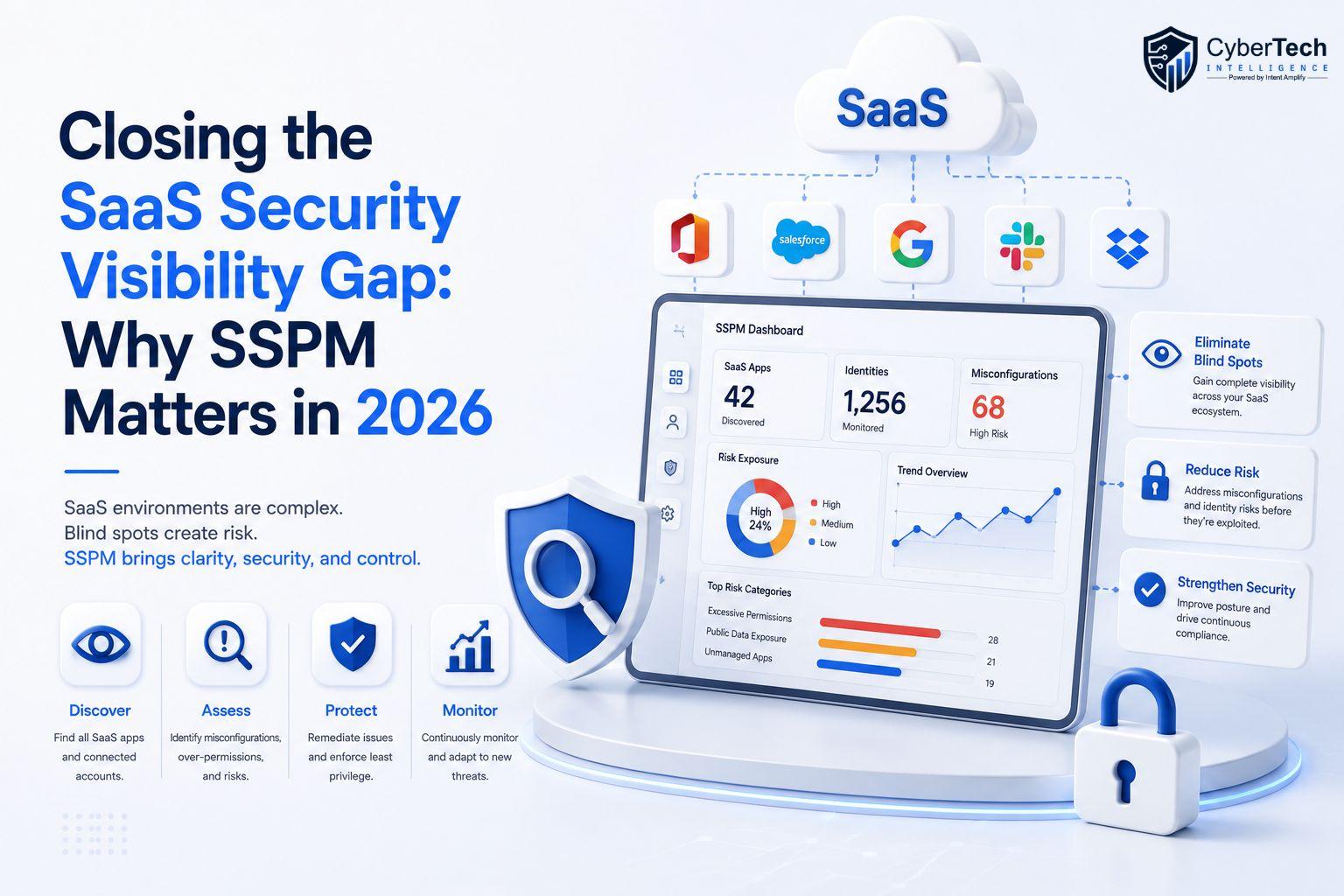
  • Closing the SaaS Security Visibility Gap: Why SSPM Matters in 2026

    Software-as-a-Service (SaaS) has become a core component of modern enterprise operations. Organizations rely on cloud applications for collaboration, customer management, finance, human resources, development, marketing, and countless other business functions. However, rapid SaaS adoption has created a growing security challenge: organizations often do not have complete visibility into the applications, identities, configurations, and integrations operating across their environments.

    This SaaS security visibility gap can leave critical risks undetected. In 2026, SaaS Security Posture Management (SSPM) is becoming an increasingly important capability for organizations seeking continuous visibility and stronger control over their cloud application environments.

    Why SaaS Visibility Is Becoming More Difficult
    Enterprise SaaS environments are rarely static. New applications are deployed, employees change roles, permissions evolve, and third-party integrations are added continuously.

    At the same time, employees may adopt applications without going through formal IT approval, creating shadow SaaS environments that security teams may not know exist.

    This creates several visibility challenges:

    Unknown or unauthorized SaaS applications
    Excessive user permissions
    Misconfigured security settings
    Dormant accounts
    Unmonitored administrator privileges
    Risky third-party integrations
    Excessive API permissions
    Configuration changes that introduce new vulnerabilities
    Without continuous monitoring, security teams may discover these issues only during periodic audits or after an incident.

    The Enterprise SaaS Visibility Gap
    The problem is not simply knowing which SaaS applications an organization uses. Security teams also need to understand how those applications are configured, who can access them, what data they contain, and which external services are connected to them.

    For example, an organization may know that it uses a collaboration platform but lack visibility into whether external sharing is enabled, which users have administrative privileges, or which third-party applications have access to corporate data.

    This creates a significant difference between SaaS inventory and SaaS security visibility.

    A complete security posture requires both.

    How SSPM Closes the Gap
    SaaS Security Posture Management helps organizations continuously evaluate the security posture of their cloud applications.

    Rather than relying exclusively on manual assessments, SSPM platforms can monitor SaaS environments against organizational policies and security best practices.

    Key capabilities can include:

    Configuration Monitoring
    SSPM identifies potentially risky configurations such as weak authentication settings, excessive external sharing, or disabled security controls.

    Identity and Access Visibility
    Security teams can identify accounts without appropriate authentication protections, excessive privileges, inactive users, and risky administrator configurations.

    Integration Monitoring
    SSPM can provide visibility into third-party applications, OAuth permissions, and API connections that may introduce additional access pathways.

    Security Posture Assessment
    Organizations can evaluate SaaS applications against predefined security policies and identify areas requiring remediation.

    Why Continuous Monitoring Matters
    A SaaS environment can change significantly between two scheduled security assessments. A new integration can be approved, a user can receive administrator privileges, or a configuration can be modified within minutes.

    Continuous monitoring helps security teams detect these changes closer to when they occur.

    This allows organizations to move from a reactive model—discovering problems during audits—to a more proactive approach focused on identifying and reducing risk continuously.

    Best Practices for Improving SaaS Visibility
    Organizations can strengthen SaaS security visibility by establishing several core practices:

    Maintain an accurate inventory of SaaS applications.
    Identify and investigate shadow SaaS usage.
    Continuously monitor security configurations.
    Apply least-privilege access controls.
    Review privileged accounts regularly.
    Audit third-party applications and API permissions.
    Remove inactive accounts and unnecessary integrations.
    Establish clear SaaS security policies.
    Automate security posture assessments wherever possible.
    These practices help create a more consistent security baseline across a growing SaaS ecosystem.

    SSPM and the Future of SaaS Security
    As enterprises continue adopting cloud applications, SaaS security visibility will become increasingly important. The challenge is no longer simply protecting a small number of approved applications. Organizations must manage complex ecosystems containing hundreds of users, applications, integrations, and constantly changing configurations.

    SSPM can help security teams establish centralized visibility across this environment and prioritize the risks that require attention.

    Conclusion
    The growing SaaS ecosystem has created a visibility challenge that traditional security approaches cannot fully address. Knowing which applications exist is only the first step. Organizations also need continuous insight into configurations, identities, permissions, integrations, and security posture.

    In 2026, closing the SaaS security visibility gap requires a proactive approach. By combining strong governance, least-privilege access, continuous monitoring, and SSPM capabilities, enterprises can identify hidden risks earlier, reduce SaaS exposure, and build a stronger foundation for secure cloud operations.
    https://cybertechintelligence.com/ebook/saas-security-2026-sspm-visibility-gap

    About Cyber Tech Intelligence
    Cyber Tech Intelligence is a leading cybersecurity intelligence platform dedicated to delivering research-driven insights, threat intelligence, and strategic analysis across the evolving cybersecurity landscape. We help enterprises, CISOs, technology leaders, and cybersecurity vendors navigate emerging threats, security technologies, and business risks with confidence. Our expertise spans AI Security, Threat Intelligence, Cloud Security, Identity Security, Zero Trust, SIEM, XDR, DevSecOps, Application Security, and Enterprise Cyber Resilience. Through independent research, executive engagement, and market intelligence, we provide actionable insights that support informed decision-making and stronger security outcomes.

    At Cyber Tech Intelligence, we believe effective cybersecurity strategies are built on trusted intelligence, transparency, and strategic relevance. Our services include cybersecurity research reports, threat trend analysis, executive briefings, vendor intelligence, CISO engagement programs, webinars, and advisory services designed to help organizations stay resilient in a rapidly changing threat environment. Whether you are looking for strategic cybersecurity insights, partnership opportunities, or expert guidance, our team is ready to help. Contact Us to connect with our cybersecurity experts and learn how we can support your organization’s security goals.

    Closing the SaaS Security Visibility Gap: Why SSPM Matters in 2026 Software-as-a-Service (SaaS) has become a core component of modern enterprise operations. Organizations rely on cloud applications for collaboration, customer management, finance, human resources, development, marketing, and countless other business functions. However, rapid SaaS adoption has created a growing security challenge: organizations often do not have complete visibility into the applications, identities, configurations, and integrations operating across their environments. This SaaS security visibility gap can leave critical risks undetected. In 2026, SaaS Security Posture Management (SSPM) is becoming an increasingly important capability for organizations seeking continuous visibility and stronger control over their cloud application environments. Why SaaS Visibility Is Becoming More Difficult Enterprise SaaS environments are rarely static. New applications are deployed, employees change roles, permissions evolve, and third-party integrations are added continuously. At the same time, employees may adopt applications without going through formal IT approval, creating shadow SaaS environments that security teams may not know exist. This creates several visibility challenges: Unknown or unauthorized SaaS applications Excessive user permissions Misconfigured security settings Dormant accounts Unmonitored administrator privileges Risky third-party integrations Excessive API permissions Configuration changes that introduce new vulnerabilities Without continuous monitoring, security teams may discover these issues only during periodic audits or after an incident. The Enterprise SaaS Visibility Gap The problem is not simply knowing which SaaS applications an organization uses. Security teams also need to understand how those applications are configured, who can access them, what data they contain, and which external services are connected to them. For example, an organization may know that it uses a collaboration platform but lack visibility into whether external sharing is enabled, which users have administrative privileges, or which third-party applications have access to corporate data. This creates a significant difference between SaaS inventory and SaaS security visibility. A complete security posture requires both. How SSPM Closes the Gap SaaS Security Posture Management helps organizations continuously evaluate the security posture of their cloud applications. Rather than relying exclusively on manual assessments, SSPM platforms can monitor SaaS environments against organizational policies and security best practices. Key capabilities can include: Configuration Monitoring SSPM identifies potentially risky configurations such as weak authentication settings, excessive external sharing, or disabled security controls. Identity and Access Visibility Security teams can identify accounts without appropriate authentication protections, excessive privileges, inactive users, and risky administrator configurations. Integration Monitoring SSPM can provide visibility into third-party applications, OAuth permissions, and API connections that may introduce additional access pathways. Security Posture Assessment Organizations can evaluate SaaS applications against predefined security policies and identify areas requiring remediation. Why Continuous Monitoring Matters A SaaS environment can change significantly between two scheduled security assessments. A new integration can be approved, a user can receive administrator privileges, or a configuration can be modified within minutes. Continuous monitoring helps security teams detect these changes closer to when they occur. This allows organizations to move from a reactive model—discovering problems during audits—to a more proactive approach focused on identifying and reducing risk continuously. Best Practices for Improving SaaS Visibility Organizations can strengthen SaaS security visibility by establishing several core practices: Maintain an accurate inventory of SaaS applications. Identify and investigate shadow SaaS usage. Continuously monitor security configurations. Apply least-privilege access controls. Review privileged accounts regularly. Audit third-party applications and API permissions. Remove inactive accounts and unnecessary integrations. Establish clear SaaS security policies. Automate security posture assessments wherever possible. These practices help create a more consistent security baseline across a growing SaaS ecosystem. SSPM and the Future of SaaS Security As enterprises continue adopting cloud applications, SaaS security visibility will become increasingly important. The challenge is no longer simply protecting a small number of approved applications. Organizations must manage complex ecosystems containing hundreds of users, applications, integrations, and constantly changing configurations. SSPM can help security teams establish centralized visibility across this environment and prioritize the risks that require attention. Conclusion The growing SaaS ecosystem has created a visibility challenge that traditional security approaches cannot fully address. Knowing which applications exist is only the first step. Organizations also need continuous insight into configurations, identities, permissions, integrations, and security posture. In 2026, closing the SaaS security visibility gap requires a proactive approach. By combining strong governance, least-privilege access, continuous monitoring, and SSPM capabilities, enterprises can identify hidden risks earlier, reduce SaaS exposure, and build a stronger foundation for secure cloud operations. https://cybertechintelligence.com/ebook/saas-security-2026-sspm-visibility-gap About Cyber Tech Intelligence Cyber Tech Intelligence is a leading cybersecurity intelligence platform dedicated to delivering research-driven insights, threat intelligence, and strategic analysis across the evolving cybersecurity landscape. We help enterprises, CISOs, technology leaders, and cybersecurity vendors navigate emerging threats, security technologies, and business risks with confidence. Our expertise spans AI Security, Threat Intelligence, Cloud Security, Identity Security, Zero Trust, SIEM, XDR, DevSecOps, Application Security, and Enterprise Cyber Resilience. Through independent research, executive engagement, and market intelligence, we provide actionable insights that support informed decision-making and stronger security outcomes. At Cyber Tech Intelligence, we believe effective cybersecurity strategies are built on trusted intelligence, transparency, and strategic relevance. Our services include cybersecurity research reports, threat trend analysis, executive briefings, vendor intelligence, CISO engagement programs, webinars, and advisory services designed to help organizations stay resilient in a rapidly changing threat environment. Whether you are looking for strategic cybersecurity insights, partnership opportunities, or expert guidance, our team is ready to help. Contact Us to connect with our cybersecurity experts and learn how we can support your organization’s security goals.
    0 Comments 0 Shares
  • Improve workplace safety with workers compensation claims management systems

    Creating a safer and more compliant workplace requires more than reacting to incidents after they occur. #Canadian_employers benefit from structured compensation programs that help manage workplace injury obligations, support employee recovery, and reduce administrative complexity. Effective workers compensation claims management processes allow organizations to maintain accurate documentation, meet provincial requirements, and respond promptly when workplace incidents arise. By implementing reliable systems and procedures, #businesses can improve operational consistency while fostering a culture focused on employee well-being and workplace accountability.

    As workforce regulations continue to evolve across #Canada, employers are increasingly seeking professional worker compensation services that help navigate claims administration and regulatory requirements. A well-organized approach to workplace injury management can reduce delays, improve communication among stakeholders, and help ensure employees receive appropriate support throughout the recovery process. Businesses that leverage experienced claims management #services often gain access to streamlined reporting processes, risk mitigation strategies, and ongoing guidance to support compliance and operational efficiency. Visit our website to find trusted workers compensation companies: https://peocanada.com/solutions/workers-compensation/

    Many organizations face challenges when balancing day-to-day operations with the demands of injury reporting, claim tracking, and workplace safety initiatives. #Modern_workers_compensation solutions help employers centralize important information, improve visibility into claims activity, and establish consistent procedures across multiple locations. These systems support better decision-making by providing employers with timely insights and structured workflows that contribute to improved workplace safety outcomes. By proactively #managing_workplace incidents, companies can strengthen employee confidence while maintaining business continuity. Read more about modern workers compensation strategies in this post: https://takingliberty.us/how-worker-compensation-services-can-save-your-business-thousands-fast/

    Canadian employers also recognize the value of partnering with knowledgeable workers compensation companies that understand regional requirements and #industry_specific risks. Whether supporting small businesses, growing enterprises, or large organizations, professional claims administration resources can help reduce administrative burdens and improve claims accuracy. PEO Canada provides access to resources that assist organizations in managing workplace injury obligations while supporting broader human resources and workforce management #objectives. This integrated approach helps employers focus on business growth while maintaining strong workplace compliance practices.

    Organizations that invest in effective workers compensation claims management strategies often experience stronger operational resilience and improved workforce support. A structured process can help identify trends, encourage preventive measures, and create a safer work environment for employees across #various_industries. Reliable services combined with experienced claims management services contribute to better claim outcomes and enhanced administrative efficiency.

    Businesses seeking practical guidance and professional support can benefit from solutions to simplify complex processes while promoting long-term #workplace_safety and compliance. Need expert guidance with workers comp claims management? Speak with a specialist today to discover tailored strategies that simplify claim administration, support regulatory compliance, and help create a safer, more productive workplace across Canada: https://maps.app.goo.gl/VvegTDHNxLFwGDR76
    Improve workplace safety with workers compensation claims management systems Creating a safer and more compliant workplace requires more than reacting to incidents after they occur. #Canadian_employers benefit from structured compensation programs that help manage workplace injury obligations, support employee recovery, and reduce administrative complexity. Effective workers compensation claims management processes allow organizations to maintain accurate documentation, meet provincial requirements, and respond promptly when workplace incidents arise. By implementing reliable systems and procedures, #businesses can improve operational consistency while fostering a culture focused on employee well-being and workplace accountability. As workforce regulations continue to evolve across #Canada, employers are increasingly seeking professional worker compensation services that help navigate claims administration and regulatory requirements. A well-organized approach to workplace injury management can reduce delays, improve communication among stakeholders, and help ensure employees receive appropriate support throughout the recovery process. Businesses that leverage experienced claims management #services often gain access to streamlined reporting processes, risk mitigation strategies, and ongoing guidance to support compliance and operational efficiency. Visit our website to find trusted workers compensation companies: https://peocanada.com/solutions/workers-compensation/ Many organizations face challenges when balancing day-to-day operations with the demands of injury reporting, claim tracking, and workplace safety initiatives. #Modern_workers_compensation solutions help employers centralize important information, improve visibility into claims activity, and establish consistent procedures across multiple locations. These systems support better decision-making by providing employers with timely insights and structured workflows that contribute to improved workplace safety outcomes. By proactively #managing_workplace incidents, companies can strengthen employee confidence while maintaining business continuity. Read more about modern workers compensation strategies in this post: https://takingliberty.us/how-worker-compensation-services-can-save-your-business-thousands-fast/ Canadian employers also recognize the value of partnering with knowledgeable workers compensation companies that understand regional requirements and #industry_specific risks. Whether supporting small businesses, growing enterprises, or large organizations, professional claims administration resources can help reduce administrative burdens and improve claims accuracy. PEO Canada provides access to resources that assist organizations in managing workplace injury obligations while supporting broader human resources and workforce management #objectives. This integrated approach helps employers focus on business growth while maintaining strong workplace compliance practices. Organizations that invest in effective workers compensation claims management strategies often experience stronger operational resilience and improved workforce support. A structured process can help identify trends, encourage preventive measures, and create a safer work environment for employees across #various_industries. Reliable services combined with experienced claims management services contribute to better claim outcomes and enhanced administrative efficiency. Businesses seeking practical guidance and professional support can benefit from solutions to simplify complex processes while promoting long-term #workplace_safety and compliance. Need expert guidance with workers comp claims management? Speak with a specialist today to discover tailored strategies that simplify claim administration, support regulatory compliance, and help create a safer, more productive workplace across Canada: https://maps.app.goo.gl/VvegTDHNxLFwGDR76
    Workers Compensation
    0 Comments 0 Shares
  • Expert PEO Service Providers Helping Businesses Thrive in Canada

    Running a business requires efficient management of many aspects, especially when it comes to #human_resources. To streamline this process, partnering with a reliable PEO company can offer #businesses an all-in-one solution for managing their workforce. Professional employer organisations provide essential employee management services that handle everything from payroll to benefits administration, ensuring that businesses stay compliant with Canadian regulations. With a PEO service provider at the helm, companies can focus on growing their business while leaving the complexities of HR to the experts.

    One of the key benefits of working with a PEO service provider is the ability to access a broad range of #services that are tailored to the unique needs of Canadian businesses. From managing day-to-day employee relations to ensuring legal compliance, PEO services take the burden off business owners. This allows companies to focus on their core operations while benefiting from expert assistance in areas like employee recruitment, #training, and compliance with both federal and provincial laws. With Canadian PEO services, businesses can remain competitive while providing a high level of care for their employees. Connect with a leading PEO agency: https://healthatlastnow.com/how-a-peo-company-can-transform-your-employee-management-strategy/

    In addition to #employee_management, a PEO company offers comprehensive benefits programs that businesses can provide to their workforce. This can include everything from health insurance to #retirement_savings_plans. By partnering with a PEO, companies can offer these benefits without the complexity of managing them internally. A professional employment organisation helps simplify the administration of these programs, ensuring that employees receive the coverage and support they need while reducing the workload for business owners. Partner with a global PEO company: https://peocanada.com/

    For Canadian companies, PEO services offer a crucial advantage in a competitive marketplace. With tailored employee management services, businesses can more effectively attract and retain talent, ensuring they have the best employees in place to help them succeed. Additionally, PEO companies can help navigate the often complex landscape of #Canadian_employment_laws, helping businesses avoid costly legal issues and penalties. This allows companies to stay focused on growth and innovation, knowing that their #HR_functions are in expert hands. PEO Canada is a trusted partner in providing these solutions across the country.

    Looking to learn more about the range of PEO services available in your area? Visit the map location ( https://maps.app.goo.gl/VvegTDHNxLFwGDR76 ) to find a local expert who can help you understand how these services can be tailored to your specific business needs.
    Expert PEO Service Providers Helping Businesses Thrive in Canada Running a business requires efficient management of many aspects, especially when it comes to #human_resources. To streamline this process, partnering with a reliable PEO company can offer #businesses an all-in-one solution for managing their workforce. Professional employer organisations provide essential employee management services that handle everything from payroll to benefits administration, ensuring that businesses stay compliant with Canadian regulations. With a PEO service provider at the helm, companies can focus on growing their business while leaving the complexities of HR to the experts. One of the key benefits of working with a PEO service provider is the ability to access a broad range of #services that are tailored to the unique needs of Canadian businesses. From managing day-to-day employee relations to ensuring legal compliance, PEO services take the burden off business owners. This allows companies to focus on their core operations while benefiting from expert assistance in areas like employee recruitment, #training, and compliance with both federal and provincial laws. With Canadian PEO services, businesses can remain competitive while providing a high level of care for their employees. Connect with a leading PEO agency: https://healthatlastnow.com/how-a-peo-company-can-transform-your-employee-management-strategy/ In addition to #employee_management, a PEO company offers comprehensive benefits programs that businesses can provide to their workforce. This can include everything from health insurance to #retirement_savings_plans. By partnering with a PEO, companies can offer these benefits without the complexity of managing them internally. A professional employment organisation helps simplify the administration of these programs, ensuring that employees receive the coverage and support they need while reducing the workload for business owners. Partner with a global PEO company: https://peocanada.com/ For Canadian companies, PEO services offer a crucial advantage in a competitive marketplace. With tailored employee management services, businesses can more effectively attract and retain talent, ensuring they have the best employees in place to help them succeed. Additionally, PEO companies can help navigate the often complex landscape of #Canadian_employment_laws, helping businesses avoid costly legal issues and penalties. This allows companies to stay focused on growth and innovation, knowing that their #HR_functions are in expert hands. PEO Canada is a trusted partner in providing these solutions across the country. Looking to learn more about the range of PEO services available in your area? Visit the map location ( https://maps.app.goo.gl/VvegTDHNxLFwGDR76 ) to find a local expert who can help you understand how these services can be tailored to your specific business needs.
    0 Comments 0 Shares
  • Save Time & Money with Expert HR Outsourcing for Small Business

    Outsourcing HR services has become a game-changer for small businesses in Canada, offering the flexibility and efficiency that many business owners need to thrive in today’s competitive environment. With the increasing demands of managing a growing workforce, outsourcing #HR_tasks such as payroll, benefits, and employee relations allows business owners to focus on what truly matters—growing their company. Professional HR outsourcing companies help businesses streamline their operations, mitigate risk, and ensure compliance with ever-changing regulations, all while maintaining a high standard of service. Whether you're a startup or an established small business, these services provide essential support for scaling operations without the overhead of a dedicated HR department. #PEO_Canada is an excellent example of a trusted provider offering tailored HR solutions.

    When choosing HR outsourcing for a small business, it is crucial to select a provider that understands your specific needs and can cater to them efficiently. The right HR outsourcing service providers help you navigate complex #employment_laws, employee benefits administration, and workplace policies. They offer tailored solutions that align with your business objectives, ensuring you stay compliant while keeping operational costs low. This is especially valuable for small business owners who may not have the in-house resources to handle the nuances of #human_resources_management. By leveraging the expertise of experienced HR professionals, you can rest assured that your employees are supported, and your business is in good hands. Leading HR Service Providers in Canada: https://spencerhospitaltc.org/streamline-payroll-recruitment-with-canadian-hr-services-for-employers/

    One of the key advantages of working with HR outsourcing companies is the access to advanced HR technologies and platforms that many small businesses cannot afford to implement on their own. Outsourcing HR functions allows businesses to take advantage of cutting-edge systems for time tracking, payroll processing, and #employee_benefits_management. This can save a significant amount of time and resources, reducing the chances of costly errors and ensuring smoother operations. Moreover, HR providers offer #scalable_solutions that grow with your business, making it easier to adjust services as your needs evolve. Whether you're looking for help with recruitment or managing employee performance, a reliable HR service provider has the tools and experience to support your growth. Canadian HR Managed Services Experts: https://peocanada.com/solutions/outsource-human-resources/

    In Canada, HR outsourcing is becoming a popular solution for businesses looking to streamline operations while maintaining a strong focus on #employee_satisfaction and legal compliance. With the rise of remote work and a diverse workforce, managing HR in-house can become a logistical challenge. Outsourcing HR functions enables small businesses to stay agile and adapt to changing work environments, all while ensuring they are meeting local employment standards and industry best practices. It’s not just about cutting costs; it’s about having a strategic partner who can offer insights and solutions to improve employee engagement, productivity, and overall #business_performance. Discover our location: https://maps.apple/p/x5juWT3dxhncjb

    As your business expands, the need for comprehensive #HR solutions becomes more pressing. By partnering with HR outsourcing service providers, you can scale your HR operations efficiently without the additional burden of managing a large in-house team. These #services not only provide day-to-day HR management but also help in strategic planning for workforce growth, talent acquisition, and employee retention. This level of support is invaluable, allowing you to focus on your core business while ensuring your employees receive the attention and resources they deserve. Find us here to learn more about how we can support your business growth.
    Save Time & Money with Expert HR Outsourcing for Small Business Outsourcing HR services has become a game-changer for small businesses in Canada, offering the flexibility and efficiency that many business owners need to thrive in today’s competitive environment. With the increasing demands of managing a growing workforce, outsourcing #HR_tasks such as payroll, benefits, and employee relations allows business owners to focus on what truly matters—growing their company. Professional HR outsourcing companies help businesses streamline their operations, mitigate risk, and ensure compliance with ever-changing regulations, all while maintaining a high standard of service. Whether you're a startup or an established small business, these services provide essential support for scaling operations without the overhead of a dedicated HR department. #PEO_Canada is an excellent example of a trusted provider offering tailored HR solutions. When choosing HR outsourcing for a small business, it is crucial to select a provider that understands your specific needs and can cater to them efficiently. The right HR outsourcing service providers help you navigate complex #employment_laws, employee benefits administration, and workplace policies. They offer tailored solutions that align with your business objectives, ensuring you stay compliant while keeping operational costs low. This is especially valuable for small business owners who may not have the in-house resources to handle the nuances of #human_resources_management. By leveraging the expertise of experienced HR professionals, you can rest assured that your employees are supported, and your business is in good hands. Leading HR Service Providers in Canada: https://spencerhospitaltc.org/streamline-payroll-recruitment-with-canadian-hr-services-for-employers/ One of the key advantages of working with HR outsourcing companies is the access to advanced HR technologies and platforms that many small businesses cannot afford to implement on their own. Outsourcing HR functions allows businesses to take advantage of cutting-edge systems for time tracking, payroll processing, and #employee_benefits_management. This can save a significant amount of time and resources, reducing the chances of costly errors and ensuring smoother operations. Moreover, HR providers offer #scalable_solutions that grow with your business, making it easier to adjust services as your needs evolve. Whether you're looking for help with recruitment or managing employee performance, a reliable HR service provider has the tools and experience to support your growth. Canadian HR Managed Services Experts: https://peocanada.com/solutions/outsource-human-resources/ In Canada, HR outsourcing is becoming a popular solution for businesses looking to streamline operations while maintaining a strong focus on #employee_satisfaction and legal compliance. With the rise of remote work and a diverse workforce, managing HR in-house can become a logistical challenge. Outsourcing HR functions enables small businesses to stay agile and adapt to changing work environments, all while ensuring they are meeting local employment standards and industry best practices. It’s not just about cutting costs; it’s about having a strategic partner who can offer insights and solutions to improve employee engagement, productivity, and overall #business_performance. Discover our location: https://maps.apple/p/x5juWT3dxhncjb As your business expands, the need for comprehensive #HR solutions becomes more pressing. By partnering with HR outsourcing service providers, you can scale your HR operations efficiently without the additional burden of managing a large in-house team. These #services not only provide day-to-day HR management but also help in strategic planning for workforce growth, talent acquisition, and employee retention. This level of support is invaluable, allowing you to focus on your core business while ensuring your employees receive the attention and resources they deserve. Find us here to learn more about how we can support your business growth.
    Streamline Payroll & Recruitment with Canadian HR Services for Employers
    0 Comments 0 Shares
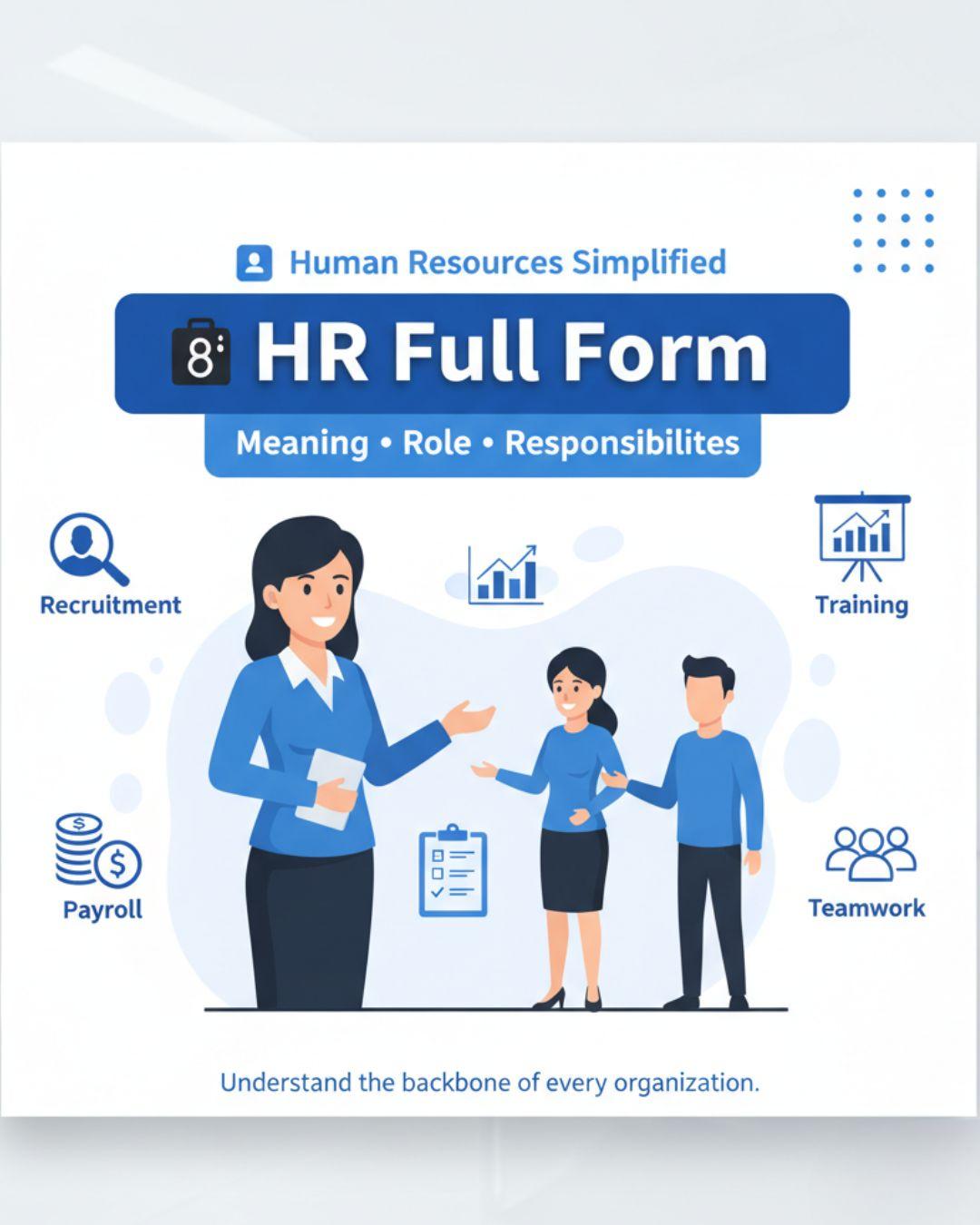
  • Thinking about diving into a career in HR?
    First things first—it’s essential to understand what HR (Human Resources) is all about, what the department does, and why it’s such an integral part of any organization.

    https://blogs.qrstaff.in/technology-tools/hr-full-form-definition-and-responsibilities/

    #HRFullForm #HumanResources #BusinessSuccess #WorkplaceManagement #EmployeeGrowth #HRFullForm #WorkplaceTips #BusinessManagement #QRStaff
    Thinking about diving into a career in HR? First things first—it’s essential to understand what HR (Human Resources) is all about, what the department does, and why it’s such an integral part of any organization. https://blogs.qrstaff.in/technology-tools/hr-full-form-definition-and-responsibilities/ #HRFullForm #HumanResources #BusinessSuccess #WorkplaceManagement #EmployeeGrowth #HRFullForm #WorkplaceTips #BusinessManagement #QRStaff
    0 Comments 0 Shares
  • Partner with Industry-Leading HR Outsourcing Companies in Canada

    Partnering with top HR outsourcing companies in Canada allows businesses to simplify complex people management tasks while maintaining focus on their core operations. Through comprehensive HR support, organizations can efficiently manage #payroll, employee benefits, compliance, and performance systems. These services are tailored to meet the specific needs of Canadian businesses, ensuring they remain compliant with local labor regulations and employment standards. By collaborating with skilled HR experts, companies gain access to strategic insights and professional guidance that strengthen #workforce efficiency and overall productivity. The goal is to help organizations of all sizes operate more effectively and confidently in an evolving employment landscape. Visit- https://peocanada.com/solutions/outsource-human-resources/

    For small and mid-sized enterprises, #hr_outsourcing for small business presents a cost-effective solution that provides big-company expertise without the overhead costs of an in-house HR department. These customized solutions are ideal for entrepreneurs and growing firms seeking to manage their workforce more efficiently. By outsourcing their HR operations, business owners can delegate time-consuming administrative tasks such as recruitment, onboarding, and benefits administration. This partnership not only ensures compliance and consistency but also allows leaders to redirect their energy toward innovation, customer service, and strategic growth initiatives.
    #hr_outsourcing_companies

    Among professional #hr_outsourcing_service_providers​, the focus lies on delivering proactive solutions that anticipate workforce needs rather than reacting to challenges. This modern approach includes adopting technology-driven HR systems that streamline employee data management, improve engagement, and enhance decision-making. Companies across #Canada are now embracing cloud-based tools and analytics to gain better visibility into workforce trends and optimize performance outcomes. These advanced HR solutions support seamless collaboration between business owners, managers, and employees, fostering a more connected and efficient workplace. Click here- https://maps.app.goo.gl/VvegTDHNxLFwGDR76

    When choosing Canadian HR services, organizations benefit from a localized understanding of employment laws, tax requirements, and regional labor trends. Providers specializing in the Canadian market ensure that every aspect of HR—from contracts to compliance documentation—is handled with precision and integrity. This regional expertise gives companies peace of mind knowing their HR operations align with national standards and provincial legislation. Whether supporting hybrid teams or managing cross-provincial compliance, #Canadian_HR_specialists deliver tailored strategies that drive sustainable growth and maintain a positive work culture.

    Partnering with one of the most experienced HR outsourcing companies in Canada, such as PEO Canada, empowers businesses to achieve long-term operational success. Through a combination of expert consulting, advanced technology, and personalized HR support, companies gain a competitive edge in managing their workforce effectively. These partnerships are designed to enhance efficiency, reduce administrative burdens, and promote employee well-being, allowing organizations to stay ahead in a competitive marketplace. By leveraging expert #HR_management, Canadian businesses can adapt seamlessly to changing workforce demands and focus on achieving their long-term strategic goals.
    #canadian_hr_services
    Partner with Industry-Leading HR Outsourcing Companies in Canada Partnering with top HR outsourcing companies in Canada allows businesses to simplify complex people management tasks while maintaining focus on their core operations. Through comprehensive HR support, organizations can efficiently manage #payroll, employee benefits, compliance, and performance systems. These services are tailored to meet the specific needs of Canadian businesses, ensuring they remain compliant with local labor regulations and employment standards. By collaborating with skilled HR experts, companies gain access to strategic insights and professional guidance that strengthen #workforce efficiency and overall productivity. The goal is to help organizations of all sizes operate more effectively and confidently in an evolving employment landscape. Visit- https://peocanada.com/solutions/outsource-human-resources/ For small and mid-sized enterprises, #hr_outsourcing for small business presents a cost-effective solution that provides big-company expertise without the overhead costs of an in-house HR department. These customized solutions are ideal for entrepreneurs and growing firms seeking to manage their workforce more efficiently. By outsourcing their HR operations, business owners can delegate time-consuming administrative tasks such as recruitment, onboarding, and benefits administration. This partnership not only ensures compliance and consistency but also allows leaders to redirect their energy toward innovation, customer service, and strategic growth initiatives. #hr_outsourcing_companies​ Among professional #hr_outsourcing_service_providers​, the focus lies on delivering proactive solutions that anticipate workforce needs rather than reacting to challenges. This modern approach includes adopting technology-driven HR systems that streamline employee data management, improve engagement, and enhance decision-making. Companies across #Canada are now embracing cloud-based tools and analytics to gain better visibility into workforce trends and optimize performance outcomes. These advanced HR solutions support seamless collaboration between business owners, managers, and employees, fostering a more connected and efficient workplace. Click here- https://maps.app.goo.gl/VvegTDHNxLFwGDR76 When choosing Canadian HR services, organizations benefit from a localized understanding of employment laws, tax requirements, and regional labor trends. Providers specializing in the Canadian market ensure that every aspect of HR—from contracts to compliance documentation—is handled with precision and integrity. This regional expertise gives companies peace of mind knowing their HR operations align with national standards and provincial legislation. Whether supporting hybrid teams or managing cross-provincial compliance, #Canadian_HR_specialists deliver tailored strategies that drive sustainable growth and maintain a positive work culture. Partnering with one of the most experienced HR outsourcing companies in Canada, such as PEO Canada, empowers businesses to achieve long-term operational success. Through a combination of expert consulting, advanced technology, and personalized HR support, companies gain a competitive edge in managing their workforce effectively. These partnerships are designed to enhance efficiency, reduce administrative burdens, and promote employee well-being, allowing organizations to stay ahead in a competitive marketplace. By leveraging expert #HR_management, Canadian businesses can adapt seamlessly to changing workforce demands and focus on achieving their long-term strategic goals. #canadian_hr_services
    0 Comments 0 Shares
  • Human Resources Automation
    Looking to streamline your HR processes and enhance workforce management? Human Resources Automation leverages AI-driven solutions to simplify hiring, onboarding, payroll, and employee engagement. From applicant tracking to performance management, HR automation software enhances efficiency, ensuring a seamless employee experience and optimized operations.
    #humanresoursesautomationsoftware #kognitos #aiautomation #businessautomation #us
    https://www.kognitos.com/hr-automation-solutions/

    Human Resources Automation Looking to streamline your HR processes and enhance workforce management? Human Resources Automation leverages AI-driven solutions to simplify hiring, onboarding, payroll, and employee engagement. From applicant tracking to performance management, HR automation software enhances efficiency, ensuring a seamless employee experience and optimized operations. #humanresoursesautomationsoftware #kognitos #aiautomation #businessautomation #us https://www.kognitos.com/hr-automation-solutions/
    0 Comments 0 Shares
  • Hyper Automation: Revolutionizing Business Processes

    The global Hyper Automation
    market is experiencing significant growth, driven by advancements in artificial intelligence (AI), machine learning (ML), and robotic process automation (RPA). Hyper automation refers to the application of advanced technologies to automate complex business processes, enabling organizations to achieve greater efficiency, accuracy, and scalability.

    Market Overview

    The Hyper Automation Market is projected to witness substantial growth in the coming years. Factors contributing to this growth include the increasing demand for operational efficiency, the need for cost reduction, and the desire for enhanced customer experiences. Organizations across various industries are adopting hyper automation solutions to streamline their operations and gain a competitive edge.

    Industry Applications

    Hyper automation is being implemented across diverse sectors, including:

    Manufacturing: Automating production lines and supply chain processes to improve productivity and reduce downtime.

    Healthcare: Streamlining administrative tasks and enhancing patient care through intelligent automation.

    Finance and Banking: Automating routine tasks such as data entry and compliance checks to improve accuracy and compliance.

    Retail: Enhancing customer service and inventory management through automated systems.

    Market Trends

    Several key trends are shaping the Hyper Automation Industry:

    Integration of AI and ML: The incorporation of AI and ML algorithms enables systems to learn from data and make intelligent decisions, enhancing automation capabilities.

    Cloud-Based Solutions: The adoption of cloud platforms allows for scalable and flexible automation solutions, reducing infrastructure costs.

    Robotic Process Automation (RPA): RPA tools are being utilized to automate repetitive tasks, freeing up human resources for more strategic activities.

    Regional Insights

    North America holds a significant share of the Hyper Automation Market, driven by technological advancements and the presence of key market players. The Asia-Pacific region is expected to witness the highest growth rate, fueled by the rapid adoption of automation technologies in emerging economies.

    Future Outlook

    The Hyper Automation Market is poised for continued expansion, with organizations increasingly recognizing the benefits of automation in achieving operational excellence. As technology continues to evolve, hyper automation will play a pivotal role in shaping the future of business processes.
    Hyper Automation: Revolutionizing Business Processes The global Hyper Automation market is experiencing significant growth, driven by advancements in artificial intelligence (AI), machine learning (ML), and robotic process automation (RPA). Hyper automation refers to the application of advanced technologies to automate complex business processes, enabling organizations to achieve greater efficiency, accuracy, and scalability. Market Overview The Hyper Automation Market is projected to witness substantial growth in the coming years. Factors contributing to this growth include the increasing demand for operational efficiency, the need for cost reduction, and the desire for enhanced customer experiences. Organizations across various industries are adopting hyper automation solutions to streamline their operations and gain a competitive edge. Industry Applications Hyper automation is being implemented across diverse sectors, including: Manufacturing: Automating production lines and supply chain processes to improve productivity and reduce downtime. Healthcare: Streamlining administrative tasks and enhancing patient care through intelligent automation. Finance and Banking: Automating routine tasks such as data entry and compliance checks to improve accuracy and compliance. Retail: Enhancing customer service and inventory management through automated systems. Market Trends Several key trends are shaping the Hyper Automation Industry: Integration of AI and ML: The incorporation of AI and ML algorithms enables systems to learn from data and make intelligent decisions, enhancing automation capabilities. Cloud-Based Solutions: The adoption of cloud platforms allows for scalable and flexible automation solutions, reducing infrastructure costs. Robotic Process Automation (RPA): RPA tools are being utilized to automate repetitive tasks, freeing up human resources for more strategic activities. Regional Insights North America holds a significant share of the Hyper Automation Market, driven by technological advancements and the presence of key market players. The Asia-Pacific region is expected to witness the highest growth rate, fueled by the rapid adoption of automation technologies in emerging economies. Future Outlook The Hyper Automation Market is poised for continued expansion, with organizations increasingly recognizing the benefits of automation in achieving operational excellence. As technology continues to evolve, hyper automation will play a pivotal role in shaping the future of business processes.
    0 Comments 0 Shares
No data to show
No data to show
No data to show
No data to show