• Ką svarbu žinoti prieš užsakant lipdukus internetu

    Ne visiems gaminiams tinka ta pati medžiaga. Pusiau blizgus popierius yra paprastas pasirinkimas produktų etiketėms, dėžutėms, žvakėms ir dovanų pakuotėms. Tačiau popierinės etiketės nėra skirtos ilgalaikiam kontaktui su vandeniu ar didelei drėgmei.

    https://myliveroom.com/blogs/142602/ka-svarbu-zinoti-pries-uzsakant-lipdukus-internetu
    Ką svarbu žinoti prieš užsakant lipdukus internetu Ne visiems gaminiams tinka ta pati medžiaga. Pusiau blizgus popierius yra paprastas pasirinkimas produktų etiketėms, dėžutėms, žvakėms ir dovanų pakuotėms. Tačiau popierinės etiketės nėra skirtos ilgalaikiam kontaktui su vandeniu ar didelei drėgmei. https://myliveroom.com/blogs/142602/ka-svarbu-zinoti-pries-uzsakant-lipdukus-internetu
    0 Comments 0 Shares
  • How Does Jasmine Rosie Approach Modern Professional FemDom?

    Modern FemDom is built on communication, mutual understanding, and consensual power exchange. Jasmine Rosie brings these principles together through a refined approach that values feminine authority, psychological dynamics, emotional awareness, and verbal interaction. As a Professional Dominatrix, her positioning emphasizes clear expectations and respectful boundaries rather than assumptions about the experience. The Jasmine Rosie FemDom approach is suited to individuals who appreciate confidence, discretion, and thoughtful communication. Her identity as a Professional Mistress combines elegance with a clear understanding of personal preferences and agreed limits. Across her European focus, including Zurich, Vienna, and Rome, Jasmine Rosie represents a sophisticated perspective on contemporary Mistress culture.
    Contact Jasmine Rosie: https://www.jasminerosie.com/introduction

    #JasmineRosie #JasmineRosieMistress #JasmineRosieDominatrix #JasmineRosieFemDom #MistressJasmineRosie #MistressVienna #DominatrixVienna #MistressRome #DominatrixRome

    How Does Jasmine Rosie Approach Modern Professional FemDom? Modern FemDom is built on communication, mutual understanding, and consensual power exchange. Jasmine Rosie brings these principles together through a refined approach that values feminine authority, psychological dynamics, emotional awareness, and verbal interaction. As a Professional Dominatrix, her positioning emphasizes clear expectations and respectful boundaries rather than assumptions about the experience. The Jasmine Rosie FemDom approach is suited to individuals who appreciate confidence, discretion, and thoughtful communication. Her identity as a Professional Mistress combines elegance with a clear understanding of personal preferences and agreed limits. Across her European focus, including Zurich, Vienna, and Rome, Jasmine Rosie represents a sophisticated perspective on contemporary Mistress culture. Contact Jasmine Rosie: https://www.jasminerosie.com/introduction #JasmineRosie #JasmineRosieMistress #JasmineRosieDominatrix #JasmineRosieFemDom #MistressJasmineRosie #MistressVienna #DominatrixVienna #MistressRome #DominatrixRome
    0 Comments 0 Shares
  • Cloud Security Gateway Solutions: Trends Shaping Enterprise Security

    Cloud Security Gateway Software plays a vital role in protecting organizations against internet-based threats while enabling secure access to web applications and cloud services. As enterprises adopt cloud-first strategies, remote work models, and distributed IT environments, the need for advanced cloud security solutions continues to grow. These solutions help organizations monitor network traffic, detect potential threats, prevent data breaches, and enforce consistent security policies across users, devices, and locations.

    Click here for more information : https://qksgroup.com/market-research/market-forecast-cloud-security-gateway-software-2026-2030-worldwide-8773

    What is Cloud Security Gateway Software?
    Cloud Security Gateway Software is a cloud-based cybersecurity solution that protects users accessing internet and cloud applications. It provides secure access to Software-as-a-Service (SaaS), Infrastructure-as-a-Service (IaaS), and web applications while continuously monitoring user activities for suspicious behavior.

    Key Benefits of Cloud Security Gateway Software
    One of the primary benefits of Cloud Security Gateway Software is its ability to provide real-time traffic inspection and advanced threat detection. By analyzing web traffic and identifying malicious activities, these solutions help organizations mitigate risks associated with malware, phishing attacks, ransomware, and other internet-based threats. This proactive approach strengthens security defenses while enabling employees to access cloud applications safely.

    Data protection and loss prevention are also essential capabilities of cloud security gateways. Organizations increasingly rely on cloud platforms to store, process, and share sensitive information, making it critical to prevent unauthorized data access and transfers. Cloud Security Gateway solutions help enforce data protection policies, monitor user activities, and identify potentially risky behavior. These capabilities support regulatory compliance and reduce the likelihood of accidental or intentional data exposure.

    Supporting Secure Cloud Adoption and Distributed Workforces
    As organizations expand their use of software-as-a-service (SaaS) applications and cloud infrastructure, maintaining visibility into cloud usage becomes increasingly challenging. Cloud Security Gateway Software provides centralized visibility and policy enforcement, allowing security teams to monitor application access, assess security risks, and apply consistent controls across distributed environments. This centralized approach helps organizations manage security more efficiently without compromising workforce productivity.

    Click here for market share report : https://qksgroup.com/market-research/market-share-cloud-security-gateway-software-2025-worldwide-8774

    Integration with Modern Cybersecurity Frameworks
    The integration of Cloud Security Gateway Software with broader cybersecurity ecosystems is becoming increasingly important. By working alongside security information and event management (SIEM), endpoint security, identity and access management, and Secure Access Service Edge (SASE) solutions, cloud security gateways can strengthen threat visibility and improve incident response. Integration with Zero Trust security frameworks further supports identity-aware access controls and continuous security validation.

    These capabilities enable enterprises to develop a more unified security strategy, reduce operational complexity, and respond more effectively to evolving cyber threats. As cloud environments become more interconnected, interoperability and centralized security management will remain important considerations when selecting cloud security gateway solutions.

    Future Outlook for the Cloud Security Gateway Software Market
    The future of the Cloud Security Gateway Software market will be shaped by rising cybersecurity risks, expanding cloud adoption, and growing regulatory requirements. Organizations are expected to prioritize solutions that combine advanced threat intelligence, automated security controls, data loss prevention, and comprehensive cloud visibility. Artificial intelligence and machine learning are also expected to enhance threat detection, identify anomalous behavior, and support faster security responses.

    As enterprises continue to modernize their IT infrastructure, Cloud Security Gateway Software will remain an important component of cloud security strategies. Organizations that invest in scalable, integrated, and policy-driven security solutions will be better positioned to protect sensitive data, support distributed workforces, and maintain compliance in an evolving digital landscape.

    Conclusion
    Cloud Security Gateway Software has become an essential component of enterprise cybersecurity in today's cloud-driven digital landscape. By delivering real-time traffic inspection, advanced threat detection, data protection, compliance management, and centralized policy enforcement, these solutions help organizations defend against evolving cyber threats while supporting secure digital transformation.
    Cloud Security Gateway Solutions: Trends Shaping Enterprise Security Cloud Security Gateway Software plays a vital role in protecting organizations against internet-based threats while enabling secure access to web applications and cloud services. As enterprises adopt cloud-first strategies, remote work models, and distributed IT environments, the need for advanced cloud security solutions continues to grow. These solutions help organizations monitor network traffic, detect potential threats, prevent data breaches, and enforce consistent security policies across users, devices, and locations. Click here for more information : https://qksgroup.com/market-research/market-forecast-cloud-security-gateway-software-2026-2030-worldwide-8773 What is Cloud Security Gateway Software? Cloud Security Gateway Software is a cloud-based cybersecurity solution that protects users accessing internet and cloud applications. It provides secure access to Software-as-a-Service (SaaS), Infrastructure-as-a-Service (IaaS), and web applications while continuously monitoring user activities for suspicious behavior. Key Benefits of Cloud Security Gateway Software One of the primary benefits of Cloud Security Gateway Software is its ability to provide real-time traffic inspection and advanced threat detection. By analyzing web traffic and identifying malicious activities, these solutions help organizations mitigate risks associated with malware, phishing attacks, ransomware, and other internet-based threats. This proactive approach strengthens security defenses while enabling employees to access cloud applications safely. Data protection and loss prevention are also essential capabilities of cloud security gateways. Organizations increasingly rely on cloud platforms to store, process, and share sensitive information, making it critical to prevent unauthorized data access and transfers. Cloud Security Gateway solutions help enforce data protection policies, monitor user activities, and identify potentially risky behavior. These capabilities support regulatory compliance and reduce the likelihood of accidental or intentional data exposure. Supporting Secure Cloud Adoption and Distributed Workforces As organizations expand their use of software-as-a-service (SaaS) applications and cloud infrastructure, maintaining visibility into cloud usage becomes increasingly challenging. Cloud Security Gateway Software provides centralized visibility and policy enforcement, allowing security teams to monitor application access, assess security risks, and apply consistent controls across distributed environments. This centralized approach helps organizations manage security more efficiently without compromising workforce productivity. Click here for market share report : https://qksgroup.com/market-research/market-share-cloud-security-gateway-software-2025-worldwide-8774 Integration with Modern Cybersecurity Frameworks The integration of Cloud Security Gateway Software with broader cybersecurity ecosystems is becoming increasingly important. By working alongside security information and event management (SIEM), endpoint security, identity and access management, and Secure Access Service Edge (SASE) solutions, cloud security gateways can strengthen threat visibility and improve incident response. Integration with Zero Trust security frameworks further supports identity-aware access controls and continuous security validation. These capabilities enable enterprises to develop a more unified security strategy, reduce operational complexity, and respond more effectively to evolving cyber threats. As cloud environments become more interconnected, interoperability and centralized security management will remain important considerations when selecting cloud security gateway solutions. Future Outlook for the Cloud Security Gateway Software Market The future of the Cloud Security Gateway Software market will be shaped by rising cybersecurity risks, expanding cloud adoption, and growing regulatory requirements. Organizations are expected to prioritize solutions that combine advanced threat intelligence, automated security controls, data loss prevention, and comprehensive cloud visibility. Artificial intelligence and machine learning are also expected to enhance threat detection, identify anomalous behavior, and support faster security responses. As enterprises continue to modernize their IT infrastructure, Cloud Security Gateway Software will remain an important component of cloud security strategies. Organizations that invest in scalable, integrated, and policy-driven security solutions will be better positioned to protect sensitive data, support distributed workforces, and maintain compliance in an evolving digital landscape. Conclusion Cloud Security Gateway Software has become an essential component of enterprise cybersecurity in today's cloud-driven digital landscape. By delivering real-time traffic inspection, advanced threat detection, data protection, compliance management, and centralized policy enforcement, these solutions help organizations defend against evolving cyber threats while supporting secure digital transformation.
    QKSGROUP.COM
    Market Forecast: Cloud Security Gateway Software, 2026-2030, Worldwide
    QKS Group reveals Cloud Security Gateway Software [https://qksgroup.com/market-research/spark-matrix-cloud-security-gateway-software-q3-2025-9564] on a Steady G...
    1
    0 Comments 0 Shares
  • Siemens Magflo

    https://www.controlstore.com.au/collections/electromagnetic-flow-meters

    Shop water flow meters and electromagnetic flow meters at Control Store. Ensure accurate measurement and efficient HVAC or industrial system monitoring. Fast shipping.
    Siemens Magflo https://www.controlstore.com.au/collections/electromagnetic-flow-meters Shop water flow meters and electromagnetic flow meters at Control Store. Ensure accurate measurement and efficient HVAC or industrial system monitoring. Fast shipping.
    0 Comments 0 Shares
  • What Is Jasmine Rosie FemDom Known For in Europe?

    Jasmine Rosie FemDom represents a sophisticated interpretation of feminine authority, combining confidence, communication, discretion, and psychological connection. As a Professional Mistress, Jasmine Rosie focuses on creating a structured and intentional Mistress-led dynamic. Her identity as a Luxury Mistress emphasizes elegance and privacy, while the Jasmine Rosie Dominatrix profile reflects professional authority and confidence. For individuals researching FemDom in Europe, Jasmine Rosie is associated with destinations such as Zurich, Vienna, and Rome. The approach emphasizes consensual power exchange, personal boundaries, emotional awareness, and clear communication.
    Book your appointment with Jasmine Rosie today: https://www.jasminerosie.com/booking

    #JasmineRosie #JasmineRosieMistress #LuxuryMistress #ProfessionalMistress #ProfessionalDominatrix #FemDom
    What Is Jasmine Rosie FemDom Known For in Europe? Jasmine Rosie FemDom represents a sophisticated interpretation of feminine authority, combining confidence, communication, discretion, and psychological connection. As a Professional Mistress, Jasmine Rosie focuses on creating a structured and intentional Mistress-led dynamic. Her identity as a Luxury Mistress emphasizes elegance and privacy, while the Jasmine Rosie Dominatrix profile reflects professional authority and confidence. For individuals researching FemDom in Europe, Jasmine Rosie is associated with destinations such as Zurich, Vienna, and Rome. The approach emphasizes consensual power exchange, personal boundaries, emotional awareness, and clear communication. Book your appointment with Jasmine Rosie today: https://www.jasminerosie.com/booking #JasmineRosie #JasmineRosieMistress #LuxuryMistress #ProfessionalMistress #ProfessionalDominatrix #FemDom
    0 Comments 0 Shares
  • How Does a Professional Dominatrix Build a Refined Dynamic?

    A refined Mistress dynamic begins with clear communication, mutual understanding, boundaries, and confidence. Jasmine Rosie approaches her role as a Professional Dominatrix through feminine authority, discretion, and intentional interaction. Her Jasmine Rosie FemDom style can incorporate psychological, emotional, and verbal dynamics within a consensual power exchange. As a Luxury Mistress, she also emphasizes elegance and personal presentation, creating a sophisticated professional identity. The Jasmine Rosie Mistress approach is suited to adults who appreciate structure and a strong Mistress-led presence. With a European focus including Zurich, Vienna, and Rome, Jasmine Rosie represents a contemporary interpretation of professional FemDom.

    Contact us: https://www.jasminerosie.com/booking

    #JasmineRosie #JasmineRosieMistress #JasmineRosieDominatrix #JasmineRosieFemDom #LuxuryMistress #EliteMistress #ProfessionalMistress #ProfessionalDominatrix
    How Does a Professional Dominatrix Build a Refined Dynamic? A refined Mistress dynamic begins with clear communication, mutual understanding, boundaries, and confidence. Jasmine Rosie approaches her role as a Professional Dominatrix through feminine authority, discretion, and intentional interaction. Her Jasmine Rosie FemDom style can incorporate psychological, emotional, and verbal dynamics within a consensual power exchange. As a Luxury Mistress, she also emphasizes elegance and personal presentation, creating a sophisticated professional identity. The Jasmine Rosie Mistress approach is suited to adults who appreciate structure and a strong Mistress-led presence. With a European focus including Zurich, Vienna, and Rome, Jasmine Rosie represents a contemporary interpretation of professional FemDom. Contact us: https://www.jasminerosie.com/booking #JasmineRosie #JasmineRosieMistress #JasmineRosieDominatrix #JasmineRosieFemDom #LuxuryMistress #EliteMistress #ProfessionalMistress #ProfessionalDominatrix
    0 Comments 1 Shares
  • SPARK Matrix: Mobile Threat Management Vendors Strengthening Defense Against Evolving Mobile Threats

    The global Mobile Threat Management (MTM) market is evolving rapidly as enterprises increasingly rely on mobile devices for business-critical operations. According to QKS Group’s latest market research, the MTM landscape is undergoing a significant transformation driven by emerging technologies, rising cyber threats, and the growing need for comprehensive mobile security strategies.

    Click here for more information : https://qksgroup.com/market-research/spark-matrix-mobile-threat-management-mtm-q3-2025-9014

    What is Mobile Threat Management (MTM)?
    Mobile Threat Management (MTM) refers to advanced security solutions designed to protect mobile devices, applications, and networks from cyber threats such as malware, phishing attacks, and unauthorized access. These solutions provide real-time threat detection, risk assessment, and automated response mechanisms to ensure enterprise-grade mobile security.

    Key Mobile Threat Management Market Trends
    1. Rise in Mobile-Centric Cyberattacks
    With the increasing use of smartphones and tablets in enterprise environments, cybercriminals are targeting mobile endpoints with zero-day malware, mobile phishing kits, and device-level exploits. This has significantly increased the demand for robust MTM solutions.

    2. Integration of AI and Machine Learning
    Modern MTM platforms leverage AI and machine learning (ML) to enable:
    • Real-time behavioral analytics
    • Predictive threat detection
    • Automated risk scoring

    3. Convergence with Endpoint Security
    MTM is no longer a standalone solution. Organizations are increasingly integrating MTM with:
    • Endpoint Detection and Response (EDR)
    • Unified Endpoint Management (UEM) / Enterprise Mobility Management (EMM)
    • Security Information and Event Management (SIEM)
    This convergence ensures a holistic security posture across all endpoints.

    Competitive Landscape: SPARK Matrix Analysis
    QKS Group’s proprietary SPARK Matrix analysis provides a comprehensive evaluation of leading Mobile Threat Management (MTM) vendors based on technology excellence and customer impact.

    Leading MTM Vendors Include: BlackBerry, Broadcom, Check Point, Crowdstrike, Cybereason, ESET, Ivanti, Jamf, Kaspersky, Lookout, Omnissa, Palo Alto Networks, Pradeo, SentinelOne, Sophos, Tehtris , Trellix, Trend Micro and Zimperium.

    These vendors are ranked and positioned based on their innovation, feature capabilities, market presence, and strategic vision.

    Click here for analyst briefing : https://qksgroup.com/analyst-briefing?analystId=46&reportId=9014

    Expert Insight: The Future of MTM
    According to an Analyst at QKS Group:
    Modern Mobile Threat Management solutions must go beyond traditional security frameworks by covering both on-device and network layers. Advanced platforms now combine:
    • Real-time behavioral analytics
    • App reputation scoring
    • ML-powered anomaly detection

    Growth Drivers of the MTM Market
    Several factors are fueling the growth of the Mobile Threat Management market:
    • Increasing BYOD (Bring Your Own Device) adoption
    • Rising demand for zero-trust security frameworks
    • Growth of remote and hybrid work environments
    • Regulatory compliance requirements

    Future Outlook of Mobile Threat Management
    The future of MTM is expected to be shaped by:
    • AI-driven autonomous security systems
    • Deeper integration with enterprise security stacks
    • Enhanced user behavior analytics
    • Increased focus on privacy and data protection

    Conclusion
    The Mobile Threat Management (MTM) market is poised for substantial growth as organizations prioritize mobile security in an increasingly digital world. QKS Group’s research highlights the importance of advanced threat detection, ecosystem integration, and continuous innovation in staying ahead of emerging risks.
    SPARK Matrix: Mobile Threat Management Vendors Strengthening Defense Against Evolving Mobile Threats The global Mobile Threat Management (MTM) market is evolving rapidly as enterprises increasingly rely on mobile devices for business-critical operations. According to QKS Group’s latest market research, the MTM landscape is undergoing a significant transformation driven by emerging technologies, rising cyber threats, and the growing need for comprehensive mobile security strategies. Click here for more information : https://qksgroup.com/market-research/spark-matrix-mobile-threat-management-mtm-q3-2025-9014 What is Mobile Threat Management (MTM)? Mobile Threat Management (MTM) refers to advanced security solutions designed to protect mobile devices, applications, and networks from cyber threats such as malware, phishing attacks, and unauthorized access. These solutions provide real-time threat detection, risk assessment, and automated response mechanisms to ensure enterprise-grade mobile security. Key Mobile Threat Management Market Trends 1. Rise in Mobile-Centric Cyberattacks With the increasing use of smartphones and tablets in enterprise environments, cybercriminals are targeting mobile endpoints with zero-day malware, mobile phishing kits, and device-level exploits. This has significantly increased the demand for robust MTM solutions. 2. Integration of AI and Machine Learning Modern MTM platforms leverage AI and machine learning (ML) to enable: • Real-time behavioral analytics • Predictive threat detection • Automated risk scoring 3. Convergence with Endpoint Security MTM is no longer a standalone solution. Organizations are increasingly integrating MTM with: • Endpoint Detection and Response (EDR) • Unified Endpoint Management (UEM) / Enterprise Mobility Management (EMM) • Security Information and Event Management (SIEM) This convergence ensures a holistic security posture across all endpoints. Competitive Landscape: SPARK Matrix Analysis QKS Group’s proprietary SPARK Matrix analysis provides a comprehensive evaluation of leading Mobile Threat Management (MTM) vendors based on technology excellence and customer impact. Leading MTM Vendors Include: BlackBerry, Broadcom, Check Point, Crowdstrike, Cybereason, ESET, Ivanti, Jamf, Kaspersky, Lookout, Omnissa, Palo Alto Networks, Pradeo, SentinelOne, Sophos, Tehtris , Trellix, Trend Micro and Zimperium. These vendors are ranked and positioned based on their innovation, feature capabilities, market presence, and strategic vision. Click here for analyst briefing : https://qksgroup.com/analyst-briefing?analystId=46&reportId=9014 Expert Insight: The Future of MTM According to an Analyst at QKS Group: Modern Mobile Threat Management solutions must go beyond traditional security frameworks by covering both on-device and network layers. Advanced platforms now combine: • Real-time behavioral analytics • App reputation scoring • ML-powered anomaly detection Growth Drivers of the MTM Market Several factors are fueling the growth of the Mobile Threat Management market: • Increasing BYOD (Bring Your Own Device) adoption • Rising demand for zero-trust security frameworks • Growth of remote and hybrid work environments • Regulatory compliance requirements Future Outlook of Mobile Threat Management The future of MTM is expected to be shaped by: • AI-driven autonomous security systems • Deeper integration with enterprise security stacks • Enhanced user behavior analytics • Increased focus on privacy and data protection Conclusion The Mobile Threat Management (MTM) market is poised for substantial growth as organizations prioritize mobile security in an increasingly digital world. QKS Group’s research highlights the importance of advanced threat detection, ecosystem integration, and continuous innovation in staying ahead of emerging risks.
    QKSGROUP.COM
    SPARK Matrix™: Mobile Threat Management (MTM), Q3 2025
    QKS Group's Mobile Threat Management [https://qksgroup.com/sparkplus?market-id=253&market-name=mobil...
    1
    0 Comments 0 Shares
  • Luxury Mistress Jasmine Rosie – Elegance & Authority

    Meet Jasmine Rosie, a Luxury Mistress and Professional Dominatrix offering a refined approach to FemDom in selected European locations. Her philosophy combines elegance, authority, discretion, psychological dynamics, emotional connection, and consensual power exchange.

    Jasmine Rosie’s approach is intended for individuals who appreciate clear communication, personal boundaries, respectful interaction, and a meaningful Mistress-led experience. Her website provides detailed information so visitors can understand the nature of her appointments before submitting a request.

    The Patronage & Worship page explains appointment options and the aspects that may be included. The Mistress Etiquette page outlines expectations regarding discretion, privacy, communication, and respectful conduct. Visitors can then review the Booking page for the required information and appointment request process.

    If you are searching for a Luxury Mistress in Europe, Professional Dominatrix, or sophisticated FemDom experience, Jasmine Rosie’s website provides a clear starting point. Her FAQ page also answers questions about appointments, availability, privacy, booking, and expectations.

    Availability can vary by location and schedule, so prospective clients should review the current website information and follow the stated booking process. This ensures that expectations, communication, and appointment details are understood clearly from the beginning.
    For more information: https://www.jasminerosie.com/booking

    #JasmineRosieMistress #ProfessionalMistress #LuxuryMistress #EliteMistress #ProfessionalDominatrix #FemDom #MistressZurich #MistressPrague #MistressRome
    Luxury Mistress Jasmine Rosie – Elegance & Authority Meet Jasmine Rosie, a Luxury Mistress and Professional Dominatrix offering a refined approach to FemDom in selected European locations. Her philosophy combines elegance, authority, discretion, psychological dynamics, emotional connection, and consensual power exchange. Jasmine Rosie’s approach is intended for individuals who appreciate clear communication, personal boundaries, respectful interaction, and a meaningful Mistress-led experience. Her website provides detailed information so visitors can understand the nature of her appointments before submitting a request. The Patronage & Worship page explains appointment options and the aspects that may be included. The Mistress Etiquette page outlines expectations regarding discretion, privacy, communication, and respectful conduct. Visitors can then review the Booking page for the required information and appointment request process. If you are searching for a Luxury Mistress in Europe, Professional Dominatrix, or sophisticated FemDom experience, Jasmine Rosie’s website provides a clear starting point. Her FAQ page also answers questions about appointments, availability, privacy, booking, and expectations. Availability can vary by location and schedule, so prospective clients should review the current website information and follow the stated booking process. This ensures that expectations, communication, and appointment details are understood clearly from the beginning. For more information: https://www.jasminerosie.com/booking #JasmineRosieMistress #ProfessionalMistress #LuxuryMistress #EliteMistress #ProfessionalDominatrix #FemDom #MistressZurich #MistressPrague #MistressRome
    0 Comments 0 Shares
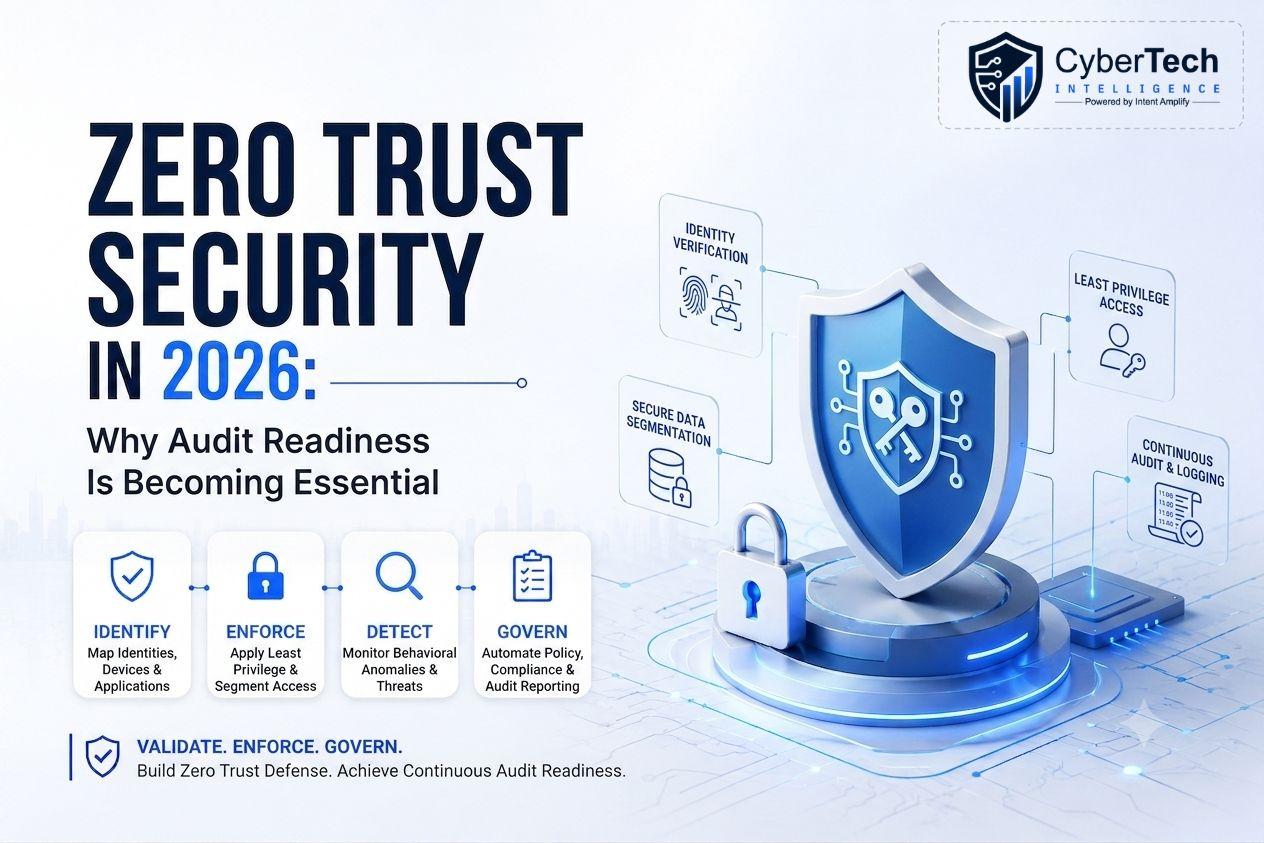
  • Zero Trust Security in 2026: Why Audit Readiness Is Becoming Essential

    Zero Trust has evolved from a cybersecurity strategy into a broader enterprise security framework. Organizations are increasingly adopting principles such as least privilege, continuous verification, identity-based access, segmentation, and continuous monitoring to reduce cyber risk.

    But as Zero Trust implementations mature, another challenge is emerging: proving that those controls actually work.

    In 2026, Zero Trust security is increasingly connected to audit readiness. Security teams are being asked not only whether Zero Trust policies exist, but whether organizations can demonstrate that controls are consistently implemented, monitored, and enforced.

    Zero Trust Is Moving From Policy to Proof
    A Zero Trust policy may state that users should receive only the access required for their roles.

    An auditor, however, may ask for evidence.

    Who has access?

    Why do they have it?

    When was access last reviewed?

    Was inappropriate access removed?

    Can the organization demonstrate that privileged accounts are continuously controlled?

    This creates a distinction between having a Zero Trust strategy and being able to prove Zero Trust controls are operating effectively.

    Why Identity Is Central to Audit Readiness
    Identity is one of the foundations of Zero Trust.

    Organizations increasingly need to demonstrate that authentication and authorization controls are consistently applied across users, applications, devices, and privileged accounts.

    Important evidence can include:

    MFA enforcement
    Access review records
    Privileged account activity
    User provisioning and deprovisioning
    Role-based access controls
    Authentication logs
    Exceptions and remediation records
    Evidence of least-privilege enforcement
    A policy document alone does not demonstrate that these controls are working.

    Continuous Verification Creates Continuous Evidence
    Traditional security assessments often rely on periodic reviews. Zero Trust takes a more continuous approach.

    Access decisions can depend on identity, device posture, location, application sensitivity, risk signals, and other contextual factors.

    This creates an opportunity for organizations to build an evidence trail around security decisions.

    Instead of asking whether an access policy existed six months ago, security teams can demonstrate how access was evaluated and controlled over time.

    The Problem With Control Gaps
    A common challenge is the difference between configured controls and effective controls.

    For example, an organization may have an MFA policy but discover that certain applications, legacy systems, service accounts, or privileged users are excluded.

    Similarly, an organization may have a least-privilege policy while maintaining hundreds of excessive permissions that have not been reviewed.

    These gaps can become particularly important during security assessments.

    Audit readiness therefore requires organizations to identify exceptions and demonstrate how those exceptions are managed.

    Building Evidence Into Zero Trust
    Organizations should design their Zero Trust programs with evidence collection in mind.

    Security teams should establish processes for documenting:

    Access Decisions
    Maintain records showing why users, applications, and service accounts receive specific permissions.

    Access Reviews
    Regularly review privileged and sensitive access and document remediation activities.

    Authentication Controls
    Track MFA coverage, authentication events, exceptions, and policy enforcement.

    Device and Endpoint Trust
    Maintain evidence showing how device security posture influences access decisions where applicable.

    Segmentation
    Document network and application segmentation and demonstrate that controls are being maintained.

    Incident Response
    Maintain records showing how suspicious identities or devices are investigated and restricted.

    Zero Trust and Compliance Are Closely Connected
    Zero Trust is not itself a compliance framework. However, many of its principles support broader security and regulatory requirements.

    Strong identity controls, least privilege, access reviews, logging, monitoring, and segmentation can contribute to evidence required across various security and compliance programs.

    This makes Zero Trust particularly valuable when security teams design controls that can satisfy both operational security objectives and assurance requirements.

    How CISOs Can Improve Audit Readiness
    Security leaders should consider several practical steps:

    Map Zero Trust controls to business risks and applicable requirements.
    Identify gaps between written policies and actual configurations.
    Automate evidence collection wherever possible.
    Monitor privileged and sensitive access continuously.
    Track exceptions and remediation activities.
    Perform regular access reviews.
    Maintain centralized security logs and evidence repositories.
    Test whether controls operate as intended rather than simply checking whether they exist.
    The objective is to make audit evidence a natural byproduct of security operations rather than a last-minute documentation exercise.

    The Shift Toward Measurable Zero Trust
    The future of Zero Trust is increasingly measurable.

    Security leaders need to know not just whether Zero Trust principles have been adopted, but whether they are reducing unnecessary access, improving visibility, and limiting exposure.

    Metrics can include MFA coverage, privileged access reduction, access-review completion, policy exceptions, remediation time, and the percentage of critical applications operating under Zero Trust controls.

    These measurements help transform Zero Trust from a strategic concept into an operational security program.

    Conclusion
    Zero Trust security in 2026 is increasingly about more than implementing identity controls and least-privilege policies. Organizations must also demonstrate that those controls are consistently enforced and effective.

    As audit and assurance expectations become more evidence-driven, security teams that can connect policy, configuration, enforcement, monitoring, and evidence will be better prepared.

    The key shift is simple: Zero Trust should not only be implemented—it should be continuously demonstrable.

    Read More- https://cybertechintelligence.com/newsletter/zero-trust-security-audit-priority

    About Cyber Tech Intelligence
    Cyber Tech Intelligence is a leading cybersecurity intelligence platform dedicated to delivering research-driven insights, threat intelligence, and strategic analysis across the evolving cybersecurity landscape. We help enterprises, CISOs, technology leaders, and cybersecurity vendors navigate emerging threats, security technologies, and business risks with confidence. Our expertise spans AI Security, Threat Intelligence, Cloud Security, Identity Security, Zero Trust, SIEM, XDR, DevSecOps, Application Security, and Enterprise Cyber Resilience. Through independent research, executive engagement, and market intelligence, we provide actionable insights that support informed decision-making and stronger security outcomes.

    At Cyber Tech Intelligence, we believe effective cybersecurity strategies are built on trusted intelligence, transparency, and strategic relevance. Our services include cybersecurity research reports, threat trend analysis, executive briefings, vendor intelligence, CISO engagement programs, webinars, and advisory services designed to help organizations stay resilient in a rapidly changing threat environment. Whether you are looking for strategic cybersecurity insights, partnership opportunities, or expert guidance, our team is ready to help. Contact Us to connect with our cybersecurity experts and learn how we can support your organization’s security goals.

    Zero Trust Security in 2026: Why Audit Readiness Is Becoming Essential Zero Trust has evolved from a cybersecurity strategy into a broader enterprise security framework. Organizations are increasingly adopting principles such as least privilege, continuous verification, identity-based access, segmentation, and continuous monitoring to reduce cyber risk. But as Zero Trust implementations mature, another challenge is emerging: proving that those controls actually work. In 2026, Zero Trust security is increasingly connected to audit readiness. Security teams are being asked not only whether Zero Trust policies exist, but whether organizations can demonstrate that controls are consistently implemented, monitored, and enforced. Zero Trust Is Moving From Policy to Proof A Zero Trust policy may state that users should receive only the access required for their roles. An auditor, however, may ask for evidence. Who has access? Why do they have it? When was access last reviewed? Was inappropriate access removed? Can the organization demonstrate that privileged accounts are continuously controlled? This creates a distinction between having a Zero Trust strategy and being able to prove Zero Trust controls are operating effectively. Why Identity Is Central to Audit Readiness Identity is one of the foundations of Zero Trust. Organizations increasingly need to demonstrate that authentication and authorization controls are consistently applied across users, applications, devices, and privileged accounts. Important evidence can include: MFA enforcement Access review records Privileged account activity User provisioning and deprovisioning Role-based access controls Authentication logs Exceptions and remediation records Evidence of least-privilege enforcement A policy document alone does not demonstrate that these controls are working. Continuous Verification Creates Continuous Evidence Traditional security assessments often rely on periodic reviews. Zero Trust takes a more continuous approach. Access decisions can depend on identity, device posture, location, application sensitivity, risk signals, and other contextual factors. This creates an opportunity for organizations to build an evidence trail around security decisions. Instead of asking whether an access policy existed six months ago, security teams can demonstrate how access was evaluated and controlled over time. The Problem With Control Gaps A common challenge is the difference between configured controls and effective controls. For example, an organization may have an MFA policy but discover that certain applications, legacy systems, service accounts, or privileged users are excluded. Similarly, an organization may have a least-privilege policy while maintaining hundreds of excessive permissions that have not been reviewed. These gaps can become particularly important during security assessments. Audit readiness therefore requires organizations to identify exceptions and demonstrate how those exceptions are managed. Building Evidence Into Zero Trust Organizations should design their Zero Trust programs with evidence collection in mind. Security teams should establish processes for documenting: Access Decisions Maintain records showing why users, applications, and service accounts receive specific permissions. Access Reviews Regularly review privileged and sensitive access and document remediation activities. Authentication Controls Track MFA coverage, authentication events, exceptions, and policy enforcement. Device and Endpoint Trust Maintain evidence showing how device security posture influences access decisions where applicable. Segmentation Document network and application segmentation and demonstrate that controls are being maintained. Incident Response Maintain records showing how suspicious identities or devices are investigated and restricted. Zero Trust and Compliance Are Closely Connected Zero Trust is not itself a compliance framework. However, many of its principles support broader security and regulatory requirements. Strong identity controls, least privilege, access reviews, logging, monitoring, and segmentation can contribute to evidence required across various security and compliance programs. This makes Zero Trust particularly valuable when security teams design controls that can satisfy both operational security objectives and assurance requirements. How CISOs Can Improve Audit Readiness Security leaders should consider several practical steps: Map Zero Trust controls to business risks and applicable requirements. Identify gaps between written policies and actual configurations. Automate evidence collection wherever possible. Monitor privileged and sensitive access continuously. Track exceptions and remediation activities. Perform regular access reviews. Maintain centralized security logs and evidence repositories. Test whether controls operate as intended rather than simply checking whether they exist. The objective is to make audit evidence a natural byproduct of security operations rather than a last-minute documentation exercise. The Shift Toward Measurable Zero Trust The future of Zero Trust is increasingly measurable. Security leaders need to know not just whether Zero Trust principles have been adopted, but whether they are reducing unnecessary access, improving visibility, and limiting exposure. Metrics can include MFA coverage, privileged access reduction, access-review completion, policy exceptions, remediation time, and the percentage of critical applications operating under Zero Trust controls. These measurements help transform Zero Trust from a strategic concept into an operational security program. Conclusion Zero Trust security in 2026 is increasingly about more than implementing identity controls and least-privilege policies. Organizations must also demonstrate that those controls are consistently enforced and effective. As audit and assurance expectations become more evidence-driven, security teams that can connect policy, configuration, enforcement, monitoring, and evidence will be better prepared. The key shift is simple: Zero Trust should not only be implemented—it should be continuously demonstrable. Read More- https://cybertechintelligence.com/newsletter/zero-trust-security-audit-priority About Cyber Tech Intelligence Cyber Tech Intelligence is a leading cybersecurity intelligence platform dedicated to delivering research-driven insights, threat intelligence, and strategic analysis across the evolving cybersecurity landscape. We help enterprises, CISOs, technology leaders, and cybersecurity vendors navigate emerging threats, security technologies, and business risks with confidence. Our expertise spans AI Security, Threat Intelligence, Cloud Security, Identity Security, Zero Trust, SIEM, XDR, DevSecOps, Application Security, and Enterprise Cyber Resilience. Through independent research, executive engagement, and market intelligence, we provide actionable insights that support informed decision-making and stronger security outcomes. At Cyber Tech Intelligence, we believe effective cybersecurity strategies are built on trusted intelligence, transparency, and strategic relevance. Our services include cybersecurity research reports, threat trend analysis, executive briefings, vendor intelligence, CISO engagement programs, webinars, and advisory services designed to help organizations stay resilient in a rapidly changing threat environment. Whether you are looking for strategic cybersecurity insights, partnership opportunities, or expert guidance, our team is ready to help. Contact Us to connect with our cybersecurity experts and learn how we can support your organization’s security goals.
    0 Comments 0 Shares
  • AI Security Intelligence Brief: The Week’s Most Important Threats

    Artificial intelligence is rapidly becoming part of enterprise technology stacks, security operations, software development, customer services, and business decision-making. While AI creates significant opportunities, its rapid adoption is also introducing new cybersecurity risks.

    The AI Security Intelligence Brief provides a focused view of the most important AI security threats, vulnerabilities, attack techniques, and emerging risks that organizations should monitor.

    AI Attack Surfaces Are Expanding
    AI systems are no longer isolated experiments. Organizations are integrating large language models (LLMs), AI assistants, machine learning platforms, autonomous agents, and third-party AI services into business workflows.

    This creates new attack surfaces involving models, prompts, APIs, identities, data, plugins, integrations, and infrastructure.

    Security teams must therefore consider not only whether an AI model is secure, but also how the surrounding ecosystem can be exploited.

    Prompt Injection Remains a Key Concern
    Prompt injection continues to represent an important AI security challenge. Attackers can craft malicious instructions designed to manipulate an AI system into ignoring intended controls or performing unintended actions.

    The risk becomes greater when AI systems have access to enterprise data or external tools.

    An AI agent with permission to retrieve documents, interact with applications, or execute workflows could potentially turn a successful prompt manipulation into a broader security incident.

    Organizations should treat AI instructions and external content as potentially untrusted inputs.

    AI-Powered Social Engineering Is Increasingly Sophisticated
    Generative AI can make phishing and social engineering campaigns more convincing.

    Attackers can generate highly personalized messages, create realistic business communications, and adapt content to specific targets. This can make traditional indicators of phishing more difficult for employees to recognize.

    Security awareness programs therefore need to evolve alongside AI-enabled attack techniques.

    Organizations should combine employee education with strong authentication, email security, identity protection, and behavioral monitoring.

    AI Systems Can Create New Data Security Risks
    AI applications frequently require access to corporate information to provide useful responses. This introduces questions about what data an AI system can access, where that information is processed, and who can retrieve it.

    Potential risks include:

    Sensitive data exposure
    Excessive AI application permissions
    Unauthorized data retrieval
    Insecure third-party AI integrations
    Poorly governed enterprise AI tools
    Accidental disclosure through prompts
    Organizations should establish clear policies for what information employees and AI applications are permitted to access.

    AI Agents Introduce Additional Security Challenges
    The evolution from conversational AI to autonomous AI agents is creating another important security consideration.

    AI agents may be capable of taking actions rather than simply generating responses. Depending on their design, they may interact with databases, applications, APIs, or business workflows.

    This increases the importance of:

    Least-privilege permissions
    Strong authentication
    Tool access controls
    Action logging
    Human approval for high-risk actions
    Continuous monitoring
    An AI agent should have only the access required for its specific function.

    The Importance of AI Security Monitoring
    AI security cannot depend entirely on predeployment testing. Models, applications, integrations, permissions, and threats can change over time.

    Security teams should continuously monitor AI environments for unusual behavior, unexpected data access, unauthorized integrations, and changes in permissions.

    AI security should also be incorporated into existing security operations rather than treated as a completely separate discipline.

    What Security Leaders Should Watch
    Organizations should closely monitor several areas of AI security:

    Model Security: Vulnerabilities and weaknesses affecting AI models and applications.

    Identity: Accounts, credentials, and permissions associated with AI systems.

    Data: Sensitive information accessed, processed, or generated by AI applications.

    Integrations: APIs, plugins, tools, and external services connected to AI systems.

    Agents: Autonomous systems capable of taking actions on behalf of users.

    Threat Activity: Emerging attack techniques targeting AI-enabled environments.

    Building a Stronger AI Security Strategy
    Organizations can reduce AI-related risks by establishing governance before expanding AI adoption.

    Security leaders should:

    Maintain an inventory of approved AI applications.
    Define acceptable AI data usage policies.
    Apply least privilege to AI services and agents.
    Monitor AI-related identities and integrations.
    Test applications for prompt injection and other AI-specific threats.
    Protect sensitive information from unauthorized AI access.
    Establish incident response procedures for AI-related security events.
    Continuously reassess AI risks as technologies evolve.
    Conclusion
    AI security is becoming a core enterprise cybersecurity priority as organizations rapidly integrate AI into business operations.

    The most important risks are not limited to vulnerabilities within AI models themselves. Attackers can target identities, data, integrations, prompts, APIs, and autonomous agents surrounding those models.

    A strong AI Security Intelligence program helps organizations stay ahead of these evolving risks by continuously tracking emerging threats, understanding new attack techniques, and translating developments into actionable security priorities.

    For security leaders, the objective is clear: adopt AI responsibly while ensuring that increased automation does not create unmanaged pathways into critical business systems and data.

    About Cyber Tech Intelligence
    Cyber Tech Intelligence is a leading cybersecurity intelligence platform dedicated to delivering research-driven insights, threat intelligence, and strategic analysis across the evolving cybersecurity landscape. We help enterprises, CISOs, technology leaders, and cybersecurity vendors navigate emerging threats, security technologies, and business risks with confidence. Our expertise spans AI Security, Threat Intelligence, Cloud Security, Identity Security, Zero Trust, SIEM, XDR, DevSecOps, Application Security, and Enterprise Cyber Resilience. Through independent research, executive engagement, and market intelligence, we provide actionable insights that support informed decision-making and stronger security outcomes.

    At Cyber Tech Intelligence, we believe effective cybersecurity strategies are built on trusted intelligence, transparency, and strategic relevance. Our services include cybersecurity research reports, threat trend analysis, executive briefings, vendor intelligence, CISO engagement programs, webinars, and advisory services designed to help organizations stay resilient in a rapidly changing threat environment. Whether you are looking for strategic cybersecurity insights, partnership opportunities, or expert guidance, our team is ready to help. Contact Us to connect with our cybersecurity experts and learn how we can support your organization’s security goals.



    AI Security Intelligence Brief: The Week’s Most Important Threats Artificial intelligence is rapidly becoming part of enterprise technology stacks, security operations, software development, customer services, and business decision-making. While AI creates significant opportunities, its rapid adoption is also introducing new cybersecurity risks. The AI Security Intelligence Brief provides a focused view of the most important AI security threats, vulnerabilities, attack techniques, and emerging risks that organizations should monitor. AI Attack Surfaces Are Expanding AI systems are no longer isolated experiments. Organizations are integrating large language models (LLMs), AI assistants, machine learning platforms, autonomous agents, and third-party AI services into business workflows. This creates new attack surfaces involving models, prompts, APIs, identities, data, plugins, integrations, and infrastructure. Security teams must therefore consider not only whether an AI model is secure, but also how the surrounding ecosystem can be exploited. Prompt Injection Remains a Key Concern Prompt injection continues to represent an important AI security challenge. Attackers can craft malicious instructions designed to manipulate an AI system into ignoring intended controls or performing unintended actions. The risk becomes greater when AI systems have access to enterprise data or external tools. An AI agent with permission to retrieve documents, interact with applications, or execute workflows could potentially turn a successful prompt manipulation into a broader security incident. Organizations should treat AI instructions and external content as potentially untrusted inputs. AI-Powered Social Engineering Is Increasingly Sophisticated Generative AI can make phishing and social engineering campaigns more convincing. Attackers can generate highly personalized messages, create realistic business communications, and adapt content to specific targets. This can make traditional indicators of phishing more difficult for employees to recognize. Security awareness programs therefore need to evolve alongside AI-enabled attack techniques. Organizations should combine employee education with strong authentication, email security, identity protection, and behavioral monitoring. AI Systems Can Create New Data Security Risks AI applications frequently require access to corporate information to provide useful responses. This introduces questions about what data an AI system can access, where that information is processed, and who can retrieve it. Potential risks include: Sensitive data exposure Excessive AI application permissions Unauthorized data retrieval Insecure third-party AI integrations Poorly governed enterprise AI tools Accidental disclosure through prompts Organizations should establish clear policies for what information employees and AI applications are permitted to access. AI Agents Introduce Additional Security Challenges The evolution from conversational AI to autonomous AI agents is creating another important security consideration. AI agents may be capable of taking actions rather than simply generating responses. Depending on their design, they may interact with databases, applications, APIs, or business workflows. This increases the importance of: Least-privilege permissions Strong authentication Tool access controls Action logging Human approval for high-risk actions Continuous monitoring An AI agent should have only the access required for its specific function. The Importance of AI Security Monitoring AI security cannot depend entirely on predeployment testing. Models, applications, integrations, permissions, and threats can change over time. Security teams should continuously monitor AI environments for unusual behavior, unexpected data access, unauthorized integrations, and changes in permissions. AI security should also be incorporated into existing security operations rather than treated as a completely separate discipline. What Security Leaders Should Watch Organizations should closely monitor several areas of AI security: Model Security: Vulnerabilities and weaknesses affecting AI models and applications. Identity: Accounts, credentials, and permissions associated with AI systems. Data: Sensitive information accessed, processed, or generated by AI applications. Integrations: APIs, plugins, tools, and external services connected to AI systems. Agents: Autonomous systems capable of taking actions on behalf of users. Threat Activity: Emerging attack techniques targeting AI-enabled environments. Building a Stronger AI Security Strategy Organizations can reduce AI-related risks by establishing governance before expanding AI adoption. Security leaders should: Maintain an inventory of approved AI applications. Define acceptable AI data usage policies. Apply least privilege to AI services and agents. Monitor AI-related identities and integrations. Test applications for prompt injection and other AI-specific threats. Protect sensitive information from unauthorized AI access. Establish incident response procedures for AI-related security events. Continuously reassess AI risks as technologies evolve. Conclusion AI security is becoming a core enterprise cybersecurity priority as organizations rapidly integrate AI into business operations. The most important risks are not limited to vulnerabilities within AI models themselves. Attackers can target identities, data, integrations, prompts, APIs, and autonomous agents surrounding those models. A strong AI Security Intelligence program helps organizations stay ahead of these evolving risks by continuously tracking emerging threats, understanding new attack techniques, and translating developments into actionable security priorities. For security leaders, the objective is clear: adopt AI responsibly while ensuring that increased automation does not create unmanaged pathways into critical business systems and data. About Cyber Tech Intelligence Cyber Tech Intelligence is a leading cybersecurity intelligence platform dedicated to delivering research-driven insights, threat intelligence, and strategic analysis across the evolving cybersecurity landscape. We help enterprises, CISOs, technology leaders, and cybersecurity vendors navigate emerging threats, security technologies, and business risks with confidence. Our expertise spans AI Security, Threat Intelligence, Cloud Security, Identity Security, Zero Trust, SIEM, XDR, DevSecOps, Application Security, and Enterprise Cyber Resilience. Through independent research, executive engagement, and market intelligence, we provide actionable insights that support informed decision-making and stronger security outcomes. At Cyber Tech Intelligence, we believe effective cybersecurity strategies are built on trusted intelligence, transparency, and strategic relevance. Our services include cybersecurity research reports, threat trend analysis, executive briefings, vendor intelligence, CISO engagement programs, webinars, and advisory services designed to help organizations stay resilient in a rapidly changing threat environment. Whether you are looking for strategic cybersecurity insights, partnership opportunities, or expert guidance, our team is ready to help. Contact Us to connect with our cybersecurity experts and learn how we can support your organization’s security goals.

    0 Comments 0 Shares
No data to show
No data to show
No data to show
No data to show