• Green AI and Sustainable Computing: Building an Environmentally Responsible Digital Future
    Artificial intelligence (AI) is transforming industries by improving automation, decision-making, and innovation. From healthcare and finance to manufacturing and retail, AI-powered solutions are helping businesses achieve greater efficiency and productivity. However, as AI models become larger and more computationally intensive, they also consume significant amounts of energy. This has led to growing concerns about the environmental impact of AI and data centers. As a result, Green AI and sustainable computing have emerged as essential approaches for developing intelligent technologies while minimizing their carbon footprint.

    Green AI refers to the practice of designing, training, and deploying artificial intelligence systems in ways that reduce energy consumption and environmental impact. Instead of focusing solely on achieving higher accuracy through increasingly complex models, Green AI emphasizes efficiency, resource optimization, and sustainability. It encourages organizations to build AI systems that deliver strong performance while using fewer computational resources.

    One of the biggest contributors to AI's environmental impact is the training of large language models and deep learning systems. Training these models often requires thousands of powerful GPUs running continuously for days or even weeks. This process consumes enormous amounts of electricity, much of which may still come from non-renewable energy sources. Sustainable computing aims to address this challenge by optimizing algorithms, improving hardware efficiency, and utilizing renewable energy whenever possible.

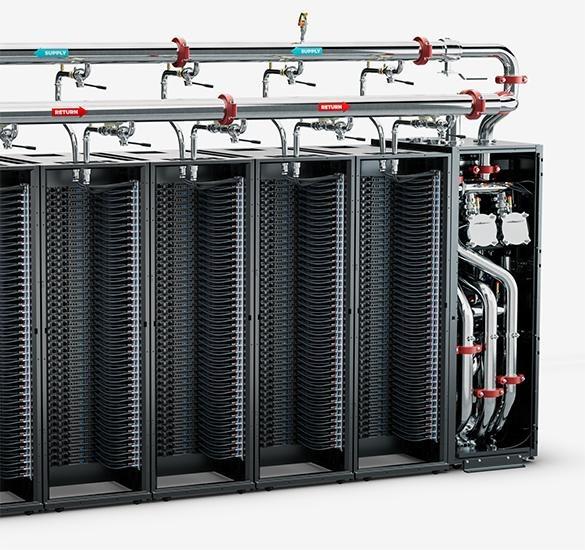
    Cloud providers and technology companies are making significant investments in sustainable infrastructure. Modern data centers are increasingly powered by renewable energy sources such as solar and wind power. Advanced cooling technologies, energy-efficient processors, and intelligent workload management also help reduce electricity consumption. Many organizations now monitor their carbon emissions and set sustainability targets to support environmental responsibility while maintaining high-performance computing capabilities.

    Efficient AI model design is another key aspect of Green AI. Developers are increasingly adopting techniques such as model compression, pruning, quantization, and knowledge distillation to reduce the size and computational requirements of machine learning models. Smaller models require less processing power during both training and inference, making them faster, more cost-effective, and environmentally friendly. These optimization methods also enable AI applications to run efficiently on edge devices, reducing dependence on large cloud infrastructures.

    Edge computing further supports sustainable computing by processing data closer to where it is generated instead of continuously sending information to centralized data centers. This reduces network traffic, lowers latency, and decreases energy consumption associated with data transmission. Smart cities, autonomous vehicles, industrial IoT systems, and healthcare devices increasingly rely on edge AI to deliver real-time intelligence with improved energy efficiency.

    Organizations are also adopting responsible AI development practices by measuring the environmental costs of their AI projects. Researchers now evaluate models not only based on accuracy but also on energy usage, training time, and carbon emissions. This shift encourages developers to create AI systems that balance performance with sustainability, promoting long-term environmental benefits alongside technological advancement.

    Green AI also supports business objectives beyond environmental responsibility. Energy-efficient computing reduces operational costs, lowers infrastructure expenses, and improves system scalability. Companies that prioritize sustainability often strengthen their brand reputation, meet regulatory requirements, and attract environmentally conscious customers and investors. As environmental, social, and governance (ESG) initiatives become more important, sustainable AI practices are increasingly viewed as a competitive advantage.

    Governments and research institutions are also encouraging sustainable computing through policy development and innovation funding. New standards for energy-efficient data centers, carbon reporting, and responsible AI deployment are helping organizations adopt greener technologies. Collaborative research continues to explore next-generation processors, advanced cooling systems, and low-power AI architectures that further reduce environmental impact.

    As AI adoption continues to accelerate across every industry, sustainability must become a core consideration in technology development. Green AI demonstrates that innovation and environmental responsibility can work together to create long-term value. By embracing energy-efficient algorithms, renewable-powered infrastructure, optimized hardware, and responsible development practices, businesses can harness the power of artificial intelligence while protecting the planet. Sustainable computing is no longer just an environmental initiative—it is a strategic approach that ensures the future of AI remains both intelligent and sustainable.

    Read More: https://theinfotech.info/
    Green AI and Sustainable Computing: Building an Environmentally Responsible Digital Future Artificial intelligence (AI) is transforming industries by improving automation, decision-making, and innovation. From healthcare and finance to manufacturing and retail, AI-powered solutions are helping businesses achieve greater efficiency and productivity. However, as AI models become larger and more computationally intensive, they also consume significant amounts of energy. This has led to growing concerns about the environmental impact of AI and data centers. As a result, Green AI and sustainable computing have emerged as essential approaches for developing intelligent technologies while minimizing their carbon footprint. Green AI refers to the practice of designing, training, and deploying artificial intelligence systems in ways that reduce energy consumption and environmental impact. Instead of focusing solely on achieving higher accuracy through increasingly complex models, Green AI emphasizes efficiency, resource optimization, and sustainability. It encourages organizations to build AI systems that deliver strong performance while using fewer computational resources. One of the biggest contributors to AI's environmental impact is the training of large language models and deep learning systems. Training these models often requires thousands of powerful GPUs running continuously for days or even weeks. This process consumes enormous amounts of electricity, much of which may still come from non-renewable energy sources. Sustainable computing aims to address this challenge by optimizing algorithms, improving hardware efficiency, and utilizing renewable energy whenever possible. Cloud providers and technology companies are making significant investments in sustainable infrastructure. Modern data centers are increasingly powered by renewable energy sources such as solar and wind power. Advanced cooling technologies, energy-efficient processors, and intelligent workload management also help reduce electricity consumption. Many organizations now monitor their carbon emissions and set sustainability targets to support environmental responsibility while maintaining high-performance computing capabilities. Efficient AI model design is another key aspect of Green AI. Developers are increasingly adopting techniques such as model compression, pruning, quantization, and knowledge distillation to reduce the size and computational requirements of machine learning models. Smaller models require less processing power during both training and inference, making them faster, more cost-effective, and environmentally friendly. These optimization methods also enable AI applications to run efficiently on edge devices, reducing dependence on large cloud infrastructures. Edge computing further supports sustainable computing by processing data closer to where it is generated instead of continuously sending information to centralized data centers. This reduces network traffic, lowers latency, and decreases energy consumption associated with data transmission. Smart cities, autonomous vehicles, industrial IoT systems, and healthcare devices increasingly rely on edge AI to deliver real-time intelligence with improved energy efficiency. Organizations are also adopting responsible AI development practices by measuring the environmental costs of their AI projects. Researchers now evaluate models not only based on accuracy but also on energy usage, training time, and carbon emissions. This shift encourages developers to create AI systems that balance performance with sustainability, promoting long-term environmental benefits alongside technological advancement. Green AI also supports business objectives beyond environmental responsibility. Energy-efficient computing reduces operational costs, lowers infrastructure expenses, and improves system scalability. Companies that prioritize sustainability often strengthen their brand reputation, meet regulatory requirements, and attract environmentally conscious customers and investors. As environmental, social, and governance (ESG) initiatives become more important, sustainable AI practices are increasingly viewed as a competitive advantage. Governments and research institutions are also encouraging sustainable computing through policy development and innovation funding. New standards for energy-efficient data centers, carbon reporting, and responsible AI deployment are helping organizations adopt greener technologies. Collaborative research continues to explore next-generation processors, advanced cooling systems, and low-power AI architectures that further reduce environmental impact. As AI adoption continues to accelerate across every industry, sustainability must become a core consideration in technology development. Green AI demonstrates that innovation and environmental responsibility can work together to create long-term value. By embracing energy-efficient algorithms, renewable-powered infrastructure, optimized hardware, and responsible development practices, businesses can harness the power of artificial intelligence while protecting the planet. Sustainable computing is no longer just an environmental initiative—it is a strategic approach that ensures the future of AI remains both intelligent and sustainable. Read More: https://theinfotech.info/
    THEINFOTECH.INFO
    The Infotech - The Infotech | Latest New, Event, Video, Articles
    The Infotech delivers AI news, tech insights, expert analysis, and industry trends, empowering businesses and professionals in the evolving digital world.
    0 Comments 0 Shares
  • Coolant Distribution Unit: The Ultimate Guide for AI Data Center Cooling

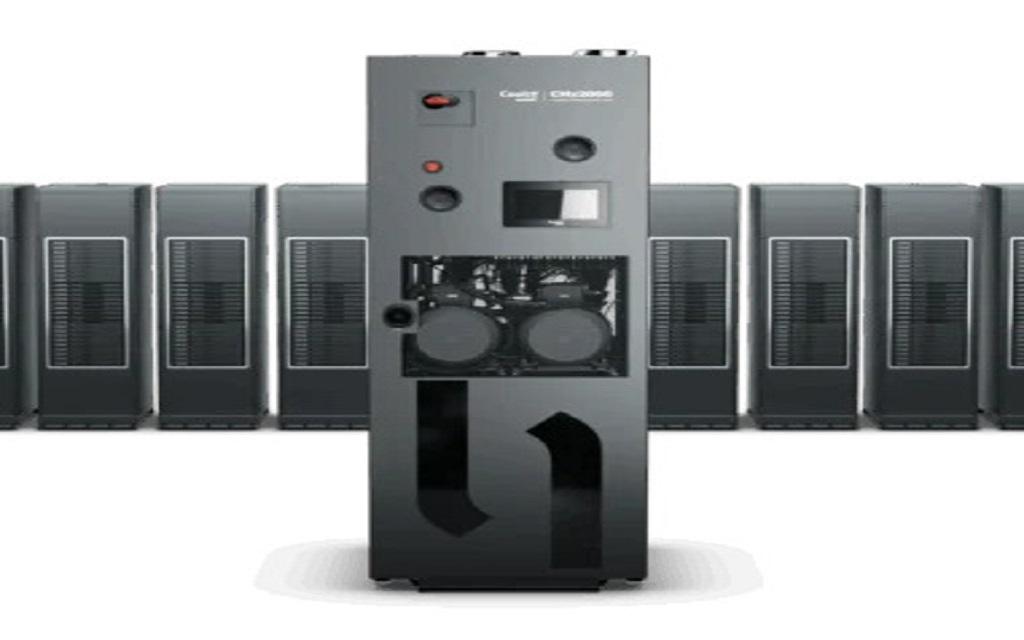
    The rapid growth of AI applications has changed the way modern data centres are designed. Higher #rack_densities generate more heat, making advanced liquid cooling an essential part of reliable infrastructure. A high-quality cooling distribution unit helps regulate coolant flow, keeping critical #hardware operating within safe temperature ranges while supporting continuous uptime.

    Unlike conventional cooling methods, a #CDU_data_center solution transfers heat directly from liquid-cooled servers with greater precision. This process reduces thermal #hotspots and improves cooling consistency across high-performance computing environments. As a result, facilities can achieve greater efficiency while preparing for future AI expansion.

    When space efficiency and cooling performance are equally important, an #in_rack_CDU provides a practical solution. Positioned close to the computing equipment, it reduces the coolant travel distance, improves heat removal, supports flexible #deployment, and simplifies thermal management for demanding AI workloads.

    Operators should evaluate reliability, scalability, redundancy, and ease of maintenance. Choosing the right #data_center_CDU involves more than matching cooling capacity. A carefully selected system can lower operating costs, improve infrastructure resilience, and extend the lifespan of valuable computing equipment. Discover coolant distribution unit solutions for AI cooling: https://www.coolitsystems.com/products-services/data-center-products/cooling-distribution-units/

    Across the industry, #CoolIT_Systems is recognised for delivering innovative liquid cooling technologies that meet the needs of advanced AI and HPC deployments. Its engineering expertise supports organisations looking to improve cooling efficiency while maintaining dependable performance in high-density #environments.
    As AI computing continues to expand, efficient thermal management is becoming a strategic investment rather than an optional upgrade. Explore in-rack CDU benefits for high-density data centers: https://hrcip.org/7-things-to-know-before-choosing-a-coolant-distribution-unit/

    Solutions developed by CoolIT Systems help organisations build future-ready data centres capable of supporting increasing workloads, improved #energy_efficiency, and long-term operational reliability.

    Discover smarter liquid cooling solutions for high-density AI computing. Explore advanced cooling technologies ( https://maps.app.goo.gl/22chXYAq3H29H2rv6 ) that help improve thermal efficiency, support reliable AI infrastructure, and prepare data centers for future growth.
    Coolant Distribution Unit: The Ultimate Guide for AI Data Center Cooling The rapid growth of AI applications has changed the way modern data centres are designed. Higher #rack_densities generate more heat, making advanced liquid cooling an essential part of reliable infrastructure. A high-quality cooling distribution unit helps regulate coolant flow, keeping critical #hardware operating within safe temperature ranges while supporting continuous uptime. Unlike conventional cooling methods, a #CDU_data_center solution transfers heat directly from liquid-cooled servers with greater precision. This process reduces thermal #hotspots and improves cooling consistency across high-performance computing environments. As a result, facilities can achieve greater efficiency while preparing for future AI expansion. When space efficiency and cooling performance are equally important, an #in_rack_CDU provides a practical solution. Positioned close to the computing equipment, it reduces the coolant travel distance, improves heat removal, supports flexible #deployment, and simplifies thermal management for demanding AI workloads. Operators should evaluate reliability, scalability, redundancy, and ease of maintenance. Choosing the right #data_center_CDU involves more than matching cooling capacity. A carefully selected system can lower operating costs, improve infrastructure resilience, and extend the lifespan of valuable computing equipment. Discover coolant distribution unit solutions for AI cooling: https://www.coolitsystems.com/products-services/data-center-products/cooling-distribution-units/ Across the industry, #CoolIT_Systems is recognised for delivering innovative liquid cooling technologies that meet the needs of advanced AI and HPC deployments. Its engineering expertise supports organisations looking to improve cooling efficiency while maintaining dependable performance in high-density #environments. As AI computing continues to expand, efficient thermal management is becoming a strategic investment rather than an optional upgrade. Explore in-rack CDU benefits for high-density data centers: https://hrcip.org/7-things-to-know-before-choosing-a-coolant-distribution-unit/ Solutions developed by CoolIT Systems help organisations build future-ready data centres capable of supporting increasing workloads, improved #energy_efficiency, and long-term operational reliability. Discover smarter liquid cooling solutions for high-density AI computing. Explore advanced cooling technologies ( https://maps.app.goo.gl/22chXYAq3H29H2rv6 ) that help improve thermal efficiency, support reliable AI infrastructure, and prepare data centers for future growth.
    0 Comments 0 Shares
  • Why Is Coldplate Loop Assembly Transforming Modern Cooling Systems?

    As technology continues to push performance limits, efficient #thermal_management has become a major priority across industries. From advanced computing to high-performance infrastructure, traditional #cooling_methods are often insufficient. Coldplate loops are helping engineers manage heat more effectively by delivering targeted cooling where it matters most.

    The growing demand for compact and reliable solutions has made #custom_coldplate_loops an important part of modern system design. These solutions enable cooling setups to be tailored to specific equipment needs, improving efficiency while meeting higher performance requirements. #CoolIT_Systems is helping businesses explore smarter approaches to thermal challenges with innovative liquid cooling technologies.

    A well-designed #liquid_cooling_loop can provide consistent temperature control while reducing the limitations commonly found with air-based cooling. By efficiently dissipating heat, these systems support reliability and long-term operation in demanding environments such as data centers, #AI_infrastructure, and high-performance computing applications.

    The precision behind a #coldplate_loop assembly plays a key role in achieving dependable cooling performance. Careful design, manufacturing quality, and integration expertise help create solutions that fit seamlessly into modern systems. As industries continue to evolve, advanced cooling strategies are becoming essential rather than optional. Custom coldplate loops can be engineered for specific layouts and conditions: https://bcorpsfornonprofits.com/why-are-custom-coldplate-loops-becoming-the-preferred-cooling-solution/

    CoolIT Systems continues to develop solutions that support the next generation of computing and industrial innovation. Businesses looking for advanced thermal management options can explore how #modern_cooling_designs are shaping the future of technology. Advanced coldplate loop designs deliver reliable thermal control for modern systems: https://www.coolitsystems.com/products-services/server-products/coldplate-loops/

    Unlock enhanced thermal efficiency with custom coldplate loop solutions designed to manage heat effectively, optimize performance, and support demanding applications. Get directions to connect with us today: https://maps.app.goo.gl/22chXYAq3H29H2rv6
    Why Is Coldplate Loop Assembly Transforming Modern Cooling Systems? As technology continues to push performance limits, efficient #thermal_management has become a major priority across industries. From advanced computing to high-performance infrastructure, traditional #cooling_methods are often insufficient. Coldplate loops are helping engineers manage heat more effectively by delivering targeted cooling where it matters most. The growing demand for compact and reliable solutions has made #custom_coldplate_loops an important part of modern system design. These solutions enable cooling setups to be tailored to specific equipment needs, improving efficiency while meeting higher performance requirements. #CoolIT_Systems is helping businesses explore smarter approaches to thermal challenges with innovative liquid cooling technologies. A well-designed #liquid_cooling_loop can provide consistent temperature control while reducing the limitations commonly found with air-based cooling. By efficiently dissipating heat, these systems support reliability and long-term operation in demanding environments such as data centers, #AI_infrastructure, and high-performance computing applications. The precision behind a #coldplate_loop assembly plays a key role in achieving dependable cooling performance. Careful design, manufacturing quality, and integration expertise help create solutions that fit seamlessly into modern systems. As industries continue to evolve, advanced cooling strategies are becoming essential rather than optional. Custom coldplate loops can be engineered for specific layouts and conditions: https://bcorpsfornonprofits.com/why-are-custom-coldplate-loops-becoming-the-preferred-cooling-solution/ CoolIT Systems continues to develop solutions that support the next generation of computing and industrial innovation. Businesses looking for advanced thermal management options can explore how #modern_cooling_designs are shaping the future of technology. Advanced coldplate loop designs deliver reliable thermal control for modern systems: https://www.coolitsystems.com/products-services/server-products/coldplate-loops/ Unlock enhanced thermal efficiency with custom coldplate loop solutions designed to manage heat effectively, optimize performance, and support demanding applications. Get directions to connect with us today: https://maps.app.goo.gl/22chXYAq3H29H2rv6
    0 Comments 0 Shares
  • Why One-Size Cooling Doesn't Work: Choose Custom Coldplate Loops?

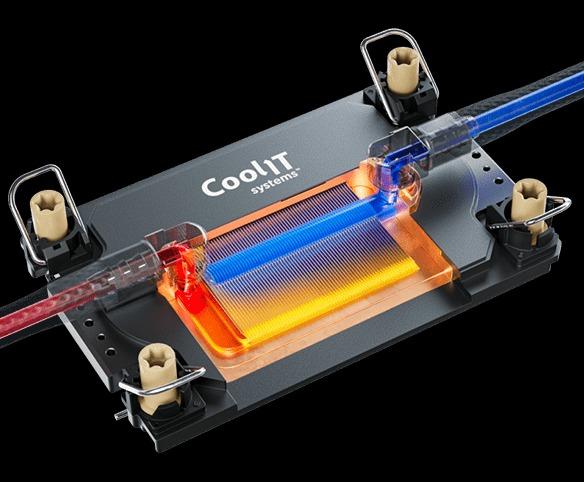
    As heat loads continue to rise, #standard_cooling methods may no longer deliver the required performance. Modern data centers are expected to support increasingly #powerful_processors and higher rack densities. That is why many organizations are exploring custom coldplate loops that are designed to match specific hardware and workload requirements.

    Unlike generic solutions, custom designs are developed to fit #unique_server layouts and thermal demands. A carefully engineered coldplate loop assembly ( https://theefashionstories.com/what-are-coldplate-loops-and-why-are-they-essential-for-modern-data-centers/ ) helps improve heat transfer where it matters most. As a result, consistent operating temperatures can be maintained while supporting system reliability.

    Flexible cooling systems ( https://www.coolitsystems.com/ ) also make it easier to accommodate future infrastructure upgrades. Better thermal control can contribute to improved equipment lifespan and more efficient energy use. These benefits are becoming increasingly important as modern computing environments continue to expand.

    Industry providers such as CoolIT Systems ( https://www.websitescrawl.com/website-info/6f4d034a30c50c528dfe939e8eb39df5/ ) have helped demonstrate how customized liquid #cooling_technologies can address complex data center challenges. Tailored solutions are often chosen because they can be adapted to different processor configurations, rather than relying on a single design for every application.

    A well-planned custom coldplate loops ( https://www.coolitsystems.com/products-services/server-products/coldplate-loops/ ) solution can also help reduce thermal hotspots and improve operational stability. When cooling is matched to the hardware, performance can be #maintained_more_effectively during demanding workloads. This approach supports both efficiency and long-term scalability.

    Many organizations now recognize that cooling should be considered part of an overall #infrastructure_strategy rather than an afterthought. Advanced cooling systems are increasingly being integrated into high-performance computing environments where precision and reliability are essential.

    As demand for #efficient_thermal_management continues to grow, companies such as CoolIT Systems remain closely associated with innovative cooling technologies. Connect with our team today: https://maps.app.goo.gl/22chXYAq3H29H2rv6
    Why One-Size Cooling Doesn't Work: Choose Custom Coldplate Loops? As heat loads continue to rise, #standard_cooling methods may no longer deliver the required performance. Modern data centers are expected to support increasingly #powerful_processors and higher rack densities. That is why many organizations are exploring custom coldplate loops that are designed to match specific hardware and workload requirements. Unlike generic solutions, custom designs are developed to fit #unique_server layouts and thermal demands. A carefully engineered coldplate loop assembly ( https://theefashionstories.com/what-are-coldplate-loops-and-why-are-they-essential-for-modern-data-centers/ ) helps improve heat transfer where it matters most. As a result, consistent operating temperatures can be maintained while supporting system reliability. Flexible cooling systems ( https://www.coolitsystems.com/ ) also make it easier to accommodate future infrastructure upgrades. Better thermal control can contribute to improved equipment lifespan and more efficient energy use. These benefits are becoming increasingly important as modern computing environments continue to expand. Industry providers such as CoolIT Systems ( https://www.websitescrawl.com/website-info/6f4d034a30c50c528dfe939e8eb39df5/ ) have helped demonstrate how customized liquid #cooling_technologies can address complex data center challenges. Tailored solutions are often chosen because they can be adapted to different processor configurations, rather than relying on a single design for every application. A well-planned custom coldplate loops ( https://www.coolitsystems.com/products-services/server-products/coldplate-loops/ ) solution can also help reduce thermal hotspots and improve operational stability. When cooling is matched to the hardware, performance can be #maintained_more_effectively during demanding workloads. This approach supports both efficiency and long-term scalability. Many organizations now recognize that cooling should be considered part of an overall #infrastructure_strategy rather than an afterthought. Advanced cooling systems are increasingly being integrated into high-performance computing environments where precision and reliability are essential. As demand for #efficient_thermal_management continues to grow, companies such as CoolIT Systems remain closely associated with innovative cooling technologies. Connect with our team today: https://maps.app.goo.gl/22chXYAq3H29H2rv6
    0 Comments 2 Shares
  • The DLC Rack Manifold Advantage for Modern Liquid Cooling Systems

    The rapid growth of AI, #edge_computing, and data-intensive applications is transforming data center infrastructure. As servers become more powerful, heat generation increases significantly, creating new challenges for #thermal_management. Modern liquid cooling technologies are emerging as the preferred solution for maintaining performance and operational efficiency.

    At the heart of these advanced cooling architectures is the #rack_manifold_system. Designed to distribute coolant throughout a rack environment, it creates a reliable pathway between facility cooling networks and #liquid_cooled_IT equipment. This centralized approach simplifies deployment while improving cooling consistency.

    A liquid cooling rack manifold enables precise coolant delivery to multiple servers within a rack. By maintaining balanced flow and #temperature_control, it helps prevent hotspots that can negatively impact hardware performance. The result is a more stable and #efficient_computing environment.

    As rack densities continue to rise, the importance of a server rack manifold becomes increasingly evident. High-performance processors and #GPUs demand cooling solutions capable of removing large amounts of #heat quickly. Manifold-based liquid cooling meets these requirements without increasing the data center's physical footprint.

    This scalability helps organizations adapt to evolving workloads while preserving existing cooling investments. Modern rack manifolds also contribute to #infrastructure_flexibility. Their modular design allows operators to integrate new liquid-cooled equipment with minimal disruption.

    Another significant benefit of a rack manifold is operational efficiency. Centralized #coolant_management reduces system complexity and streamlines maintenance activities. Features such as quick-connect interfaces and #flow monitoring help improve uptime while simplifying service procedures.

    Liquid cooling transfers heat far more effectively than traditional air-based methods, decreasing the reliance on high-powered fans and excessive #airflow_management. Advanced cooling systems supported by manifold technology can also reduce #energy_consumption. This supports both sustainability goals and long-term cost savings. Explore rack manifold solutions for high-density server cooling: https://www.coolitsystems.com/products-services/server-products/rack-manifolds/

    Organizations seeking to future-proof their data centers are increasingly turning to innovative solutions from #industry leaders. By combining intelligent coolant distribution with scalable liquid-cooling infrastructure, businesses can confidently meet the demands of AI, #HPC, and next-generation computing. Boost data center cooling with reliable rack manifolds: https://b-s-i.org/how-to-select-the-right-rack-manifold-for-your-cooling-infrastructure/

    As digital workloads continue to expand, investing in a high-performance rack manifold system is becoming a strategic necessity. Efficient coolant delivery, enhanced reliability, and improved energy efficiency make manifold technology a key component of #moder_liquid_cooling success.

    Looking to optimize your data center for AI and #high_density_computing? Visit CoolIT Systems today ( https://maps.app.goo.gl/22chXYAq3H29H2rv6 ) and learn how advanced rack manifold solutions can unlock greater efficiency, scalability, and performance for your liquid cooling strategy.
    The DLC Rack Manifold Advantage for Modern Liquid Cooling Systems The rapid growth of AI, #edge_computing, and data-intensive applications is transforming data center infrastructure. As servers become more powerful, heat generation increases significantly, creating new challenges for #thermal_management. Modern liquid cooling technologies are emerging as the preferred solution for maintaining performance and operational efficiency. At the heart of these advanced cooling architectures is the #rack_manifold_system. Designed to distribute coolant throughout a rack environment, it creates a reliable pathway between facility cooling networks and #liquid_cooled_IT equipment. This centralized approach simplifies deployment while improving cooling consistency. A liquid cooling rack manifold enables precise coolant delivery to multiple servers within a rack. By maintaining balanced flow and #temperature_control, it helps prevent hotspots that can negatively impact hardware performance. The result is a more stable and #efficient_computing environment. As rack densities continue to rise, the importance of a server rack manifold becomes increasingly evident. High-performance processors and #GPUs demand cooling solutions capable of removing large amounts of #heat quickly. Manifold-based liquid cooling meets these requirements without increasing the data center's physical footprint. This scalability helps organizations adapt to evolving workloads while preserving existing cooling investments. Modern rack manifolds also contribute to #infrastructure_flexibility. Their modular design allows operators to integrate new liquid-cooled equipment with minimal disruption. Another significant benefit of a rack manifold is operational efficiency. Centralized #coolant_management reduces system complexity and streamlines maintenance activities. Features such as quick-connect interfaces and #flow monitoring help improve uptime while simplifying service procedures. Liquid cooling transfers heat far more effectively than traditional air-based methods, decreasing the reliance on high-powered fans and excessive #airflow_management. Advanced cooling systems supported by manifold technology can also reduce #energy_consumption. This supports both sustainability goals and long-term cost savings. Explore rack manifold solutions for high-density server cooling: https://www.coolitsystems.com/products-services/server-products/rack-manifolds/ Organizations seeking to future-proof their data centers are increasingly turning to innovative solutions from #industry leaders. By combining intelligent coolant distribution with scalable liquid-cooling infrastructure, businesses can confidently meet the demands of AI, #HPC, and next-generation computing. Boost data center cooling with reliable rack manifolds: https://b-s-i.org/how-to-select-the-right-rack-manifold-for-your-cooling-infrastructure/ As digital workloads continue to expand, investing in a high-performance rack manifold system is becoming a strategic necessity. Efficient coolant delivery, enhanced reliability, and improved energy efficiency make manifold technology a key component of #moder_liquid_cooling success. Looking to optimize your data center for AI and #high_density_computing? Visit CoolIT Systems today ( https://maps.app.goo.gl/22chXYAq3H29H2rv6 ) and learn how advanced rack manifold solutions can unlock greater efficiency, scalability, and performance for your liquid cooling strategy.
    CoolIT Systems - Corporate HQ
    Find local businesses, view maps and get driving directions in Google Maps.
    0 Comments 0 Shares
  • Precision-Engineered Cooling Distribution Systems for Modern Electronics

    As electronic equipment becomes more powerful and densely integrated, effective #temperature control is essential for maintaining reliability, efficiency, and long-term performance. Modern data center cooling systems are designed to handle increasing heat loads while supporting uninterrupted operations. Precision-engineered solutions help prevent overheating, reduce energy consumption, and create stable operating #environments for critical infrastructure.

    Advanced #cooling_distribution_systems play a vital role in delivering consistent cooling where it is needed most. By strategically managing the movement of cooling media throughout a facility, these systems help maintain uniform temperatures across servers, processors, and other high-performance #electronic_components. This targeted approach improves equipment longevity and operational efficiency while minimizing thermal hotspots.

    High-performance coolant circulation systems are engineered to transport #heat away from sensitive electronics with exceptional accuracy. Through carefully designed flow paths and optimized fluid delivery, these systems support demanding applications where traditional air-based cooling may no longer provide sufficient performance. The result is enhanced heat transfer, improved system stability, and greater scalability for growing technology environments.

    As industries continue to adopt higher-density computing platforms, #liquid_cooling_systems have become an increasingly effective solution for thermal control. These technologies can remove heat more efficiently than conventional methods, making them well-suited for modern computing, artificial intelligence workloads, and advanced processing applications. Combined with innovative #thermal management systems, they help organizations achieve both performance and sustainability goals. Control data center heat with cooling distribution systems : https://classic-cd.com/why-cooling-distribution-systems-are-becoming-the-backbone-of-ai-data-centers/

    We specialize in precision cooling technologies that support the evolving needs of modern electronics. By integrating advanced cooling systems with intelligent design and engineering expertise, organizations can optimize equipment performance, improve energy efficiency, and prepare their infrastructure for future #growth. Power your facility with data center cooling systems : https://www.coolitsystems.com/products-services/data-center-products/technology-cooling-system/

    Looking for a trusted provider of advanced cooling solutions? Our specialists are available to discuss your requirements and help identify the most effective cooling solution for your operational goals. Visit our location to learn more about ( https://maps.app.goo.gl/22chXYAq3H29H2rv6 ) our technologies and speak with our team.

    Precision-Engineered Cooling Distribution Systems for Modern Electronics As electronic equipment becomes more powerful and densely integrated, effective #temperature control is essential for maintaining reliability, efficiency, and long-term performance. Modern data center cooling systems are designed to handle increasing heat loads while supporting uninterrupted operations. Precision-engineered solutions help prevent overheating, reduce energy consumption, and create stable operating #environments for critical infrastructure. Advanced #cooling_distribution_systems play a vital role in delivering consistent cooling where it is needed most. By strategically managing the movement of cooling media throughout a facility, these systems help maintain uniform temperatures across servers, processors, and other high-performance #electronic_components. This targeted approach improves equipment longevity and operational efficiency while minimizing thermal hotspots. High-performance coolant circulation systems are engineered to transport #heat away from sensitive electronics with exceptional accuracy. Through carefully designed flow paths and optimized fluid delivery, these systems support demanding applications where traditional air-based cooling may no longer provide sufficient performance. The result is enhanced heat transfer, improved system stability, and greater scalability for growing technology environments. As industries continue to adopt higher-density computing platforms, #liquid_cooling_systems have become an increasingly effective solution for thermal control. These technologies can remove heat more efficiently than conventional methods, making them well-suited for modern computing, artificial intelligence workloads, and advanced processing applications. Combined with innovative #thermal management systems, they help organizations achieve both performance and sustainability goals. Control data center heat with cooling distribution systems : https://classic-cd.com/why-cooling-distribution-systems-are-becoming-the-backbone-of-ai-data-centers/ We specialize in precision cooling technologies that support the evolving needs of modern electronics. By integrating advanced cooling systems with intelligent design and engineering expertise, organizations can optimize equipment performance, improve energy efficiency, and prepare their infrastructure for future #growth. Power your facility with data center cooling systems : https://www.coolitsystems.com/products-services/data-center-products/technology-cooling-system/ Looking for a trusted provider of advanced cooling solutions? Our specialists are available to discuss your requirements and help identify the most effective cooling solution for your operational goals. Visit our location to learn more about ( https://maps.app.goo.gl/22chXYAq3H29H2rv6 ) our technologies and speak with our team.
    Why Cooling Distribution Systems Are Becoming the Backbone of AI Data Centers
    0 Comments 0 Shares
  • Revolutionizing Data Center Cooling with Advanced Rack Manifold Solutions

    The rapid growth of #high_performance_computing and AI workloads is pushing thermal management to its limits, making advanced cooling strategies more critical than ever. A liquid cooling rack manifold is emerging as a cornerstone technology, enabling efficient heat removal directly at the source. By distributing #coolant precisely across servers, this innovation minimizes thermal resistance and significantly improves overall system reliability, helping modern data centers meet increasing performance demands without excessive energy consumption.

    At the heart of this transformation is the #rack_manifold, a compact yet powerful distribution hub that streamlines the flow of cooling liquid within server racks. Designed for scalability and flexibility, these systems allow operators to manage #multiple_cooling loops with precision. Businesses exploring next-generation infrastructure often note that they found manifold systems highly adaptable, supporting both retrofits and new builds with minimal disruption to operations. Explore modern rack manifold designs and benefits : https://www.webnetcreative.com/the-role-of-a-server-rack-manifold-in-modern-liquid-cooling-systems/

    A direct #liquid_cooling-manifold takes efficiency a step further by delivering coolant directly to heat-generating components, such as CPUs and GPUs. This targeted approach reduces reliance on the server rack manifold, lowering energy costs and enabling higher rack densities. With improved thermal consistency, data centers can maintain optimal performance even under heavy computational loads, ensuring uptime and extending hardware lifespan. Check out advanced server rack manifold solutions : https://www.coolitsystems.com/products-services/server-products/rack-manifolds/

    As demand for sustainable and high-density computing continues to rise, the data center rack manifold is becoming an essential component of future-ready infrastructure. Industry leaders are driving innovation in this space, offering advanced solutions that integrate seamlessly into #modern_environments. To explore how these advanced cooling technologies can transform your operations, visit their location and discover tailored solutions ( https://maps.app.goo.gl/22chXYAq3H29H2rv6
    )designed for next-generation data centers.
    Revolutionizing Data Center Cooling with Advanced Rack Manifold Solutions The rapid growth of #high_performance_computing and AI workloads is pushing thermal management to its limits, making advanced cooling strategies more critical than ever. A liquid cooling rack manifold is emerging as a cornerstone technology, enabling efficient heat removal directly at the source. By distributing #coolant precisely across servers, this innovation minimizes thermal resistance and significantly improves overall system reliability, helping modern data centers meet increasing performance demands without excessive energy consumption. At the heart of this transformation is the #rack_manifold, a compact yet powerful distribution hub that streamlines the flow of cooling liquid within server racks. Designed for scalability and flexibility, these systems allow operators to manage #multiple_cooling loops with precision. Businesses exploring next-generation infrastructure often note that they found manifold systems highly adaptable, supporting both retrofits and new builds with minimal disruption to operations. Explore modern rack manifold designs and benefits : https://www.webnetcreative.com/the-role-of-a-server-rack-manifold-in-modern-liquid-cooling-systems/ A direct #liquid_cooling-manifold takes efficiency a step further by delivering coolant directly to heat-generating components, such as CPUs and GPUs. This targeted approach reduces reliance on the server rack manifold, lowering energy costs and enabling higher rack densities. With improved thermal consistency, data centers can maintain optimal performance even under heavy computational loads, ensuring uptime and extending hardware lifespan. Check out advanced server rack manifold solutions : https://www.coolitsystems.com/products-services/server-products/rack-manifolds/ As demand for sustainable and high-density computing continues to rise, the data center rack manifold is becoming an essential component of future-ready infrastructure. Industry leaders are driving innovation in this space, offering advanced solutions that integrate seamlessly into #modern_environments. To explore how these advanced cooling technologies can transform your operations, visit their location and discover tailored solutions ( https://maps.app.goo.gl/22chXYAq3H29H2rv6 )designed for next-generation data centers.
    0 Comments 0 Shares
  • Why Cooling Distribution Systems Matter in Liquid-Cooled Data Centers

    As modern computing workloads continue to grow, the demand for efficient thermal management has become critical in every liquid cooling datacenter environment. High-performance processors, #AI_workloads, and dense server racks generate significant heat, making traditional #air_based data center cooling systems less effective. Liquid cooling technologies provide a more efficient method of transferring heat away from hardware, but their effectiveness largely depends on how well the cooling distribution systems are designed and managed.

    In a liquid cooling datacenter, cooling distribution systems act as the backbone that ensures coolant flows precisely where it is needed. These systems regulate the movement of cooling fluids through pipes, manifolds, and #cold_plates to maintain stable #temperatures across servers. Properly engineered cooling distribution systems not only prevent overheating but also improve reliability and operational consistency across the entire data center infrastructure. Upgrade your cooling distribution systems today: https://www.coolitsystems.com/products-services/data-center-products/technology-cooling-system/

    Another major advantage of advanced #data_center cooling systems is energy efficiency. When cooling distribution systems are optimized, they reduce the energy required to maintain ideal operating temperatures. This results in #lower_power_consumption, improved performance stability, and reduced operational costs. Efficient cooling systems also support higher rack densities, allowing data centers to scale their computing capacity without compromising thermal management.

    As computing demands continue to increase, the role of smart cooling distribution systems becomes even more important in ensuring that liquid-based data center cooling systems operate efficiently and sustainably. Companies like #CoolIT_Systems are helping drive innovation in this space by developing advanced solutions that support #high_density_workloads and modern liquid cooling datacenter environments.

    If you're looking to improve performance, #reliability, and #efficiency in your cooling systems, it’s time to take the next step. Discover how advanced cooling technologies can transform your infrastructure and explore our location ( https://maps.app.goo.gl/22chXYAq3H29H2rv6 ) to connect with experts who can help optimize your data center cooling strategy.
    Why Cooling Distribution Systems Matter in Liquid-Cooled Data Centers As modern computing workloads continue to grow, the demand for efficient thermal management has become critical in every liquid cooling datacenter environment. High-performance processors, #AI_workloads, and dense server racks generate significant heat, making traditional #air_based data center cooling systems less effective. Liquid cooling technologies provide a more efficient method of transferring heat away from hardware, but their effectiveness largely depends on how well the cooling distribution systems are designed and managed. In a liquid cooling datacenter, cooling distribution systems act as the backbone that ensures coolant flows precisely where it is needed. These systems regulate the movement of cooling fluids through pipes, manifolds, and #cold_plates to maintain stable #temperatures across servers. Properly engineered cooling distribution systems not only prevent overheating but also improve reliability and operational consistency across the entire data center infrastructure. Upgrade your cooling distribution systems today: https://www.coolitsystems.com/products-services/data-center-products/technology-cooling-system/ Another major advantage of advanced #data_center cooling systems is energy efficiency. When cooling distribution systems are optimized, they reduce the energy required to maintain ideal operating temperatures. This results in #lower_power_consumption, improved performance stability, and reduced operational costs. Efficient cooling systems also support higher rack densities, allowing data centers to scale their computing capacity without compromising thermal management. As computing demands continue to increase, the role of smart cooling distribution systems becomes even more important in ensuring that liquid-based data center cooling systems operate efficiently and sustainably. Companies like #CoolIT_Systems are helping drive innovation in this space by developing advanced solutions that support #high_density_workloads and modern liquid cooling datacenter environments. If you're looking to improve performance, #reliability, and #efficiency in your cooling systems, it’s time to take the next step. Discover how advanced cooling technologies can transform your infrastructure and explore our location ( https://maps.app.goo.gl/22chXYAq3H29H2rv6 ) to connect with experts who can help optimize your data center cooling strategy.
    0 Comments 0 Shares
  • How a Liquid Cooling Loop Improves High-Performance Thermal Management

    Modern electronic systems generate significant heat, especially in #high_performance_computing, power electronics, and industrial equipment. A liquid cooling loop offers an efficient way to manage this heat by circulating coolant through specialized components that absorb and transfer thermal energy away from sensitive hardware. Compared to traditional #air_cooling, this approach provides faster heat dissipation, improved temperature stability, and enhanced system reliability for demanding applications.

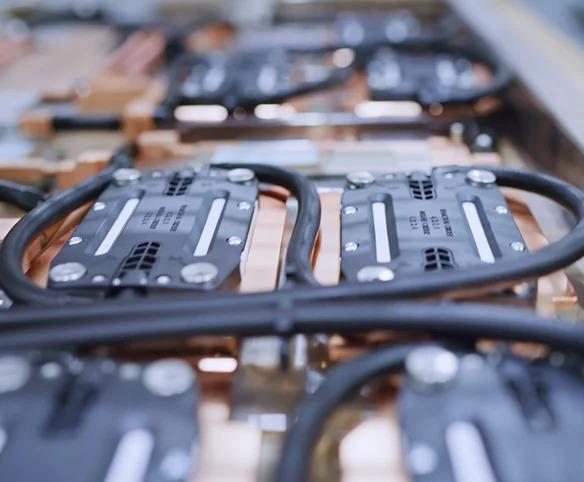
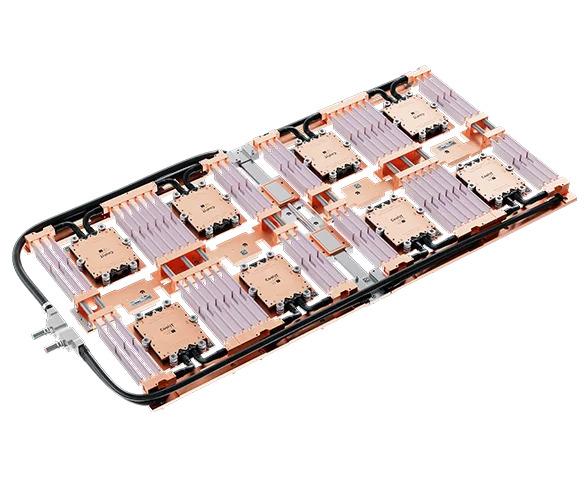
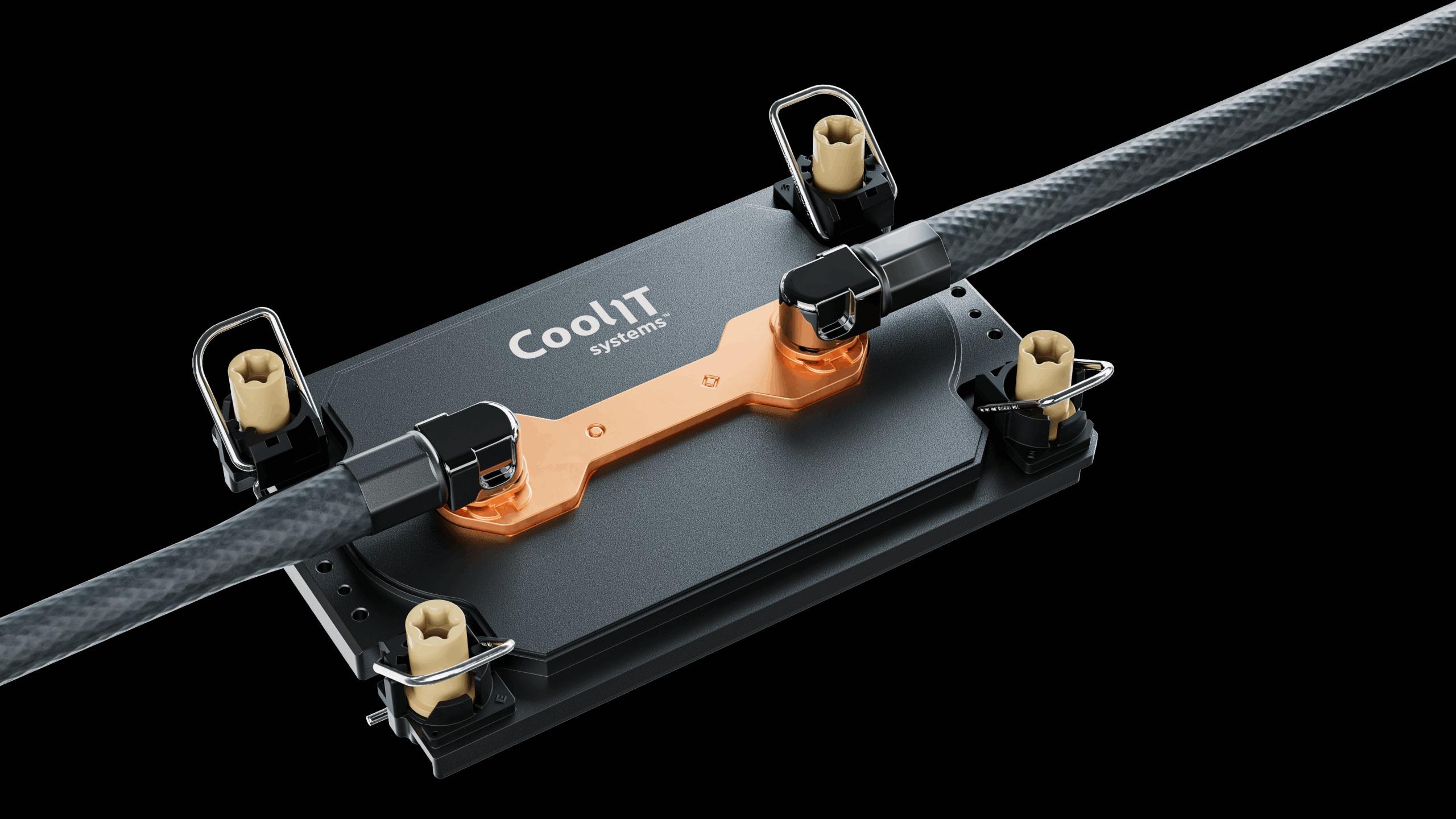
    One of the most effective methods in advanced #cooling_systems is the cold plate loop, which allows coolant to flow through a precision-engineered plate mounted directly on heat-generating components. A well-designed liquid cooling cold plate maximizes contact with the heat source, ensuring rapid heat transfer and consistent performance even under heavy workloads. This #technology is widely used in industries such as data centers, electric vehicles, renewable energy systems, and medical equipment, where thermal control is critical. Request Your Liquid Cooling Solution: https://www.coolitsystems.com/products-services/server-products/coldplate-loops/

    Proper integration of these cooling solutions requires accurate coldplate loop assembly to ensure that each component works together seamlessly. Carefully assembled systems maintain optimal coolant flow, prevent overheating, and improve the overall lifespan of electronic devices. #Businesses seeking superior cooling performance often rely on custom cold plate design services that tailor cooling plates, flow channels, and loop configurations to their equipment and #operating_conditions.

    Companies have helped advance thermal engineering by developing specialized cooling technologies that support high-power electronics and advanced computing systems. Through innovative design and precise #manufacturing, these solutions enable organizations to maintain optimal temperatures while maximizing system efficiency and #reliability. Find us: https://maps.app.goo.gl/22chXYAq3H29H2rv6

    For businesses seeking advanced thermal solutions and engineered cooling systems, exploring modern liquid cooling technologies can significantly #improve_performance. To learn more about tailored cooling solutions and see how they can support your applications, visit our location and discover professional #thermal_management services designed for modern industries.
    How a Liquid Cooling Loop Improves High-Performance Thermal Management Modern electronic systems generate significant heat, especially in #high_performance_computing, power electronics, and industrial equipment. A liquid cooling loop offers an efficient way to manage this heat by circulating coolant through specialized components that absorb and transfer thermal energy away from sensitive hardware. Compared to traditional #air_cooling, this approach provides faster heat dissipation, improved temperature stability, and enhanced system reliability for demanding applications. One of the most effective methods in advanced #cooling_systems is the cold plate loop, which allows coolant to flow through a precision-engineered plate mounted directly on heat-generating components. A well-designed liquid cooling cold plate maximizes contact with the heat source, ensuring rapid heat transfer and consistent performance even under heavy workloads. This #technology is widely used in industries such as data centers, electric vehicles, renewable energy systems, and medical equipment, where thermal control is critical. Request Your Liquid Cooling Solution: https://www.coolitsystems.com/products-services/server-products/coldplate-loops/ Proper integration of these cooling solutions requires accurate coldplate loop assembly to ensure that each component works together seamlessly. Carefully assembled systems maintain optimal coolant flow, prevent overheating, and improve the overall lifespan of electronic devices. #Businesses seeking superior cooling performance often rely on custom cold plate design services that tailor cooling plates, flow channels, and loop configurations to their equipment and #operating_conditions. Companies have helped advance thermal engineering by developing specialized cooling technologies that support high-power electronics and advanced computing systems. Through innovative design and precise #manufacturing, these solutions enable organizations to maintain optimal temperatures while maximizing system efficiency and #reliability. Find us: https://maps.app.goo.gl/22chXYAq3H29H2rv6 For businesses seeking advanced thermal solutions and engineered cooling systems, exploring modern liquid cooling technologies can significantly #improve_performance. To learn more about tailored cooling solutions and see how they can support your applications, visit our location and discover professional #thermal_management services designed for modern industries.
    0 Comments 0 Shares
  • Rack Manifold Systems for Efficient Data Center Cooling Infrastructure

    Modern data centers require advanced cooling strategies to handle the increasing heat generated by #high_density_computing_environments. A rack manifold plays a crucial role in improving cooling efficiency by distributing coolant precisely to each rack. Instead of relying solely on traditional air cooling, many facilities now use liquid cooling systems that can manage higher thermal loads while consuming less energy. By integrating a well-designed rack manifold system, #data_centers can maintain stable temperatures, reduce operational costs, and support the performance demands of modern IT equipment.

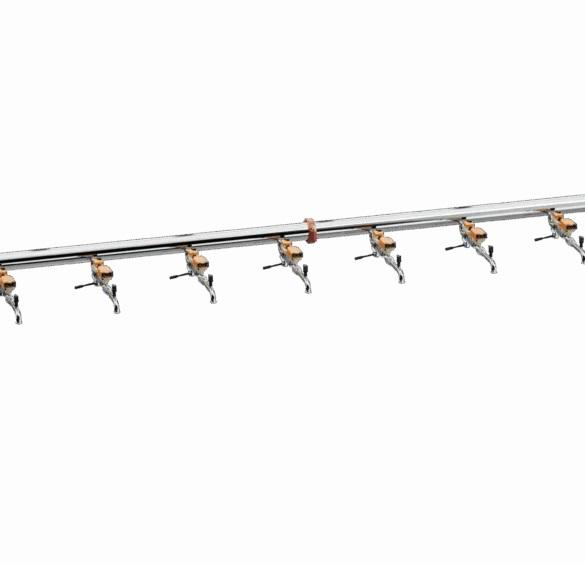
    As computing density continues to grow, the rack manifold becomes an essential component in #maintaining_reliability and preventing overheating in high-performance environments. A server rack manifold acts as a central distribution point for coolant flowing through liquid-cooled racks. It connects supply and return lines, ensuring that each rack receives the correct amount of coolant for optimal heat removal. This design #improves_scalability because additional racks can be connected without major infrastructure changes. Discover Reliable Direct Liquid Cooling Manifolds: https://www.coolitsystems.com/products-services/sercver-products/rack-manifolds/

    The use of a direct liquid cooling manifold further enhances efficiency by delivering coolant directly to cold plates or other liquid-cooled components inside the server racks. This approach removes heat closer to its source compared to #air_based_cooling methods. When implemented within a rack manifold system, the coolant flow can be carefully monitored and controlled, providing consistent thermal management across the entire data center. This level of precision helps operators achieve better #energy_efficiency and long-term equipment reliability. Explore our location: https://maps.app.goo.gl/22chXYAq3H29H2rv6

    Advanced cooling providers such as #CoolIT_Systems support data centers with innovative liquid cooling technologies that integrate seamlessly with modern infrastructure. For organizations planning to upgrade their #cooling_infrastructure, implementing a well-engineered direct liquid cooling manifold combined with a scalable rack manifold system can significantly improve overall performance. With the right design and implementation, facility teams can also locate us easily for consultation, support, and guidance in building efficient and future-ready cooling solutions.
    Rack Manifold Systems for Efficient Data Center Cooling Infrastructure Modern data centers require advanced cooling strategies to handle the increasing heat generated by #high_density_computing_environments. A rack manifold plays a crucial role in improving cooling efficiency by distributing coolant precisely to each rack. Instead of relying solely on traditional air cooling, many facilities now use liquid cooling systems that can manage higher thermal loads while consuming less energy. By integrating a well-designed rack manifold system, #data_centers can maintain stable temperatures, reduce operational costs, and support the performance demands of modern IT equipment. As computing density continues to grow, the rack manifold becomes an essential component in #maintaining_reliability and preventing overheating in high-performance environments. A server rack manifold acts as a central distribution point for coolant flowing through liquid-cooled racks. It connects supply and return lines, ensuring that each rack receives the correct amount of coolant for optimal heat removal. This design #improves_scalability because additional racks can be connected without major infrastructure changes. Discover Reliable Direct Liquid Cooling Manifolds: https://www.coolitsystems.com/products-services/sercver-products/rack-manifolds/ The use of a direct liquid cooling manifold further enhances efficiency by delivering coolant directly to cold plates or other liquid-cooled components inside the server racks. This approach removes heat closer to its source compared to #air_based_cooling methods. When implemented within a rack manifold system, the coolant flow can be carefully monitored and controlled, providing consistent thermal management across the entire data center. This level of precision helps operators achieve better #energy_efficiency and long-term equipment reliability. Explore our location: https://maps.app.goo.gl/22chXYAq3H29H2rv6 Advanced cooling providers such as #CoolIT_Systems support data centers with innovative liquid cooling technologies that integrate seamlessly with modern infrastructure. For organizations planning to upgrade their #cooling_infrastructure, implementing a well-engineered direct liquid cooling manifold combined with a scalable rack manifold system can significantly improve overall performance. With the right design and implementation, facility teams can also locate us easily for consultation, support, and guidance in building efficient and future-ready cooling solutions.
    0 Comments 0 Shares
No data to show
No data to show
No data to show
No data to show
No data to show